
Many people get excited about installing solar panels. You might imagine them soaking up sunlight and turning it into free electricity. But then, a doubt pops up: Do solar panels only work in direct sunlight, or will any light do? Maybe you’ve seen cloudy days, shaded roofs, or even wondered if streetlights at night could help. It’s a common confusion, and the answer isn’t always clear when you start searching online.
This is a real issue for homeowners, renters, and anyone interested in solar. You want to know: Will your panels work well if your roof is not perfectly sunny? Can you get value from solar if you live somewhere cloudy or with lots of shade? Let’s break down what really matters, with simple words and practical advice.
Short Answer: Do Solar Panels Need Direct Sunlight?
Solar panels work best in direct sunlight. But, they can still make electricity with indirect light, like on cloudy days or in the shade. However, the power they produce will be less compared to full sun.
If you want the best results, aim for as much direct sunlight as possible. But don’t worry—solar panels do not stop working just because the sun goes behind a cloud. They just produce less energy.
How Solar Panels Work: The Basics
Solar panels use photovoltaic cells to change sunlight into electricity. Here’s how it happens:
- Sunlight hits the solar cells on the panel.
- The cells create a flow of electrons (electricity).
- Wires carry this electricity to your home or battery.
It’s important to know that these cells react to visible light from the sun, not just “heat” or “brightness.” This means even on cloudy days, some light still gets through and the cells can work.

Credit: intelamp.com
Direct Sunlight Vs. Indirect Light
Let’s make this clear with a simple comparison. Direct sunlight means the sun’s rays hit your panels without anything in the way—no clouds, no shade. Indirect light is sunlight that has bounced off clouds, buildings, or trees before reaching the panel.
Here’s a quick look at the difference:
| Type of Light | Example | Solar Output (Approx.) |
|---|---|---|
| Direct Sunlight | Clear day, sun hits roof | 100% |
| Cloudy/Overcast | Clouds cover sun | 10%–25% |
| Shade/Obstructed | Tree or building blocks sun | 5%–20% |
| Artificial Light | Streetlights, lamps | Very little, not practical |
Key point: Direct sunlight gives the most power. Indirect light works, but not as well.
What Counts As “light” For Solar Panels?
Not all light is equal. Solar panels mainly use visible light (the kind we see with our eyes), but also some ultraviolet and infrared. Artificial light (like bulbs) does not have enough energy for useful power generation.
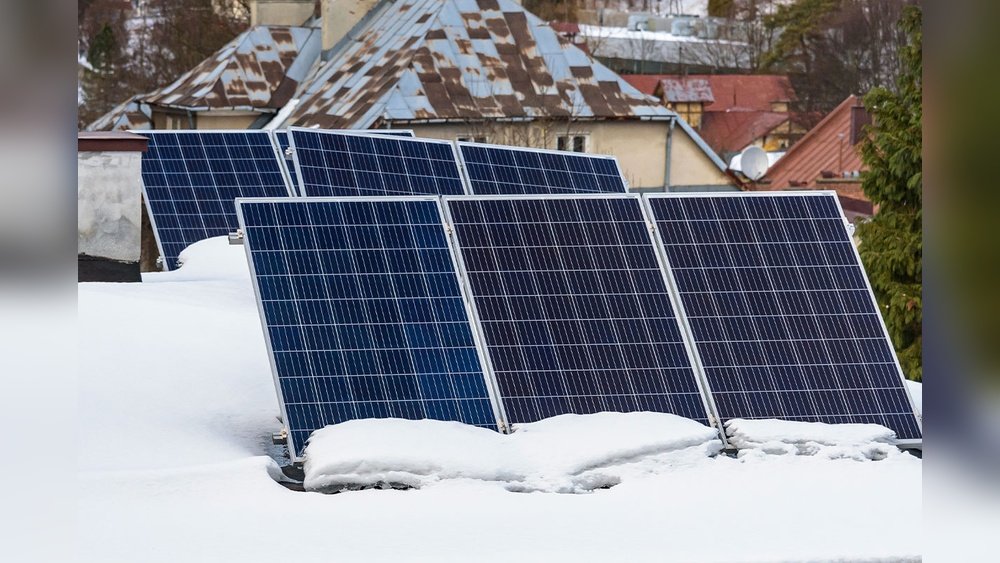
If your roof gets a few hours of sun, but then is shaded the rest of the day, your panels will make the most power during the sunny hours. On a cloudy day, you still get power, but it’s much less.
Mini example: If your panels make 10 kWh on a sunny day, they may only make 2–3 kWh on a cloudy day.
Credit: www.aidot.com
Common Myths About Solar Panel Light Needs
Many people believe solar panels need “blazing hot” sun all day. That’s not true. They also do not shut off completely in the shade. Here are some common myths, and the real facts:
- Myth: Solar panels don’t work in winter.
- Fact: They work year-round. Sometimes, cold weather even helps panels work better.
- Myth: Panels need clear skies all day.
- Fact: They still work on cloudy days, just less efficiently.
- Myth: Shade ruins solar panels.
- Fact: Shade reduces output but doesn’t break the panel.
How Much Less Power In Indirect Light?
On average, solar panels produce:
- 60%–80% less power on cloudy days compared to full sun.
- In deep shade, production can drop to 10% or less.
This means if your area is often cloudy, you should expect lower output. But solar can still be worth it, especially if electricity is expensive or you have enough sunny hours each year.
Hidden insight: Many beginners do not realize that solar panels are tested under “Standard Test Conditions” (STC). This is direct sunlight at a certain brightness (1000 watts per square meter). Real-world conditions are often not this perfect.
Credit: solarlighting.com
What If Your Roof Gets Shade?
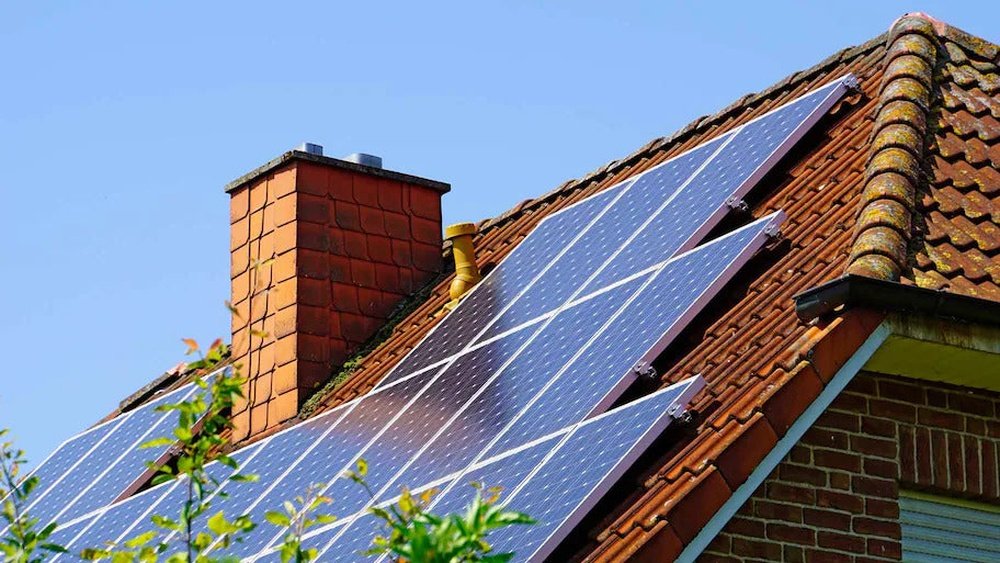
Shade is a big factor. Even a small shadow (from a tree, antenna, or chimney) can cut power a lot. Here’s how shade affects solar:
- If one panel is shaded, it can lower the output of the whole system if the panels are wired in a string.
- Newer solar setups use microinverters or optimizers. These help each panel work on its own, so one shaded panel doesn’t drag down the others.
Practical tip: If you have shade, ask your installer about microinverters.
Comparing Locations: Sunny Vs. Cloudy Cities
It’s easy to think solar is only for sunny places. But many cloudy cities use solar successfully. Let’s look at some real-world data:
| City | Average Sun Hours/Day | Solar Potential |
|---|---|---|
| Phoenix, AZ | 6.5 | Very High |
| Seattle, WA | 3.5 | Moderate |
| New York, NY | 4.0 | High |
| London, UK | 2.5 | Lower |
Even in Seattle or London, people install solar and save money. The panels just produce less energy than in Phoenix.
Can Solar Panels Work With Artificial Light?
This is a common question. The answer is no—not in a practical way. While solar panels can create a tiny amount of electricity from strong artificial light (like a floodlight), it’s not enough to power your home. Solar panels are made for sunlight, not lamps or bulbs.
Real-life test: If you shine a flashlight on a solar panel, you might get a small reading on a meter, but you can’t power any real devices.
Best Positioning For Maximum Output
To get the most from your solar panels, angle and direction matter. Here’s what to know:
- In the Northern Hemisphere (like the US), panels should face south for most sun.
- The best tilt angle is usually your latitude (for example, 35° if you live at 35° latitude).
- Avoid shade from trees, chimneys, or buildings.
- Clean panels once or twice a year to remove dust or debris.
Pro tip: Even a little dust or bird droppings can lower output. Clean panels after pollen season for a boost.
Types Of Solar Panels And Their Performance
There are three main types of panels you might see:
| Type | Efficiency | Works in Low Light? | Cost |
|---|---|---|---|
| Monocrystalline | 17–22% | Best | Higher |
| Polycrystalline | 15–17% | Good | Medium |
| Thin-film | 10–13% | Okay | Lower |
Monocrystalline panels are usually the most efficient, even in low light. If your area is cloudy or shaded, choose a high-efficiency panel.
Real-world Examples: Solar In Cloudy Places
Germany is famous for its solar power, even though it’s not very sunny. In fact, Germany gets less sunshine than most US states, but it leads Europe in solar energy. Why? Good technology and smart use.
Another example: Many homes in the Pacific Northwest (like Portland or Seattle) use solar. They don’t always cover 100% of energy needs, but they help lower bills and cut carbon.
Hidden insight: Solar panels often last 25+ years. Even with less sun, you get long-term savings.
Common Mistakes To Avoid
If you want to get solar panels, watch out for these traps:
- Ignoring shade: Don’t guess—get a solar site survey. Even a small tree can hurt output.
- Choosing the wrong panel type: High-efficiency panels cost more, but pay off in shady or cloudy areas.
- Wrong angle or direction: Bad placement means wasted money.
- Expecting solar to work at night: Solar doesn’t work without sunlight. You need batteries or grid power after dark.
Extra tip: Check your local rules. Some places pay you for extra solar power you send to the grid.
What Really Matters When Choosing Solar Panels
When you decide if solar is right for you, focus on these key points:
- How many sunny hours does your roof get each day?
- Are there trees or buildings making shade?
- What type of solar panel fits your budget and climate?
- Can you install panels facing south (in the US)?
- Are you okay with less power on cloudy days?
If you answer these honestly, you’ll avoid most common mistakes.
The Bottom Line
Solar panels do not need only direct sunlight. They work with any sunlight, but direct sun gives the most power. Indirect or weak light means less energy, but it’s still useful. Don’t let cloudy days or some shade stop you from considering solar. With the right setup, solar panels can help almost anywhere.
For more about how solar panels react to light, check out this Wikipedia page about solar cells.
Frequently Asked Questions
Do Solar Panels Work When It’s Cloudy?
Yes, solar panels still work on cloudy days, but they make less electricity. Usually, you get about 10–25% of the power you would on a sunny day.
Can Solar Panels Work With Indoor Or Artificial Light?
Solar panels can make a tiny bit of power from strong artificial light, but it’s not enough for real use. They are made for sunlight, not lamps or bulbs.
Will Shade From Trees Or Chimneys Ruin My Solar System?
Shade will lower your solar output, but it will not destroy your panels. If shade is a problem, ask your installer about microinverters, which help each panel work on its own.
Do Solar Panels Work In Winter?
Yes! Solar panels still work in winter. In fact, they can be more efficient in cold weather because they do not get as hot.
What Is The Best Direction And Angle For Solar Panels?
In the US, panels should face south for the most sun. The best tilt is usually the same as your latitude, but a solar installer can help you decide.
Solar power is a smart investment for many homes. The key is to understand how light (not just sunshine) affects your system. With the right information, you can make the best choice for your situation and enjoy the benefits for years.