
Have you ever tried to buy solar panels for your home or business and felt lost when the seller mentions “one pallet”? Maybe you want to compare prices, plan delivery, or check storage space, but nobody gives a clear answer. You might search online and see different numbers—sometimes 20, sometimes 30, sometimes even 36. Suddenly, you realize that “pallet” can mean many things. What’s inside one pallet? Is it always the same? How can you be sure you’re getting what you expect?
You’re not alone. Many people feel confused about this detail. Whether you’re a homeowner trying to cut energy bills, a contractor planning a big project, or just curious about solar panel packaging, this guide will clear things up. We’ll answer your question quickly, and then explain everything you need to know—no fluff, no jargon, just practical advice from someone who’s been through it.
Short Answer: How Many Solar Panels In One Pallet?
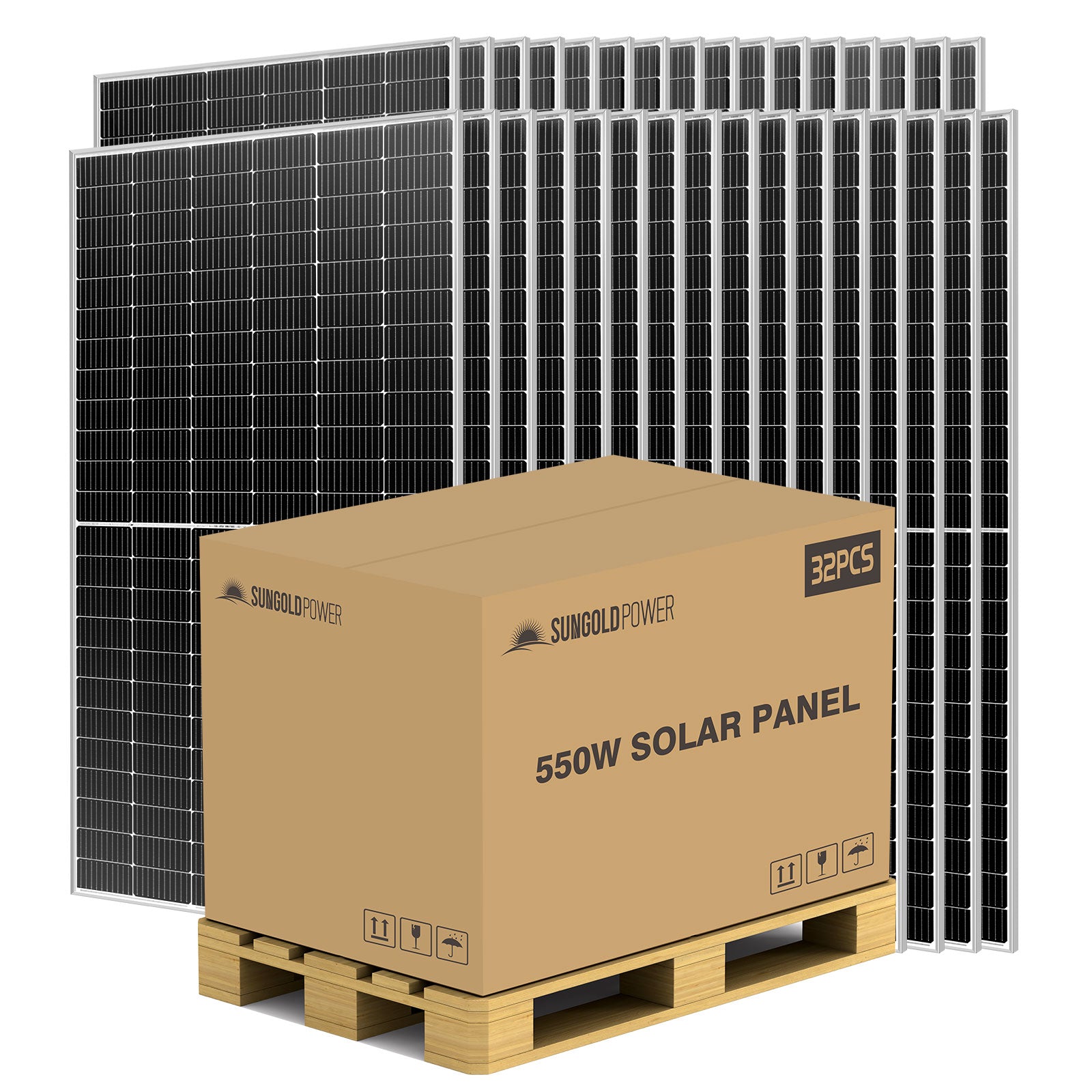
Most standard pallets hold 20 to 36 solar panels. The exact number depends on the panel size, brand, and packaging style. For typical residential panels (about 60 cells, 1×1.7 meters), 26 or 30 is most common. For commercial panels (72 cells, larger size), pallets often hold 20 to 24. Always check with your supplier for the specific count.
Why The Number Changes
You might wonder why there’s no fixed number. Here are the main reasons:
- Panel size: Larger panels take more space, so fewer fit per pallet.
- Panel thickness: Newer panels are thinner, so more can fit.
- Packaging method: Some brands stack panels vertically, others horizontally.
- Pallet size: Not all pallets are the same. Some are built bigger for overseas shipping.
- Panel type: Mono vs poly, framed vs frameless—all affect packing.
Let’s look at how these factors work in real life.
Typical Pallet Sizes And Panel Types
Solar panel pallets are built for safe shipping and easy handling. Here’s how they usually break down:
Standard Residential Panels
Most home solar panels are 1×1.7 meters (about 3.3 x 5.5 feet). They are 60-cell modules, weighing around 40 pounds each.
- Common pallet counts: 26, 28, or 30
- Pallet dimensions: 1.1 x 1.8 meters (44 x 71 inches)
- Weight: 1,040 to 1,200 pounds (including pallet)
Commercial Panels
Larger panels (72 cells, often used in solar farms):
- Common pallet counts: 20, 22, or 24
- Pallet dimensions: 1.1 x 2 meters (44 x 79 inches)
- Weight: 1,200 to 1,350 pounds
Thin Film Panels
These are less common, but thinner and lighter:
- Pallet counts: 40 to 50
- Used in special applications, not typical homes
Real Examples From Major Brands
To help you see the difference, here’s a comparison from three big solar panel brands:
| Brand | Panel Size | Panels per Pallet | Typical Use |
|---|---|---|---|
| Canadian Solar | 1×1.7m (60-cell) | 30 | Home/Small Business |
| Trina Solar | 1x2m (72-cell) | 24 | Commercial |
| SunPower | 1×1.7m (60-cell) | 26 | Home/High Efficiency |
If you buy from a local distributor, ask for the packing list. This tells you exactly how many panels per pallet, the weight, and the shipping dimensions.
Credit: sungoldpower.com
Why Pallet Counts Matter
Knowing how many solar panels are in a pallet helps with:
- Price comparisons: Sellers quote per pallet, not per panel.
- Delivery planning: Trucks and forklifts need to know pallet size and weight.
- Storage: You don’t want pallets that won’t fit in your garage or warehouse.
- Project management: Contractors need to order the right number of pallets.
Let’s break down each point with mini examples.
Price Comparison Example
Suppose Seller A offers a pallet for $6,000. Seller B offers the same price. Seller A’s pallet holds 30 panels, Seller B’s only 24. Seller A’s cost per panel is $200, Seller B’s is $250. Knowing the pallet count saves you money.
Delivery Example
A standard delivery truck can fit 10 pallets. If each pallet has 30 panels, you get 300 panels. If only 20 per pallet, you get 200 panels. Planning is key.
Storage Example
Your warehouse fits 5 pallets, each 1.2 meters high. If you expect 30 panels per pallet but get 24, you may need more space—or fewer panels. Always check before delivery.
How Suppliers Pack Solar Panels
Solar panels are fragile but heavy. Suppliers use careful packing methods:
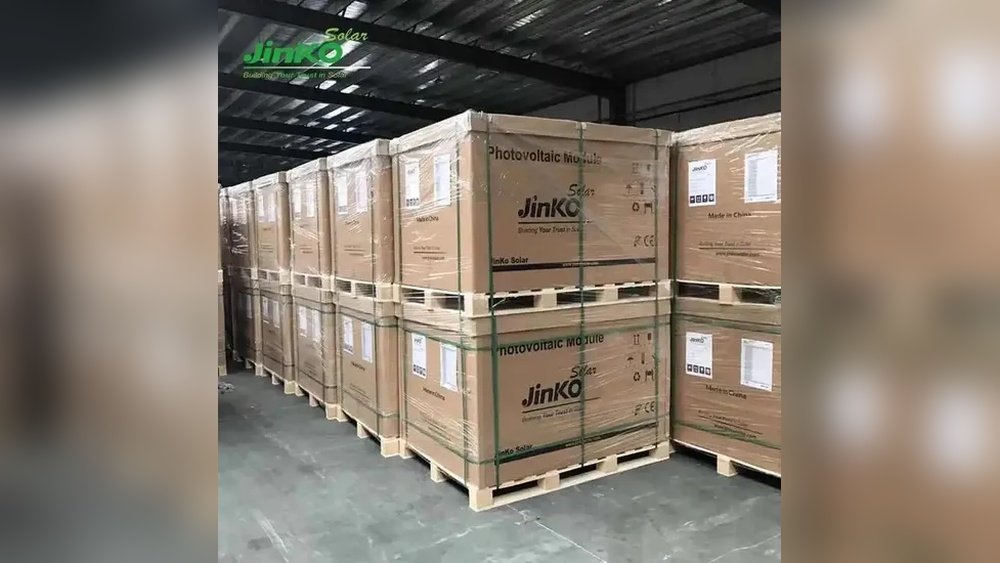
- Panels are stacked with foam or cardboard separators.
- Plastic wrap protects from dust and moisture.
- Wooden or metal pallets hold the stack tightly.
- Corner protectors guard against bumps.
Some suppliers add extra space for safer shipping, especially for overseas containers. This may lower the panel count per pallet.
International Vs Domestic Shipping
Shipping rules change the pallet count. For example:
- International shipping: Fewer panels per pallet, more padding. Pallets are sometimes shrink-wrapped.
- Domestic (local) shipping: More panels per pallet, less padding. Easier to unload.
If you import panels, expect a lower count—often 20–24 per pallet.
Panel Thickness And Trends
Solar technology is improving. Panels are getting thinner, lighter, and stronger. Some brands now fit more panels per pallet by using thin frames or frameless designs.
| Panel Type | Thickness | Pallet Capacity |
|---|---|---|
| Standard Framed | 35–40mm | 26–30 |
| Thin Frame | 28–32mm | 30–36 |
| Frameless | 20–25mm | 36–40 |
If you want more panels per pallet, ask for thin frame or frameless models. But check if your installer can handle these types safely.

Credit: pnsolarpv.en.made-in-china.com
Common Mistakes When Ordering Pallets
Many buyers make simple errors when ordering solar panels:
- Assuming all pallets are the same: Every supplier packs differently.
- Ignoring panel size: Larger panels mean fewer per pallet.
- Not asking for the packing list: This document is essential.
- Misjudging storage space: Pallets can be taller or wider than expected.
- Missing hidden costs: Some sellers charge extra for special pallets or overseas packing.
Always double-check before placing your order.
How To Find The Exact Number
Here’s a step-by-step way to get the correct panel count:
- Ask your supplier for the packing list or product datasheet.
- Check panel size: Look for panel dimensions and thickness.
- Confirm pallet dimensions: Make sure the pallet fits your delivery or storage plans.
- Clarify shipping method: Domestic or international may change the count.
- Count panels per pallet: Do the math before paying.
If you can, visit your supplier’s warehouse. Seeing the pallets in person helps avoid surprises.
Storage, Handling, And Safety Tips
Solar panel pallets are heavy and fragile. Here’s how to handle them safely:
- Use a forklift or pallet jack for moving.
- Store pallets on flat, dry surfaces.
- Avoid stacking too high—risk of tipping.
- Keep panels away from water and direct sunlight before installation.
- Open pallets carefully. Don’t use knives near glass.
For home buyers, check if your garage or driveway can fit the pallet. For contractors, plan unloading zones and schedule delivery times.
How Pallet Size Affects Shipping Costs
Shipping is often priced by pallet size and weight. Here’s a simple comparison:
| Pallet Type | Panels per Pallet | Approx. Weight | Shipping Cost (US) |
|---|---|---|---|
| Standard Residential | 30 | 1,100 lbs | $150–$250 |
| Commercial Large | 24 | 1,350 lbs | $180–$300 |
| Thin Film | 40 | 950 lbs | $120–$200 |
Always ask for a shipping quote before ordering. If you buy multiple pallets, ask if there’s a discount.
Non-obvious Insights Most Beginners Miss
Here are two helpful tips many people overlook:
- Some pallets are custom-packed for big projects. If you order 200 panels, your supplier may build special pallets for easier unloading.
- Panel orientation matters. Panels packed vertically are safer for glass, but take more space. Horizontal packing fits more panels but can be riskier for breakage.
Ask your supplier how they pack panels and why. It can save you money and headaches.
Is It Worth Buying By Pallet?
If you need more than 10 panels, buying a full pallet is usually cheaper. Sellers give discounts for full pallets, and shipping costs per panel are lower. But always compare the per-panel price and check the packing list.
For small projects, buying panels one-by-one may be simpler, but shipping costs go up. For big projects, pallets are the way to go.
Credit: shopsolarkits.com
External Resource
For more detailed specs and packing information, you can check the National Renewable Energy Laboratory official site.
Frequently Asked Questions
How Many Panels Fit On A Standard Pallet?
Most standard pallets hold 26 to 30 solar panels for residential models. Commercial panels are bigger, so pallets often hold 20 to 24. Always check with your supplier for the exact count.
Can I Fit A Solar Panel Pallet In My Garage?
A typical pallet is 44 x 71 inches and about 50 inches high. Most two-car garages can fit one pallet, but check the height and leave space for moving around.
Is It Cheaper To Buy A Full Pallet?
Yes, buying a full pallet usually means lower prices per panel and lower shipping costs. But compare per-panel pricing and check the pallet count before buying.
How Much Does A Pallet Of Solar Panels Weigh?
A pallet with 30 panels weighs about 1,100 pounds. Larger commercial pallets can weigh 1,350 pounds. Always use proper equipment for moving.
What Happens If Panels Arrive Broken?
If you see damage when you open the pallet, take photos and contact your supplier right away. Most suppliers will replace broken panels if you report quickly.
Getting clear on how many solar panels are in one pallet helps you avoid mistakes, save money, and plan your project smoothly. Whether you’re buying for your home, business, or a big solar farm, always check the packing list, compare prices, and ask questions. Solar panels are a big investment—make sure you know what you’re getting, so your energy project starts off right.