
Have you ever looked at your roof and wondered if solar panels might ruin it? Maybe you’ve heard stories about leaks, cracks, or even big repair bills after installing solar. Or maybe you just want to save money and help the planet, but you’re worried: “Are solar panels bad for your roof?” It’s a smart question. Roofs are expensive, and you don’t want to risk damage just to go green. Let’s clear up the confusion, so you know exactly what to expect—and how to protect your home.
Short Answer
For most homeowners, solar panels are not bad for your roof. If installed correctly, they can actually protect your roof from weather and sun damage. Problems usually come from poor installation, old roofing, or ignoring maintenance. With the right steps, your roof can handle solar panels safely.
How Solar Panels Affect Your Roof
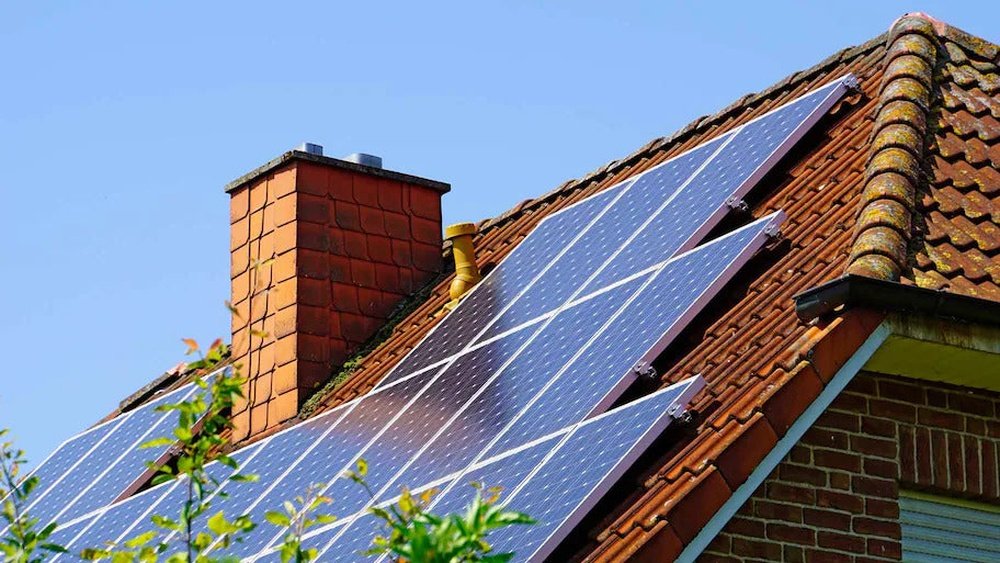
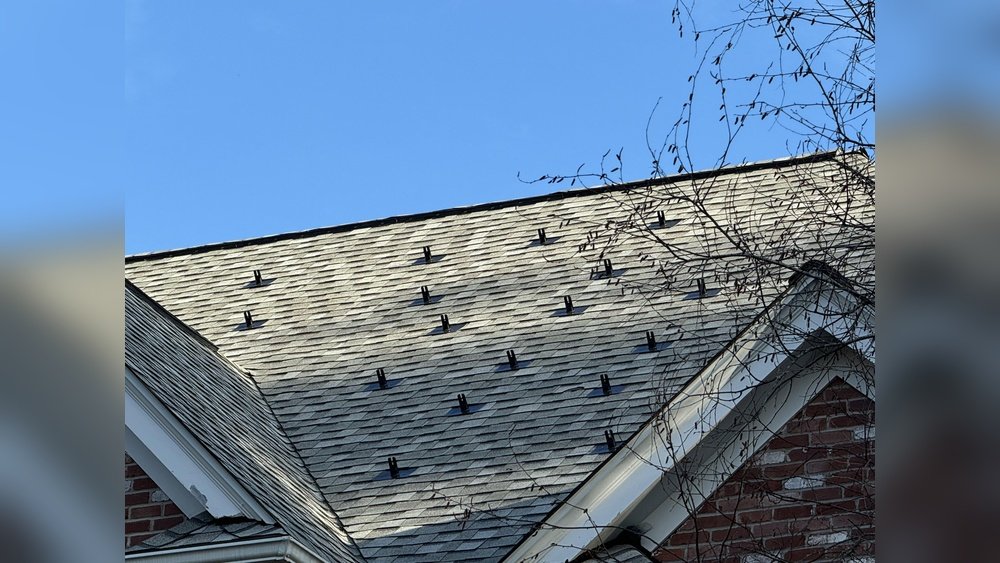
Solar panels sit on top of your roof, but they don’t touch every part. Most systems use mounts that hold panels above the surface. These mounts are fixed with bolts or brackets. Installers drill holes and seal them to stop leaks. If this is done well, your roof stays strong.
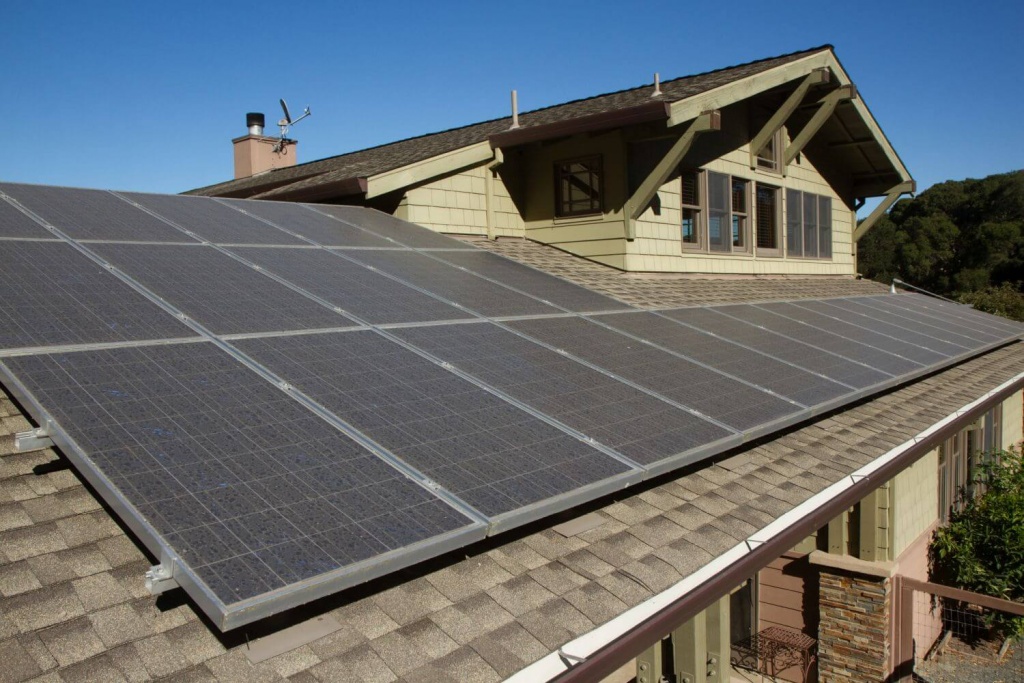
Some people worry about extra weight. But most roofs can support solar panel loads. Panels are not heavy. For example, a standard panel weighs about 40 pounds. That’s like carrying a small dog.
Solar Panels As Roof Protection
Panels block sunlight and rain from hitting the roof directly. This can:
- Slow down wear and tear
- Reduce UV damage
- Keep roof materials cooler
Think of panels as a shield. In some cases, the roof under panels looks newer for longer.
Common Risks And How To Avoid Them
Problems usually happen when installers rush or use cheap materials. Here are the main risks:
- Leaks: Bad seals or sloppy drilling can let water in.
- Cracks or Holes: Poor mounting can break shingles or tiles.
- Extra Weight: Rarely, very old roofs may not support new panels.
- Voided Warranty: Some roof warranties end after panel installation.
How To Prevent Roof Damage
- Choose a certified installer with good reviews.
- Ask for strong, weatherproof seals.
- Check if your roof needs repairs before installing panels.
- Make sure your installer will fix leaks if they happen.
- Ask about your roof warranty and get details in writing.
When Solar Panels Can Be A Problem
Not every roof is ready for solar panels. Here are situations where you might run into trouble:
Old Roofs
If your roof is more than 15 years old, it could be too weak. Panels last 20–25 years, so you don’t want to put new panels on an old roof.
Roof Type
Some roofs are easier to work with:
- Asphalt shingles: Very common and easy for solar.
- Metal roofs: Often strong, but need special mounts.
- Tile roofs: Harder to drill, may crack.
- Flat roofs: Panels sit on racks, no drilling.
Here’s a quick comparison:
| Roof Type | Solar Friendly? | Common Issues |
|---|---|---|
| Asphalt Shingles | Yes | Easy mounting, minor leak risk |
| Metal | Yes | Special mounts needed |
| Tile | Sometimes | Tile cracking, harder install |
| Flat | Yes | No drilling, but water pooling |
Bad Installers
If you choose an installer who cuts corners, you risk leaks, damage, or loose panels. Always check reviews, ask questions, and look for certifications.
Solar Panel Installation Process
Knowing how panels are installed helps you see where risks can happen.
- Roof Inspection: Installers check roof age, material, and strength.
- Design: They plan where panels will go for best sunlight and safety.
- Mounting: Holes are drilled for mounts. Seals are added to stop water.
- Panel Attachment: Panels are fixed to mounts.
- Wiring: Electric cables connect panels to your home.
Good installers take steps to protect your roof at every stage. Here’s a comparison of what happens with and without professional care:
| Step | Professional Installer | Poor Installer |
|---|---|---|
| Roof Inspection | Checks age, repairs needed | Skips inspection |
| Mounting | Uses proper seals | Cheap materials, no sealing |
| Panel Attachment | Secure, even weight | Loose, uneven |
| Wiring | Safe, code-compliant | Messy, unsafe |
Non-obvious Insights Most Homeowners Miss
Many people overlook these points:
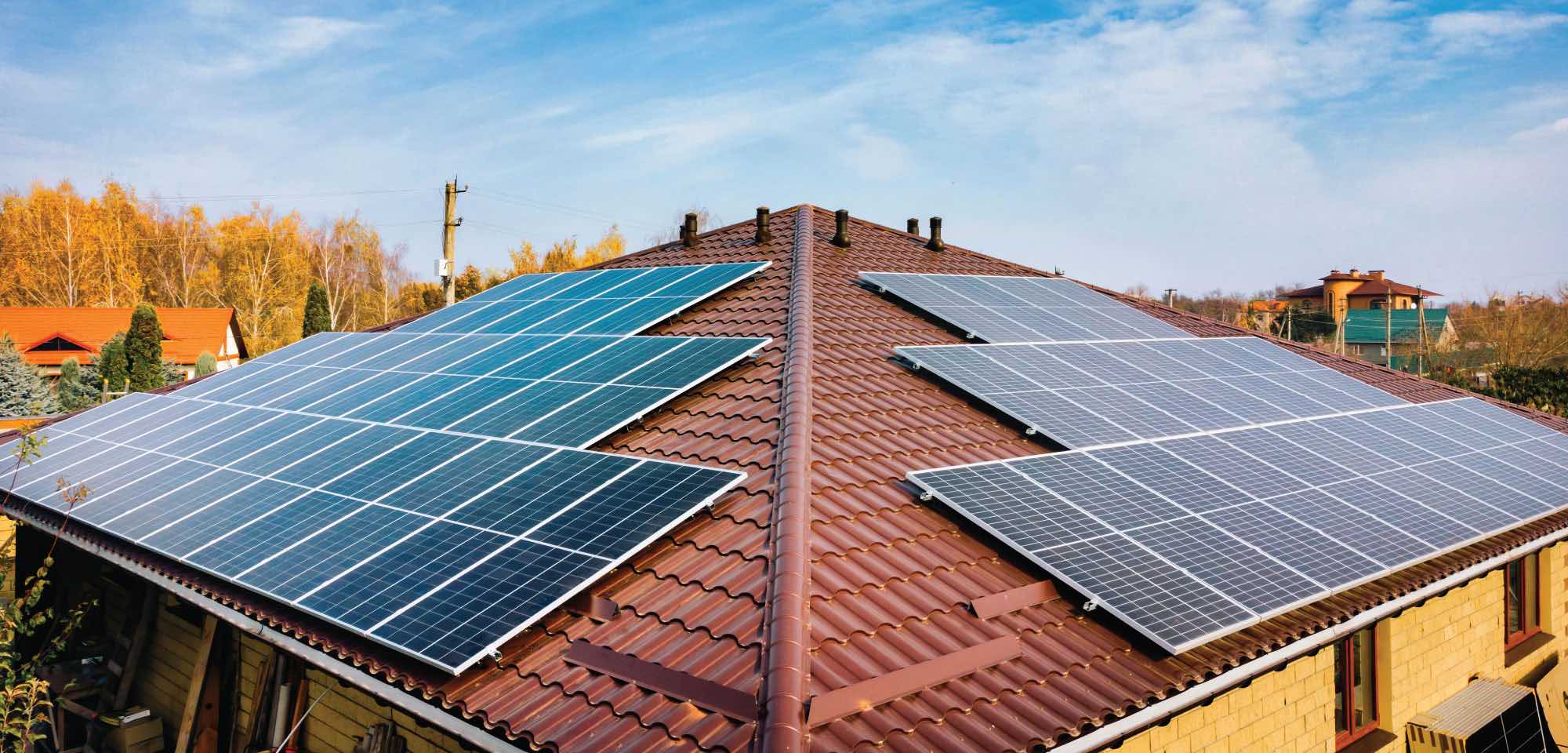
- Solar panels can extend roof life: The panels cover parts of the roof, protecting them from sun, rain, and hail. This can slow aging.
- Roof repairs cost more after panels: If you need to fix your roof later, the panels must be removed and reinstalled. Plan for this when budgeting.
- Panel removal is possible: If you need a new roof, panels can be taken off and put back after repairs. It’s not permanent.
Credit: www.solarreviews.com
Real-life Examples
Sarah had a 10-year-old asphalt roof. She added solar panels, and her roof showed no leaks after five years. The panels even protected her roof from hail damage. Her neighbor, Mike, had a tile roof. He didn’t check his installer, and after a heavy storm, water leaked in.
Mike paid extra for repairs.
Comparing Solar Panel Weight To Roof Load
Some homeowners worry about the weight. Here’s how solar panels compare to common roof loads:
| Item | Weight per sq ft | Roof Load Impact |
|---|---|---|
| Solar Panels | 2–4 lbs | Low impact |
| Snow | 10–20 lbs | Medium impact |
| People (walking) | 150–200 lbs | Short-term, high |
Most roofs handle solar panels easily. If your roof can handle snow, it can handle panels.
Panel Removal And Roof Repairs
If you need a new roof after installing panels, removal is possible. The process involves:
- Removing panels and mounts
- Fixing or replacing roof sections
- Reinstalling panels
This adds cost, but it’s not a disaster. Ask your installer if removal is included in your panel warranty.
Warranty And Insurance Considerations
Solar panels can affect your roof warranty. Some manufacturers void the warranty if holes are drilled. Others allow solar if installers use approved mounts.
Ask your installer:
- Will my roof warranty stay valid?
- What happens if there’s a leak?
- Is panel removal covered in the warranty?
For insurance, tell your provider about new panels. They may adjust your policy. Some insurers cover solar panels as part of the home; others treat them separately.
Maintenance Tips For Roofs With Solar Panels
Keeping your roof safe is simple:
- Inspect panels and mounts every year.
- Check seals for cracks or wear.
- Clean panels to remove dirt, leaves, or snow.
- Call your installer for any leaks or loose mounts.
Many installers offer maintenance plans. This helps prevent small problems from becoming big repairs.
Environmental Impact
Solar panels help the planet, but their installation can affect your roof. Using strong mounts and seals prevents waste from repairs. Panels also keep parts of your roof cooler, reducing air conditioning use.
Credit: www.deschutesroofing.com
Cost Considerations
Adding panels can save money on energy bills. But if your roof is old, you may need repairs first. Always add the cost of possible roof work to your budget.
For example:
- New roof before solar: $8,000–$15,000
- Solar panel install: $12,000–$20,000
- Panel removal for roof repair: $2,000–$4,000
Get quotes from installers and roofers. Ask about package deals.
Signs Of Roof Trouble After Installation
Watch for these warning signs:
- Water stains in your attic or ceiling
- Loose shingles or tiles near mounts
- Panels shifting or rattling in wind
- Mold or musty smell
Call your installer if you see these issues. Fixing small problems early can save your roof.

Credit: nir.com
Frequently Asked Questions
How Can I Tell If My Roof Is Good For Solar Panels?
Check the age and material. If your roof is less than 15 years old and made of asphalt or metal, it’s usually safe. Ask a solar installer for a roof inspection.
Do Solar Panels Cause Roof Leaks?
Not if installed correctly. Leaks happen when mounts are not sealed. Choose a certified installer and ask about their leak prevention steps.
Will I Need To Replace My Roof Before Installing Solar Panels?
If your roof is near the end of its life, yes. Panels last 20–25 years. It’s smart to start with a new roof if yours is old.
Can Solar Panels Be Removed If I Need Roof Repairs?
Yes. Panels can be removed and reinstalled. This costs extra, so ask your installer about removal fees.
Are There Roof Types That Are Bad For Solar Panels?
Tile roofs can be tricky and may crack. Flat roofs need racks instead of mounts. Asphalt and metal are best for solar. For more details, see this U.S. Department of Energy guide.
Final Thoughts
Deciding to install solar panels is a big step. The good news is, your roof is safe if you plan well and use skilled installers. Solar panels can even help protect your roof from weather and sun. But don’t rush—check your roof’s condition, ask about warranties, and keep up with maintenance.
With smart choices, you’ll enjoy clean energy and a strong, healthy roof for years. If you have doubts, talk to roof and solar experts before making your move.