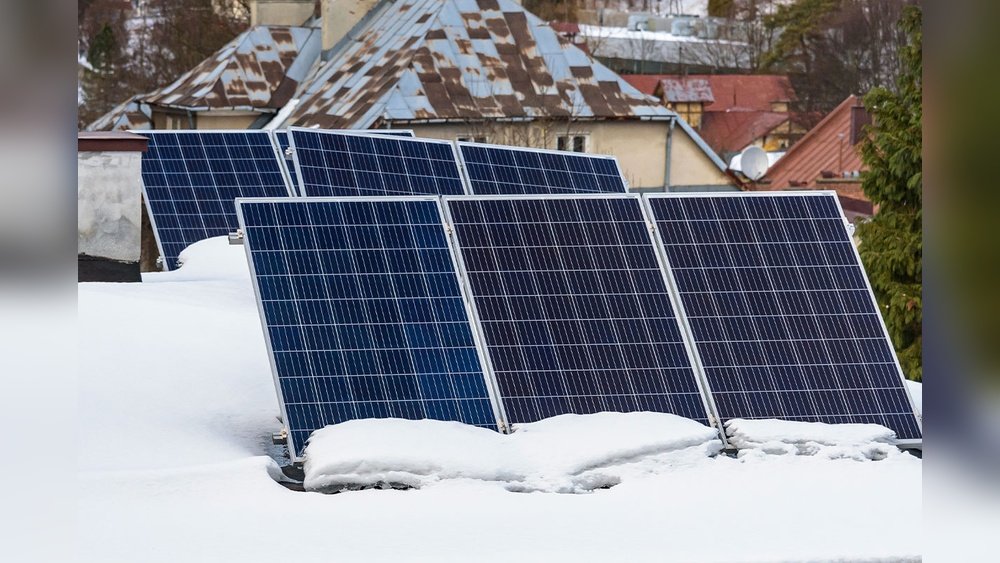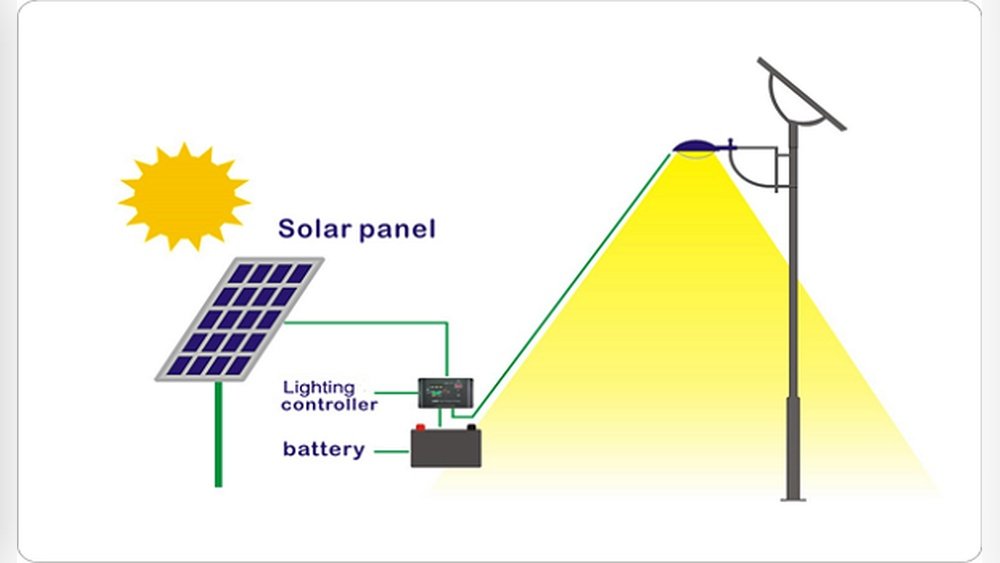

You wake up after a big snowfall and look outside. Your roof is white, and so are your solar panels. You wonder, “Is my system making any energy today? ” Maybe you remember how much you spent on your solar setup.
You want every bit of power, but snow just sits there, blocking the sun. You’re not alone—many homeowners worry about this every winter.
Some people try to brush off the snow with a broom. Others hope the sun will melt it. But what really works? And how can you keep your solar panels clear without climbing onto your icy roof? Let’s break it down together so you can keep your solar investment working, even in snowy weather.
Short Answer: How To Keep Snow Off Solar Panels
The easiest way to keep snow off solar panels is to let gravity and sunshine do the work. Most panels are tilted, so snow usually slides off on its own once the sun comes out. For heavier snow or flat panels, you can use a soft roof rake, install heating systems, or add snow guards to help snow fall safely. Avoid using metal tools or climbing the roof yourself—this can damage the panels or cause injury.
Now, let’s dive deeper into each method and see what really works best for your home and budget.
Why Snow On Solar Panels Is A Real Problem
When snow covers your panels, it blocks sunlight. This means your solar system may produce little or no electricity until the snow melts. For people who rely on solar for most of their energy, this can mean higher electric bills in the winter.
A light dusting of snow usually melts quickly or blows away. But after a heavy storm, thick snow can stay for days. If your panels are on a north-facing roof, or if you live in a cold area, the problem gets even bigger.
Losing several days of solar power each winter adds up over time.
Most Common Ways To Keep Snow Off Solar Panels
There are several methods people use to keep snow off their panels. Some are simple and cheap, while others cost more but work automatically. Below are the top options, with pros and cons for each.
1. Letting Nature Do The Work
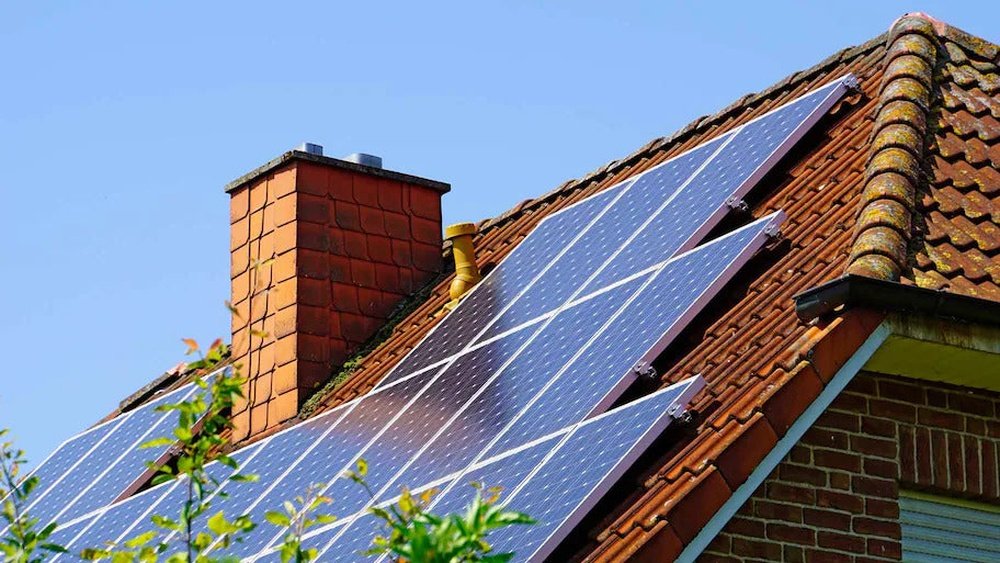
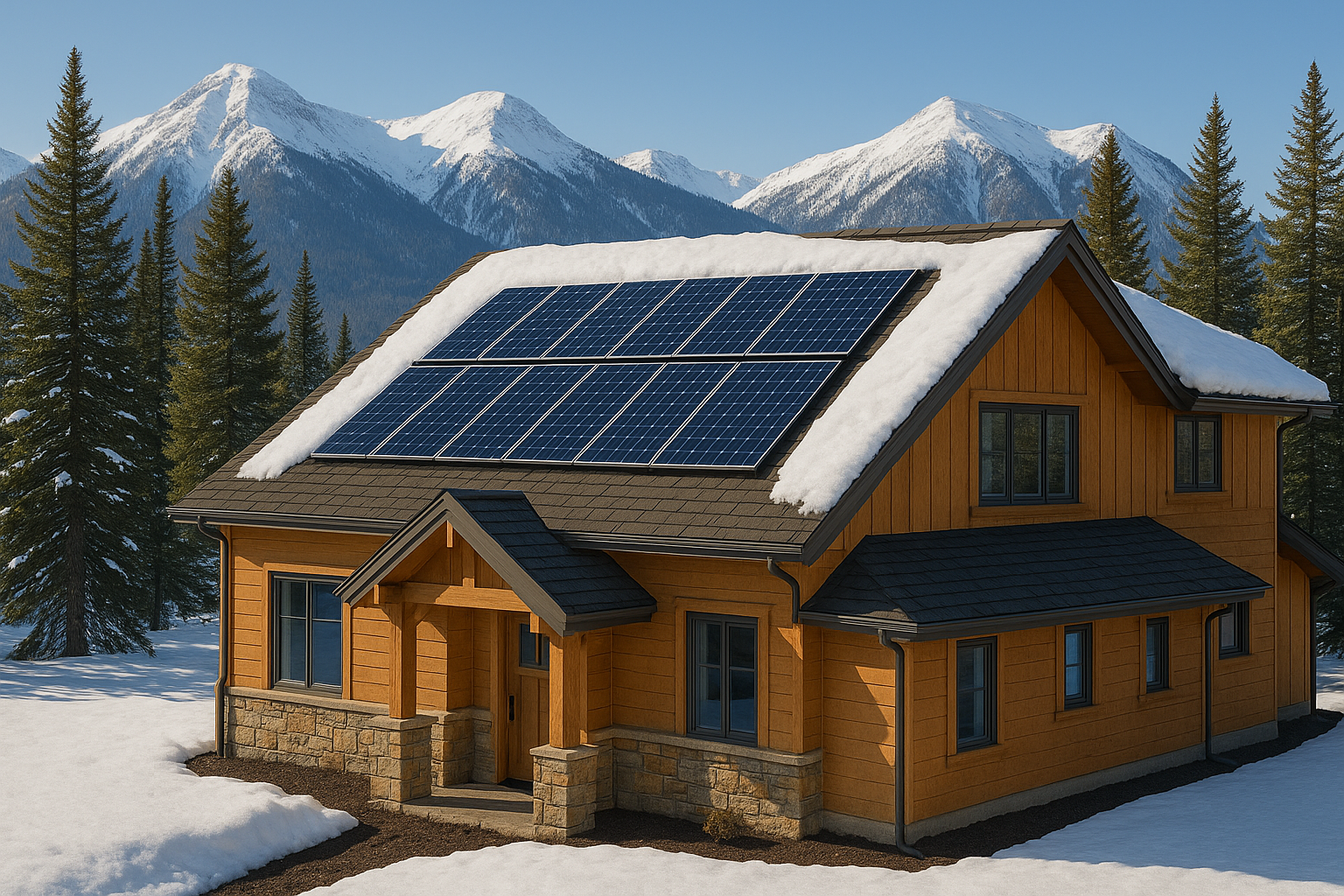
Most solar panels are installed at an angle. When the sun comes out, the panels warm up and snow starts to slide off. Black or dark blue panels absorb heat well, which helps melt snow faster than you might expect—even if the air is cold.
Pros:
- No cost
- No risk of damaging panels
Cons:
- Not effective after heavy, wet snow
- Takes longer on cloudy days or flat roofs
Pro tip: If you can wait a day or two, most snow will clear itself after the sun returns.
2. Soft Roof Rake Or Snow Broom
A soft roof rake or snow broom with a long, extendable handle can help pull snow off panels from the ground. These tools usually have rubber or foam heads that won’t scratch the glass. They’re sold at most hardware stores.
How to use:
- Stand on the ground (never on a ladder or roof).
- Gently pull the snow downward, not across the panels.
Pros:
- Low cost ($30–$80)
- Works fast for panels on low roofs
Cons:
- Hard to reach on tall roofs
- Risk of slipping if not careful
Beginner tip: Never use metal shovels, brushes, or anything sharp. They can scratch the panels and void your warranty.
3. Roof Heating Systems
Roof and panel heating cables are electric wires installed along the edge of your roof or under the panels. When turned on, they warm the surface enough to melt snow and ice. Some solar companies offer special panel heaters.
Pros:
- Melts snow automatically
- Good for flat roofs or stubborn snow
Cons:
- High upfront cost ($500–$2,000)
- Raises your electric bill
Non-obvious insight: Heating systems use more energy than you might think. Weigh the cost against your lost solar production.
4. Snow Guards And Snow Fences
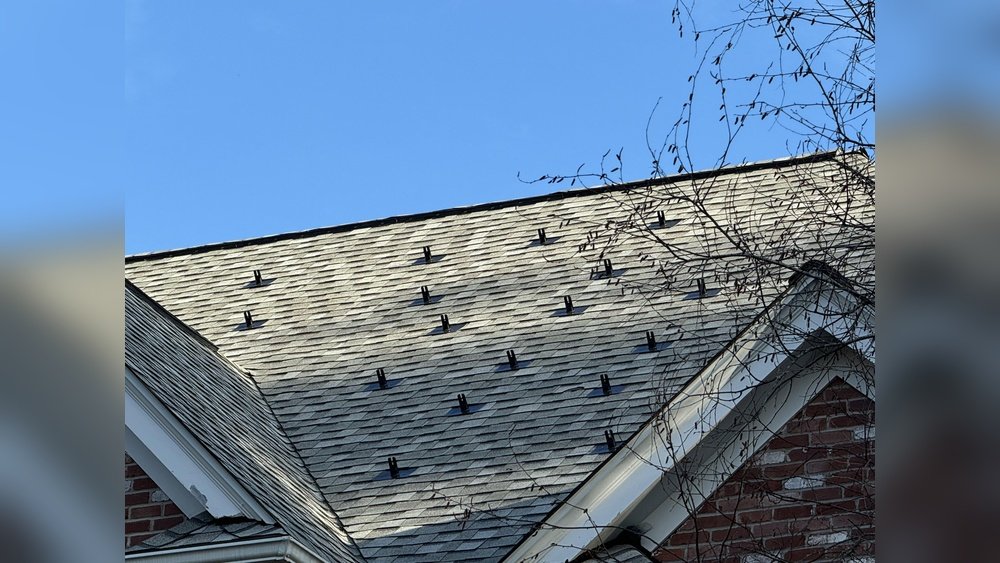
Snow guards are small devices installed on the roof above the panels. They break up large sheets of snow, so it falls in small amounts. This prevents damage from heavy snow sliding off all at once. Snow fences work in a similar way, but are larger and used for bigger roofs.
Pros:
- Protects gutters and people below
- Reduces risk of panel damage
Cons:
- Doesn’t remove snow—just slows movement
- Adds extra roof hardware
Practical tip: Use snow guards if your panels are near walkways or driveways.
5. Solar Panel Coatings
Some companies offer hydrophobic (water-repellent) coatings for solar panels. These coatings make it harder for snow and ice to stick. They’re sprayed on the panel surface and last a few years.
Pros:
- Less snow sticks to panels
- Reduces cleaning needs
Cons:
- Not 100% effective—heavy snow can still build up
- Needs re-application every few years
Mini example: Think of it like “Rain-X” for your car windshield, but for your solar panels.
6. Manual Clearing (with Caution)
If you must clear snow yourself, always use the safest method. Never climb on an icy roof or use harsh tools. Sometimes, a leaf blower can remove light, powdery snow from panels close to the ground.
Pros:
- Quick for small jobs
- No cost if you already have the tools
Cons:
- Not practical for heavy or wet snow
- Can be dangerous
Safety reminder: Many accidents happen when people try to clear roofs after snowstorms. If you are not sure, call a professional.
How Roof Type And Panel Angle Affect Snow
The shape and angle of your roof are big factors in how much snow stays on your panels.
| Roof Type | Snow Shedding | Difficulty to Clear |
|---|---|---|
| Steep (over 30°) | Excellent | Easy |
| Moderate (20°–30°) | Good | Medium |
| Flat (under 10°) | Poor | Hard |
Panels on steep roofs shed snow much faster. If your roof is flat, snow can linger for days. In these cases, panel heaters or manual tools are more important.
Non-obvious insight: South-facing panels clear snow faster than north-facing ones, since they get more sunlight and heat.

Credit: www.ankersolix.com
Comparing Snow Removal Methods
Each method works better in some situations than others. Here’s a quick comparison for easy reference:
| Method | Best For | Cost | Maintenance |
|---|---|---|---|
| Letting Nature | Most homes | Free | None |
| Roof Rake | Low roofs | Low | Low |
| Heating Cables | Flat roofs | High | Medium |
| Snow Guards | Steep roofs | Medium | Low |
| Coatings | All roofs | Medium | Reapply |
When To Clear Snow And When To Wait
You don’t need to clear snow after every little storm. In fact, most solar experts say that lost energy from snow is usually less than 5% per year in most parts of the US. However, if you’re in a region with long, cold winters and lots of snow, it may be worth clearing panels more often.
Key times to act:
- After heavy, wet snow that sticks for days
- If snow covers the panels and the weather will stay cold and cloudy
- If you need every kilowatt for off-grid or critical systems
When to wait:
- Light, fluffy snow
- Warmer, sunny days ahead
- Hard-to-reach roof panels
Mistakes To Avoid
New solar owners sometimes make errors that can damage their panels or even cause injury. Watch out for these common mistakes:
- Using metal tools – These scratch or crack the glass.
- Climbing a snowy roof – Very dangerous, especially in icy conditions.
- Applying hot water – Sudden temperature changes can break the glass.
- Ignoring safety – Always check your footing and surroundings.
- Forgetting about warranties – Some panel makers void your warranty if you damage the surface.
Should You Worry About Lost Solar Power?
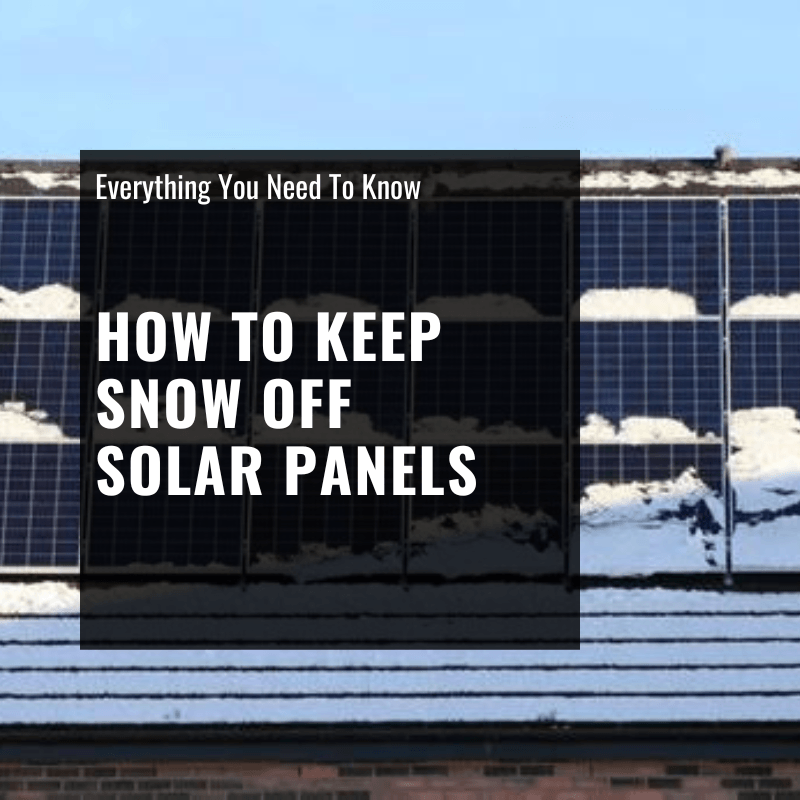
It’s normal to be concerned if your solar panels are covered for a few days. But over the course of a year, most homes lose only a small amount of energy from snow. According to the National Renewable Energy Laboratory, the loss is often less than 5% in most climates. In snowy places like Minnesota, it can be up to 10%, but this is still less than many people expect.
If your electric bill jumps after snowstorms, check your inverter readings. Most solar inverters show daily power output, so you can see how much is being lost.
Credit: shopsolarkits.com
Professional Maintenance And Services
Some solar companies offer professional snow removal. They use special tools and safety gear to clear panels without damage. This is a good choice for steep or high roofs, or if you’re not comfortable doing it yourself.
How it works:
- Schedule after big storms or as needed
- Technicians clear panels safely
- Cost is usually $100–$300 per visit
Tip: Ask your installer about snow and winter maintenance when you sign up for solar.
Diy Solar Panel Snow Removal: Step-by-step
If you decide to clear the panels yourself, follow these steps for safety and best results:
- Check the weather. Wait for clear, calm conditions.
- Use a soft, foam roof rake with a long handle.
- Work from the ground—never climb on the roof.
- Pull snow gently downward, not across the panel.
- Stop if you can’t reach or feel unsafe.
- Inspect panels for damage after big storms.
Example: After a 6-inch snowfall, John uses a 20-foot foam roof rake from his deck to clear the bottom row of panels. He waits for the sun to melt the rest.
Credit: solarspraypro.com
Long-term Solutions For Snowy Areas
If you live in a place with lots of snow, consider these long-term upgrades:
- Install panels at a steeper angle (over 30°) to help snow slide off.
- Ask for all-black panels—they absorb more heat and clear faster.
- Add microinverters so each panel works independently (some power even if one is covered).
- Add monitoring systems to see real-time output and spot problems fast.
Planning ahead can save you from winter headaches and keep your solar investment strong.
Frequently Asked Questions
How Much Energy Do I Lose If Snow Covers My Solar Panels?
Most homes lose less than 5% of yearly solar output due to snow. In snowy places, it might reach 10%, but this is still a small part of your yearly production.
Can I Use Salt Or De-icing Chemicals On My Solar Panels?
No. Salt and chemicals can damage the panel surface and harm your roof. They are not safe for solar panels.
Should I Pay For Professional Snow Removal?
If your panels are hard to reach or you are worried about safety, professional removal is a smart choice. It prevents injury and avoids damage to your system.
Will Insurance Cover Damage From Snow Removal?
Most home insurance covers weather damage, but not damage from improper snow removal. If you scratch or break a panel while clearing snow, you may have to pay for repairs.
Where Can I Learn More About Solar Panel Performance In Winter?
You can read more from the U.S. Department of Energy at energy.gov for detailed research and tips.
Keeping snow off your solar panels is all about safety, smart tools, and patience. With the right approach, you can enjoy worry-free solar power all winter long.