
If you’re thinking about getting solar panels, you probably want to save money and help the planet. But then you hear a warning: “Solar panels can void your roof warranty.” That phrase makes many homeowners pause. You start to imagine leaks, expensive repairs, and the nightmare of fighting with a roofing company or installer. Is this really a risk? Or is it just a myth pushed by people who don’t want you to go solar?
Let’s clear up the confusion. If you’re worried about your roof warranty and solar panels, you’re not alone. Many people have this exact question. The good news is, there’s a straightforward answer—and some practical steps you can take to protect your roof, your warranty, and your investment.
Short Answer
Solar panels do not automatically void your roof warranty. However, if solar panels are installed incorrectly or by someone not approved by your roofing manufacturer, certain parts of your roof warranty can be affected. Most of the time, only the area where the panels are installed is impacted. You can usually protect your warranty by choosing the right installer and following the right process.
Now, let’s dig deeper so you know exactly how to avoid problems.
How Roof Warranties Work
Homeowners often think their roof warranty covers everything for years. In reality, there are two main types:
- Manufacturer’s warranty: Covers roofing materials (like shingles) against defects.
- Workmanship warranty: Covers the quality of the installation, usually from your roofing contractor.
Each has its own rules. For example, a manufacturer may cover your shingles for 20 years against defects, but not against leaks from poor installation. Workmanship warranties are often shorter—sometimes only 2 to 5 years.
Example
Say your shingles start to curl after 10 years due to a factory problem. The manufacturer may pay for new shingles. But if your roof leaks because the installer didn’t seal a flashing, the manufacturer won’t pay—the installer’s warranty might cover it, if it’s still valid.
Why Solar Panels Might Affect Your Warranty
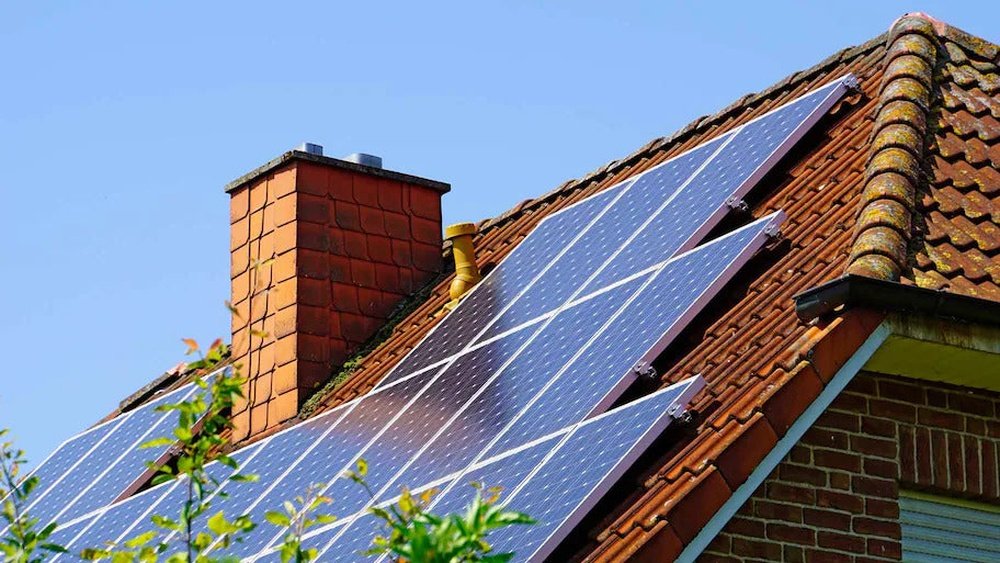
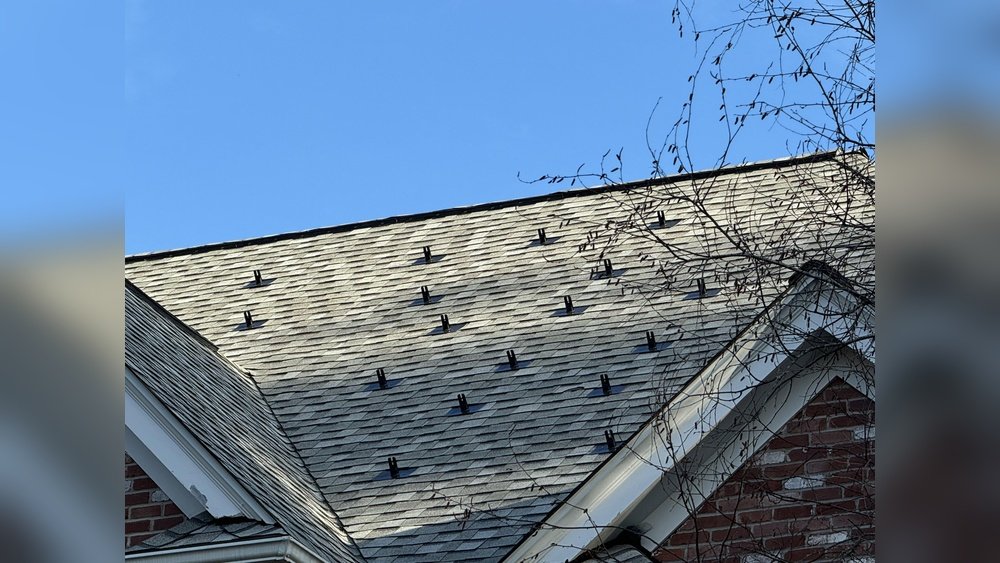
Most roofing warranties have specific conditions. They often say the warranty is void if the roof is modified or penetrated by someone not approved by the manufacturer. Installing solar panels usually means drilling holes for racking systems. This is called “roof penetration.
”
If an installer puts holes in your roof and water gets in, the roofing company might not cover the damage. They could say the problem came from the solar installation, not the roof materials or original workmanship.
Here’s what can affect your warranty:
- Who installs your solar panels (Are they certified by the roofing brand?)
- How the panels are attached (Do they follow manufacturer guidelines?)
- How old your roof is (Warranties often change or expire with age.)
What Actually Happens When You Install Solar Panels
Let’s break down the common scenarios:
1. Professional Installation By Certified Installers
Most reputable solar companies have experience working with different roof types. Some partner with roofing manufacturers or have certification. In these cases:
- The installer follows all guidelines.
- They use approved mounting hardware.
- They seal all penetrations correctly.
Result: Your main roof warranty usually stays valid except, sometimes, in the area under the solar array. Some manufacturers require you to notify them before installation.
2. Installation By Non-certified Installers
If you use a general handyman or someone unfamiliar with roofing, you risk:
- Incorrect mounting methods.
- Poor sealing, leading to leaks.
- Voiding your roof warranty, at least in the area where the work was done.
3. Roof Condition Before Installation
Solar panels last 25 years or more. If your roof is already old or damaged, most solar companies will recommend replacing the roof first. If you install panels on a failing roof, no warranty will cover future problems.

Credit: www.614exteriors.com
Key Factors That Influence Your Warranty
Here’s a simple table comparing the main warranty types and what might void them:
| Warranty Type | Covers | What Can Void It |
|---|---|---|
| Manufacturer’s Warranty | Material defects | Unauthorized roof penetrations, unapproved installers |
| Workmanship Warranty | Installation quality | Third-party modifications, weather damage, neglect |
| Solar Installer’s Warranty | Solar panel installation | Poor roof condition, non-roof related issues |
How To Protect Your Roof And Warranty
You don’t have to choose between solar and your roof warranty. Here’s how you can protect both:
- Read your warranty documents carefully. Look for sections about modifications or “roof penetrations.”
- Ask your solar company if they are certified by your roofing manufacturer. Get proof if possible.
- Contact your roofing manufacturer or installer. Ask if they have specific requirements for solar installations.
- Get everything in writing. If you get approval or guidance, save the emails or letters.
- Ask about extra protection. Some solar installers offer their own “workmanship warranty” for any roof issues caused by their work.
- Consider a roof inspection before installation. This proves your roof was in good condition before work started.
What Installers And Manufacturers Say
Leading roofing brands like GAF, Owens Corning, and CertainTeed have public statements about solar panels and warranties. Here’s a quick comparison:
| Brand | Policy on Solar Installations | Special Requirements |
|---|---|---|
| GAF | Allows, with certified installer | May need GAF-certified solar installer |
| Owens Corning | Allows, with installer approval | Must follow guidelines, notify company |
| CertainTeed | Allows, offers own solar products | Recommends CertainTeed-certified installer |
Tip: Some brands even sell solar shingles, which combine roof and solar in one product, avoiding the problem completely.
Flat Roofs Vs. Pitched Roofs: Any Difference?
Most homes have pitched roofs, but some have flat roofs. Solar can be installed on both, but the attachment methods differ.
- Pitched roofs: Usually need rails or brackets attached to rafters.
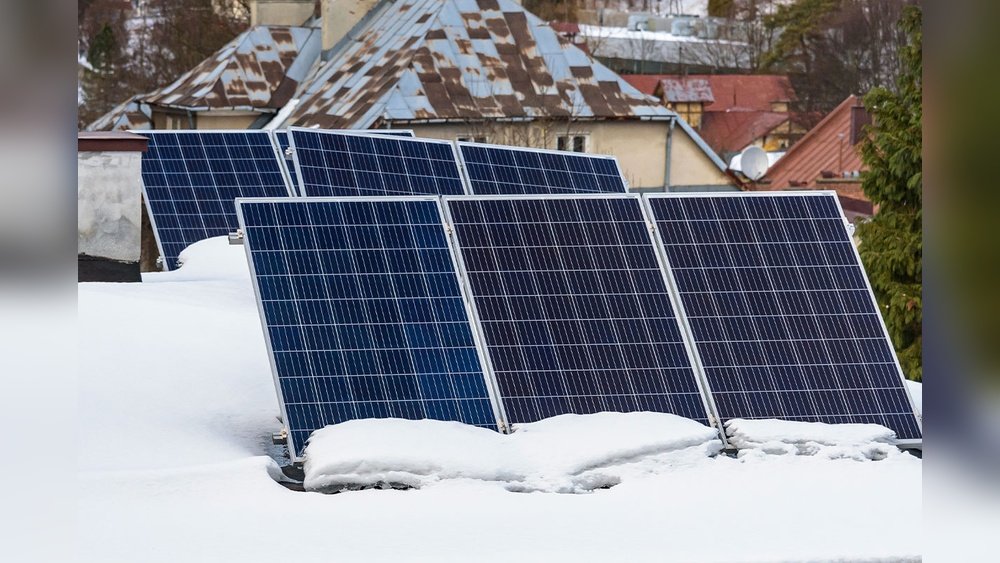
- Flat roofs: Often use ballasted (weighted) systems with fewer penetrations, but sometimes require anchors.
Insight: Flat roof systems can be less risky for warranties because there are fewer holes, but always check your warranty to be sure.

Credit: roofmaxx.com
What Happens If There’s A Leak?
Let’s say you install solar panels and later notice a leak. What should you do?
- Contact your solar installer first. Many offer a warranty on their work.
- Document the problem with photos and notes.
- Check your warranty documents to see who’s responsible.
If the leak is clearly caused by the solar mount, the solar company should fix it. If it’s unrelated, your roofing warranty may still help.
Common mistake: Waiting too long to report a leak can make the problem worse and may hurt your claim.
Should You Replace Your Roof Before Solar?
If your roof is older than 10–15 years, it’s smart to replace it before adding solar. Most asphalt shingle roofs last about 20–25 years. Solar panels can last even longer.
Why replace first?
- You avoid paying to remove and reinstall panels later.
- You keep your warranties in sync.
- Many roofing companies offer a bundled warranty for roof plus solar.
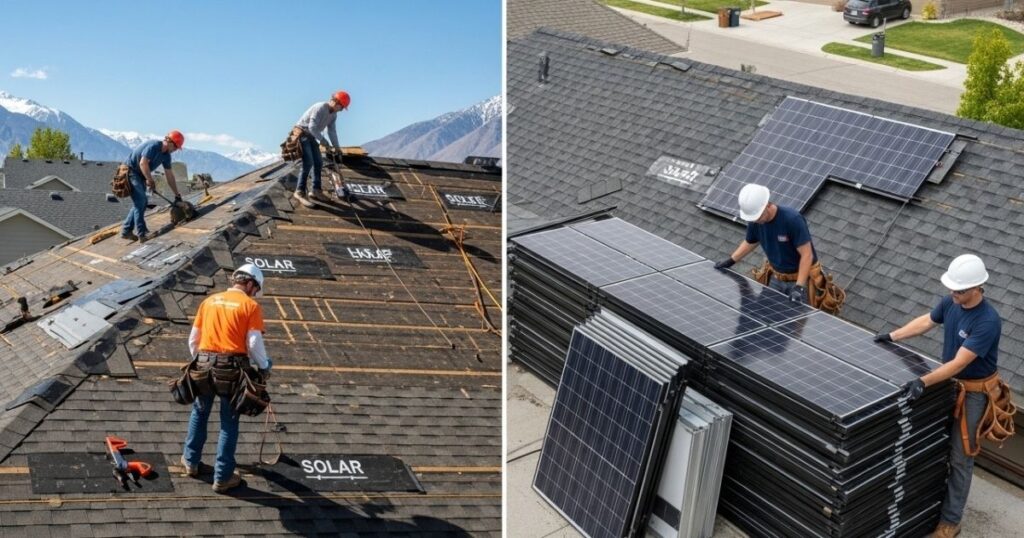
Real-life example: A homeowner installs solar on a 17-year-old roof. Three years later, the roof needs replacing, so they pay extra to remove and reinstall the solar panels. If they’d replaced the roof first, they would have saved money and kept warranties simple.
Credit: swiftsolardr.com
Non-obvious Insights
- Some solar companies work directly with roofing manufacturers to offer a combined warranty. This means one company covers both the roof and solar if there’s a problem.
- Certain local codes or homeowners associations may require that only certified installers work on your roof. Ignoring this can void not just your warranty, but also local compliance.
What About Leases Or Power Purchase Agreements?
If you lease your solar panels or sign a power purchase agreement (PPA), check your contract. Some companies take responsibility for the roof area under the panels, but others don’t. Always ask:
- Who pays if there’s a leak?
- Who handles warranty claims?
- Is extra roof coverage included?
Never assume everything is covered—ask for details in writing.
When Solar Panels Might Not Void Your Warranty
There are cases where solar panels have little or no effect on your roof warranty:
- No-penetration systems: Some solar setups use special clamps or ballast weights and never drill into the roof.
- Integrated solar shingles: These replace your roof material, so the warranty is for both.
- Manufacturer-approved installers: Following all rules usually keeps your warranty safe.
What To Do Before Signing A Solar Contract
Here’s a quick checklist to help you:
- Check your roof age and condition.
- Read your roof warranty documents closely.
- Ask your solar installer about their experience with your roof type.
- Request proof of certification or approval from your roofing manufacturer.
- Get documentation on any extra warranties offered.
- Ask about leak coverage and who pays for repairs.
- Confirm if a roof inspection is included.
When To Involve Your Insurance Company
Your homeowner’s insurance can sometimes help if there’s a problem, but only if you follow the right process. Some insurers want to know before you add solar panels. If you skip this step, you might risk coverage for future claims.
Tip: Call your insurance agent before installation. Ask if your policy needs updating or if extra coverage is needed.
Final Thoughts
Solar panels are a great way to lower your energy bills and help the environment. But your roof is one of the biggest parts of your home’s value. The key is to protect both. By choosing certified installers, reading your warranty carefully, and keeping good records, you can get solar panels without risking your roof warranty. And if you’re ever unsure, talk to your roofing manufacturer or installer—they’ll help you make the right choice.
For more details on solar and roof warranties, you can check out this helpful guide from the U.S. Department of Energy.
Frequently Asked Questions
Does Installing Solar Panels Always Void My Roof Warranty?
No, installing solar panels does not always void your roof warranty. It depends on the installer, the roofing materials, and if you follow the warranty’s rules. Most problems come from poor installation or not using approved installers.
What Should I Ask My Solar Installer About Roof Warranties?
Ask if they are certified by your roofing manufacturer, what kind of roof warranty impact there might be, and if they provide a workmanship warranty for their part of the job.
If My Roof Leaks After Solar Is Installed, Who Is Responsible?
Usually, the solar installer is responsible if the leak is caused by their work. If it’s a defect with the roofing materials, your manufacturer’s warranty may help. Always check both warranties and contact your installer first.
Should I Replace My Roof Before Adding Solar Panels?
If your roof is over 10–15 years old, it’s smart to replace it first. This reduces the risk of leaks, keeps your warranty valid, and avoids extra costs later.
Can I Install Solar Panels Myself To Save Money?
It’s not recommended. DIY installation often voids the roof warranty and can lead to leaks or other problems. Certified professionals know how to install panels without damaging your roof.