
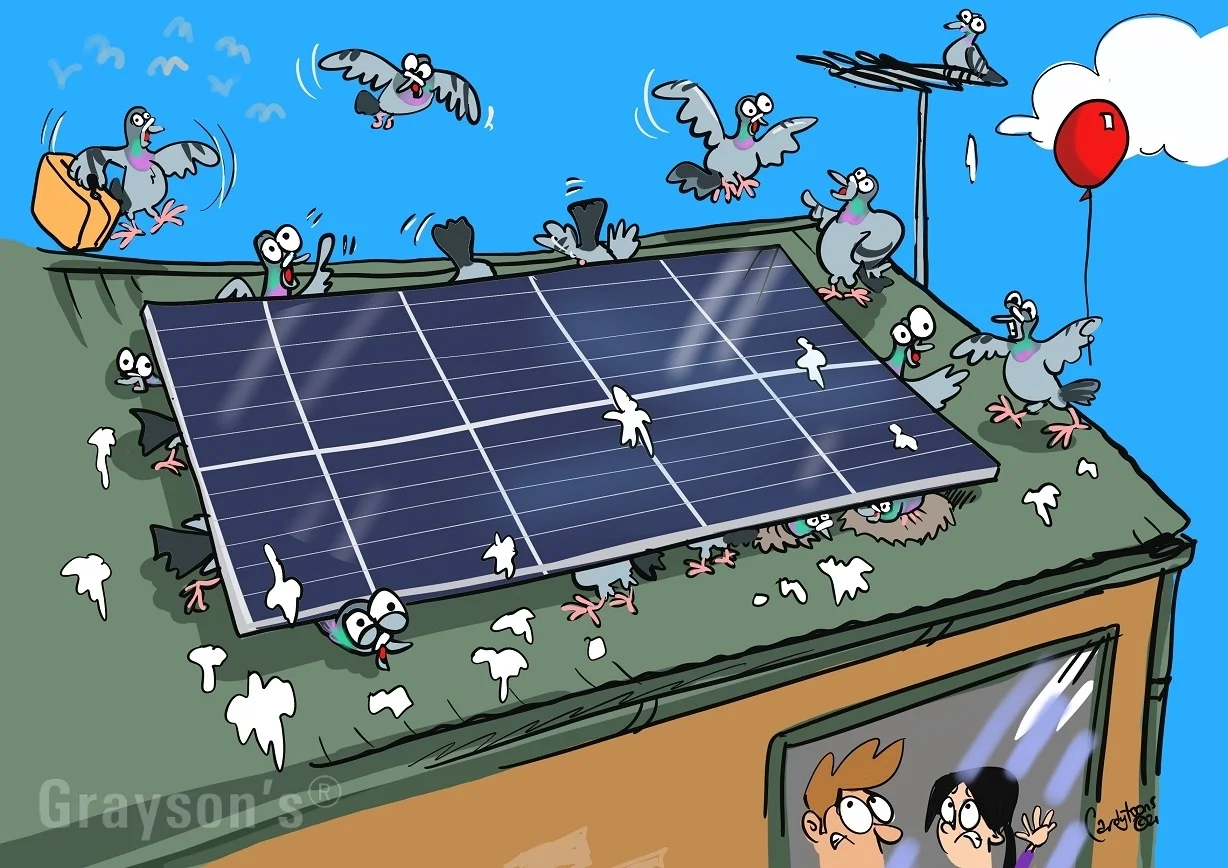
Have you ever looked up at your solar panels and noticed birds nesting under them, leaving droppings, or making loud noises? Maybe you felt frustrated because your investment in clean energy is being spoiled by these unexpected guests. Many people think birds are harmless, but their presence can cause real problems for your solar panels.
They can reduce efficiency, damage wiring, and even lead to costly repairs.
If you’re wondering how to protect your solar panels from birds, you’re not alone. This is a common issue for homeowners and businesses. The good news: you can keep birds away without harming them or your solar panels. Let’s break down exactly what works, what doesn’t, and how to fix the problem for good.
Short Answer
To keep birds away from your solar panels, you need a mix of physical barriers, smart deterrents, and regular cleaning. The most reliable methods include mesh netting, bird spikes, and professional cleaning. Avoid fake owls and loud noises—they rarely work long-term. With the right approach, your panels will stay clean and efficient.
Why Birds Target Solar Panels
Birds like solar panels for simple reasons. The space under the panels is warm, dry, and safe from predators. It’s a perfect spot for nesting, especially for pigeons and sparrows. Droppings can pile up fast, blocking sunlight and reducing your energy output.
One study found that bird droppings can cut panel efficiency by up to 12%. Nest materials can also clog drainage, creating water damage. Birds peck at wires, causing electrical faults. These issues cost money and lower your panels’ lifespan.
Signs Birds Are Damaging Your Panels
- Nesting materials under or around panels
- Bird droppings on panels and roof
- Unusual noises, especially early morning
- Damaged wires or insulation
- Water pooling near panels
If you notice these, it’s time to act. Waiting only makes the damage worse.
Effective Ways To Keep Birds Away
Let’s break down each solution, from most effective to least.
1. Mesh Netting
Mesh is a physical barrier that stops birds from accessing the space under your panels. It’s made of strong metal or plastic. Installers attach it around the edges of each panel. Birds can’t get in, and the mesh doesn’t block sunlight.
- Lasts 5–10 years
- Works for all climates
- Safe for birds
Mesh is the top choice for most solar owners. You can hire a pro or buy DIY kits.
2. Bird Spikes
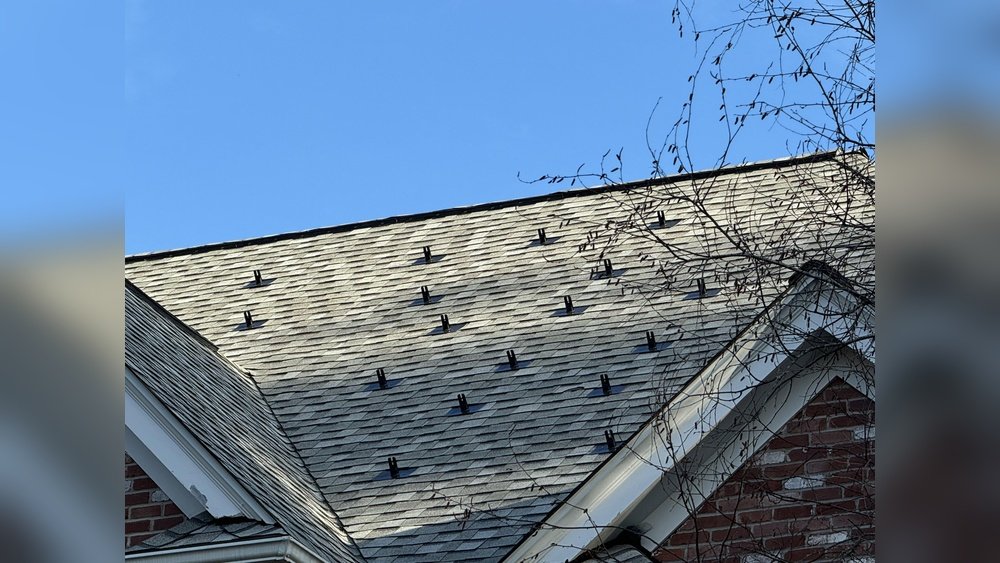
Bird spikes are strips with thin metal or plastic rods. They’re placed along panel edges and roof ridges. Birds see the spikes and avoid landing.
- Easy to install
- Affordable
- Doesn’t harm birds
Spikes work well for pigeons and larger birds. For smaller birds, mesh is better.
3. Solar Skirts
Solar skirts are panels installed around the edges of your solar array. They block access and give a finished look.
- Prevent nesting
- Improve appearance
- Require professional installation
Skirts are less common but effective, especially for larger systems.
4. Ultrasonic Repellers
Ultrasonic devices emit high-frequency sounds. Humans can’t hear them, but birds dislike the noise.
- Easy to install
- Good for open areas
- Mixed results
Some birds ignore these devices after a few days. Use them with physical barriers for best results.
5. Visual Deterrents
Fake owls, shiny tape, or spinning objects can scare birds for a short time.
- Cheap
- Easy to place
- Only temporary
Birds quickly learn these are not real threats. Use visual deterrents as a first step, not your main solution.
6. Regular Cleaning
Cleaning removes droppings and nest materials. It also discourages birds from returning.
- Boosts efficiency
- Prevents build-up
- Needs monthly attention
If you see droppings, clean them with water and mild soap. Avoid harsh chemicals—they can damage panels.
Comparing Bird Deterrent Methods
Here’s a quick comparison of the main methods:
| Method | Effectiveness | Cost | Longevity |
|---|---|---|---|
| Mesh Netting | Very High | $$ | 5–10 years |
| Bird Spikes | High | $ | 3–5 years |
| Solar Skirts | High | $$$ | 8–10 years |
| Ultrasonic Repellers | Medium | $ | 1–2 years |
| Visual Deterrents | Low | $ | 1 year |
How To Install Bird Protection
Let’s walk through the steps for installing mesh netting, the most popular method.
- Choose the right mesh: Look for UV-resistant and weatherproof mesh. Metal mesh lasts longer than plastic.
- Measure your panels: Make sure you buy enough mesh to cover all sides.
- Clean the area: Remove any nests or droppings before installation.
- Attach mesh: Use clips or ties to secure mesh to the panel frame. Avoid drilling into panels.
- Check for gaps: Birds can squeeze through small spaces. Seal all openings.
You can do this yourself, but professional installers work faster and guarantee a tight fit.
Maintenance Tips
Keeping birds away is not a one-time fix. You need regular checks and cleaning.
- Inspect mesh and spikes twice a year
- Remove fallen leaves and debris
- Wash panels with soft water and mild soap
- Look for signs of new nests
If you see damage, repair it quickly. Birds return if barriers break.
What Not To Do
Some solutions seem easy but cause more problems.
- Don’t use sticky gels. They can harm birds and damage panels.
- Don’t block airflow under panels. Panels need cooling to work well.
- Don’t use poison. It’s dangerous, illegal, and unnecessary.
Quick fixes often lead to bigger headaches. Physical barriers and cleaning are safer and more reliable.
Professional Vs Diy Solutions
Let’s compare doing it yourself versus hiring a pro:
| Option | Time Required | Cost | Quality | Safety |
|---|---|---|---|---|
| DIY | 2–4 hours | Low | Good | Risk of falls |
| Professional | 1–2 hours | Higher | Excellent | Safe |
If you’re comfortable on a ladder, DIY saves money. If not, professionals offer safety and warranty.
Costs And Savings
Bird protection is an investment. Here’s what to expect:
- Mesh netting: $200–$500 for a typical home system
- Bird spikes: $100–$300
- Cleaning: $50–$150 per session
- Professional installation: $300–$800
The cost to fix bird damage can be much higher. A single nest can lead to $1000+ in repairs. Protecting your panels pays off quickly.

Credit: www.youtube.com
Hidden Problems Beginners Often Miss
- Blocked drainage: Nest materials clog water paths under panels. Water pools and causes roof leaks.
- Wire damage: Birds chew insulation, leading to short circuits. This is often hidden and costly to fix.
Many people focus only on droppings, but nests and chewing are bigger threats. Check under panels for hidden nests and loose wires.
Common Mistakes
- Using only visual deterrents
- Ignoring small birds
- Not cleaning before installing mesh
- Leaving gaps in barriers
Small details matter. Even tiny birds can cause big problems. Make sure your barriers are complete and your panels are clean.
Credit: graysonsgutterguard.com.au
Real Example: Homeowner Success
Maria, a homeowner in California, noticed her solar panels producing less power. She found pigeons nesting underneath. After installing mesh netting and regular cleaning, her panels returned to full efficiency. She saved $400 in repairs and saw a 10% jump in energy output.
Environmental Impact
Protecting your panels also protects birds. Mesh and spikes keep birds safe and away from dangerous electrical parts. Avoiding chemicals and poisons helps local wildlife. You can have clean energy and healthy birds at the same time.
Where To Find Reliable Products
Choose products tested for solar use. Look for UV resistance and weatherproof materials. For trusted information, check US Department of Energy. They offer guides and tips for solar owners.
Frequently Asked Questions
How Often Should I Clean My Solar Panels?
Clean them at least once a month if you see bird droppings. If your area has lots of birds, clean every two weeks. Clean panels make more energy.
Will Mesh Netting Block Sunlight Or Lower Efficiency?
No. Mesh is designed to sit below the panels. It doesn’t block sunlight or affect your power output.
Is It Safe To Install Bird Barriers Myself?
It’s safe if you use proper ladders and tools. If you’re not comfortable with heights, hire a professional. Safety should always come first.
Are Ultrasonic Repellers Effective?
They work for some birds, but not all. Birds can get used to the sound. Use ultrasonic devices along with physical barriers for best results.
What Should I Do If Birds Have Already Nested Under My Panels?
Remove nests carefully. Clean the area and install mesh or spikes right away. If nests are large, call a professional for safe removal.
Keeping birds away from your solar panels doesn’t have to be stressful. With smart barriers, regular cleaning, and careful installation, you’ll protect your panels and enjoy maximum energy output. Small efforts now prevent big problems later. Your solar investment—and the birds—will thank you.

Credit: malumltd.co.uk