
Many people wonder if their solar panels are working well, especially when clouds cover the sky or the sun isn’t shining bright. Maybe you are thinking about getting solar panels, but you worry about how much sunlight your roof gets. Or you already have panels, and you notice that some days are cloudy, rainy, or even snowy. Will your panels still produce power? This confusion is common. You are not alone. Let’s clear up the facts and help you understand what really matters for solar panels and sunlight.
Short Answer
Solar panels work best with direct sunlight, but they do not need it all the time. They can still make electricity with indirect sunlight, like when it is cloudy or shady. However, the amount of power drops when sunlight is less strong.
How Solar Panels Work
Solar panels use photovoltaic cells to turn sunlight into electricity. When sunlight hits these cells, they create a flow of energy called electric current. The stronger the sunlight, the more electricity is made.
But sunlight can be direct or indirect. Direct sunlight comes straight from the sun. Indirect sunlight comes from the sun, but is scattered by clouds or reflected off surfaces like walls, water, or snow.
Direct Vs Indirect Sunlight
Let’s compare how panels perform under different sunlight types.
| Sunlight Type | Power Output | Common Conditions |
|---|---|---|
| Direct Sunlight | 100% (maximum) | Clear sunny days |
| Indirect Sunlight | 30-60% (reduced) | Cloudy, shade, foggy |
| Low Light | 10-25% (minimal) | Dawn, dusk, heavy clouds |
On a bright sunny day, panels can reach their full output. When it’s cloudy, they may produce only half or less of their maximum power.
Do Solar Panels Work On Cloudy Days?
Solar panels do work on cloudy days, but less efficiently. Clouds scatter sunlight, so the panels get indirect light. Studies show panels may produce 10–25% of their rated power on a very cloudy day, and up to 60% if the clouds are thin.
Here’s an example:
- On a sunny day, a 300-watt panel can make close to 300 watts.
- On a cloudy day, the same panel may only make 90–180 watts.
This means that even in places with many cloudy days, solar panels can still be useful.
Shade And Obstructions
Shade is a common concern. Trees, buildings, or even dust can block sunlight. If part of a panel is shaded, its output drops sharply. Some systems use micro-inverters or optimizers to reduce losses from shade.
Here’s how shading affects output:
| Shading Level | Estimated Output Loss |
|---|---|
| No Shade | 0% loss |
| Partial Shade | 20-40% loss |
| Full Shade | 80-100% loss |
If you plan to install panels, try to find a spot with little or no shade, especially during midday.
Credit: shopsolarkits.com
Solar Panel Placement And Angle
The position and angle of your panels matter a lot. Panels facing south (in the Northern Hemisphere) get the most sunlight all year. The tilt angle should match your latitude for the best results.
Small changes in angle can change how much sunlight hits the panel. For example, a panel flat on the ground gets less sunlight than one tilted at the right angle.
Example: Panel Angle Effect
If you live at 40° latitude (like New York), tilting your panel at 40° will collect more sunlight than laying it flat.
Solar Panels In Different Climates
Some people think solar panels only work in hot, sunny places. This is not true. Panels can work in colder or cloudy areas, but you may need more panels to get the same amount of power.
Here’s a comparison:
| Location | Sunny Days/Year | Average Output |
|---|---|---|
| Arizona | 300 | High |
| Seattle | 150 | Medium |
| Germany | 120 | Medium |
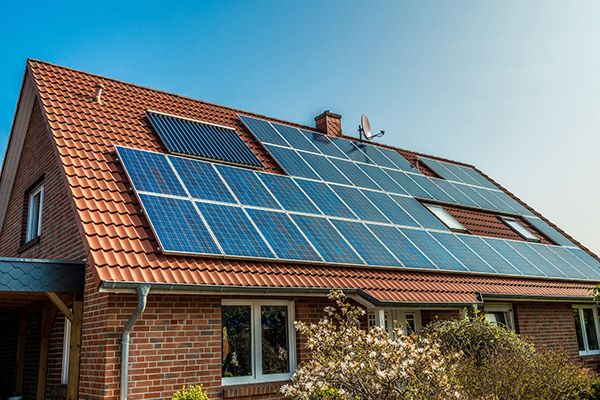
Germany is a good example. It has fewer sunny days than Arizona, but it’s a leader in solar power because panels still work well with indirect light.
Credit: regenpower.com
Non-obvious Insights: What Beginners Often Miss
- Temperature doesn’t equal performance. Many people think hot weather means more power. Actually, panels work better in cool conditions. Extreme heat can lower efficiency.
- Reflected sunlight can help. Snow, water, or light-colored surfaces can reflect extra sunlight onto panels. This can boost output on some winter days, even if the sun is low.
Common Mistakes And Solutions
- Placing panels under trees: This causes shade and drops output. Always check for shade at different times of day and year.
- Ignoring panel angle: Flat panels can lose up to 25% of their output compared to tilted ones.
- Not cleaning panels: Dirt and dust block sunlight. Clean panels every few months for best results.
- Overestimating cloudy day output: Panels make less power in clouds. Plan your system size based on local weather.
Does Solar Panel Work At Night?
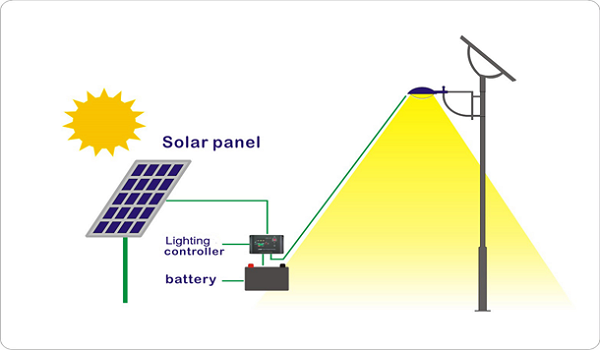
Solar panels need sunlight, so they do not make electricity at night. Many homes use solar batteries to store power made during the day for use at night. The grid can also supply power when the sun is down.
Real-world Example
Imagine you live in New York City. You have a rooftop solar system. On a sunny day, your panels make enough power for your home. On a cloudy day, output drops, but you still get some electricity. At night, you use stored power or buy from the grid.
How To Maximize Solar Panel Output
Follow these tips to get the most from your solar panels:
- Install panels where they get full sun from 10 AM to 2 PM.
- Tilt panels to match your latitude.
- Avoid shade from trees, buildings, or chimneys.
- Clean panels regularly.
- Use micro-inverters or optimizers for shaded areas.
- Choose high-quality panels with good low-light performance.
Solar Panels And Weather Changes
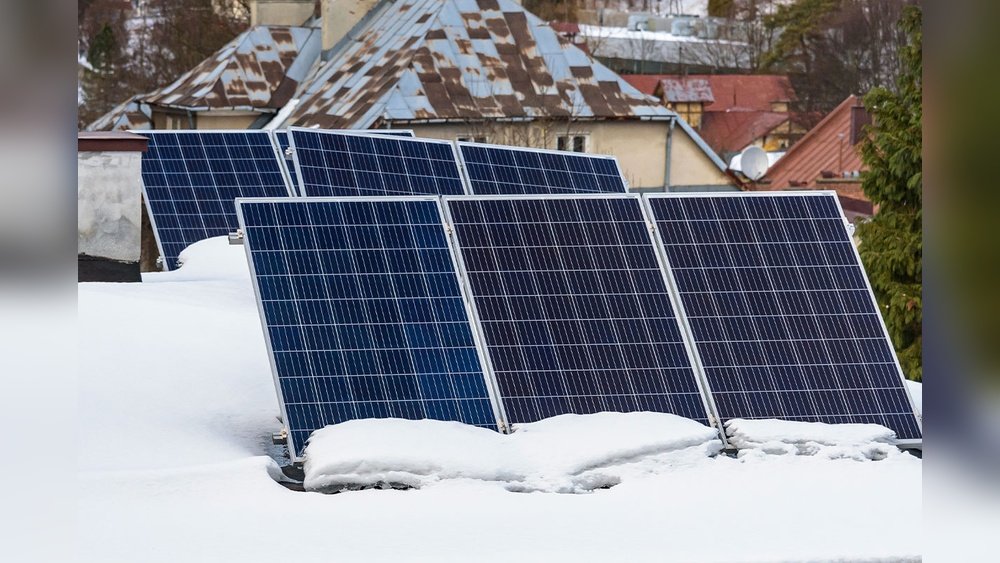
Weather affects panel output. Rain, snow, or dust can block sunlight. After rain or snow, clean panels for best results. Panels are designed to work in many conditions, but weather changes will impact the amount of electricity made.
Credit: www.aidot.com
Solar Panel Types: Which Are Best For Low Light?
Not all panels are the same. Some types perform better in low light.
- Monocrystalline panels: Best for direct sunlight, but still work in low light.
- Polycrystalline panels: Slightly less efficient, but cheaper.
- Thin-film panels: Better for cloudy or shady places, but need more space.
Panel Type Comparison
| Panel Type | Efficiency | Low Light Performance |
|---|---|---|
| Monocrystalline | High (18-22%) | Good |
| Polycrystalline | Medium (15-17%) | Fair |
| Thin-film | Low (10-13%) | Best |
If your area has many cloudy days, consider thin-film panels. But remember they take up more space.
Practical Tips For Choosing Solar Panels
When picking panels, focus on:
- Efficiency: Higher numbers mean more power in less space.
- Low-light rating: Ask your installer about this.
- Warranty: Good panels have 20–25 years warranty.
- Local weather: Check how many sunny days you get.
Avoid buying panels just because they are cheap. Quality matters more in real-world conditions.
Solar Panel Myths And Facts
Let’s clear up some myths:
- Myth: Panels need direct sunlight all the time.
- Fact: Panels work with indirect sunlight, but less power.
- Myth: Solar doesn’t work in cold climates.
- Fact: Panels work better when cool. Only sunlight matters.
- Myth: Solar is useless on cloudy days.
- Fact: Panels still produce some power, even in clouds.
Solar Panel Performance: Data And Stats
According to the National Renewable Energy Laboratory, solar panels in the US average 15–30% of their rated power on cloudy days. Germany, with only 120 sunny days per year, still gets over 40% of its electricity from solar.
For more in-depth data, see this Energy.gov article.
Frequently Asked Questions
Do Solar Panels Need Direct Sunlight To Work?
No. Solar panels work with both direct and indirect sunlight. Direct sunlight gives maximum power, but panels still produce electricity when it’s cloudy or shady.
How Much Power Do Panels Make On Cloudy Days?
Panels typically make 10–60% of their max power, depending on how thick the clouds are. Light clouds allow more power than dark, thick clouds.
Can I Use Solar Panels In Cold Or Snowy Places?
Yes. Panels work anywhere there is sunlight. Snow can reflect extra light onto panels, but heavy snow on panels blocks output. Panels often perform better in cool temperatures.
Do Panels Work At Night?
No. Solar panels need sunlight. At night, you use stored energy from batteries or buy from the electric grid.
What Happens If My Panels Are Shaded?
Shaded panels make much less power. Try to install panels where there is no shade during peak sun hours. Micro-inverters or optimizers can help reduce losses if shade is a problem.
Solar panels are a smart choice for many homes, even in places with less direct sunlight. They work best in bright sun, but you do not need perfect conditions to benefit. With the right setup and a little planning, you can enjoy clean energy all year round.