
Many small and medium businesses (SMBs) dream of lowering their energy bills. You see solar panels on other rooftops and wonder, “Can I really afford that? ” Maybe you’ve heard about tax credits or loans but feel lost in the details.
The truth is, the path to financing solar isn’t always clear. Some owners pay too much up front, while others miss out on options that could make solar affordable right now.
If you’re confused about solar panel financing for your business, you’re not alone. Let’s cut through the noise. This guide shows you how real SMB owners solve this puzzle—and how you can, too.
Short Answer: The Quickest Way To Start
The fastest way for most SMBs to finance solar panels is through a solar loan or a solar lease/Power Purchase Agreement (PPA). These let you install panels with little or no money down. You pay monthly—often less than your current electricity bill. Tax credits and local incentives can cut your costs further. For the best results, compare at least two financing options and talk to your bank or a solar provider.
Now, let’s break down each option so you can find the right fit for your business.
Why Solar Makes Sense For Smbs
Switching to solar is more than a green move. It’s a smart way to control costs. Most businesses see:
- Lower energy bills (often 30–50% less)
- Protection from rising utility rates
- Enhanced brand image with eco-friendly practices
- Increased property value
For example, a small store in Texas installed a 20 kW solar system. Their monthly bill dropped from $800 to $400. Over 10 years, they saved nearly $50,000—even after loan payments.
The main challenge? Upfront costs. That’s where financing comes in.
Credit: brightpathassociates.com
Main Ways To Finance Solar Panels For Smbs
Here’s what you need to know about the top options.
1. Solar Loans
Solar loans let you own the panels while spreading payments over time. You borrow from a bank, credit union, or specialized solar lender. Most loans require no collateral other than the equipment.
Pros:
- You own the system and claim all tax credits.
- Fixed monthly payments.
- No large upfront outlay.
Cons:
- You are responsible for maintenance.
- Approval depends on credit score and business financials.
Typical terms:
5–20 years, 4–8% interest rates.
Mini example:
A bakery takes a $50,000 solar loan for 10 years at 6%. Monthly payment: about $555. Energy savings: $600/month. Net monthly gain: $45.
2. Solar Leases And Ppas
With a solar lease, you pay a fixed monthly fee to use panels owned by a third party. With a PPA, you pay for the power produced—not the panels.
Pros:
- No upfront cost.
- Maintenance is included.
- Simple contracts.
Cons:
- You don’t own the system.
- Fewer tax benefits.
Lease example:
A small clinic signs a 15-year lease. They pay $300/month (less than their old $400 bill). The solar company handles repairs.
3. Commercial Property Assessed Clean Energy (c-pace)
C-PACE lets you pay for solar panels through an additional property tax assessment. The loan is tied to your building, not your business.
Pros:
- Long terms (up to 25 years).
- No upfront cost.
- Loan transfers if you sell the property.
Cons:
- Only available in some areas.
- Approval requires local government participation.
Mini example:
A warehouse uses C-PACE to finance $100,000 in solar upgrades. Payments are $6,000/year added to property taxes.
4. Sba Loans
The U.S. Small Business Administration (SBA) offers 504 and 7(a) loans. These can cover solar systems as part of building improvements.
Pros:
- Lower interest rates.
- Flexible terms.
Cons:
- Application can take longer.
- More paperwork.
Mini example:
A restaurant uses an SBA 504 loan to add solar during renovations. Rate: 5%. Term: 20 years.
5. Cash Purchase
Some owners choose to pay in full, often using business savings or a line of credit.
Pros:
- Maximum long-term savings.
- All tax credits apply.
Cons:
- High upfront cost.
- Capital is tied up.
Mini example:
A print shop pays $40,000 cash for solar. No loan payments. Break-even in 6 years.
Comparing Financing Options
To make your choice easier, here’s a clear comparison:
| Option | Upfront Cost | Ownership | Tax Incentives | Typical Term |
|---|---|---|---|---|
| Solar Loan | Low/None | Business | Yes | 5–20 yrs |
| Lease/PPA | None | Third Party | No (usually) | 10–25 yrs |
| C-PACE | None | Business | Yes | 10–25 yrs |
| SBA Loan | Low/None | Business | Yes | 10–25 yrs |
| Cash | High | Business | Yes | — |
How To Choose The Right Financing For Your Smb
Here’s a simple step-by-step approach.
Step 1: Check Your Business Profile
- Is your business profitable and stable?
- Do you own your building?
- What’s your credit score?
Tip: If you rent, leases or PPAs are often easier. If you own, loans or C-PACE give more benefits.
Step 2: Estimate Solar Costs And Savings
Ask a few local installers for quotes. Most will give free estimates. Look for these numbers:
- Upfront system cost
- Expected annual savings
- Payback period
Practical insight: Always ask what happens if you move or sell the business. Some contracts are easy to transfer; others are not.
Step 3: Compare Offers
Don’t take the first deal. Get at least two quotes. Compare:
- Total cost over 10–20 years
- Who owns and maintains the system
- Early buyout options
Step 4: Check Incentives
The federal government offers a 30% Solar Investment Tax Credit (ITC) for most businesses. Many states add rebates or credits.
Example:
A $50,000 system qualifies for a $15,000 federal tax credit.
Step 5: Understand Loan Terms
Look at:
- Interest rate (lower is better)
- Loan term (shorter means higher payments)
- Fees (some lenders charge extra)
Step 6: Get Legal Advice
Before signing, ask a lawyer or accountant to review the contract. This can prevent costly mistakes.
Two Insights Most Smbs Miss
- Maintenance responsibilities: With a loan or cash purchase, you own the panels—and must handle repairs. With a lease or PPA, the provider does. Many owners forget to budget for maintenance after warranties end.
- Electricity price escalators: Some leases and PPAs increase your payment by 2–3% each year. That can add up over time. Always ask how your payments will change.

Credit: melbourneenergygroup.com.au
Common Financing Mistakes To Avoid
- Focusing only on the lowest monthly payment. Sometimes, low payments mean higher total costs.
- Ignoring contract terms for selling your business or property.
- Not checking if your local utility allows net metering (selling extra power back to the grid).
- Forgetting about roof condition—old roofs may need upgrades before solar.
- Rushing into offers with “no money down” but high long-term costs.
Solar Financing Example: Side-by-side
Let’s look at a real-world scenario for a small retail store.
| Option | Monthly Payment | Year 1 Savings | Ownership |
|---|---|---|---|
| Solar Loan | $500 | $600 | Yes |
| Lease | $450 | $400 | No |
| PPA | $420 | $380 | No |
| Cash | — | $650 | Yes |
Tip: Even if your loan payment is higher, owning the system means more total savings after the loan is paid off.
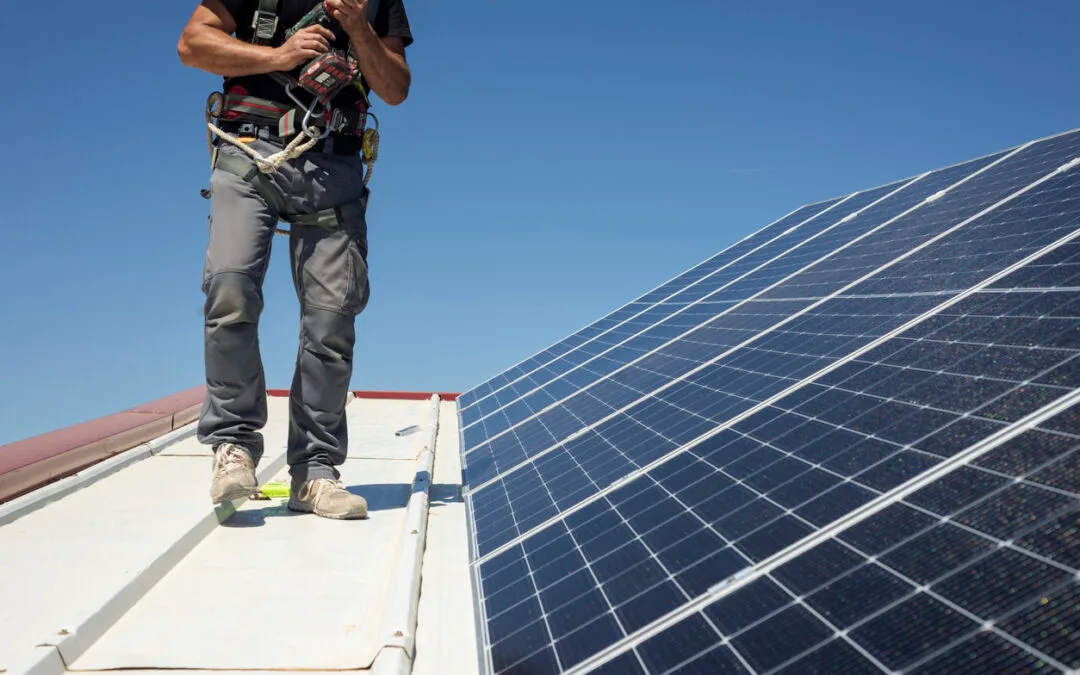
Credit: cedarcreekenergy.com
How To Apply For Solar Financing
- Collect your business financials (tax returns, cash flow).
- Get quotes from at least two solar installers.
- Ask each installer for financing partners or recommended banks.
- Apply for pre-approval to check rates and terms.
- Review all terms with your accountant or lawyer.
- Sign the contract and schedule installation.
Extra tip: Some solar providers bundle financing with installation. This is convenient but compare their offer to your own bank.
Ways To Increase Approval Odds
- Improve your business credit score before applying.
- Show steady profits and low debt.
- Offer a larger down payment if possible.
- Include a detailed energy savings plan with your application.
Tax Credits, Incentives, And Grants
- Federal Solar ITC: 30% tax credit off the system cost.
- State incentives: Some states offer rebates or extra credits. Check your state’s website or the U.S. Department of Energy.
- Local utility rebates: Some utilities pay $0.10–$0.50 per watt installed.
- USDA REAP grants: Rural businesses can apply for grants that cover up to 25% of costs.
Quick tip: Incentives change every year. Confirm what’s available before you sign.
When Solar Financing Isn’t Right
Solar isn’t for every SMB. It may not fit if:
- Your roof is shaded or too small.
- Your lease is short-term.
- You plan to move soon.
In these cases, energy efficiency upgrades (like LED lights) may be a better investment.
Frequently Asked Questions
How Long Does Solar Financing Take To Approve?
Most loans or leases approve within 1–4 weeks. SBA loans may take longer, about 1–2 months.
What If My Business Moves Or Closes?
For loans, you can often transfer the panels with the property. Leases or PPAs may have transfer fees or early termination costs. Always check your contract.
Can I Get Solar With Bad Credit?
Some lenders work with lower credit scores, but rates may be higher. Leases and PPAs are sometimes easier to qualify for than loans.
Are There Hidden Costs With Solar Financing?
Check for annual payment increases, maintenance costs after warranties, and early buyout fees. Ask for a full breakdown from your installer.
How Do Tax Credits Work For Solar?
You claim 30% of your solar system cost as a tax credit on your next federal return. You must own the system (loan or cash purchase). Leases and PPAs usually don’t qualify.
Switching to solar can transform your business’s finances and reputation. The right financing makes it possible, often with no money down. Take time to compare options, check incentives, and read the fine print. With a smart plan, you can enjoy clean energy—and real savings—for years to come.