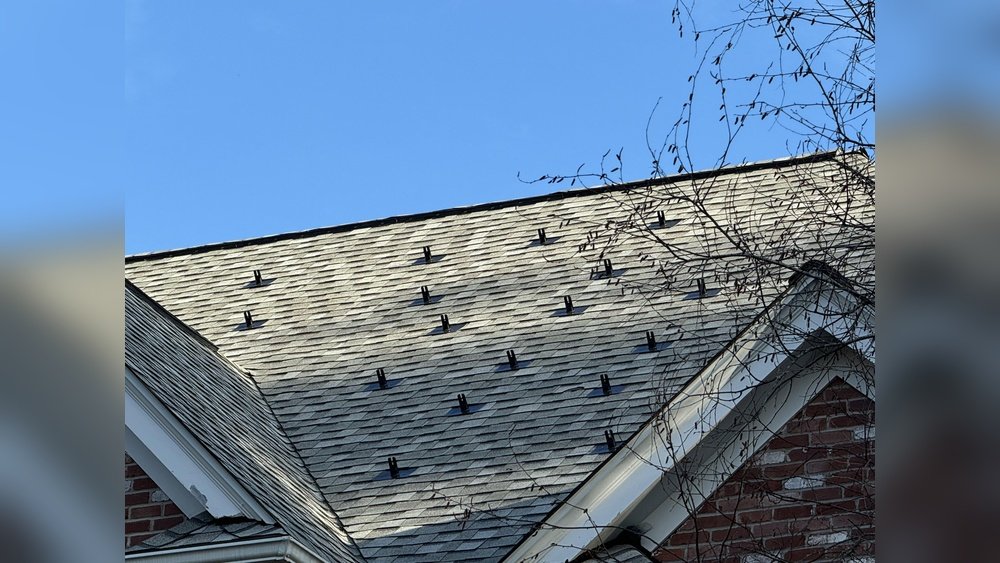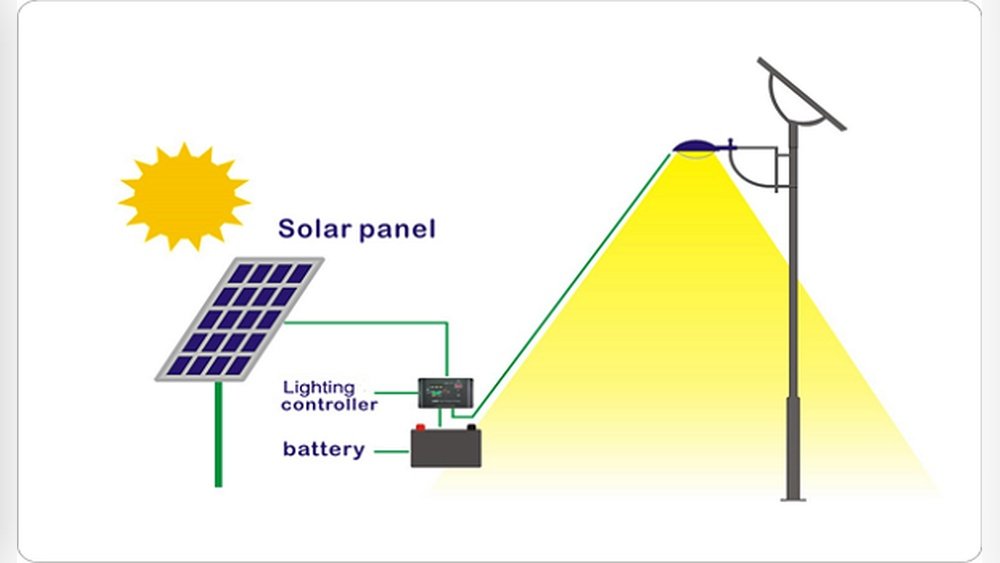

So, Can Solar Panels Really Be Repossessed?
Imagine you’re relaxing at home, enjoying lower energy bills thanks to your new solar panels. Suddenly, you wonder—what happens if you can’t pay for them? Could someone actually come and take the panels off your roof? It’s a question many homeowners forget to ask, but it’s important to know before signing any solar contract.
Let’s break down the facts, without any confusing jargon.
The Short Answer
Yes, solar panels can be repossessed, but it depends on how you paid for them and your contract. If you bought your panels outright with cash, you own them. If you financed them—through a loan, lease, or power purchase agreement (PPA)—the company might have the right to take them back if you stop paying. Repossession isn’t common, but it’s possible under certain conditions.
Let’s dig deeper into how repossession works, who’s at risk, and what you can do to avoid unwanted surprises.
How Solar Panel Financing Works
Solar panels aren’t cheap. The average home installation costs between $15,000 and $25,000. Most people don’t pay in cash. Here are the main ways homeowners pay for solar:
- Cash Purchase: You pay for everything upfront. You own the panels.
- Solar Loan: You borrow money, pay monthly, and own the panels after paying off the loan.
- Lease: You pay a monthly fee to use the panels. The company owns them.
- Power Purchase Agreement (PPA): You pay for the energy produced, not the panels themselves. The company owns the panels.
The risk of repossession depends on which method you choose. Let’s compare these options:
| Financing Method | Ownership | Repossession Risk | Monthly Payments |
|---|---|---|---|
| Cash Purchase | Homeowner | None | No |
| Solar Loan | Homeowner (after loan paid) | Low to Moderate | Yes |
| Lease | Solar Company | High | Yes |
| PPA | Solar Company | High | Yes |
If you’re worried about repossession, pay close attention to your contract and the type of agreement you sign.
When Repossession Happens
Repossession means the solar company removes panels from your property if you default (fail to pay). This usually happens with leased panels or unpaid loans. Here are common situations:
- Missed Payments: If you stop paying your lease or loan, the company can legally remove their panels.
- Bankruptcy: If you declare bankruptcy, the lender may repossess panels to recover their money.
- Contract Breach: Breaking other contract terms may also trigger repossession.
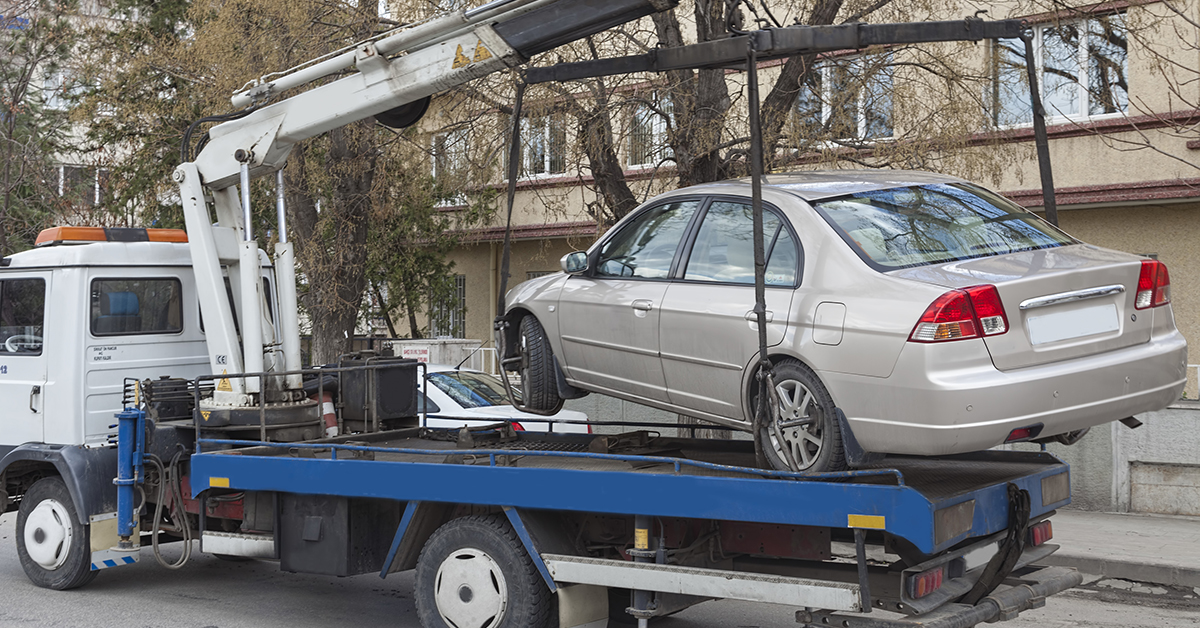
Solar panel repossession isn’t as simple as taking a car. Removing panels is expensive, time-consuming, and can damage your roof. Companies often try other ways to recover money before repossessing.
Example: Lease Default
Suppose you leased solar panels for $100 per month. After a year, you lose your job and can’t pay. The leasing company sends reminders and then a formal notice. If you still don’t pay, they might start legal action to remove the panels.
Example: Loan Default
You finance $20,000 for panels, paying $150 per month. If you miss payments, the lender can place a lien on your home or try to repossess the panels.

Credit: www.redfin.com
How Solar Panel Repossession Works
The repossession process varies by state and company, but here’s a typical sequence:
- Missed Payments: The company sends reminders and late notices.
- Default Notice: After several missed payments, you get a formal default notice.
- Negotiation: Companies may offer payment plans or settlements.
- Legal Action: If no agreement is reached, they may sue for repossession.
- Removal: If allowed by the court, the company removes the panels.
Removing solar panels is not easy. It usually requires:
- Professional installers
- Permits (sometimes)
- Electrical disconnection
- Roof repairs
This process can take days and cost the company thousands of dollars. That’s why repossession is rare—they prefer to work out payment solutions.
What Happens After Repossession?
If your panels are repossessed, several things might happen:
- Loss of Solar Benefits: Your energy bills go up again.
- Roof Damage: Removal may leave holes or require repairs.
- Credit Impact: Defaults and repossession can hurt your credit score.
- Legal Fees: You may owe legal costs or removal fees.
Sometimes, the company sells the repossessed panels to recover costs. Most contracts allow them to claim these costs from you.
Solar Panel Liens: A Hidden Risk
Many homeowners don’t realize that solar loans often create a lien on their property. A lien is a legal claim that lets lenders recover panels (or their value) if you default. With a lien, you can’t sell your home easily until you pay off the loan.
Here’s a comparison of how liens affect your property:
| Type of Lien | Impact | Can Home Be Sold? |
|---|---|---|
| Solar Panel Loan | Must pay off loan before selling | No, until loan paid |
| Solar Lease | Need company approval or transfer | Maybe, with transfer |
| No Lien (cash purchase) | No restrictions | Yes |
Always ask your lender or installer about liens before agreeing to a solar loan or lease.
How To Avoid Solar Panel Repossession
If you’re considering solar panels, here’s how to protect yourself:
- Read Contracts Carefully: Look for repossession clauses and lien details.
- Ask About Ownership: Confirm who owns the panels during and after payments.
- Check Payment Terms: Know how much you owe monthly and what happens if you miss payments.
- Understand Transfer Rules: If you sell your home, can the new owner take over the contract?
- Ask About Removal Costs: Who pays if panels are repossessed? Some contracts require you to pay.
Practical Tips
- Choose a solar loan over a lease if you want more control.
- Save for emergencies so you can keep up payments.
- Negotiate payment plans if you fall behind.
Most companies prefer payment solutions over repossession. Open communication can help you avoid drastic measures.
Real-life Stories: Repossession Experiences
You might be surprised how often repossession affects homeowners. Here are two real cases:
Case 1: Lease Repossession
Maria, from California, leased panels in 2018. She missed payments after moving out and the company tried to repossess the panels from her old home. It took months of legal action. In the end, the panels were removed, leaving roof damage and a negative mark on her credit.
Case 2: Loan Lien
John financed panels in Texas. When he tried to sell his home, the buyer discovered a lien. John had to pay off the $12,000 balance before selling. If he hadn’t, the lender could have repossessed the panels.
These stories show the importance of understanding contracts and payment terms.
Solar Panel Contracts: What To Look For
Before you sign any solar contract, check these key points:
- Repossession Clause: Does the contract mention repossession? What triggers it?
- Lien Details: Is there a lien on your home? How is it removed?
- Transferability: Can you transfer the contract if you sell your home?
- Removal Costs: Who pays for panel removal if repossessed?
- Warranty and Maintenance: Will warranties end if panels are repossessed?
Ask for clarification if anything is unclear. Unscrupulous companies sometimes hide repossession details in fine print.
Comparing Solar Financing Risks
Choosing the right solar financing is about more than monthly payments. Consider these risks:
| Financing Method | Repossession Risk | Impact on Credit | Home Sale Difficulty |
|---|---|---|---|
| Cash Purchase | None | None | Low |
| Loan | Low to Moderate | High if default | Moderate |
| Lease/PPA | High | High if default | High |
Ask your installer to explain these risks before you commit.
How Often Are Solar Panels Repossessed?
Repossession isn’t common, but it does happen. According to the Solar Energy Industries Association (SEIA), less than 2% of leased or financed panels are repossessed each year. Most companies prefer to negotiate payment plans instead.
However, repossession rates might rise as more people use leases and loans. With over 2 million homes in the US using solar, even a small percentage means thousands of repossessions annually.
What Happens To Repossessed Panels?
After repossession, solar companies usually:
- Refurbish and resell panels
- Use panels for new installations
- Sell panels as used equipment
Some panels end up in recycling programs. It’s rare for repossessed panels to be simply thrown away.
Legal And Regulatory Issues
Solar panel repossession is governed by state laws and contract terms. Some states protect homeowners more than others.
For example:
- In California, strict consumer protection laws limit repossession.
- In Texas, lenders can repossess panels if you default.
- In New York, lease contracts must clearly state repossession terms.
Always check local laws and consult a real estate lawyer if you’re unsure.
Credit: www.consumerslaw.com
Common Misconceptions About Solar Panel Repossession
Many homeowners believe:
- “Solar panels are permanent.” In reality, leased or financed panels can be removed.
- “Repossession is impossible.” It’s rare, but it can happen.
- “A lien only affects the panels.” It can affect your whole property.
Understanding these myths can help you make smarter choices.
Alternatives To Repossession
If you can’t pay for your panels, you have options:
- Negotiate Payment Plans: Most companies will work with you.
- Transfer Lease/Loan: If selling your home, try to transfer the contract to the new owner.
- Sell Panels: If you own them, you can sell to recover costs.
- Refinance Loan: Lower payments by refinancing.
Don’t wait until you’re behind—contact your solar company early.
Credit: www.consumerslaw.com
Should You Worry About Repossession?
For most homeowners, repossession is avoidable. If you:
- Read your contract
- Make payments on time
- Communicate with your lender
You’re unlikely to lose your panels. The key is understanding your agreement and planning ahead.
Frequently Asked Questions
Can Solar Panels Be Repossessed If I Bought Them With Cash?
No, if you paid cash, you fully own the panels. There’s no risk of repossession. Only leased or financed panels can be taken back if you default.
Does Repossession Damage My Roof?
Removing panels can cause roof damage, especially if installers aren’t careful. Most contracts don’t cover roof repairs after repossession, so you may need to fix it yourself.
Can I Transfer My Solar Lease If I Sell My Home?
Usually yes, but the new owner must qualify and agree to the terms. Some buyers prefer homes without leases. Always check your contract for transfer rules.
What Happens To My Credit Score If Panels Are Repossessed?
Repossession and defaults will hurt your credit score, just like missing payments on a car or home loan. It can affect your ability to get loans in the future.
Are Repossessed Panels Reused Or Recycled?
Most repossessed panels are refurbished and resold, or used in new installations. Some panels are recycled if damaged. Companies rarely throw them away.
Solar panels offer big savings, but understanding how repossession works is essential. If you’re thinking about going solar, read every contract, ask questions, and plan your payments. That way, you’ll enjoy your clean energy without worrying about someone taking it away.
For more details on solar panel financing and consumer protection, check out the Solar Energy Industries Association.