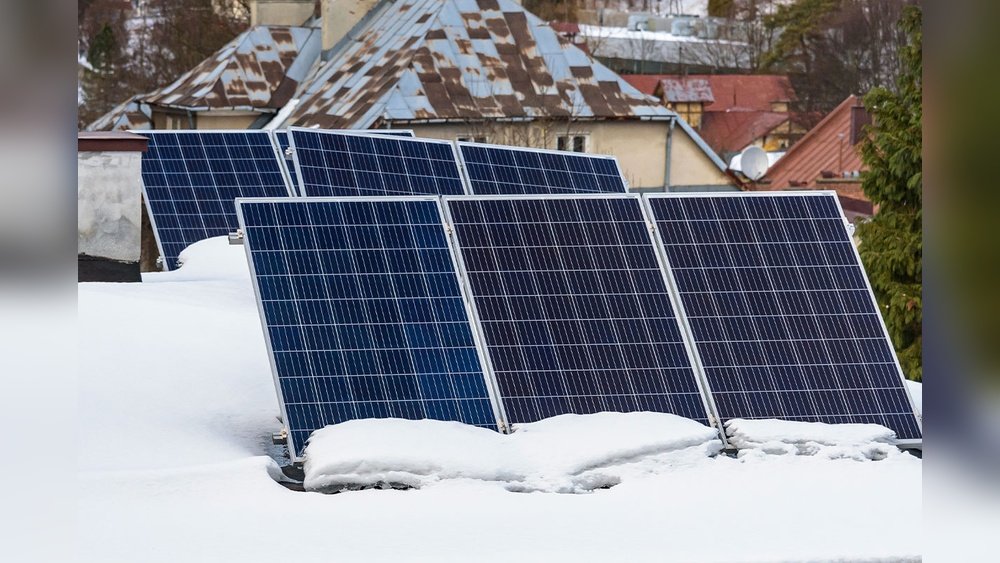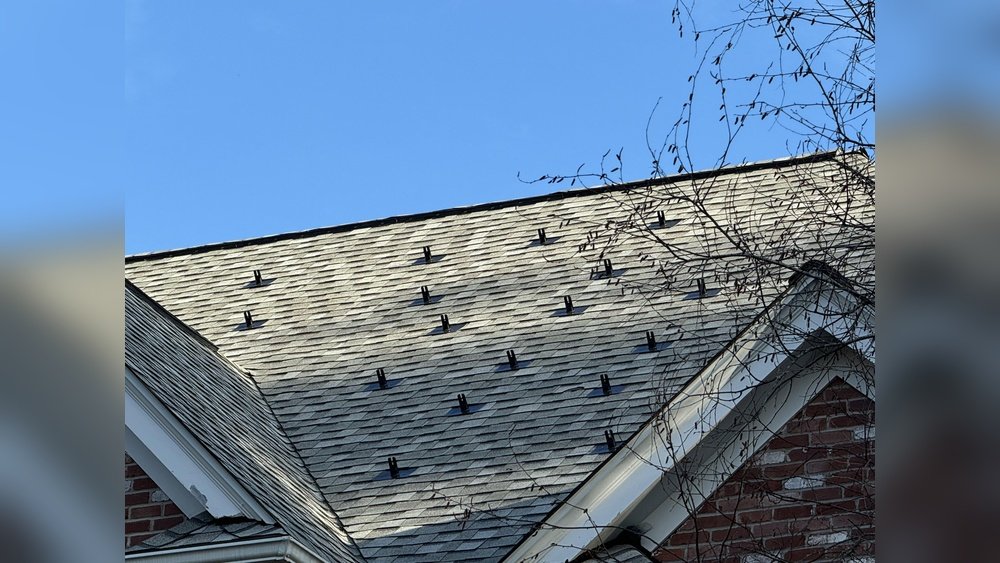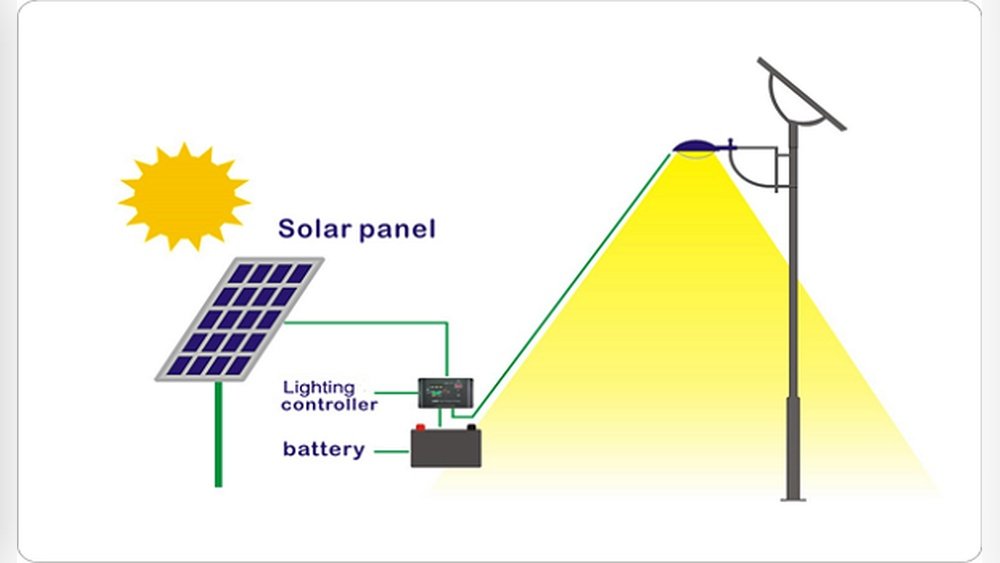

You wake up after a snowstorm. You look at your roof, and your expensive solar panels are covered in white. You might feel annoyed, worried, or just a bit confused. “How do I get snow off my solar panels? Will I ruin them if I touch them? Is there a safe, easy way?” If you’ve asked yourself any of these questions, you’re definitely not alone. Many people with solar panels struggle with snow, especially during winter. It’s a real problem: snow blocks sunlight and kills your power production. But don’t worry—there are smart, safe ways to fix this.
Short Answer: The Fastest Way To Clear Snow
If you’re in a hurry, here’s the quick solution: don’t use a shovel, broom, or anything hard. The safest way to remove snow from solar panels is with a soft roof rake or a telescoping snow brush. You gently pull snow off without scratching the glass. Or, if you don’t want to climb, you can just wait. Most panels are slippery, and snow slides off after a sunny day.
But let’s go deeper. There are several methods, some better than others depending on your roof, your panels, and your weather. Let’s break it down so you feel confident every winter.
Why Snow Is A Problem For Solar Panels
Even a thin layer of snow can block sunlight. That means your panels produce almost zero electricity until the snow melts or slides off. In snowy climates like Minnesota, Colorado, or upstate New York, homeowners can lose up to 30% of annual solar output if snow isn’t managed well. And unlike dust or leaves, snow can be heavy. Too much buildup can stress your roof or mounting system.
Here’s a simple data table showing how snow affects solar production:
| Snow Depth | Sunlight Blocked | Estimated Power Loss |
|---|---|---|
| 1 inch | 80% | ~90% |
| 3 inches | 100% | ~100% |
| Partially cleared | 40% | ~50% |
Common Mistakes: What Not To Do
Before we talk about the right ways, let’s clear up what you should avoid. Many beginners make mistakes that can damage their panels or even cause accidents.
1. Using A Metal Shovel Or Broom
These scratch the glass and destroy the anti-reflective coating.
2. Climbing On A Slippery Roof
Snow and ice can make your roof dangerous. Falls are a real risk.
3. Pouring Hot Water
This can crack the glass from sudden temperature changes.
4. Using Salt Or Chemicals
These corrode metal parts and wiring, leading to expensive repairs.
5. Ignoring Snow Buildup
Heavy snow can bend frames or loosen mounts over time.
Safe Ways To Remove Snow From Solar Panels
Now, let’s look at the safest and most effective methods. You don’t need fancy tools or risky tricks. Most solutions are simple and cheap.
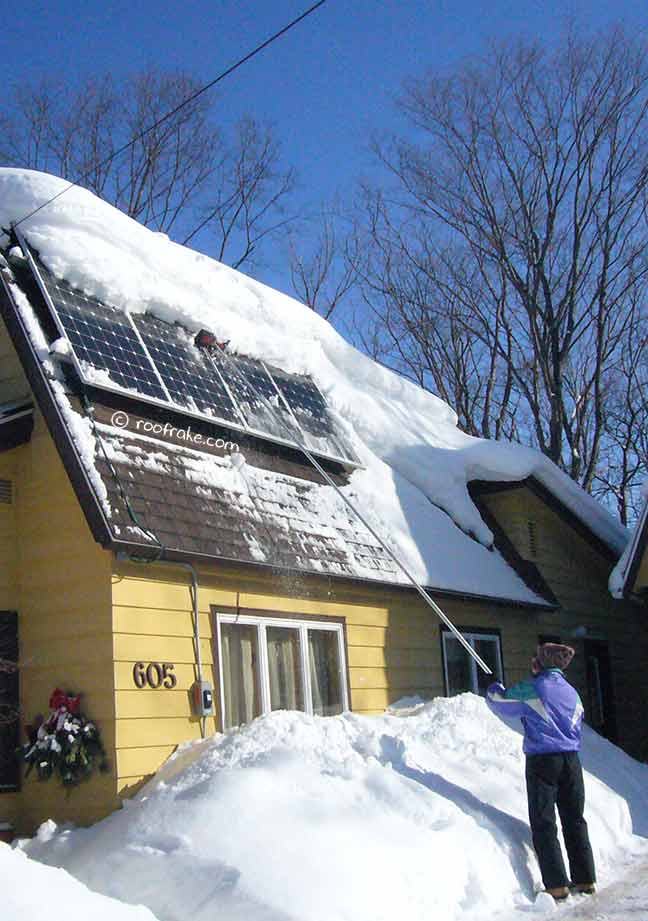
1. Telescoping Snow Rake (soft Head)
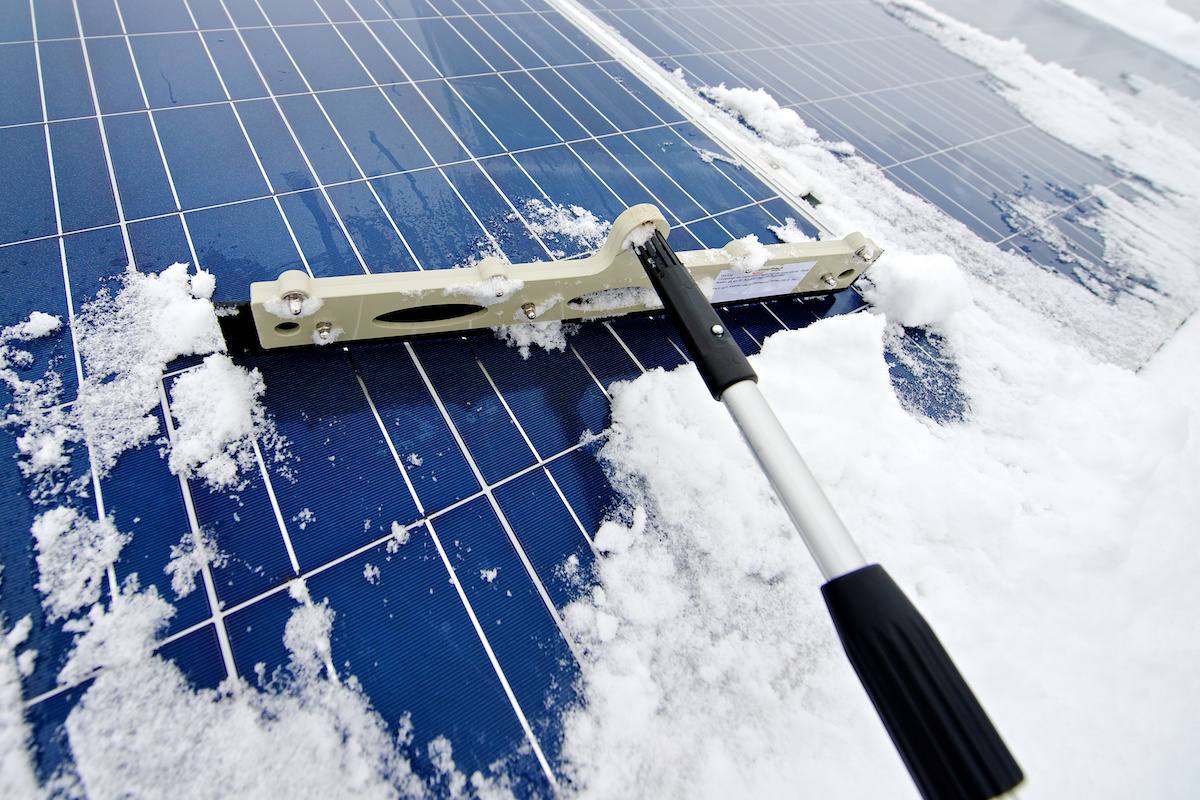
A telescoping snow rake with a soft, rubber head is your best friend. You stand on the ground, extend the pole, and gently pull snow off the panels.
- Pros: No roof climbing, avoids scratches
- Cons: Only works for panels close to roof edge or low buildings
Tip: Always move gently. Don’t press hard or jab at the snow.
2. Roof Snow Brush
If your panels are on a shed, garage, or carport, a roof snow brush works well. Choose one with soft bristles, not stiff ones.
Example: The “Snow Joe” brush is popular and won’t scratch glass.
Safety Insight: Never use a brush with metal bristles.
3. Leaf Blower (for Light, Dry Snow)
A leaf blower can push away dry, fluffy snow. This only works right after a snowfall and before the snow gets packed or icy.
- Pros: No contact, very quick
- Cons: Not effective for wet or heavy snow
4. Waiting For Sun (let Nature Do The Work)
Solar panels are often installed at an angle. When the sun comes out, snow melts faster on dark panels than on the rest of your roof. Panels get warm as they absorb sunlight, and the snow slides off.
- Pros: Zero effort, completely safe
- Cons: You lose power until the snow melts
5. Heated Solar Panels
Some newer panels come with built-in heating elements. These are rare and expensive, but they can melt snow automatically.
Data: Heated panels cost 20–30% more than standard ones, but may save time in snowy regions.
6. Professional Snow Removal Service
Some companies offer solar panel snow removal. They use specialized tools and safety gear. If your roof is steep or hard to reach, this is the safest option.
- Pros: No risk for you
- Cons: Costs money, usually $100–$300 per visit
7. Rope Trick
For ground-mounted panels, you can run a rope over the panels and pull it back and forth. The friction loosens snow without scratching the glass.
- Pros: Cheap, safe for ground panels
- Cons: Not practical for roof panels
Credit: www.roofrake.com
Comparing Snow Removal Methods
It helps to see how these methods stack up against each other. Here’s a comparison for clarity:
| Method | Safety | Effectiveness | Cost | Risk of Damage |
|---|---|---|---|---|
| Telescoping rake | High | Good | $30–$80 | Low |
| Roof brush | Medium | Good | $20–$60 | Low |
| Leaf blower | High | Fair | $40–$120 | None |
| Wait for sun | High | Slow | Free | None |
| Heated panels | High | Excellent | $400–$600/panel | None |
| Professional service | Very high | Excellent | $100–$300/visit | None |
| Rope trick | High | Fair | $10 | None |
How Often Should You Clear Snow?
Not every snowstorm needs action. If you live somewhere with occasional snow, it’s often best to let it melt. But in places with regular, heavy snow, you may want to clear panels after every storm.
Insight: Most homeowners clear panels 2–10 times per winter, depending on weather.
How Much Energy Are You Losing?
Snow can cut your power production to almost zero, but the total loss depends on how long the panels stay covered. If you clear them quickly, you lose very little. If you leave them covered for days, losses add up.
Here’s an example:
- Average winter solar production: 5 kWh/day (with clear panels)
- With snow cover: 0.5 kWh/day
- Loss per day: 90%
If snow stays for 5 days, you lose 22.5 kWh total. That’s enough to power a fridge for a week.
How To Clear Snow Safely: Step-by-step
Let’s walk through a safe snow removal process.
- Check roof safety
- Look for icy patches or unstable snow.
- Never climb a roof without proper gear.
- Choose your tool
- Use a telescoping rake or soft snow brush.
- Start from the top
- Gently pull snow down, not across.
- Don’t force packed snow
- If snow is frozen solid, wait for sun or use a leaf blower.
- Avoid contact with glass
- Let the tool touch only the snow, not the panel surface.
- Work slowly
- Rushing can cause slips or scratches.
- Check panel edges
- Clear snow from edges; this helps melt the rest faster.
Tip: If you feel unsafe, wait for sun or call a pro.
Do Solar Panels Melt Snow Faster?
Yes, solar panels are usually darker and warmer than the rest of the roof. When sunlight hits, the panels heat up, melting snow underneath.
Data: Panels can be 10–20°F warmer than surrounding roof when sun is out.
But on cloudy days, melting is much slower. If your panels are angled steeply (like 30–40 degrees), snow slides off more easily. Flat panels hold snow longer.
Should You Always Remove Snow?
Not always. In mild climates or during short storms, snow melts quickly. It’s better to wait than to risk a fall or damage. But in places with frequent, heavy snow, clearing makes sense.
Non-obvious insight: Sometimes, clearing snow is not worth the effort. If your power needs are low or you have backup energy, letting snow melt naturally is fine.
Design Tips: Preventing Snow Buildup
If you’re planning your solar system or want upgrades, consider these design ideas:
- Steeper panel angles help snow slide off faster.
- Install panels higher up on the roof to catch more sun and heat.
- Choose panels with slick surfaces (frameless designs are best).
- Install heating strips under panels if you live in extreme snow areas.
What About Ground-mounted Panels?
Ground-mounted panels are easier to clear. You can reach them from the side or above. Just be careful with tools—use a soft brush, not a shovel.
Extra tip: Keep the area around the panels clear. Packed snow from the ground can push against frames and cause damage.
How Snow Affects Different Panel Types
Not all panels handle snow the same way. Here’s a quick comparison:
| Panel Type | Snow Slide-off Rate | Durability | Ease of Cleaning |
|---|---|---|---|
| Monocrystalline | High | Strong | Easy |
| Polycrystalline | Medium | Moderate | Easy |
| Thin film | Low | Fragile | Hard |
Insight: Monocrystalline panels are best in snowy areas—they’re slicker and stronger.
Real-life Example: Colorado Homeowner
Let’s look at a real situation.
Sarah lives in Boulder, Colorado. She gets about 60 inches of snow per winter. Her panels are on a steep roof. After storms, she uses a telescoping rake from the ground. She clears panels about six times each winter and loses only 5% of total yearly production to snow.
But her neighbor, who never clears snow, loses about 20%—that’s over $200 in lost electricity each year.
How To Tell If Your Panels Are Covered
You don’t have to climb on the roof to check your panels.
- Look at your solar monitoring app. If production drops to zero, you probably have snow cover.
- Use a drone or binoculars to check panels without climbing.
Extra Tips For Winter Solar Maintenance
- Clean panels before winter so snow slides off more easily.
- Check panel mounts—loose mounts can get worse with heavy snow.
- Watch out for ice dams. Melting snow can refreeze at the roof edge, causing water backup.
- Protect wiring. Animals sometimes chew wires under snow.
What If You Have Microinverters?
If your panels use microinverters, snow on one panel affects only that panel. With string inverters, snow on one panel can hurt the whole string.
Do Solar Panels Get Damaged By Snow?
Most panels are built to handle heavy snow loads, but damage can happen if snow piles up for weeks. The main risks are:
- Frame bending
- Mounts loosening
- Water leaks after melting
Non-obvious insight: Heavy, wet snow is more dangerous than dry, fluffy snow. Wet snow weighs 2–4 times as much.
Credit: www.solarreviews.com
Insurance And Warranties
If snow damages your panels, most homeowners insurance covers repairs. Panel warranties usually protect against defects, not snow damage. Check your policy.
Should You Hire A Professional?
If your roof is steep, icy, or high, consider hiring a pro. Safety is worth the cost.
Look for companies with solar panel snow removal experience. They use gentle tools and know how to avoid damage.

Credit: iconicnrg.com
Frequently Asked Questions
How Long Does Snow Stay On Solar Panels?
Snow usually melts or slides off within 24–48 hours after a sunny day. On cloudy days or flat roofs, it can last a week or more.
Is It Worth Removing Snow Every Time?
If you need the power or live in a snowy area, yes. But for light or occasional snow, waiting is fine. Removing snow too often can risk damage or injury.
Can I Use Water To Melt Snow?
Avoid pouring hot water. Sudden temperature changes can crack the glass. If you use lukewarm water, only spray gently and watch for ice.
Will Snow Damage My Panels?
Most panels are built for snow, but heavy, wet snow can bend frames or loosen mounts. Check panels after big storms.
What’s The Best Tool For Clearing Snow?
A telescoping roof rake with a soft head is best. It avoids scratches and lets you stay on the ground.
If you want more details on solar panel maintenance, the US Department of Energy has a helpful guide: US Department of Energy.
Keeping your solar panels clear of snow is easier than you might think. With the right tools and a little know-how, you can protect your panels, keep your power flowing, and stay safe all winter. Remember, safety comes first. If you ever feel unsure, let the sun do the work or call a pro.
Your panels—and your roof—will thank you.