
Have you ever walked into your home on a hot summer day, hoping for cool air, but found your rooms baking instead? Maybe you’ve wondered if solar panels could help with this problem. You’re not alone. Many people are curious if installing solar panels will actually keep their house cooler, or if they’re just good for saving money and energy.
It’s easy to feel confused because there are so many opinions online. Some claim solar panels are like “shade for your roof,” while others say it makes no difference. Let’s clear this up together.
Short Answer
Yes, solar panels can help keep your house cooler, but the effect is not dramatic. They act as a barrier, reducing direct sunlight hitting your roof. This means less heat gets inside. However, the cooling is usually moderate—about 2–5°F lower on average. You’ll notice the difference most during hot, sunny days.
Why Solar Panels Affect Roof Temperature
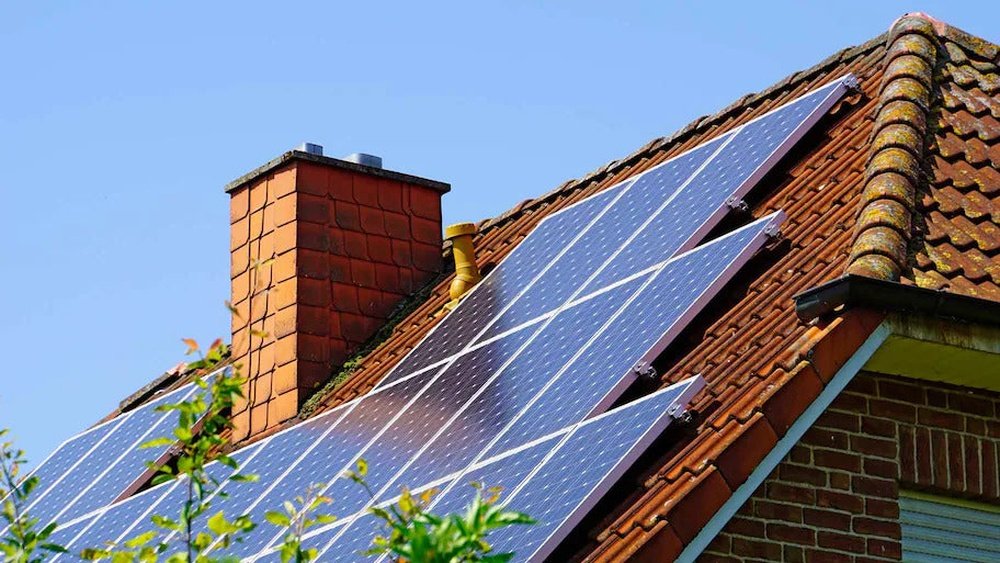
Solar panels sit on top of your roof, creating a gap between the panels and the roof surface. This gap is important. It allows airflow underneath the panels, which helps carry heat away.
Here’s how it works:
- Direct sunlight hits the panels instead of the roof.
- The panels absorb and convert some of the solar energy into electricity.
- The rest of the heat is blocked or reflected.
- The gap allows air to move, cooling both the panels and the roof.
This setup is a bit like parking your car under a shade tree. The sun still shines, but less heat reaches the surface below.
Real Data: How Much Cooler?
Researchers at the University of California, San Diego studied this effect. They found roofs under solar panels were up to 5°F cooler than those without panels. That’s not enough to completely stop your home from heating up, but it does help.
Let’s look at a simple comparison:
| Roof Type | Peak Roof Temperature (°F) | Interior Temperature Change (°F) |
|---|---|---|
| Standard Roof | 165 | +7 |
| Roof with Solar Panels | 160 | +4 |
You can see that solar panels lower both the roof and indoor temperatures, but the change is small.
Understanding Heat Transfer
Heat moves in three ways:
- Direct sunlight (radiation)
- Contact with hot surfaces (conduction)
- Hot air movement (convection)
Solar panels mainly block radiation. The gap under the panels helps with convection by letting cool air flow underneath. Less heat passes through your roof into your attic and living spaces.
Example
Imagine your roof is like a frying pan. If you cover it with a lid (solar panels), less heat gets in. If the lid is raised a little, air can flow and cool things down even more.
Comparing Solar Panels To Other Cooling Methods
Solar panels are not the only way to cool your house. Here’s how they stack up:
| Cooling Method | Average Roof Temp Reduction (°F) | Cost | Other Benefits |
|---|---|---|---|
| Solar Panels | 2–5 | High | Produces Electricity |
| Cool Roof Paint | 10–20 | Medium | Reflects More Sunlight |
| Roof Insulation | 3–10 | Medium | Reduces Heat Transfer |
| Shade Trees | 5–15 | Low | Improves Air Quality |
Solar panels cool your roof a little and help you save on power bills. Other methods, like cool roof paint or insulation, might cool your house more, but don’t generate electricity.
Solar Panel Placement And Cooling Effect
The cooling effect depends on where you place the panels:
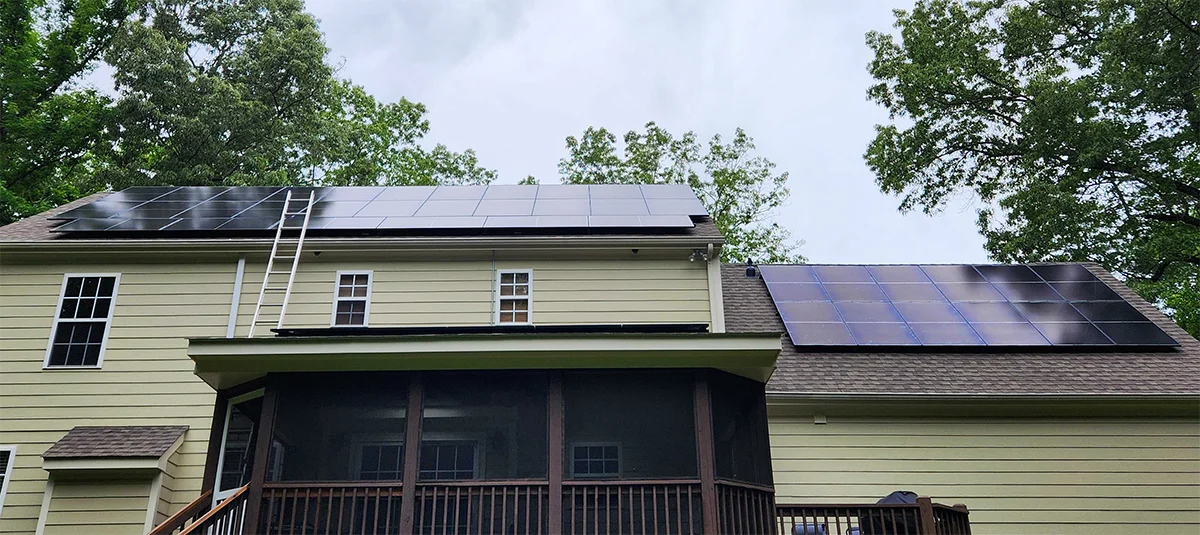
- South-facing roofs get the most sun, so panels here block the most heat.
- East or west-facing roofs have less impact.
- Flat roofs benefit more than steep roofs.
If you cover a large area, the cooling is stronger. If only a small section has panels, the change will be small.
Practical Tip
For best results, install panels where the sun hits your roof hardest. This helps both cooling and energy production.
Credit: www.virtuesolar.com
Does Cooling Make A Big Difference In Energy Savings?
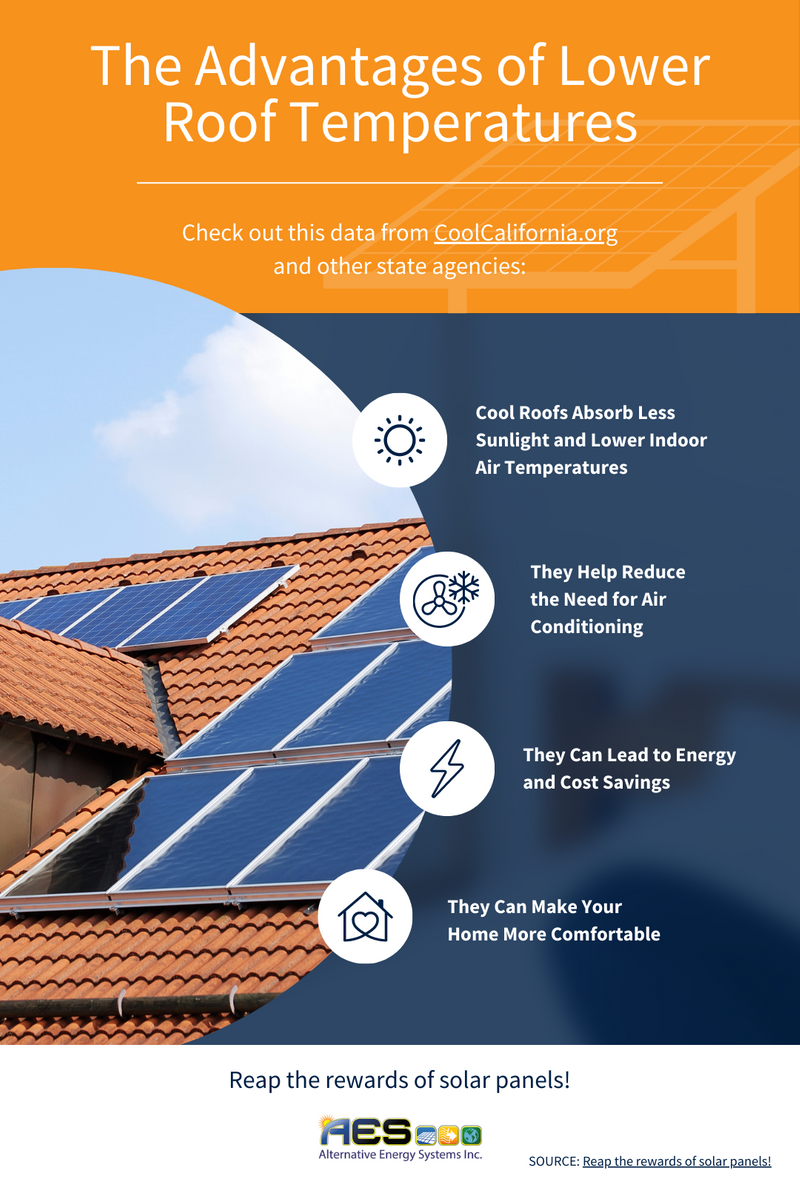
Lower roof temperatures mean your air conditioner doesn’t have to work as hard. This saves energy. The savings from cooling alone are usually small. The main savings come from the electricity your panels produce.
Still, every bit helps. If you live in a hot climate, the cooling effect might reduce your summer AC costs by 5–10%.
Common Myths And Mistakes
Many people believe solar panels will cool their whole house. This isn’t true. Panels only cool the roof area they cover. The rest of your roof stays hot.
Another mistake is thinking panels act like insulation. They don’t. Insulation slows heat moving through your roof. Panels mostly block sunlight.
Some installers forget about airflow. If panels are placed too close to the roof, air can’t move underneath, and cooling is less effective.
Credit: savingenergyforlife.com
Extra Insights Most Beginners Miss
- Solar panels reflect some sunlight, but not all. Most panels absorb light to make power. The material matters—some panels reflect more than others.
- The gap height under panels changes the cooling. Taller gaps allow better airflow, which can cool the roof more. Ask your installer about this.
Will Solar Panels Damage My Roof?
Many worry that solar panels will harm their roof. If installed correctly, panels actually protect your roof from sun, rain, and snow. They act like a shield, which can help your roof last longer.
But, poor installation can cause leaks or cracks. Always use a trusted installer and check their reviews.
Solar Panels And Attic Temperatures
Attics get very hot in summer. By blocking sunlight, solar panels can keep your attic 2–5°F cooler. This means less heat leaks into your living space. Some homeowners notice their attic feels less like an oven after adding panels.
Are There Downsides?
Solar panels are heavy. Your roof must be strong enough to hold them. If your roof is old or damaged, extra weight might cause problems.
Panels also need cleaning. Dirt and dust can block sunlight, reducing both cooling and power production.
Credit: blog.solarclue.com
Real-life Example: A Family In Arizona
The Ramirez family in Phoenix installed solar panels on their south-facing roof. After one summer, they noticed their upstairs rooms were about 4°F cooler during the day. Their AC ran less often, and their electric bill dropped by 20%. They also found their attic was less stuffy, making storage easier.
Tips For Maximizing Cooling With Solar Panels
- Cover the sunniest part of your roof.
- Leave enough gap for airflow under panels.
- Use high-quality panels with good heat resistance.
- Combine solar panels with roof insulation for best results.
- Maintain panels by cleaning them regularly.
Solar Panel Types And Cooling Efficiency
Some panels are more efficient at cooling than others. Here’s a quick comparison:
| Panel Type | Cooling Effect | Efficiency |
|---|---|---|
| Monocrystalline | Moderate | High |
| Polycrystalline | Low | Medium |
| Thin-Film | High | Low |
Thin-film panels offer better cooling but lower power output. Most homes use monocrystalline or polycrystalline panels.
What Experts Say
According to UC San Diego Energy Center, solar panels reduce roof heat and help homes in hot climates. They recommend combining panels with insulation for best results.
Frequently Asked Questions
How Much Cooler Will My House Be With Solar Panels?
Solar panels can lower your roof temperature by about 2–5°F. Inside your house, the difference is usually 1–3°F. It helps most during sunny, hot days.
Do Solar Panels Work As Roof Insulation?
No, solar panels block sunlight but do not act as insulation. To get the best cooling, combine panels with proper roof insulation.
Will Solar Panels Damage My Roof?
Solar panels protect your roof if installed correctly. Bad installation can cause leaks or cracks. Always hire a trusted professional.
Can I Combine Solar Panels With Other Cooling Methods?
Yes. You can use cool roof paint, insulation, or shade trees along with solar panels. This gives you better cooling and energy savings.
Is The Cooling Effect Worth The Cost?
The cooling effect is small compared to the cost of solar panels. Most people install panels for energy savings. Cooling is a nice bonus, especially in hot areas.
Solar panels are a smart investment for many reasons. They help cool your roof, protect your home, and save money on electricity. The cooling effect is real but modest. If your main goal is a cooler house, consider adding insulation or other cooling methods.
But if you want to cut your energy bills and get some bonus cooling, solar panels are a good choice. Remember, the best results come from combining several solutions. Always talk to a local expert before making a decision.