
If you’ve been thinking about installing solar panels, you’ve probably wondered, “Do I really need an inverter? ” Maybe you saw solar kits with inverters included and got confused. Or a friend said you can skip it to save money.
Many homeowners start their solar journey with the same questions and doubts. It’s normal to feel a bit lost. After all, you just want to power your home with the sun—without wasting cash or making a mistake.
Let’s clear up the confusion. I’ll share what you actually need, why inverters matter, and when you might be able to skip one. You’ll get clear answers, not just technical talk.
Short Answer: Do You Need An Inverter For Solar Panels?
In most cases, yes, you need an inverter for solar panels. This device changes the direct current (DC) electricity your panels produce into alternating current (AC) power. AC is what your home uses. Without an inverter, most solar systems can’t run regular home appliances or connect safely to the grid.
But there are exceptions. If you only want to charge DC batteries or use simple DC devices, you might not need an inverter. For most homes, though, an inverter is essential.
Why Do Solar Panels Produce Dc Power?
Solar panels make DC power because of how their internal cells work. Sunlight hits the panels and moves electrons in one direction. This creates a steady flow of energy—DC. It’s simple, efficient, and works well for charging batteries.
However, almost all homes and businesses use AC power. This is the type of electricity that comes from wall outlets and powers things like:
- TVs
- Refrigerators
- Air conditioners
- Computers
The electrical grid also runs on AC. That’s why a solar inverter is usually needed.
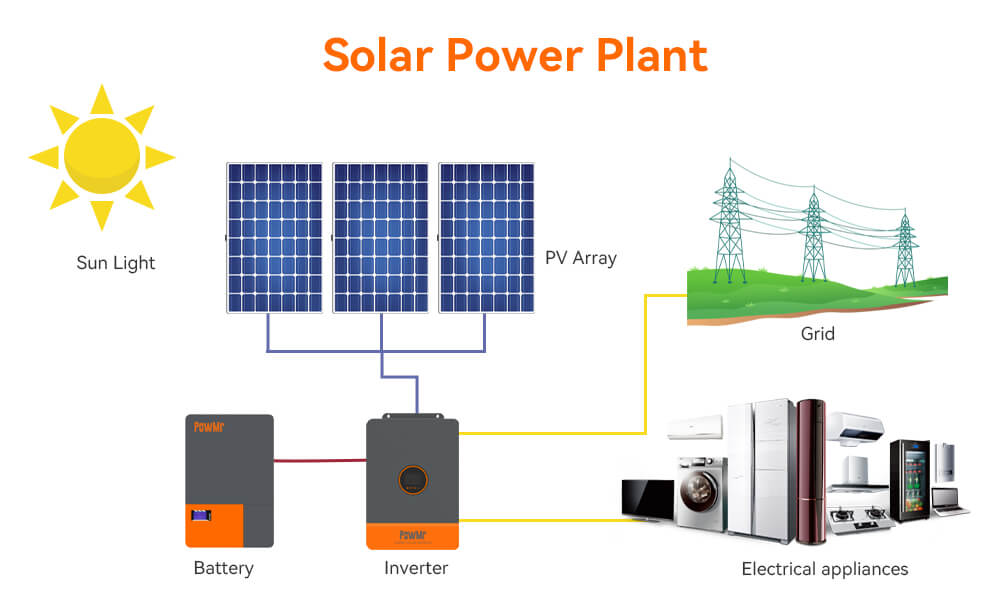
Credit: powmr.com
What Does A Solar Inverter Do?
Think of an inverter as a translator. It takes the DC power from your panels and turns it into AC power. This way, your solar energy can run standard household devices or feed power back to the grid.
Here’s what a typical inverter does:
- Converts DC to AC for home use
- Synchronizes your solar system with grid power (if you’re connected)
- Manages safety by disconnecting during blackouts or problems
- Optimizes output to get the most energy from your panels
Without an inverter, your solar panels can’t power most devices or send electricity to the grid.
Types Of Solar Inverters
Not all inverters are the same. Choosing the right type makes a big difference in system performance, cost, and reliability. Here are the main types:
1. String Inverters
This is the most common type for homes. All panels connect in a “string,” and one inverter handles the conversion.
Pros:
- Lower cost
- Simple design
Cons:
- If one panel is shaded or fails, the whole string loses power
- Less flexible for expanding later
2. Microinverters
Each panel gets its own small inverter. These work together to power your home.
Pros:
- Better performance if panels get shade
- Easy to expand your system
Cons:
- More expensive
- Harder to repair if one fails
3. Power Optimizers
A mix of the above. Each panel gets an optimizer that improves efficiency, but a central inverter still does the main conversion.
Pros:
- Handles shading better than string inverters
- Can be more affordable than microinverters
Cons:
- Slightly more complex setup
Here’s a quick comparison to help you see the differences:
| Inverter Type | Best For | Cost | Shading Performance | Expandability |
|---|---|---|---|---|
| String Inverter | Simple, sunny roofs | Low | Poor | Low |
| Microinverter | Shady/complex roofs | High | Excellent | High |
| Power Optimizer | Mixed shading | Medium | Good | Medium |
When You Don’t Need An Inverter
There are a few special cases where you might not need an inverter:
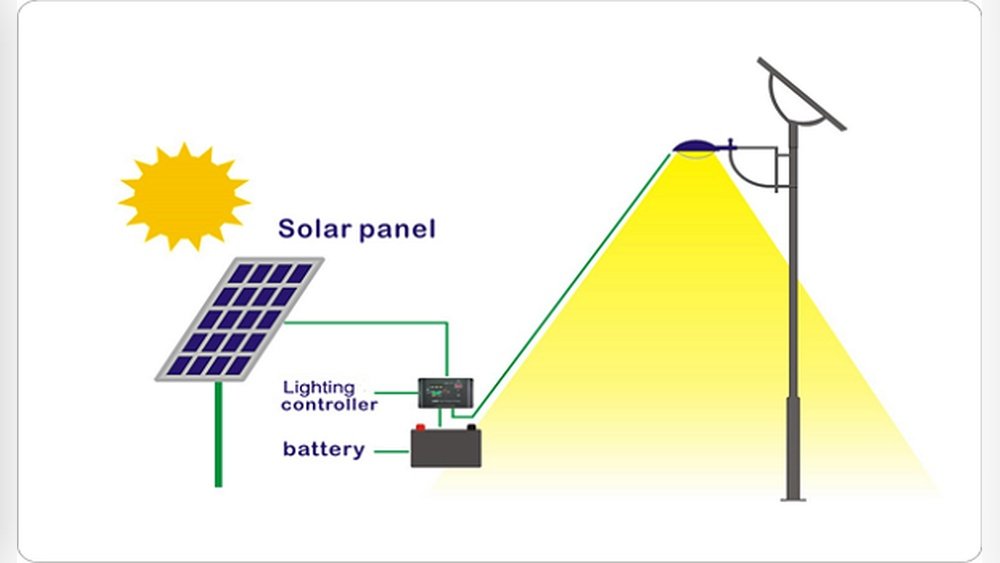
- Off-grid DC systems: If you only want to charge batteries, run DC appliances (like some LED lights or pumps), or power an RV, you can sometimes skip the inverter.
- Tiny solar gadgets: Portable chargers, solar garden lights, and similar products often work directly with DC.
- Very basic DIY setups: Some solar-powered fans or water pumps use DC only.
But for most home solar systems, these cases are rare. Most people want to use regular household devices.
How An Inverter Fits Into A Home Solar System
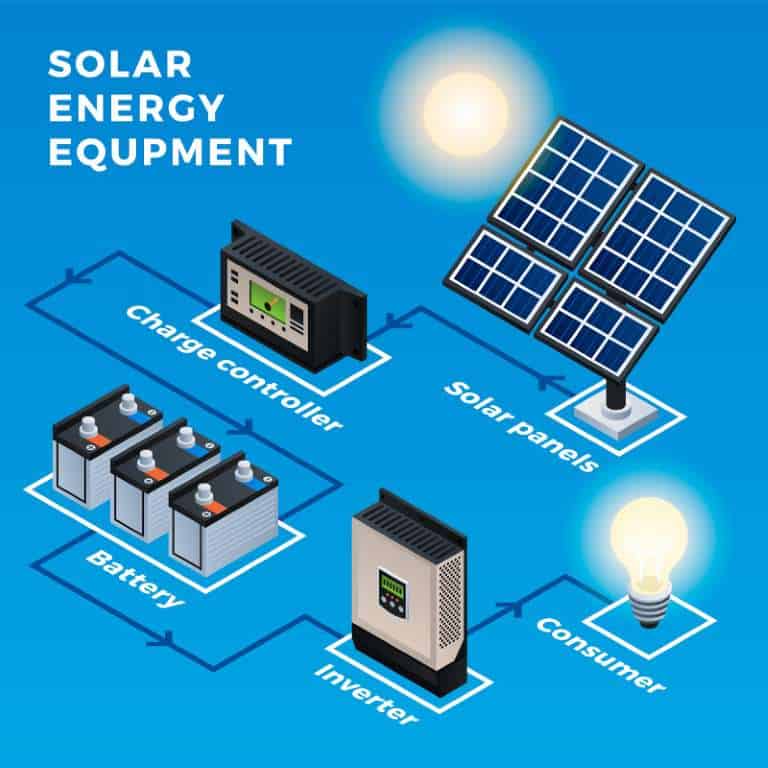
A typical home solar setup looks like this:
- Solar panels on the roof gather sunlight and make DC power.
- Inverter converts DC to AC.
- Breaker box sends AC power to your home’s outlets.
- Utility grid can take extra power, or send power back during cloudy weather.
If you add batteries, there’s often a second inverter or a “hybrid” inverter that manages charging and discharging.
Here’s a simple flow:
| Component | Function |
|---|---|
| Solar Panel | Generates DC electricity |
| Inverter | Converts DC to AC |
| Breaker Box | Distributes AC power |
| Utility Grid | Imports/exports AC power |
Credit: airisenergy.us
What If You Skip The Inverter?
It’s possible, but here’s what happens:
- You can only use DC appliances (rare in homes).
- No power to standard outlets or devices.
- No connection to the grid.
- Most “solar-ready” appliances still expect AC.
In short, you’ll be limited to a few small devices. For almost all homes, skipping the inverter makes the system much less useful.
How To Choose The Right Inverter
Making the right choice depends on your goals, budget, and roof layout. Here’s what to think about:
- System size: Larger systems may need bigger, more advanced inverters.
- Roof shading: If trees or chimneys cast shadows, microinverters or optimizers are better.
- Future expansion: Want to add panels later? Choose flexible inverter types.
- Battery plans: If you plan to add batteries, a hybrid inverter saves money and space.
A common mistake is buying the cheapest inverter without considering future needs. Another is ignoring local grid rules—some areas require special inverter features for safety.
Key Features To Look For
Not all inverters are equal. Here’s what matters:
- Efficiency: Good inverters lose less power during conversion. Look for 95% or higher.
- Warranty: Quality brands offer at least 10 years.
- Monitoring: Many inverters let you track your energy online or with an app.
- Safety features: Islanding protection and surge guards keep your home and the grid safe.
Here are some leading inverter brands:
| Brand | Type | Warranty (years) | Monitoring |
|---|---|---|---|
| SMA | String Inverter | 10-12 | Yes |
| Enphase | Microinverter | 25 | Yes |
| SolarEdge | Optimizer + Inverter | 12-25 | Yes |
Practical Tips For Your Solar Inverter
Here’s how to make the most of your system:
- Size your inverter to match your solar panel wattage (usually 80-100% of total panel capacity).
- Install it in a cool, dry place—heat and moisture can reduce lifespan.
- Check for local rebates—some utilities offer cash for certain inverter types.
- Ask about smart inverters if you live in an area with grid upgrades.
- Plan for maintenance—inverters often need replacement after 10–15 years, while panels last 25+ years.
A small but important detail: some inverters make a faint humming noise. If you’re sensitive to sound, pick a quieter model and place it away from bedrooms.

Credit: www.shieldenchannel.com
Common Mistakes People Make
- Ignoring inverter size: Too small, and it limits your power output. Too big, and you waste money.
- Not planning for shade: If your roof has partial shade, string inverters alone may disappoint.
- Skipping monitoring: Without energy tracking, you can’t spot problems or see real savings.
- Placing inverters in bad locations: Hot garages or damp basements shorten inverter life.
- Forgetting about grid rules: Some places need “anti-islanding” or rapid shutdown features.
Avoid these, and your system will be safer, more reliable, and better value.
Real-world Example
Let’s say Maria installs solar panels on her home in Texas. Her roof gets some shade from a neighbor’s tree. She picks a standard string inverter because it’s cheaper. But on cloudy days, her system loses a lot of power—more than she expected.
Her neighbor, Tom, spends a bit more for microinverters. Even when some panels are shaded, his system keeps running strong. Over five years, Tom makes more energy and saves more on bills—even though his up-front cost was higher.
The lesson? The right inverter can make a big difference in your solar results.
Are There Any New Technologies?
Yes. Hybrid inverters are now popular. They work with batteries, so you can store solar power for nighttime use. Some inverters also support “smart grid” features. These help you sell power back to the utility or run during outages.
Stay updated with the latest options. Solar tech changes fast, and better inverters arrive every year.
External Resource
For a deeper technical overview, visit the Wikipedia page on solar inverters.
Frequently Asked Questions
What Happens If I Connect Solar Panels Directly To My Home?
It won’t work. Solar panels make DC power, but homes need AC. Direct connection can damage devices or cause safety risks. Always use a proper inverter.
Can I Use Solar Panels Without An Inverter For Camping Or Rvs?
Yes, if your devices run on DC (like 12V lights or fridges). For standard appliances, you’ll still need a small inverter.
How Long Does A Solar Inverter Last?
Most last 10–15 years. Some high-quality models can go 20 years. Panels often last 25 years or more, so plan to replace the inverter once during your system’s life.
Do Inverters Waste A Lot Of Energy?
Good inverters are efficient—most lose only 2–5% of the energy during conversion. Always check the efficiency rating when you buy.
Is It Safe To Install An Inverter Myself?
It’s best to hire a licensed electrician. Inverters handle high voltage and need correct wiring for safety and grid rules.
Switching to solar can be confusing, but knowing about inverters gives you a huge advantage. Choose the right inverter, and your solar system will be safer, more efficient, and ready for the future. If you plan well, you’ll enjoy years of clean power and lower bills.