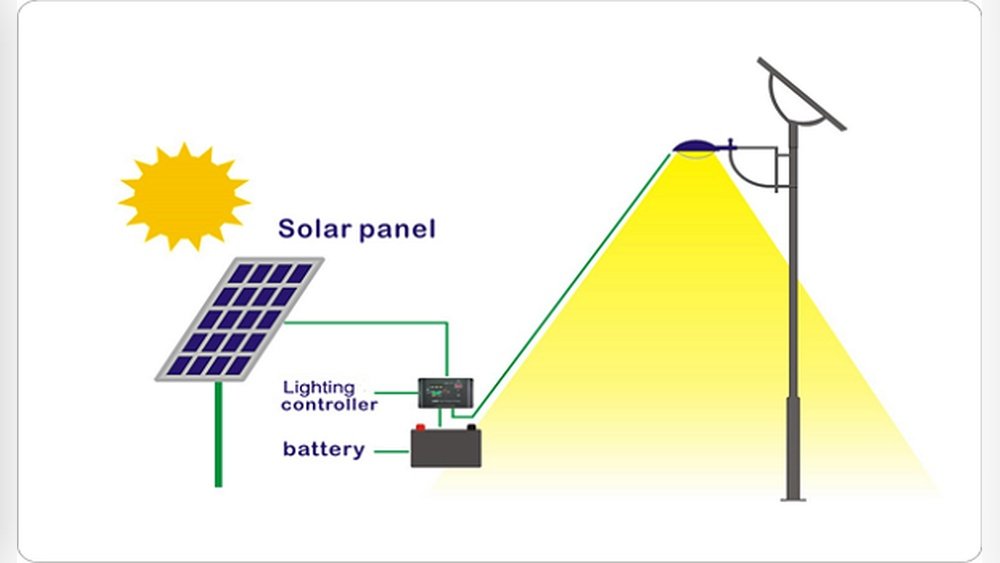

Ever looked at your solar setup and wondered, “How long will it take to charge my 100Ah battery with a 300W solar panel? ” Maybe you’re planning a weekend trip and need your battery topped up for lights, fridge, or phone charging.
Or you’ve seen numbers online that don’t make sense—some say “a few hours,” others say “a whole day. ” It’s confusing. The answer isn’t always obvious, and getting it wrong can mean running out of power when you need it most.
Let’s break it down together, step by step. You don’t need a math degree or fancy tools. Just some basic numbers, practical advice, and clear answers. Whether you’re new to solar or just want to double-check, this guide will make it easy.
We’ll start with the quick answer, then explain why, using real-life examples and simple tables.
Short Answer
On a sunny day, charging a 100Ah battery with a 300W solar panel usually takes 4–6 hours. This assumes you have good sunlight and an efficient charge controller. Weather, battery type, and losses can change the timing. If clouds or shade interrupt, it can take longer.
Now, let’s see how we get to this answer—and what factors you should watch out for.
Understanding The Basics
Before we dive into numbers, let’s clarify what we’re talking about.
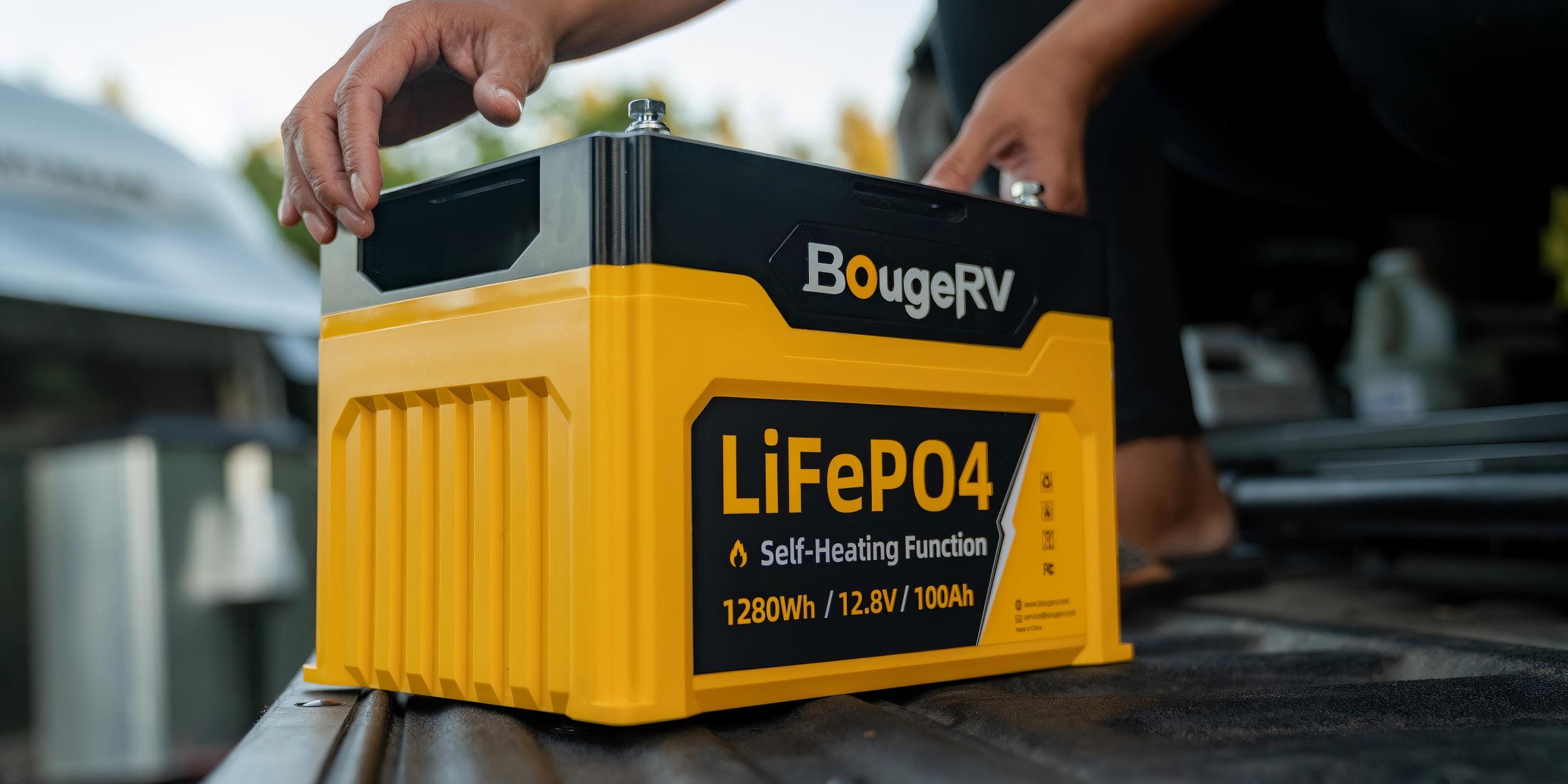
- 100Ah battery means the battery stores 100 amp-hours. If it’s a 12V battery, that’s 1,200 watt-hours (Wh).
- 300W solar panel produces up to 300 watts per hour in perfect sunlight.
- Charging time depends on how much power you need (battery size) and how much power you get (solar panel output).
Real-world Example
Imagine you have a deep cycle 12V battery, rated at 100Ah. You use it for camping. You have a single 300W panel on your roof. You want to know: If the battery is empty, how long to charge it fully?
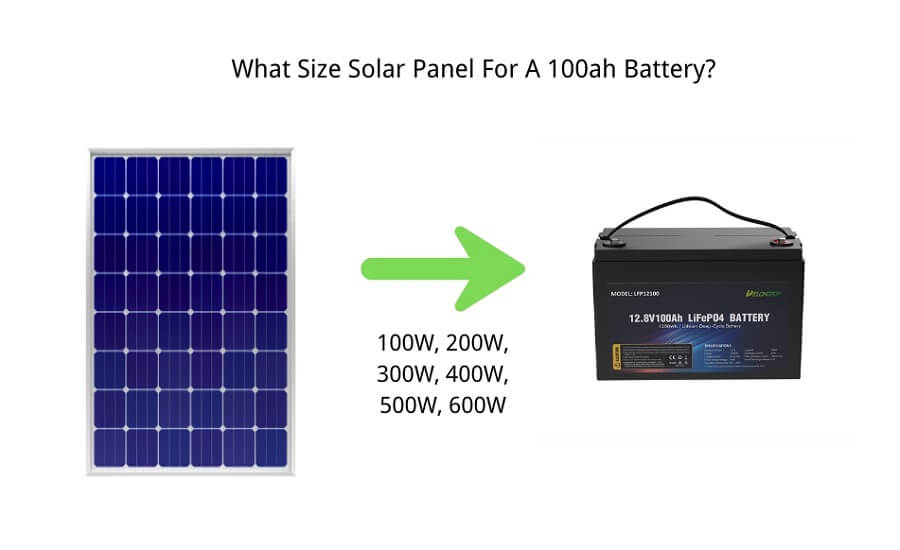
Credit: www.delongtop.com
The Math: Step By Step
Let’s break down the calculation using simple steps. No jargon, just clear numbers.
- Battery Capacity
- 100Ah at 12V = 1,200Wh (100 × 12)
- Solar Panel Output
- 300W × hours of sunlight per day = total power produced
- Charging Efficiency
- Usually, you lose 15–20% due to inefficiency (heat, wiring, controller).
Calculating Charging Time
Here’s how you do it:
- First, estimate how much usable power you get from your panel each hour.
- Account for losses.
- Divide battery capacity by usable panel output.
Example Calculation
Suppose you get 5 hours of strong sunlight.
- Panel produces: 300W × 5h = 1,500Wh
- After efficiency losses (let’s use 80%): 1,500Wh × 0.8 = 1,200Wh
Now, 1,200Wh matches your battery’s full capacity. So, in this example, you can charge your 100Ah battery in about 5 hours of peak sunlight.
Factors That Change Charging Time
Charging isn’t always perfect. Here are the main things that affect how long it takes:
- Sunlight Hours
- More sun = faster charging. Less sun = slower charging.
- Panel Angle and Location
- Panels work best when facing the sun directly.
- Weather Conditions
- Clouds, rain, and shade reduce output.
- Battery Type
- Lead-acid charges slower than lithium.
- Charge Controller
- MPPT controllers are more efficient than PWM.
- Wiring and Connection Quality
- Poor connections can waste power.
Typical Daily Output Table
Here’s a quick look at how different sunlight hours affect your charging:
| Sunlight Hours | 300W Panel Output (Wh) | Usable Power (Wh, 80% Efficiency) |
|---|---|---|
| 3 | 900 | 720 |
| 5 | 1500 | 1200 |
| 7 | 2100 | 1680 |
If you only get 3 hours of sun, you won’t fully charge a 100Ah battery in one day. With 5–7 hours, you can.
Battery Depth Of Discharge
Most people don’t drain their batteries to zero. If you only use half your battery (50Ah), charging will take half the time.
Example:
- Used 50Ah (600Wh)
- Panel produces 1,200Wh (after losses)
- So, you can fully recharge in about 2.5 hours of strong sunlight.
Choosing The Right Charge Controller
Your charge controller affects efficiency and safety. There are two main types:
- PWM (Pulse Width Modulation): Cheaper, less efficient.
- MPPT (Maximum Power Point Tracking): More expensive, more efficient.
MPPT controllers can boost charging speed by up to 30%. If you want to charge faster, choose MPPT.
Controller Comparison Table
| Controller Type | Efficiency (%) | Typical Charging Time (100Ah, 300W Panel) |
|---|---|---|
| PWM | 70–80 | 5–7 hours |
| MPPT | 85–95 | 4–6 hours |
Common Mistakes People Make
Charging a battery with solar seems easy, but many people miss key details. Here are some mistakes to avoid:
- Overestimating panel output: Panels rarely give full rated power all day.
- Ignoring losses: Wiring, controller, and battery inefficiencies matter.
- Forgetting weather: Cloudy days can cut output in half.
- Wrong battery size: Using a big panel with a small battery can cause overheating.
- Poor maintenance: Dirty panels and loose cables reduce charging speed.
Practical Tips For Faster, Safer Charging
Want to charge your battery as quickly and safely as possible? Try these:
- Clean your panels regularly to keep them efficient.
- Angle panels toward the sun for best performance.
- Use thick, short cables to minimize voltage drop.
- Choose MPPT controllers for better efficiency.
- Monitor battery voltage to avoid overcharging.
Credit: www.bougerv.com
Real-life Scenario
Let’s say you’re camping in summer with a 100Ah deep cycle battery. You run a fridge and lights overnight. The battery drops to 60Ah. You wake up, and the sun is shining.
- Your 300W panel produces about 1,200Wh after losses over 5 hours.
- You need to add 480Wh (40Ah × 12V) to recharge.
- You’ll be fully charged by lunchtime.
If clouds roll in, you might only get 600Wh. In this case, you’ll need another day to finish charging.
How To Estimate Your Own Charging Time
Here’s a simple formula you can use:
- Find your battery’s watt-hour capacity:
- Ah × V = Wh (Example: 100Ah × 12V = 1,200Wh)
- Estimate your panel’s daily output:
- Panel W × sunlight hours × efficiency
- (Example: 300W × 5 × 0.8 = 1,200Wh)
- Divide battery Wh by panel Wh to get charging time:
- (Example: 1,200Wh / 1,200Wh = 1 day)
If you use the battery daily and charge each day, you’ll stay topped up.
Comparing Panel Sizes And Battery Charging Times
What if you use a smaller or larger panel? Here’s a quick comparison:
| Panel Size (W) | Usable Daily Output (Wh, 5h Sun) | Time to Charge 100Ah (12V) Battery |
|---|---|---|
| 100 | 400 | 3 days |
| 200 | 800 | 1.5 days |
| 300 | 1200 | 1 day |
| 400 | 1600 | 0.75 day |
Non-obvious Insights Beginners Miss
- Solar panels don’t always run at their peak. Even on clear days, temperature, dust, and angle can cut output by 10–20%.
- Charging slows near full. Batteries charge fast when low, but slow down as they approach full capacity. If you need a quick top-up, focus on partial charges.
When To Add More Panels
If you find charging is slow, consider adding another panel. More panels mean more power, and faster charging—even on cloudy days.
- Two 300W panels = 600W. That’s twice the power, so you can charge in half the time.
- Make sure your charge controller and battery can handle the extra power.
Keeping Your Battery Healthy
Charging too fast or too slow can affect battery life. Here’s how to keep it healthy:
- Don’t discharge below 50% for lead-acid batteries.
- Avoid overcharging. Use a good charge controller.
- Check battery water for flooded lead-acid types.
If you use lithium batteries, you can discharge deeper and charge faster, but always follow manufacturer guidelines.
Credit: batteryfinds.com
Frequently Asked Questions
How Long Does It Take To Charge A 100ah Battery With A 300w Solar Panel If It’s Only Half Empty?
Usually, it takes 2–3 hours of good sunlight to recharge a half-empty battery. That’s about 600Wh, which your panel can produce in less time.
Can I Use A 300w Solar Panel To Charge Multiple Batteries?
Yes, but it will take longer. Divide the total battery capacity by your daily panel output. If you have two 100Ah batteries, you’ll need two days to fully charge both.
What Happens If The Weather Is Cloudy?
Clouds reduce panel output. You might get only 30–50% of rated power. Charging time can double or triple. Consider a larger panel or more panels for cloudy regions.
Is It Safe To Leave My Battery Charging All Day?
With a good charge controller, yes. The controller prevents overcharging and keeps the battery healthy. Always use quality controllers and check battery specs.
What Is The Best Charge Controller For Fast Charging?
MPPT controllers are best for fast and efficient charging. They adjust voltage and maximize power. They cost more than PWM but save time and protect your battery.
If you want to dive deeper into solar battery charging, check out this Renogy guide for more technical details.
Charging your 100Ah battery with a 300W solar panel is simple once you know the basics. With the right setup and a few practical tips, you’ll never worry about running out of power again. Whether you’re camping, living off-grid, or just curious, you can now estimate charging times confidently—and make smarter choices for your solar system.