
You bought solar lights to save money and make your garden shine at night. But after a few months, the lights look dim, and you start wondering—did you buy a bad product? Maybe you even try changing batteries, but nothing works. The real problem is usually simple: dirty solar panels. This happens to everyone. Dust, pollen, rain spots, and even bird droppings block sunlight, making your solar lights weak or dead.
Most people don’t know that clean solar panels can double the brightness of solar lights. Cleaning is easy, but doing it wrong can damage the panels or the lights. Many users ask, “What’s the safest way to clean solar panels on solar lights?” If you’re confused, you’re not alone. Let’s fix this together.
Short Answer
To clean solar panels on solar lights, gently wipe the panel with a damp cloth. Use mild soap if needed. Avoid harsh cleaners, rough sponges, and high-pressure water. Clean every 1–2 months for best performance.
Now, let’s go step by step and cover everything you need to know.
Why Clean Solar Panels On Solar Lights?
Solar panels need direct sunlight to charge the batteries in your solar lights. Dirt and debris create a barrier, blocking the light. Even a thin layer of dust can reduce charging efficiency by up to 30%. Over time, dirty panels cause:
- Dim or flickering lights
- Shorter lighting hours
- Early battery replacement
- Poor charging during cloudy days
Here’s a quick comparison of performance:
| Panel Condition | Average Charging Time (Sunny Day) | Lighting Hours (Night) |
|---|---|---|
| Clean | 6–8 hours | 8–10 hours |
| Dirty | 10–12 hours | 3–5 hours |
Cleaning your solar panels is the easiest way to keep your lights bright and reliable.
Common Mistakes When Cleaning Solar Panels
People often make mistakes that ruin their solar lights. Avoid these:
- Using abrasive sponges or brushes (scratches the panel)
- Spraying with high-pressure water (damages seals)
- Applying chemical cleaners (causes cloudy film)
- Forgetting to turn off or remove batteries (short circuits)
- Cleaning during hot sunny hours (water spots form quickly)
Each mistake can lower efficiency or break your lights. Using the right method is safer and extends the life of your solar lights.
Tools And Materials You Need
You don’t need fancy tools. Here’s what works best:
- Soft microfiber cloth
- Mild soap (like dish soap)
- Bowl of lukewarm water
- Soft brush (optional, for tough dirt)
- Cotton swabs (for corners)
- Small screwdriver (if you want to remove the panel)
Never use window cleaners, rough pads, or bleach.
Step-by-step Guide: Cleaning Solar Panels Safely
Let’s break down the process so you can do it easily.
1. Turn Off The Solar Light
Always start by switching the light off. If possible, remove the battery to prevent short circuits.
2. Remove Loose Dirt
Use a dry microfiber cloth to gently wipe off dust, pollen, and loose dirt. Start with this step so you don’t scratch the panel later.
3. Prepare Cleaning Solution
Mix a few drops of mild soap in a bowl of lukewarm water. Avoid hot water or strong soaps.
4. Wipe The Panel
Dip the cloth in the soapy water. Wring it out so it’s damp, not dripping. Gently wipe the solar panel surface. For stubborn spots (like bird droppings), let the damp cloth sit on the area for a minute before wiping.
5. Clean The Edges And Corners
Use cotton swabs dipped in the cleaning solution to clean corners and edges. These areas collect more dirt.
6. Rinse And Dry
Wipe the panel with a clean, damp cloth (no soap). Dry the panel using another soft cloth. Make sure no water remains.
7. Reassemble And Turn On
Put the battery back (if you removed it). Switch the solar light on. Place it back in the sun.
Here’s a quick comparison of recommended and risky cleaning methods:
| Cleaning Method | Safety | Effectiveness |
|---|---|---|
| Microfiber cloth + mild soap | Safe | High |
| Abrasive sponge | Risky | Medium |
| High-pressure water | Unsafe | Low |
| Chemical cleaner | Unsafe | Low |
How Often Should You Clean Solar Panels?
Cleaning frequency depends on your location and environment:
- Every 1–2 months: For most gardens and yards
- Monthly: If you live near roads, factories, or trees (more dust and pollen)
- After rainstorms: Rain leaves water spots and mud
If your solar lights are dim, cleaning should be your first step before trying repairs or replacements.
Extra Tips For Brighter Solar Lights
Here are some insider tips that many beginners miss:
- Angle matters: If your lights are adjustable, tilt the solar panel toward midday sun for maximum charging.
- Check for shading: Trim nearby branches or bushes. Even partial shade cuts charging power by 50%.
- Avoid painting or covering panels: Some users paint their solar lights for decoration but cover the panel by mistake.
- Inspect seals: Check the panel’s edges for cracks. Water inside can cause foggy panels and ruin batteries.
- Test after cleaning: Wait one full day and check if your lights stay bright all night. If not, clean again or check batteries.
What If Your Solar Panel Is Cloudy Or Scratched?
Sometimes, panels look cloudy even after cleaning. This is often due to:
- Scratches from rough cleaning tools
- Chemical residue from strong cleaners
- Moisture inside the panel
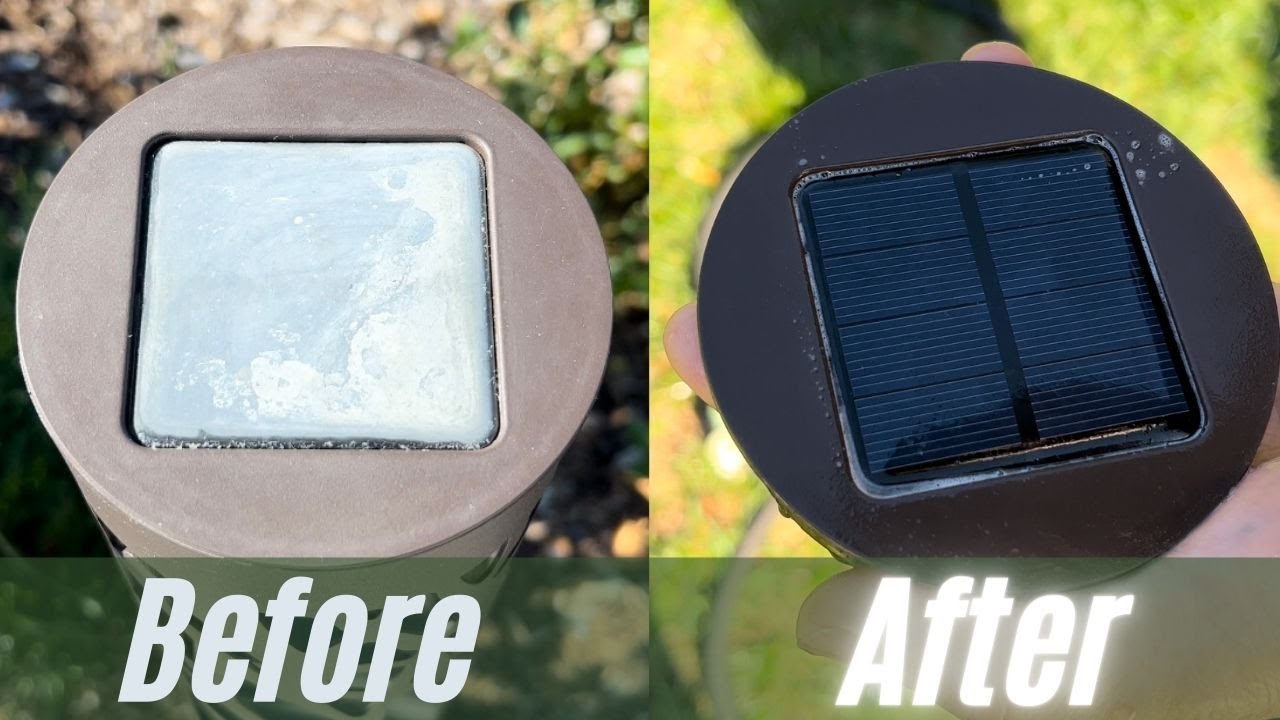
If scratches are minor, you can polish gently with toothpaste and a soft cloth. For severe damage, replacing the panel is best.
Here’s how panel condition affects brightness:
| Panel Type | Light Output | Charging Time |
|---|---|---|
| Clear, scratch-free | 100% | 6–8 hrs |
| Cloudy, minor scratches | 70–80% | 8–10 hrs |
| Heavy scratches/cloudy | 50% or less | 10–12 hrs |
If the panel is cloudy, try polishing. If there’s water inside, dry it out and reseal. For best results, use replacement panels from your light’s manufacturer.

Credit: www.wikihow.com
Is It Safe To Use Vinegar Or Alcohol?
Many people ask if vinegar or rubbing alcohol is safe for cleaning. Both can remove tough stains, but use them sparingly:
- Mix vinegar with water (1: 10 ratio) for tough spots
- Use rubbing alcohol only for sticky residue
- Never use full-strength alcohol or vinegar
Always rinse panels after using these solutions. Avoid frequent use—they can dull the surface over time.
Solar Light Maintenance Checklist
Here’s a quick checklist to keep your solar lights shining:
- Clean panels every 1–2 months
- Check for cracks or cloudy panels
- Remove debris from light housing
- Inspect battery health every 6 months
- Trim plants and remove shade
- Test brightness after cleaning
Following this routine keeps your solar lights working for years.
Credit: www.youtube.com
Frequently Asked Questions
How Do I Clean Solar Panels If They Are Very Dirty?
For heavy dirt or mud, start by rinsing with lukewarm water. Use a soft brush and mild soap. Let the solution sit for a minute, then wipe gently. Avoid scrubbing hard. Dry completely before turning the light back on.
Can I Use Window Cleaner For Solar Panels?
No. Most window cleaners contain chemicals that leave a film or damage the panel’s surface. Stick to mild soap and water. If you need extra cleaning, use diluted vinegar.
What Happens If I Don’t Clean My Solar Panels?
The light will become dim, and batteries may stop charging. You’ll get fewer hours of light each night. Over time, the panel may become permanently cloudy and need replacement.
Do I Need To Remove The Solar Panel To Clean It?
Most solar lights can be cleaned without removing the panel. If the panel is very dirty or cloudy, removing it helps you clean all edges. Use a small screwdriver and be gentle.
Where Can I Find Replacement Solar Panels?
Check your solar light’s brand website or local hardware store. For popular brands, replacement panels are available online. Learn more at Wikipedia.
Final Thoughts
Keeping your solar panels clean is the simplest way to make your solar lights work like new. The right cleaning method protects your lights and saves money on repairs. Remember, clean panels mean brighter nights, longer battery life, and less hassle. If you follow these steps and tips, your garden will stay beautiful and well-lit with minimal effort. Don’t wait until your lights are dim—make cleaning a regular habit and enjoy the full power of solar energy.
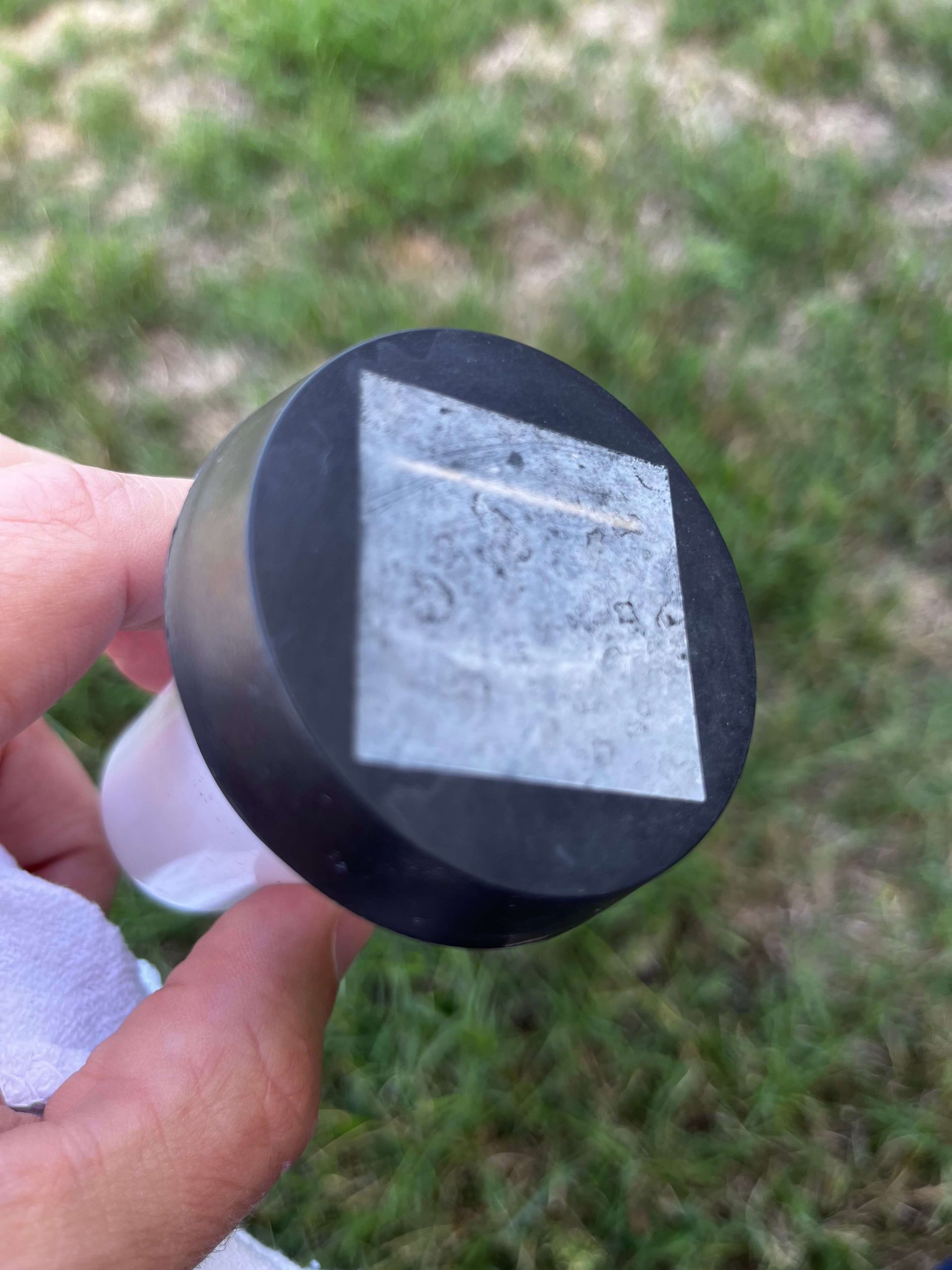
Credit: notahandyperson.com