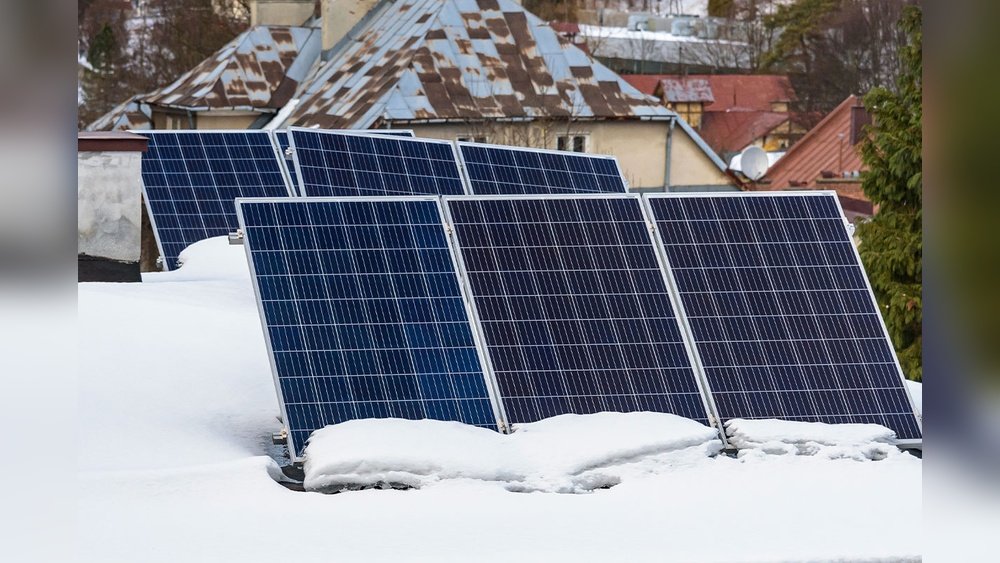

Ever wake up after a heavy snowstorm and realize your solar panels aren’t working as well? You paid good money for those panels. Now, they’re covered in snow, and your power output drops fast. Maybe you’re wondering, “Should I climb up there and brush it off? Is it safe? Will I break something?” These are real worries—especially when you want your panels to keep working through winter. The truth is, removing snow from solar panels can seem tricky, but there’s a safe, smart way to do it.
Let’s get straight to the point and clear up the confusion.
Short Answer: The Safest Way To Remove Snow From Solar Panels
You should never use metal tools or anything sharp on solar panels. The safest and most effective way is to gently remove snow with a soft brush, roof rake with a plastic blade, or let the sun melt it naturally. Always work from the ground if possible. If you must get on the roof, use proper safety gear and avoid sliding or scratching the panels.
Now, let’s dig deeper and see how to do this step-by-step, why it matters, and what mistakes most people make.
Why Snow On Solar Panels Matters
Solar panels need sunlight to make electricity. When snow covers them, sunlight can’t reach the panels, and power production drops. For example, a single inch of snow can block up to 100% of sunlight. In places like Minnesota or Colorado, winter storms can pile up several inches overnight.
You might think, “It’ll melt soon enough. ” Sometimes it does. But if the snow sticks around for days, you lose a lot of clean energy. If you depend on solar for your home, this can mean higher electric bills or less backup power.
Here’s why removing snow matters:
- Keeps your panels working: Even a thin layer can cut output by half.
- Protects your investment: Panels last 20+ years. Snow and ice can damage them if not handled right.
- Reduces risk: Heavy snow can stress mounts and roof structure.
What Not To Do (common Mistakes)
Many people make mistakes that can damage their panels or put them in danger. Here are some actions to avoid:
- Using metal tools: Scratches glass, voids warranty.
- Pouring hot water: Can crack glass due to sudden temperature change.
- Climbing roof without safety: Risk of slipping, falling.
- Applying salt or chemicals: Damages panel surface and roof.
- Ignoring snow for days: Can lead to ice buildup, harder removal.
Most beginners don’t realize how fragile solar panels are. They’re tough against weather, but not against sharp or heavy objects.
Safe Tools For Snow Removal
Let’s look at the best tools for the job. Not all brushes or rakes are safe. Here’s a quick comparison.
| Tool | Safe for Panels? | Best Use | Common Risks |
|---|---|---|---|
| Soft Snow Brush | Yes | Light snow, ground-level panels | Minimal if gentle |
| Plastic Roof Rake | Yes | Moderate snow, pitched roofs | Scratching if not careful |
| Metal Shovel | No | Heavy snow (not for panels) | Major damage risk |
| Leaf Blower | Yes (for dry, fluffy snow) | Thin layers, ground access | Low effectiveness on wet snow |
| Heated Panel System | Yes | Automated removal | Costly installation |
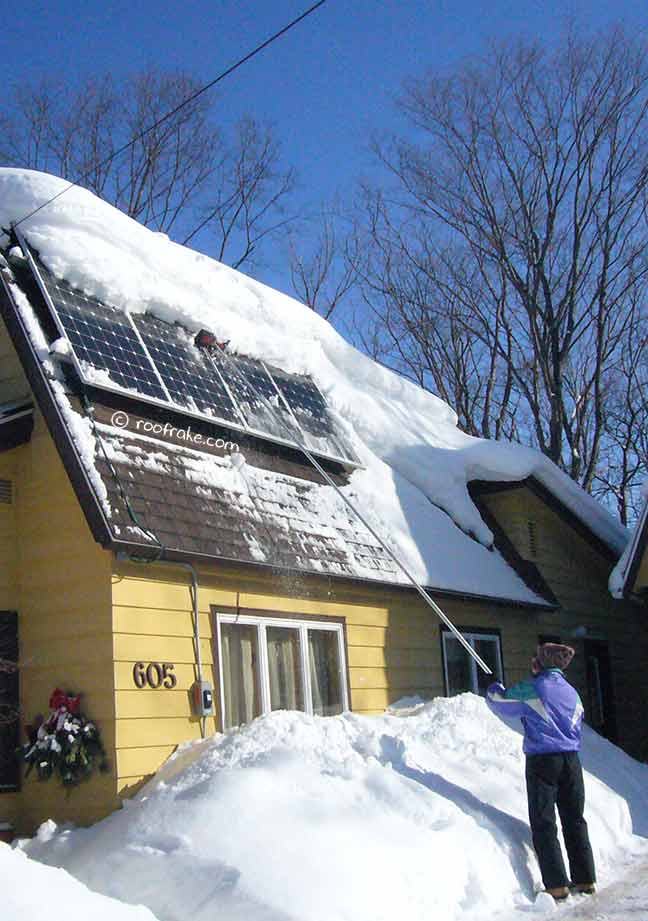
If you’re buying a tool, look for soft, non-abrasive materials and long handles to reach from the ground.
Credit: www.roofrake.com
Step-by-step: How To Remove Snow Safely
Now, let’s walk through the process. Each step matters for safety and protecting your panels.
1. Check Conditions
Before you start:
- Is the snow light or heavy?
- Is the roof slippery?
- Can you reach from the ground?
- Are there icicles or ice patches?
If the roof is unsafe, wait until conditions improve.
2. Gather Your Tools
You’ll need:
- Soft snow brush or plastic roof rake
- Long extension pole (if needed)
- Non-slip boots
- Safety harness (for roof work)
- Gloves
Never use metal tools, salt, or chemicals.
3. Work From The Ground
Stand on solid ground, not on the roof if possible. Use a roof rake with a long pole. Gently pull snow downward, not upward or sideways. Don’t force the rake—let the snow slide off.
4. Brush Gently
If you must use a brush, lightly sweep snow without pressing. Avoid scraping or pushing hard. For wet, sticky snow, let the sun soften it first.
5. Roof Access (if Needed)
If panels are out of reach:
- Wear a safety harness.
- Move slowly, step carefully.
- Clear a path to panels.
- Never step directly on panels.
6. Watch For Ice
If you see ice, don’t try to break it. Let the sun melt it naturally. Trying to chip ice can crack the glass.
7. Inspect Panels After Clearing
Look for cracks, chips, or loose mounts. If you see damage, contact a professional. Don’t try to fix panels yourself.
Should You Wait For The Sun?
Sometimes, it’s best to let nature do the work. Solar panels are designed to absorb sunlight, which warms the surface. Many panels have a smooth coating that helps snow slide off as soon as the sun comes out—even in cold weather.
If the snow layer is thin, or the weather will warm soon, waiting is often safer. Heavy, wet snow, or multi-day storms, may need manual removal.
Here’s a simple comparison of waiting vs. removing:
| Method | Time Needed | Risk Level | Panel Performance |
|---|---|---|---|
| Manual Removal | 15–30 minutes | Medium (if safe tools) | Immediate recovery |
| Letting Sun Melt | 1–48 hours | Low | Delayed recovery |
| Heated Panel System | Automatic | Very low | Continuous |
How Much Energy Are You Losing?
Solar panels lose almost all output when covered by snow. If you have a 5 kW system, and it’s covered for 24 hours, you might lose up to 20–30 kWh—enough to power a fridge, lights, and electronics for a day.
If snow stays for several days, losses can add up. In snowy regions, annual losses can reach 5–10% if snow isn’t removed quickly.
Practical Tips For Snowy Climates
Living in a snowy area? Here are smart ways to keep your panels productive:
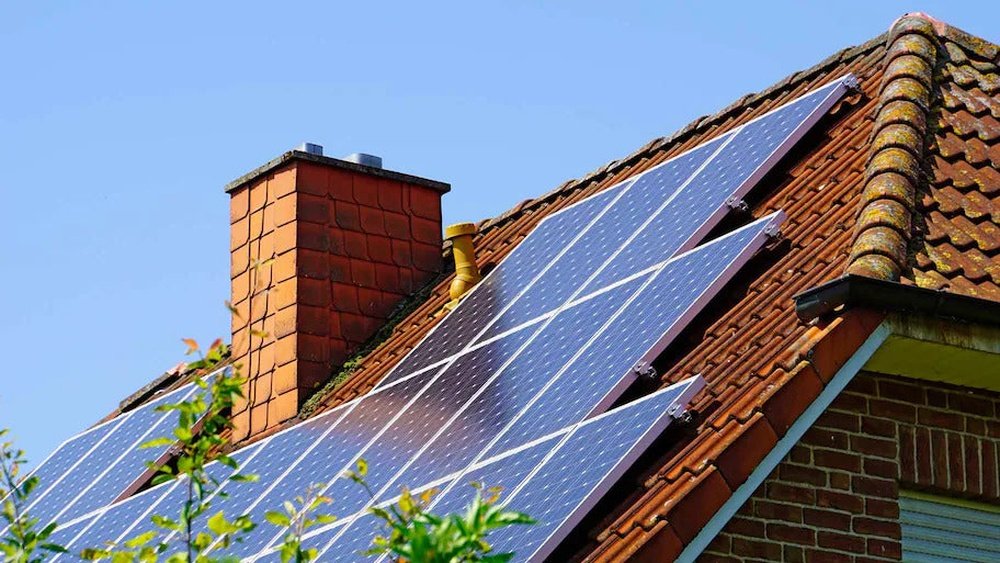
- Install panels at a steep angle: Snow slides off easier than on flat roofs.
- Choose panels with slick coating: Some panels are designed for snow resistance.
- Keep an eye on weather forecasts: Plan to clear panels after big storms.
- Set up ground-mounted panels: Easier to access and clear.
- Use a remote monitoring system: Alerts you when production drops.
Many beginners don’t realize that panel tilt can make a big difference. A 40-degree angle sheds snow much faster than a 20-degree angle.
Professional Snow Removal Services
If you’re not comfortable removing snow yourself, there are solar panel cleaning services. These professionals use the right tools and safety gear. Prices range from $100–$300 per visit, depending on the roof and panel size.
Benefits of hiring a pro:
- Safety: No risk of slipping or injury.
- Expertise: Proper tools, avoids damage.
- Speed: Quick, efficient service.
Before hiring, check reviews and ask about their methods. Make sure they use soft tools and don’t step on panels.
Automated Solutions: Heated Panels And Sensors
Technology is making snow removal easier. Some panels now come with heating elements built in. These warm the surface, melting snow automatically.
Pros:
- No manual labor
- Keeps panels clear during storms
- Reduces energy loss
Cons:
- Higher upfront cost
- May need extra wiring
You can also add snow sensors. These alert you when snow covers panels, so you know when to clear them.
Comparing Panel Types For Snowy Roofs
Different panel types perform differently in snowy conditions. Here’s how three common types compare.
| Panel Type | Snow Shedding Ability | Durability | Typical Angle |
|---|---|---|---|
| Monocrystalline | Good (slick surface) | High | 30–45° |
| Polycrystalline | Moderate | Medium | 25–40° |
| Thin Film | Poor (less slick) | Low | 10–20° |
If you live in a snowy area, monocrystalline panels are often best. They shed snow quickly and resist damage.
Snow Removal Frequency: How Often Should You Clear?
How often depends on local weather and panel tilt. Here’s a general guideline:
- Light snow (less than 1 inch): Wait for sun to melt.
- Moderate snow (1–4 inches): Clear after each storm.
- Heavy snow (4+ inches): Clear as soon as safe.
If storms are frequent, check panels daily. Use a monitoring app to watch your power output.
Safety First: Important Precautions
Always put safety first. Here’s what you should do:
- Use a ladder stabilizer if climbing.
- Wear non-slip boots.
- Never work alone—have someone nearby.
- Avoid working in high winds or icy conditions.
- Use a harness if roof is steep.
Many accidents happen because people rush. Take your time, use proper gear, and never step on panels.
What If Panels Are Hard To Reach?
If your roof is too steep or high, don’t risk it. Instead:
- Hire a pro.
- Install ground-mounted panels next time.
- Consider heated panels or snow sensors.
- Use a long extension pole from the ground.
For new solar installations, ask your installer about easy-access designs.

Credit: iconicnrg.com
Real-life Example: Snow Removal Success Story
Let’s look at a practical example.
Sam lives in Vermont, where winter brings big snowstorms. He has a 6 kW solar system on a 40-degree roof. After each storm, he uses a plastic roof rake with a 20-foot extension. He clears panels from the ground in about 20 minutes. His winter production drops only 5%, compared to neighbors who don’t clear snow (they lose 15–20%).
Sam’s tips:
- “Don’t use metal. I scratched my first panel and it cost me $300 to fix.”
- “Check your roof angle before buying panels.”
- “Monitor your power output—if it drops, check for snow.”
How Much Does Snow Removal Cost?
DIY removal is almost free if you use the right tools. A plastic roof rake costs $30–$50. Safety gear (boots, harness) can cost $100–$200.
Professional services cost more. Here’s a quick price comparison:
- DIY tools: $30–$100
- Safety gear: $100–$200
- Professional service: $100–$300 per visit
- Heated panel system: $1000+ (one-time install)
If you clear panels yourself, you save money and keep your system running.

Credit: www.youtube.com
Extra Insights: What Most Guides Miss
- Panel warranties often don’t cover snow damage. If you scratch or crack a panel, you may pay for repairs.
- Insurance claims for roof falls can be denied if you didn’t use proper safety gear. Always check your policy.
- Local ordinances sometimes limit roof access. In some cities, only licensed professionals can work on roofs above certain heights.
These details are important and often overlooked by beginners.
Environmental Impact Of Snow Removal
You might wonder: does removing snow help the environment? Yes, it does. When panels are clear, you make more clean electricity. This reduces your need for grid power (often from fossil fuels).
Letting snow block panels means more coal or gas is burned for your home. Clearing panels is a small task with a big impact.
Frequently Asked Questions
How Do I Know If Snow Is Hurting My Solar Output?
If you see a sudden drop in your solar app or inverter reading after a snowstorm, your panels are likely covered. Compare output before and after snow falls. A drop of 90% or more means snow is blocking the panels.
Can I Use A Broom To Clear Snow?
A soft, clean broom can work for light snow, but never use one with stiff or dirty bristles. Make sure it won’t scratch the surface. For heavy snow, a roof rake is better.
Are Heated Panels Worth It In Snowy Regions?
Heated panels can be a good investment in areas with regular heavy snow. They prevent buildup and save you time. But the upfront cost is high. Compare installation price to the value of lost energy before deciding.
What If Ice Forms Under The Snow?
Don’t try to break or chip ice. This can crack the panel glass. Wait for the sun to melt ice, or use a snow sensor to monitor buildup. If ice persists, call a professional.
Do Solar Panels Break From Snow Weight?
Most panels are rated for heavy snow loads (up to 40 lbs/sq ft). But repeated heavy loads can stress mounts and roof. Remove snow when safe, and have panels checked each year.
If you want to see official panel specs, check the U.S. Department of Energy for more details.
Wrap-up: Keep Your Panels Clear, Stay Safe
Don’t let winter storms steal your solar power. With the right tools and safe steps, you can keep your panels clear and working all season. Remember: never use metal, don’t climb unless you’re trained, and check your panels often. If in doubt, call a pro or invest in heated panels. With a bit of smart effort, your solar investment will keep paying off—even when the snow falls.