
My Power Went Out, and My Home Battery Was a Lifesaver (No Solar Required)
I used to think a home battery backup was something you only got if you had solar panels on your roof. Then, a severe thunderstorm knocked out our neighborhood’s power for two days. That’s when I discovered the world of home battery backup without solar power. It was a revelation that transformed how I handle emergencies, and it can for you, too.
This isn’t about going off-grid or generating your own power. It’s about having a clean, silent, and automatic reservoir of electricity ready to kick in the moment the grid fails. Whether you’re working from home, need to keep medical equipment running, or just want to avoid spoiling hundreds of dollars in groceries, a standalone battery is a modern solution to an age-old problem.


Let’s break down exactly how it works, what your options are, and how to decide if it’s the right move for your home.
What Exactly is a Home Battery Backup System Without Solar Panel?
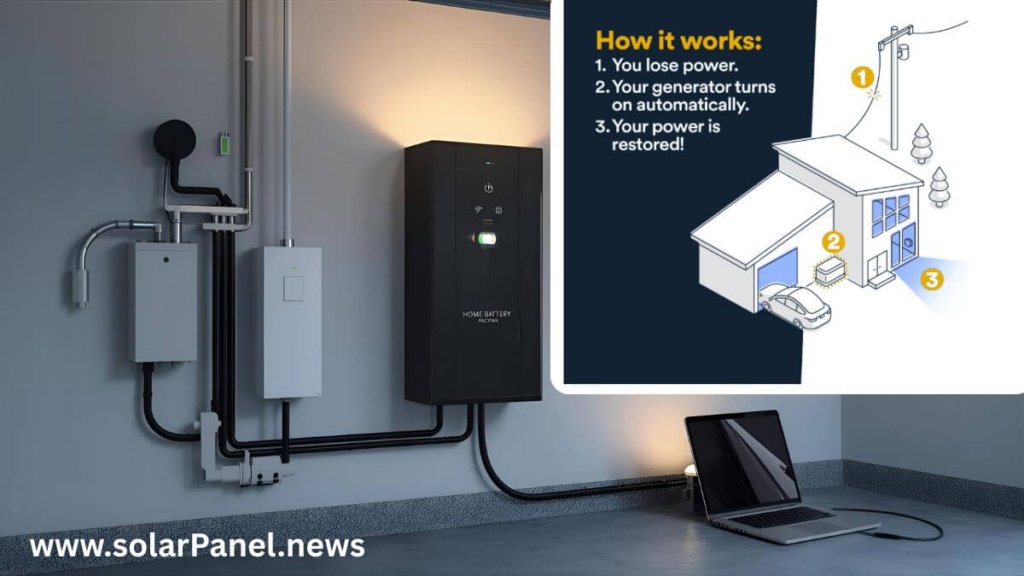
Simply put, it’s a large battery (or a system of batteries) installed in your home that stays constantly charged by pulling electricity from your utility grid. It sits there, fully charged and waiting, like a silent guardian. When a power outage hits, an automatic transfer switch detects the failure in milliseconds and seamlessly switches your home’s essential circuits to battery power.
You don’t need solar panels for this to work. The battery charges from the same wall outlet you plug your phone into. Think of it as a massive, whole-house version of the uninterruptible power supply (UPS) you might have for your computer.
Why Would You Want a Battery If You Don’t Have Solar?
This was my biggest “aha!” moment. The value of a battery isn’t tied solely to solar energy. Here’s why it makes so much sense on its own:
Storm & Outage Protection: This is the number one reason. In my case, it kept the lights on, the fridge cold, and the Wi-Fi running. For families with infants, elderly members, or anyone on medical equipment, this isn’t a luxury—it’s a critical safety net.
Time-of-Use (TOU) Bill Management: In many areas, electricity is more expensive during “peak” hours (like 4-9 pm). A smart battery can be programmed to power your home using its stored energy during these expensive periods, then recharge when rates are low overnight, saving you money on your utility bill.
Providing Clean, Silent Power: Say goodbye to the roar, fumes, and maintenance of a gas generator. A battery backup is instant, silent, and can be installed indoors (like a garage or basement).
Boosting Home Value & Appeal: A built-in battery backup is a significant modern upgrade that makes your home more resilient and attractive to future buyers.
Types of Home Battery Backup Systems Without Solar Power
Here are the three (03) simplest breakdowns:
1. Portable Home Battery Backup Stations (Most Popular)
Think: EcoFlow, Bluetti, Jackery
- Plug into wall
- Store power
- Run appliances during outages
- Optional solar later
Best for: apartments, renters, single-story homes, seniors.
2. Whole-Home Backup Batteries (Solar Optional)
Think: Enphase, Tesla Powerwall
- Can be installed without solar
- Charge from the grid
- Whole-home automatic backup
- Requires electrician
Best for: homeowners wanting true “generator replacement.”
3. Hybrid Units (Expandable Systems)
Stackable batteries that start small and grow later.
Best Home Battery Backup Station Without Solar Power
Below are the most reliable options for 2025—based on capacity, price, safety, and how well they handle real U.S. power outages.
Best Overall: EcoFlow Delta Pro 3
Capacity: 4096Wh (expandable to 12kWh+)
Output: 4000W

Why I Recommend It: It’s the closest thing to having a generator—without fuel, noise, or fumes.
- Auto-transfer switch support
- Can run a refrigerator, lights, modem, AC window unit
- Fastest charging on the market
- Wheeled for easy movement
Best Budget Pick: Jackery Explorer 2000 Plus
Capacity: 2048Wh (expandable)
Output: 3000W

Perfect for small homes or short blackouts. It’s lightweight, quiet, and reliable.
Related Review: Is the Jackery Explorer 1000 Worth the Hype?
Best for Whole-Home Backup: Enphase IQ Battery (Grid-Charge Only Setup)
Capacity: 3–12kWh+
Output: Automatic whole-home backup
Installation: Professional only
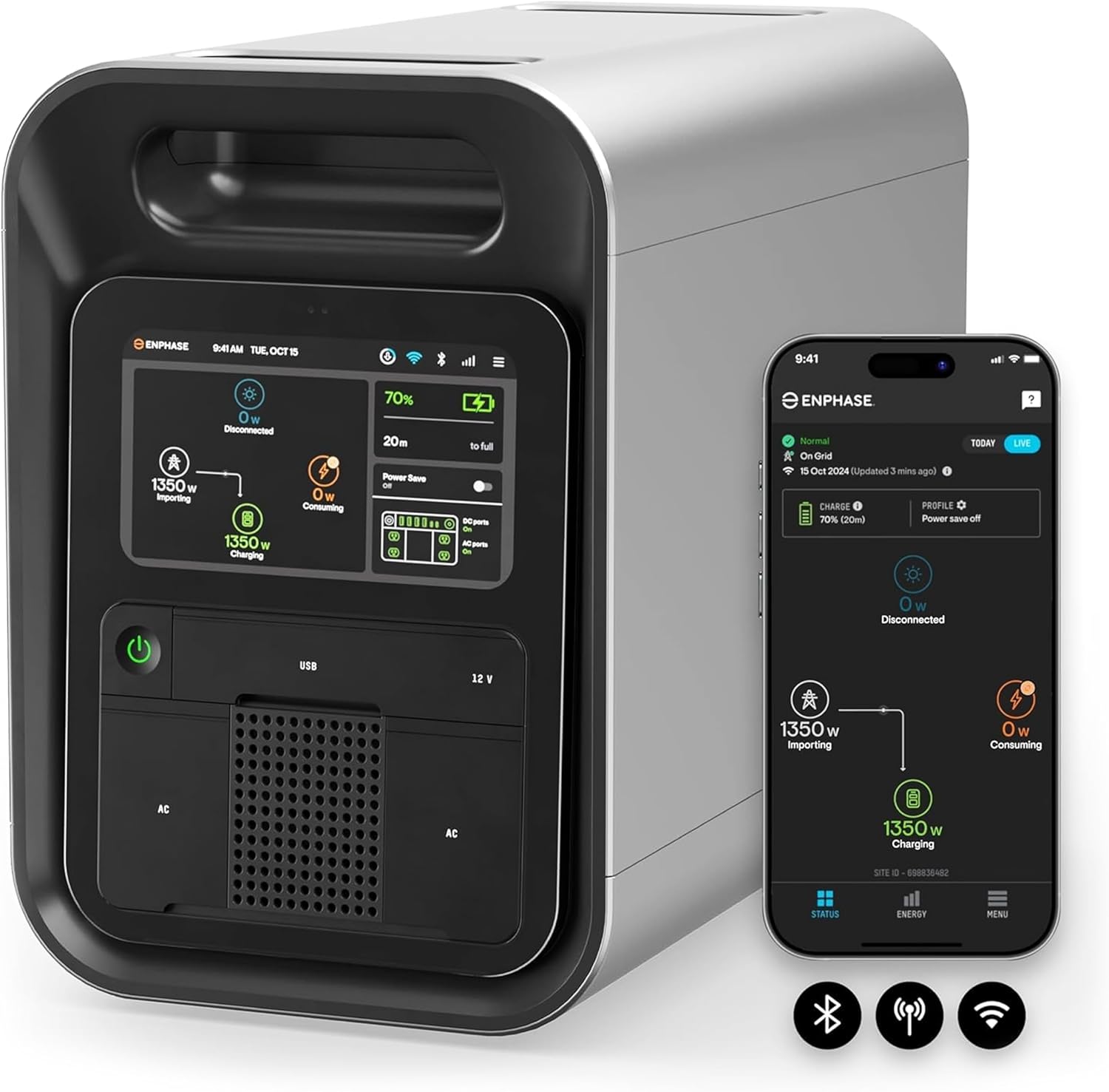
Even though it’s usually paired with solar, it can run without it. A lot of U.S. homeowners don’t know that.
Now! Compare The Best Home Battery Backup Machine Without Solar Power
| Product | Storage Capacity | Output Power | Solar Optional | Ideal For |
| EcoFlow Delta Pro 3 | 4–12+ kWh | 4000W | Yes | Long outages, small homes |
| Jackery Explorer 2000 Plus | 2–12 kWh | 3000W | Yes | Renters, small apartments |
| Enphase IQ Battery | 3–12+ kWh | Whole-home | Yes | Permanent home install |
Extra Cost: It’s More Than Just the Battery
Let’s be upfront about the investment for a whole-home system.
- Equipment Cost: The battery unit itself is a major part.
- Installation Cost: This includes the critical automatic transfer switch, wiring, and labor by a licensed electrician. This can sometimes be as much as the battery.
- Potential Incentives: This is crucial. The federal Investment Tax Credit (ITC) now applies to standalone battery systems installed in this year, as long as they have a capacity of 3 kWh or more. This can cut your costs by 30%. Always check the latest IRS guidelines and for any state-specific rebates.
For a portable power station, the price you see is typically the price you pay, minus any sales.
How to Choose the Right Home Battery Backup
1. How long are your outages?
- < 2 hours → small portable unit OK
- 2–12 hours → mid-size portable or expandable
- 12+ hours → whole-home system
2. What appliances must stay on?
Here’s what typical devices use:
| Appliance | Avg Watts |
| Refrigerator | 150–250W |
| WiFi Router | 10–20W |
| Laptop | 60W |
| CPAP Machine | 30–60W |
| Window AC | 500–1200W |
| Sump Pump | 700–1200W |
List what you need → choose capacity accordingly.
3. Do you want your backup to turn on automatically?
If yes → choose a model that supports a transfer switch.
4. Do you want something portable?
Most homeowners prefer portability unless they want whole-home coverage.
Is a Home Battery Backup System Without Solar Panels Right for You? Ask Yourself These Questions Before Making a Final Decision.
Before you take the plunge, consider your situation:
1. How frequent and long are your power outages? If they’re rare and short, a portable station may suffice. If they’re common and long, a whole-home system provides peace of mind.
2. What do you absolutely need to power? Make a list of your essentials: refrigerator, furnace blower, well pump, modem/router, medical devices. Calculate their total wattage to determine the capacity you need.
3. What is your budget? A portable power station is a fantastic, low-commitment way to start. A whole-home system is a long-term investment in your home’s resilience.
4. Do you have Time-of-Use rates? Check your electricity bill. If you do, the financial argument for a battery becomes much stronger.
Related Article: Best Solar Battery Backup System for Home Power.
My Final Verdict: A Smart Investment in Modern Resilience
Getting a home battery backup without solar power was one of the best decisions I’ve made for my family’s comfort and security. It freed me from the anxiety of storm season and the hassle of a gas generator.
In 2026, with an increasingly unpredictable grid and new financial incentives, there’s never been a better time to explore this powerful technology. You don’t need solar to take control of your home’s power.
And if you ever decide to add solar later, most top models are ready for that upgrade.
Need a more tailored recommendation for your home size and outage frequency? Just tell me your appliances + typical outage duration—I’ll match you with the right system.
OR,
NOTE: Remember to consult with a qualified local electrician for a precise quote and to ensure your home’s electrical system is compatible. Check manufacturer websites for the most current product specifications and pricing.