
Why I Trust Residential Solar Backup Power Systems More Than Ever
Living in the U.S., I’ve seen firsthand how power outages—from heat waves, hurricanes, winter storms, and aging grid infrastructure—can derail an entire day. That’s exactly why residential solar backup power systems have exploded in popularity. They give homeowners something priceless: energy independence, cost savings, and the peace of mind that your home won’t suddenly go dark.
If you’re exploring solar + battery backup for the first time, or comparing products for an upgrade, this guide breaks everything down in simple, credible, and practical terms.


What Are Residential Solar Backup Power Systems?
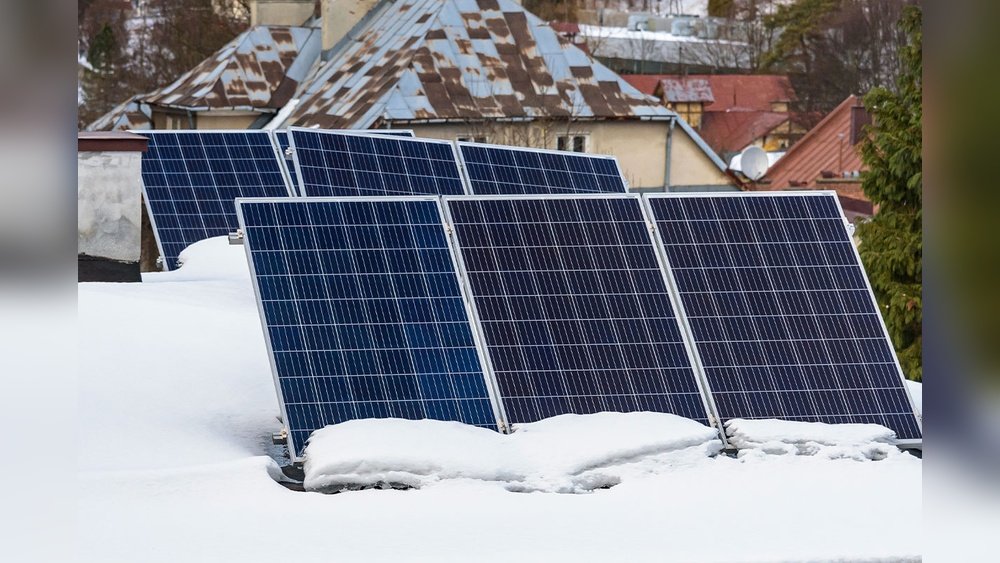
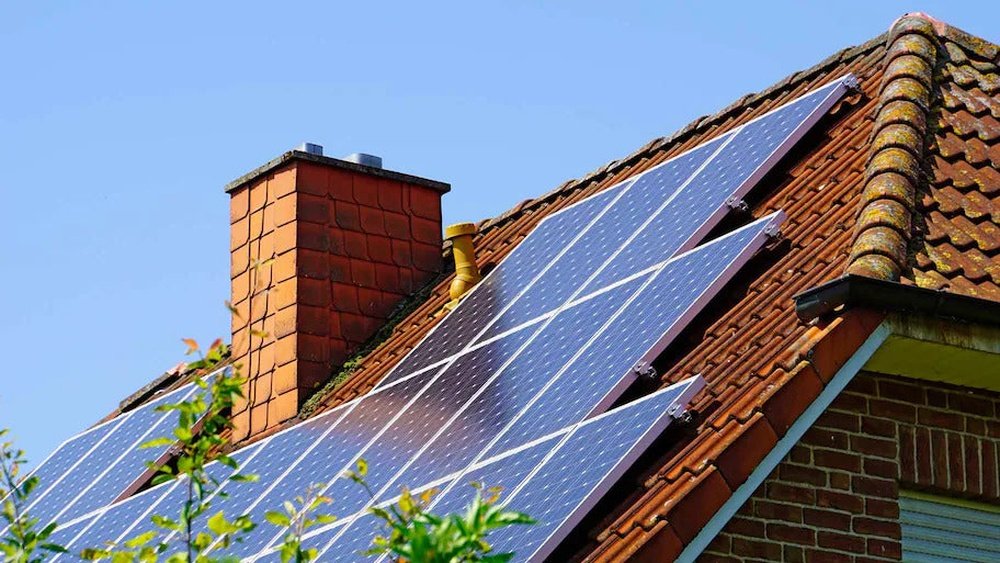
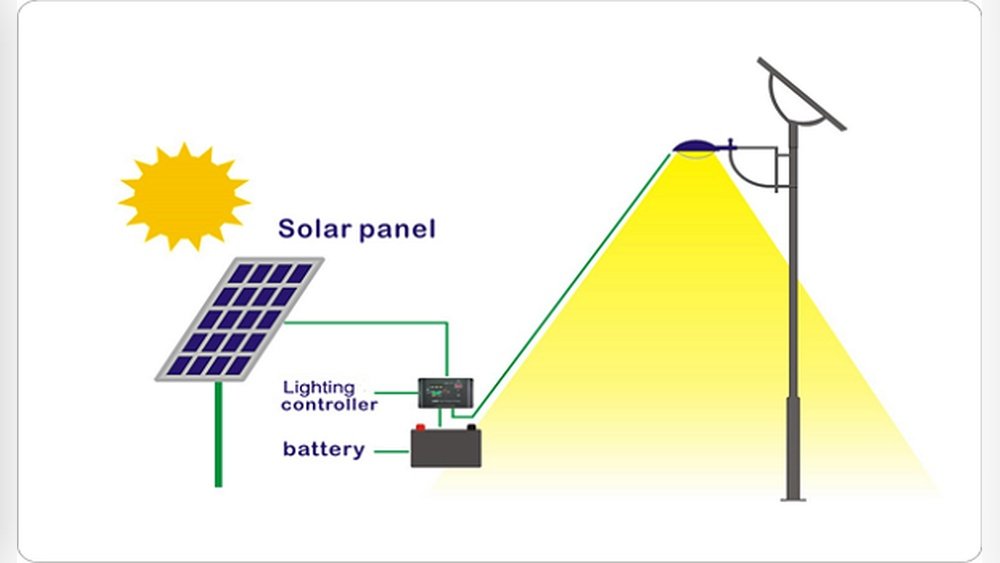
At their core, these systems combine solar panels + an energy storage battery to power your home when the grid fails.
How They Work
- Solar panels generate electricity
- A solar inverter converts that power into usable AC energy
- Excess energy charges your backup battery
- When the grid goes down, the system automatically switches to battery mode
I often describe it like a “home energy savings account“—you save solar energy during the day and withdraw it when you need it most.
You Can Read: How to Get Home Battery Backup Without Solar Power?
Types of Residential Solar Backup Power Systems
Not all systems work the same. Here are the main categories I walk homeowners through:
1. Solar + Battery Backup (Most Popular)
This is the modern gold standard: clean, quiet, automatic.
Pros:
- No fuel needed
- Low maintenance
- Silent operation
- Optimizes monthly energy savings
Cons:
- Higher upfront cost
2. Solar + Hybrid (Battery + Generator)
Great for rural areas needing multi-day protection.
3. Off-Grid Solar Systems
These systems fully disconnect from the utility grid. Best for cabins or remote properties, not typical suburban homes.
Top Residential Solar Backup Power Systems
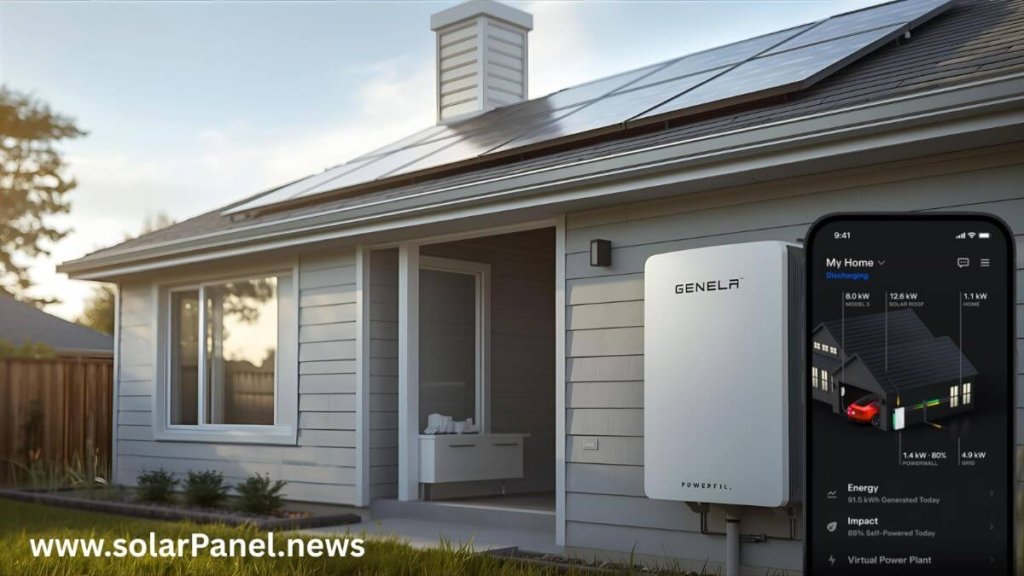
Here are four strong systems to consider for whole-home or partial backup power, depending on your needs — from a traditional standby generator to modern hybrid inverters.
Most Choice: Tesla Powerwall 3

A well-known option with strong whole-home backup capabilities.
- Battery Capacity: 13.5 kWh
- Peak Power: 10 kW
- Best For: Homeowners wanting a sleek, automated system with app-driven insights
Learn more about the Tesla Powerwall 3 Edition
Best for: Homeowners who want a reliable, fuel-powered backup option that kicks in automatically during prolonged or frequent outages, and don’t mind the infrastructure (fuel supply, maintenance) that comes with a generator.
Top 5 Portable Residential Solar Backup Systems Cheaper Than Tesla Powerwall
1. EF EcoFlow Delta Pro 3 Solar Generator
For serious home backup, especially when you want to run several heavy appliances or need long-term storage, the Delta Pro 3 is a powerhouse.

Six (06) reasons for recommendation:
- Huge capacity: 4,096 Wh LiFePO₄ battery gives very good backup for when the lights go out, and it’s rated for 4,000+ cycles, so it’s built to last.
- Strong AC output: 4,000 W continuous with the ability to surge higher (thanks to its “X-Boost” mode).
- Fast recharging: Can take in up to 2,600 W of solar input, plus AC, so it recovers pretty quickly when you have good sun.
- Robust design: IP65-rated casing (so some dust and water resistance) and built-in wheels + a telescoping handle make it more portable than its weight suggests.
- Reliable UPS: Less than 10 ms switchover, which is great for sensitive electronics.
- Smart control: You can monitor and control it via the EcoFlow app over Wi-Fi or Bluetooth.
Things to Consider / Trade-Offs:
- Weight: This is a very heavy unit (~113 lb / 51.5 kg), so not something you’d carry around lightly.
- Price: Given its power and capacity, it’s an investment (but for many it’s worth for long-term backup).
- Some user notes: A few users report issues like ripple on the 12 V DC output or design quirks when charging from AC.
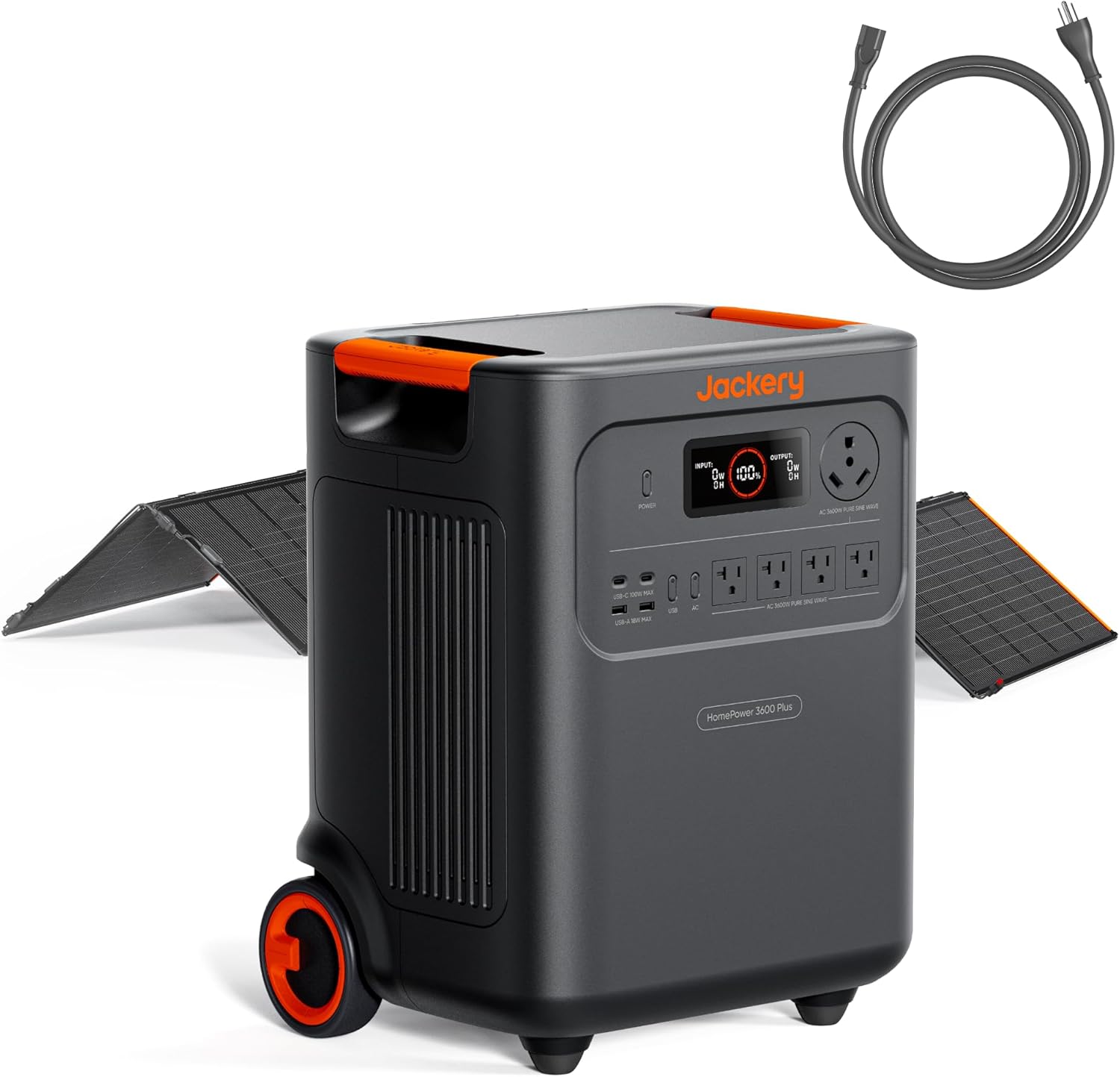
2. Jackery HomePower 3600 Plus
This Jacker 3.6k Plus Home Power Station is very flexible, expandable solution. Great if you want a durable, multi-day “essentials backup” with room to grow over time.
7 notable features to recommend:
- Very solid capacity: 3,584 Wh base, and it’s expandable — up to 21 kWh with additional battery packs per Jackery’s design.
- High output: 3,600 W continuous power, with surge capability, so it can run big home loads.
- Durable battery: Uses LiFePO4 cells, rated for 6,000 cycles according to Jackery — that’s really long-lived.
- Safety: High-temp resistant battery tested up to 302°F, which gives me peace of mind.
- Portable design: Luggage-style with wheels and a telescopic handle—easy to roll around the garage or house.
- Flexible output: Dual voltage (120V/240V) allows use with a wide variety of appliances.
- Good solar input: Supports up to ~1,000 W solar input (if paired properly).
Things to Consider for Jacker 3.6k Plus:
- Weight: At ~77 lb, it’s more manageable than the EcoFlow, but still not trivial.
- Expansion cost: If you want full 21kWh, adding extra battery packs can add up.
- Charging speed: Depending on how you charge (AC vs solar) it may take a while to refill.
3. BLUETTI AC200L Solar Generator Kit
Bluetti AC200L Solar Backup System is a well-rounded option for moderate backup — powerful enough for many home uses, but not quite whole-home unless combined with extra batteries.

What I Like BLUETTI Solar Backup Power Generator:
- 2000+ Wh capacity: The 2,048 Wh LiFePO₄ battery is robust and supports many home loads.
- Strong power output: 2,400 W continuous, and “power-lifting” up to about 3,600 W for surges.
- Fast charging: Supports up to 2,400 W when combining AC + solar, and solar input up to ~1,200 W.
- App / remote control: Wi-Fi/Bluetooth remote control makes it easier to monitor.
- Long life: LiFePO4 battery gives good cycle life (3,000+ cycles reported).
- Reliable UPS: Designed for backup use; can switch to battery power quickly.
Trade-Offs:
- Heavy: ~62 lb / 28.3 kg – not very portable unless you have help.
- Mixed user reports: Some users say when the unit fully discharges during an outage, it doesn’t automatically power back on when grid returns without manual intervention.
- Customer service: A few users report difficulties with after-sales service.
4. Jackery Solar Generator 300
Jackery Solar Generator 300 with solar panel is the best for minimal circuits or as a portable supplement to a larger backup battery. Lightweight, reliable, but not for full-home demands.

4 good reasons to consider the Jackery 300 Portable Solar Backup Power Generator
- Very portable: 293 Wh capacity in a compact and lightweight frame — ideal for small backup loads or camping.
- Pure sine wave inverter: Clean AC output so it can safely power sensitive electronics like laptops or routers.
- Easy to use: Simple setup, easy carry, and good for plugging into a manual transfer switch for essential-load backup.
- Efficient recharging: Supports recharging via solar, wall, or even car (depending on setup).
Also Trade-Offs Jackery 300 Sun Powered System:
- Limited capacity: 293 Wh is not enough for heavy appliances — more suited to lights, Wi-Fi, small devices.
- Not long-term backup: This is more of a “just in case” or “lightweight essential” generator rather than a full-day outage solution.
5. OUPES Mega 1 Solar Generator
OUPES Mega 1 is a mini and great mid-level backup that’s very flexible. Expandable, powerful, and smart — a strong pick for homeowners who want modular growth.

What I Like:
- Balanced power: 1024 Wh LiFePO4 battery is enough to run essential devices, and you can expand it to 5,120 Wh by adding extra batteries.
- High output: 2,000 W AC output (and surge up to 4,500 W) lets you run pretty serious loads for a portable system.
- Many ports: 13 outputs (AC, USB-A, USB-C, 12V) mean you can power a wide variety of devices at once.
- Fast charging: Up to 1,400 W AC charging, and 800 W solar input, so it’s relatively quick to recharge.
- Smart control: Connect via Wi-Fi / Bluetooth to its app, monitor power, and manage settings remotely.
- Fast switchover: < 20 ms UPS/EPS, so it’s good for sensitive electronics.
- Long cycle life: ~3,500 cycles to 80% for the base battery.
Things to Consider the OUPES Mega 1:
- Weight: At 27.8 lbs (12.6 kg), it’s portable, but not “pocket”-portable.
- Expansion cost: To get to 5,120 Wh, you need to invest in additional battery packs.
- Operating temperature: Designed for 0–40℃, so extreme climates may affect performance.
✅ My Recommendation (From a Homeowner’s View)
1) For maximum flexibility + capacity, the EcoFlow Delta Pro 3 is my top pick.
2) For modular, long-term expansion, the Jackery HomePower 3600 Plus stands out.
3) For compact but powerful backup, especially for a few essential circuits, the OUPES Mega 1 is smart.
4) For fixed home battery, the Tesla Powerwall 3 is the gold standard if you’re okay with professional install.
How to Choose the Right Residential Solar Backup Power System for Your Home
This isn’t a one-size-fits-all purchase. You need to think about your specific needs. Ask yourself these questions:
- What are my essential appliances? Create a list of essential items you absolutely need during an outage (e.g., refrigerator, modem, medical equipment, and a few lights).
- How long do I need backup power for? Is it for a few hours until the grid comes back, or for multi-day resilience?
- What’s my budget? Systems range significantly in price, and your choice of battery and its capacity will be the biggest cost factor.
To help you compare, here’s a look at some of the leading brands:
| System | Battery / Storage | AC Output / Power | Key Strengths | Notes & Considerations |
| EF EcoFlow Delta Pro 3 Solar Generator | 4,096 Wh (LiFePO4) | 4,000 W continuous, 6,000 W X-Boost, 8,000 W surge | Huge capacity, very high surge, split-phase 120/240V, app + Wi-Fi/Bluetooth control, 10 ms UPS cutover | Weighs ~113 lb (51.5 kg) — more “portable” for garage or basement use than for backpacking. Solar input up to 2,600W for fast recharging. |
| Jackery HomePower 3600 Plus | 3,584 Wh (LFP) (Expandable up to ~21 kWh via stacking) | 3,600 W continuous, 7,200 W surge | Very long cycle life (6,000 cycles), dual-voltage 120/240V, wheels + handle, robust safety (high-temp resistant cells) | Solar input up to 1,000W via 2 DC ports. Excellent for long-duration emergencies, but less capacity than Delta Pro 3 unless you stack more batteries. |
| BLUETTI AC200L Solar Generator Kit | ~2,048 Wh LiFePO4 | 2,400 W continuous, “power-lifting” 3,600 W, 4,800 W surge | Lightweight-ish (~62 lb / 28.3 kg), MPPT with 1,200W solar input, app control, pass-through charging | Good for moderate loads, but for whole-home backup, you’d need expansion batteries. Some users note that actual usable energy can differ from theoretical max under light loads. |
| Jackery Solar Generator 300 | 293 Wh (internal battery) | 300 W pure sine AC | Ultra-portable, ideal for very light backup (router, small light, laptop) | This is more of a “mini backup” than a full home system — good for outages but not for heavy appliances. (Specs based on typical Explorer-type Jackery units.) |
| OUPES Mega 1 Solar Generator | 1,024 Wh (expandable to 5,120 Wh with two extra battery packs) | 2,000 W continuous, 4,500 W surge | Fast charging (up to 2,200W AC + PV), smart app control, < 20 ms UPS for backup switching | Very flexible. You can start with the basics and expand later. Battery chemistry is LFP (durable). Great for essential circuits, but still won’t match a whole-home fixed battery for long-duration outages. |
| Tesla Powerwall 3 (Wall-Mounted Home Battery) | 13.5 kWh usable (nominal) | 5.8 kW – 11.5 kW (depending on mode) | Designed specifically for home solar + backup; high continuous power, IP67 rated, integrates with Tesla app & gateway | Permanent installation required (wall or floor mount), heavier, and more like a “real” home battery than a portable generator. 10-year warranty (per Tesla datasheet). |
- Capacity is a measure of total energy stored.
NOTE: Consult a local installer for latest models, pricing, and federal/state incentive eligibility.
Related Post: Best Solar Battery Backup System for Home
Conclusion,
If you want more control over your energy future, fewer disruptions during outages, and a long-term way to cut electric bills, residential solar backup power systems are one of the smartest upgrades you can make. They deliver reliability, efficiency, and a sense of security that’s hard to match with any other home energy technology.