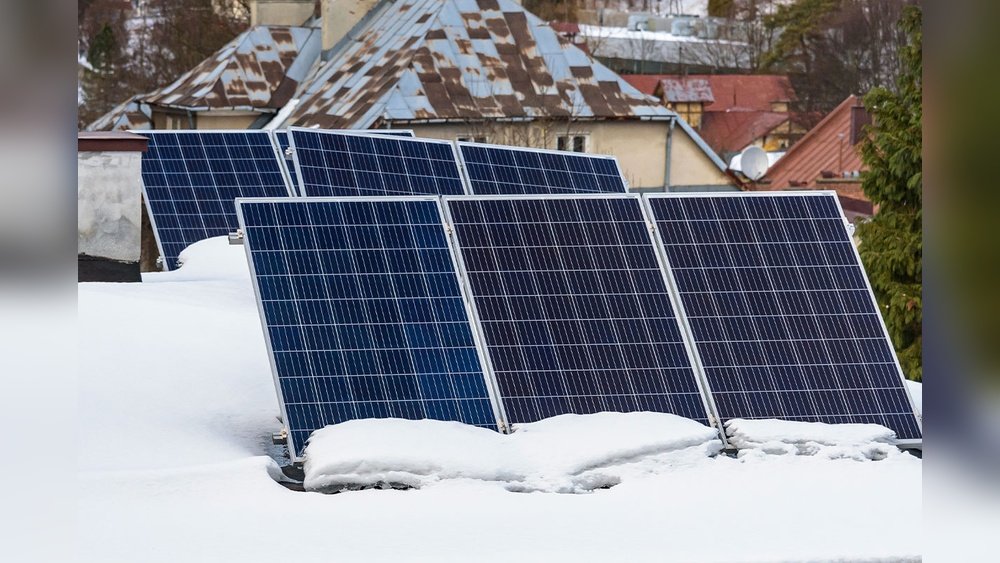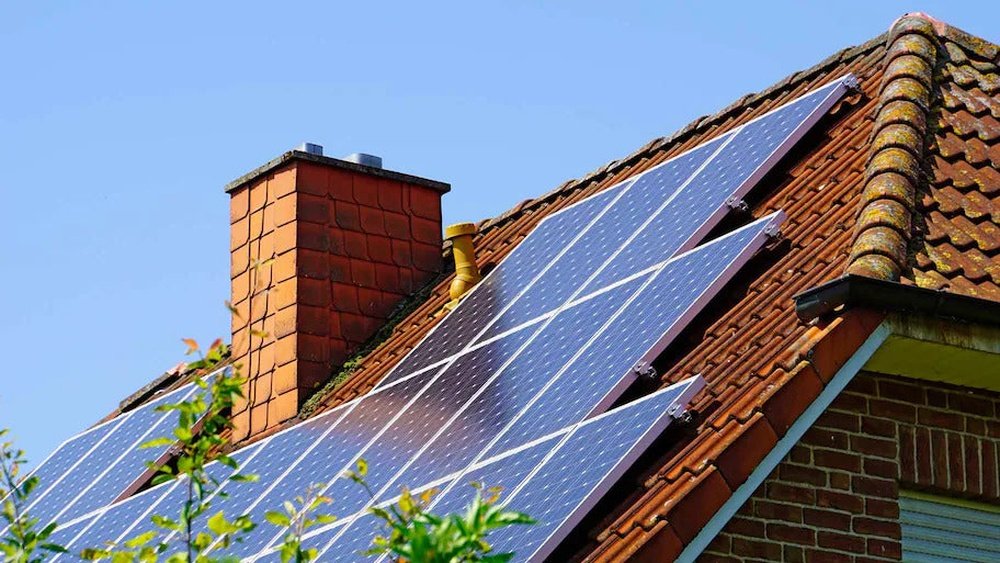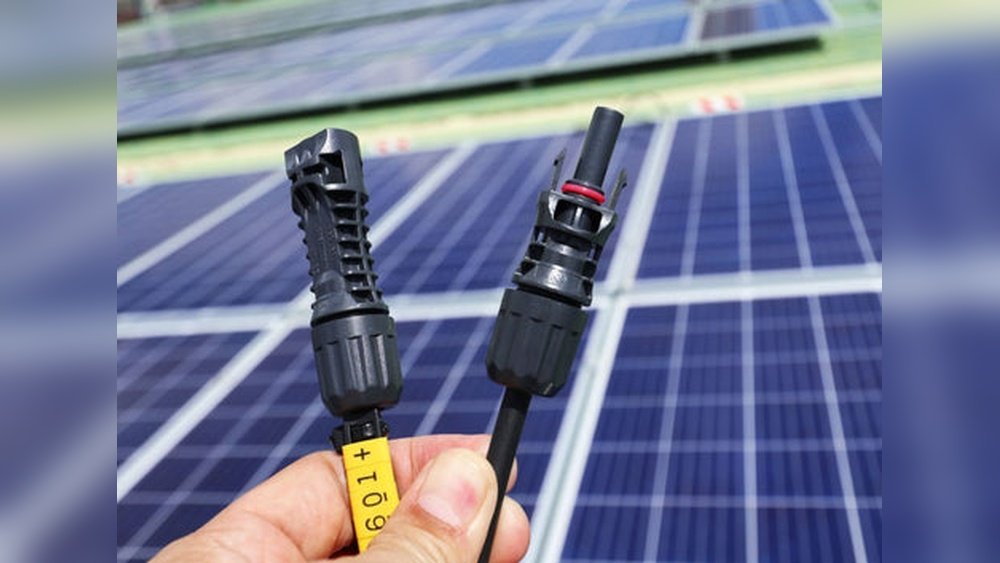

If you’re researching solar panels with battery backup for home use, you’re probably looking for one thing: reliable, affordable home energy that keeps your family powered even when the grid goes down. Living in the U.S., I’ve experienced my share of outages—ice storms, grid overloads, even construction mishaps—and that’s exactly what pushed me to learn how solar + storage systems actually perform in real homes.


Below is the guide I wish I had before I installed my own system.
Why Solar Power Systems for Home Use Are Becoming Standard
Solar alone is great, but without a battery, most grid-tied systems shut down during an outage for safety reasons. A battery changes everything.
With solar + storage, you can:
- Keep essentials running during blackouts (fridge, Wi-Fi, lights, medical devices)
- Slash monthly bills by using stored power during peak-rate hours
- Protect your home from rising utility costs
- Move closer to energy independence over time
Pros & Cons of Using Solar Panels with Battery Backup System for Home
Pros
✔ Protects your home during outages
✔ Cuts energy costs long-term
✔ Adds property value
✔ Tax credits reduce cost
✔ Works well with EV charging
Cons
✘ Higher upfront cost
✘ Battery capacity limits high-wattage appliances
✘ May require panel upgrades in older homes
How a Home Solar + Battery System Actually Works (Simple Rules)
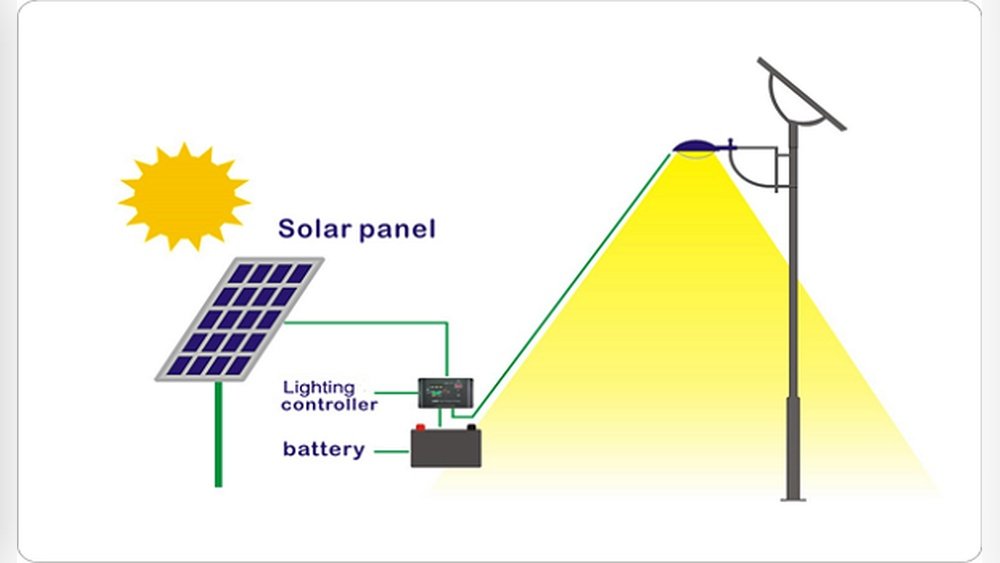
When sunlight hits your panels, energy flows in three possible directions:
- Powers your home first
- Charges your battery (once your immediate needs are covered)
- Sends excess to the grid—earning credits where net metering still exists
During an outage, your home automatically transitions into “island mode,” and the battery becomes your private microgrid.
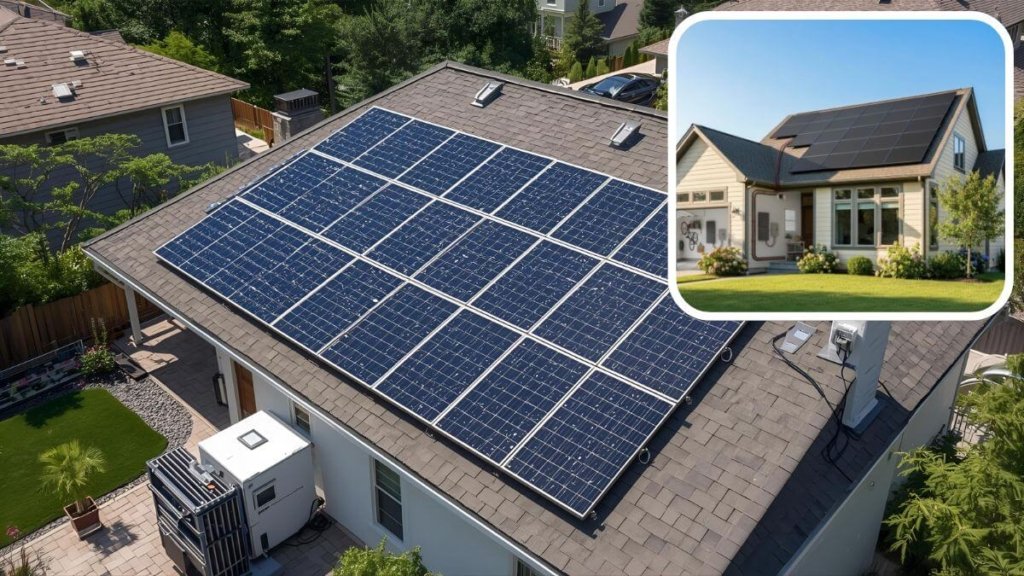
Best Solar Panels with Battery Backup for Home Use
Below is a practical, homeowner-friendly comparison of popular solar + storage systems. I’ve included major brands because they offer strong support, warranties, and nationwide installation networks.
🔋 Top Residential Solar + Battery Systems
| System | Battery Capacity | Ideal For | Key Strengths |
| Tesla Powerwall 3 + Solar | 13.5 kWh | Whole-home or partial backup | High efficiency, app control, strong surge power |
| SunPower Equinox + SunVault | 13–26 kWh | High-efficiency panel homes | Premium panels, great warranty |
| Enphase IQ Battery + Microinverters | 5–40 kWh (stackable) | Modular expansion | Excellent reliability, panel-level control |
| Panasonic EverVolt System | 11–17 kWh | High-reliability installations | Great in hot climates, flexible setup |
| Generac PWRcell Solar + Battery | 9–18 kWh | Heavy load homes | Strong power delivery, scalable |
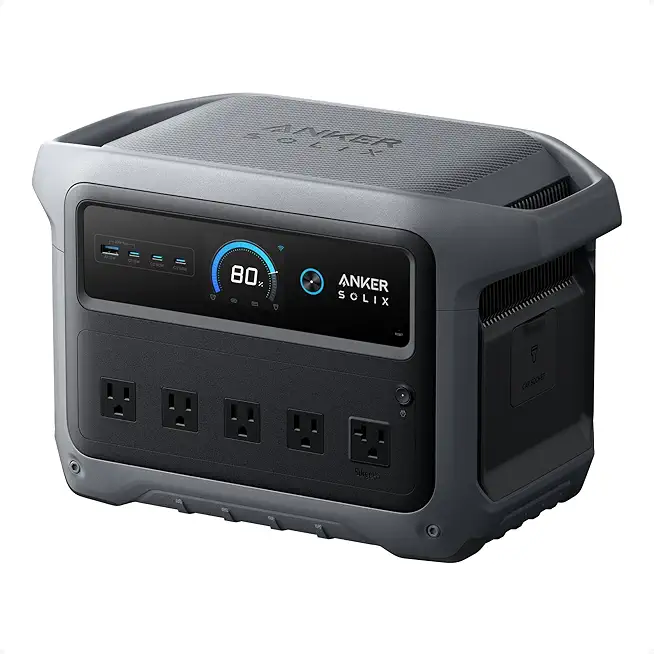
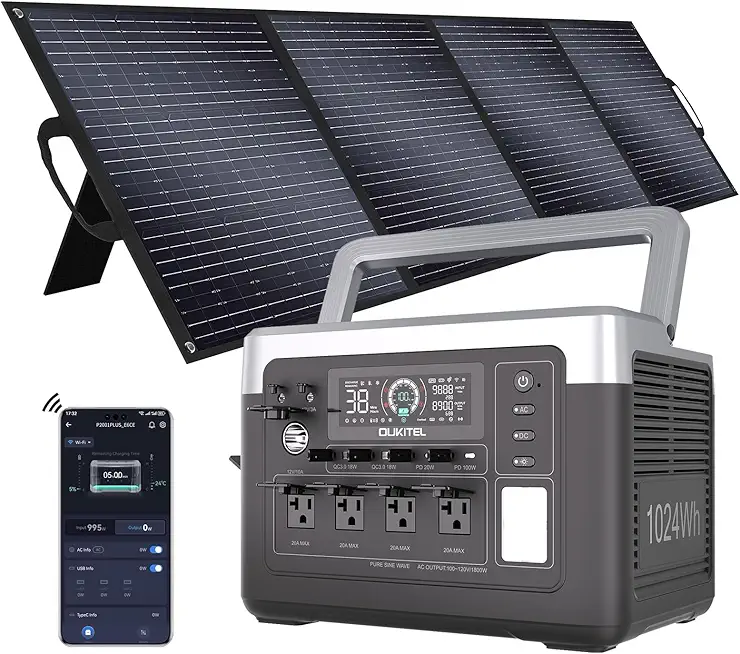
Solar Panels with Portable Battery Backup for Home Use


NOTE: You will not get all kinds of benefits from all brands, but you will get some common benefits from almost all brands, such as: auto system, solar panel adjustment package, inverter/controller, warranty, etc.
What to Look for When Choosing Solar Panels with Battery Backup for Home Use
From my practical experience: the best approach is to evaluate based on your power usage, not just the brand.
1. Battery Capacity (kWh)
A typical U.S. household uses 28–32 kWh/day.
But for backup planning, think in essentials:
- Refrigerator + Freezer: ~1.2 kWh/day
- Wi-Fi + Lights: ~0.5 kWh/day
- Sump pump: ~1 kWh during storms
- Gas furnace blower: ~1 kWh/day
Most families do well with 10–20 kWh of storage.
2. Backup Type
- Whole-home backup: Runs everything but requires >30 kWh and a bigger budget.
- Partial/essential backup: More affordable; you choose circuits (fridge, outlets, lights).
3. Panel Wattage & Efficiency
In the U.S., 400–450W panels are now standard.
Look for:
- ≥20% efficiency
- 25-year output warranty
- Strong performance in heat (important in the South & Southwest)
4. Warranty and Support
At a minimum:
- 25-year solar panel warranty
- 10-year battery warranty
- Local installer with real customer support (not just national call centers)
Estimated Total Costs and Payback
Let’s talk numbers. A system for solar panels with battery backup for home use is a significant investment. The battery itself often costs between $10,000 and $20,000 installed, on top of your solar panel system.
However, the Federal Solar Tax Credit can currently be applied to the cost of the battery, significantly reducing the final price. Some states and utilities offer additional incentives, so you must research local rebates and tax credits for your area.
The “payback” isn’t just financial. While you may save more on your bill, a large part of the value is the security and independence the system provides. For many, that’s worth the initial cost.
How to Size Your Own Solar + Battery System (Simple Formula)
Use this as a quick homeowner cheat sheet:
Step 1: Check your power bill
Find your avg. daily kWh usage.
Step 2: Multiply by sunlight hours
Most U.S. regions get 4–6 peak sun hours/day.
Step 3: Choose your backup hours
- 8 hours (short outages)
- 24 hours (overnight + cloudy)
- 48+ hours (storm-prone areas)
Step 4: Select battery size
Essential use × hours of backup = Recommended kWh
This method won’t give perfect engineering numbers, but it will get you close enough before talking to installers.
People Also Ask (FAQ)
Can a solar battery power my entire house during an outage?
It depends on your home’s energy usage and the battery’s size. Most systems are set up to power “essential loads” or a specific set of critical circuits (lights, outlets, fridge, etc.) to extend battery life. Whole-home backup is possible but requires a larger, more expensive system.
How long will the battery last if the power is out?
This varies wildly. If you’re just running a few lights, your fridge, and your Wi-Fi, a 10 kWh battery could last 24 hours or more. If you’re also running an air conditioner, it will drain much faster. N.B: A good installer will help you model your expected usage.
Do I need solar panels already to get a battery?
While they are designed to work together, some newer batteries can be installed without solar panels and can simply charge from the grid when rates are low. However, pairing them with solar unlocks their full potential.
Related Post: Best Residential Solar Backup Power Systems for Reliable Home Energy
Last words,
After conducting extensive research and drawing on my experience, I can confidently tell you that installing solar panels with battery backup for your home is one of the most empowering home upgrades you can make. It’s not just a financial decision; it’s a lifestyle and security decision.
If you live in an area with unreliable power, high electricity rates, or a desire to be more self-sufficient, the value is clear. It transforms your solar array from a bill-reducing tool into a true home energy resilience system.
Do your homework, get multiple quotes, and think about what peace of mind is worth to you. For me: it was worth every penny.