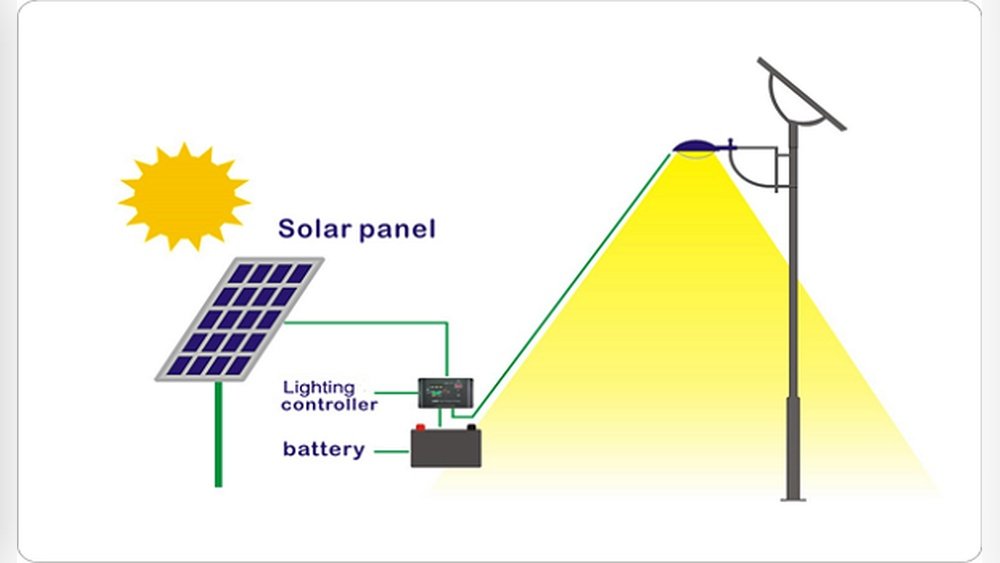

Power outages are a pain. Whether you need to keep the sump pump running or just want to charge your phone and keep the fridge cold, you need reliable backup. We’ve ranked the top options to help you find the best generator for house needs in under two minutes.
Compare The Best Generator for House
| Generator Brand | Power Output | Fuel Type | Best For |
| Growatt HELIOS 3600 | 3600W (7200W Surge) | Solar / Battery | Whole Home Integration |
| Jackery HomePower 3600 | 3600W | Solar / Battery | Portable Power |
| Westinghouse 12500 | 12,500W Peak | Gas / Propane | Heavy Duty Backup |
| DuroMax XP13000HX | 13,000W Peak | Gas / Propane | Max Power Output |
| maXpeedingrods 4000W | 4000W | Gas (Inverter) | Sensitive Tech / Budget |
Top 5 Generators to Power Your Home
Here is the breakdown of the best generator for house backup, from silent solar stations to gas-guzzling workhorses.
Growatt HELIOS 3600
Best for Smart Home Integration
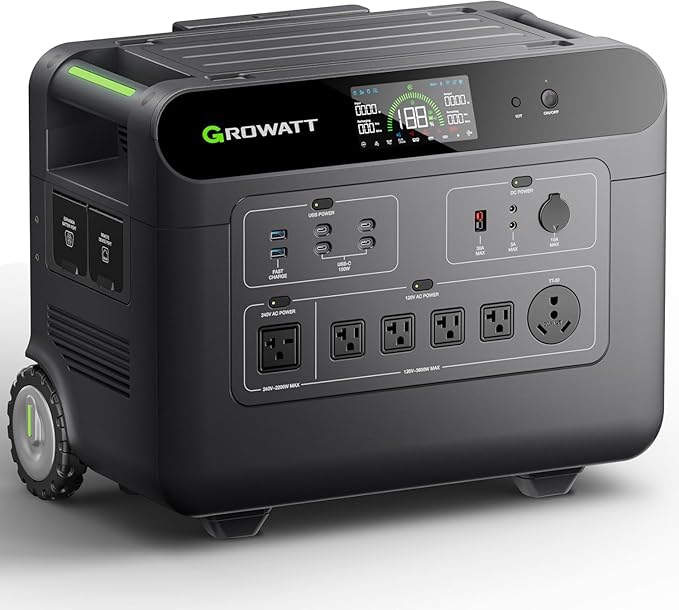
This isn’t your grandpa’s loud, smoky generator. The Growatt HELIOS is a beast of a battery backup that acts as a silent sentry for your home. It’s built for those who want to integrate solar and need massive expandability—up to 36kWh. It’s perfect if you hate noise and maintenance.
Key Features:
- Massive Output: 3600W AC output handles high-demand appliances like dryers or AC units.
- Expandable Juice: Can scale up to 36kWh, enough to run a house for days.
- Fast Charge: LFP battery tech ensures long lifespan and quick recharge times.
Pros & Cons
- Pros:
- Silent operation (no gas engine noise).
- Zero emissions, safe for indoor use.
- Modular design grows with your needs.
- Cons:
- Higher upfront cost compared to gas generators.
Jackery HomePower 3600 Plus
Best for Plug-and-Play Portability
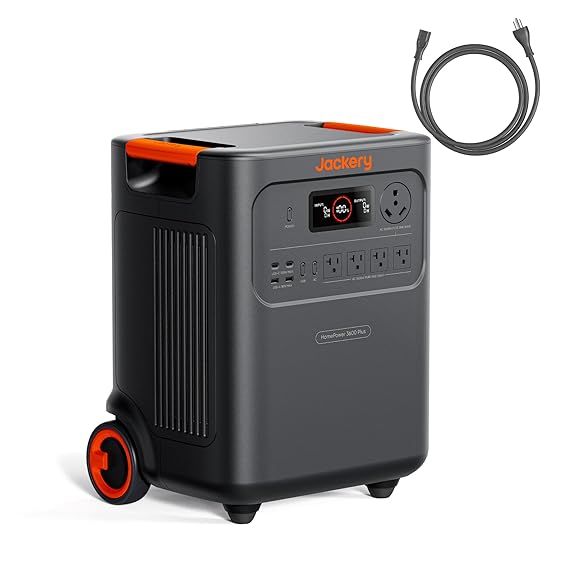
Jackery is the household name for portable power, and the 3600 Plus is their heavy hitter. It features a luggage-style handle and wheels, making it easy to roll out when the grid goes down. It’s a solid “grab-and-go” solution that doesn’t require complex installation.
Key Features:
- Portability: Built-in wheels and telescopic handle make moving this 3600W unit easy.
- LFP Battery: Durable LiFePO4 chemistry lasts over 10 years of daily use.
- App Control: Monitor battery levels and input/output straight from your phone.
Pros & Cons
- Pros:
- Extremely user-friendly interface.
- 5-Year Warranty provides peace of mind.
- Quiet and eco-friendly.
- Cons:
- Solar panels often sold separately (check the bundle).
Westinghouse 12500 Watt Dual Fuel
Best for Heavy Duty Whole Home Backup

If you need to power the entire house—HVAC, water heater, lights, and kitchen—this Westinghouse is your workhorse. It’s a dual-fuel monster that gives you flexibility during a crisis. If gas runs dry, just swap to a propane tank.
Key Features:
- Insane Power: 12,500 peak watts is enough to run central AC and major appliances simultaneously.
- Dual Fuel: Runs on gasoline or propane, vital when fuel shortages hit.
- Remote Start: Fire it up with a key fob without stepping out into the storm.
Pros & Cons
- Pros:
- Huge power-to-price ratio.
- Transfer Switch Ready (L14-50R outlet included).
- Rugged build.
- Cons:
- Loud operation compared to solar/inverter units.
DuroMax XP13000HX
Best for Maximum Power on a Budget
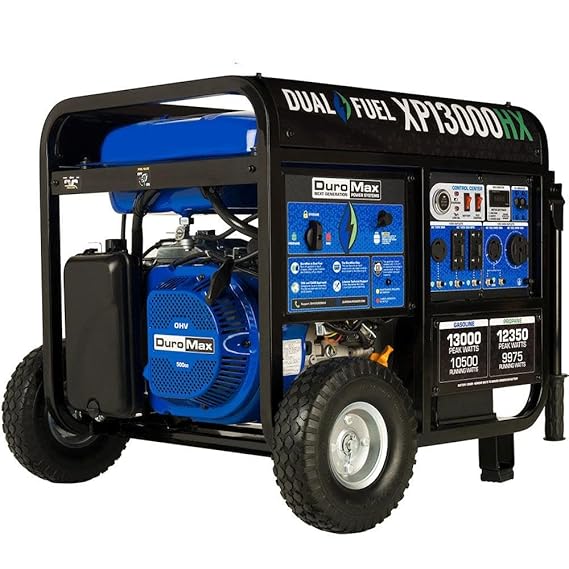
The DuroMax XP13000HX is a powerhouse designed to keep your lights on and your business running. It features “CO Alert” technology, which automatically shuts the unit down if dangerous carbon monoxide levels are detected—a literal lifesaver.
Key Features:
- Top-Tier Wattage: 13,000 starting watts makes it one of the most powerful portables available.
- Full Power Panel: Equipped with all the necessary outlets, including heavy-duty 50 amp plugs.
- Safety First: Integrated CO Alert enhances safety for residential use.
Pros & Cons
- Pros:
- Can power 240V appliances easily.
- Push-button electric start.
- All-metal construction.
- Cons:
- Heavy and bulky (needs a good spot for storage).
maXpeedingrods 4000 Watt Inverter
Best for Sensitive Electronics
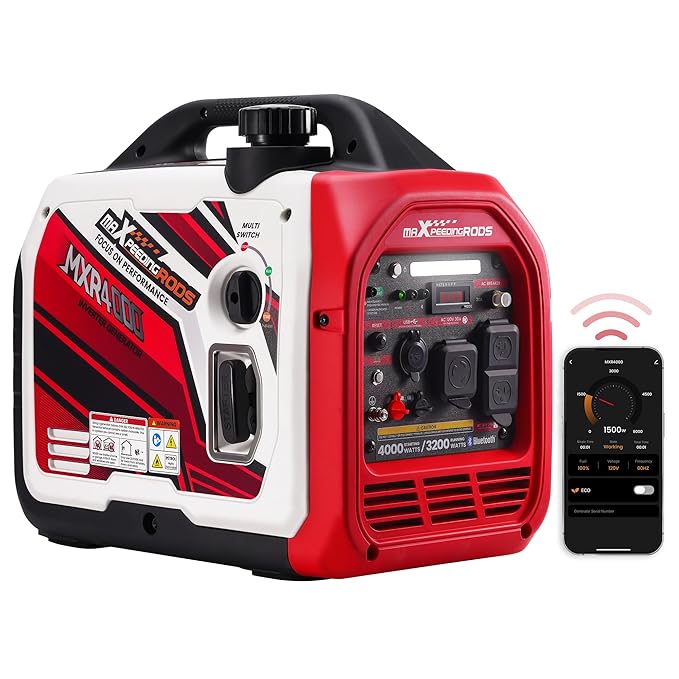
Need to keep the laptop charged and the Wi-Fi on without frying your tech? This inverter generator produces “clean” power (pure sine wave). It’s smaller, quieter, and perfect for backing up just the essentials or taking on an RV trip.
Key Features:
- Clean Power: Safe for sensitive electronics like phones, laptops, and medical devices.
- Smart Control: Bluetooth connectivity lets you monitor fuel and load from an app.
- Eco Mode: Adjusts engine speed to save fuel and reduce noise.
Pros & Cons
- Pros:
- Lightweight and portable.
- Very quiet compared to open-frame generators.
- Value pricing for an inverter.
- Cons:
- Lower power output (won’t run central AC).
Don’t Forget the Transfer Switch!
Never plug a generator directly into a wall outlet (backfeeding)—it’s dangerous and illegal. Always use a transfer switch or an interlock kit to safely connect a large generator to your home’s circuit breaker panel.