
Homeowners looking into solar usually fall into a practical middle ground. You want lower utility bills, some protection from outages, and a system that fits your house without turning your roof or garage into a science project. In places like New York and the surrounding suburbs, space, permitting, and winter performance matter just as much as raw wattage.
Some homes need a full off-grid setup, others just want a reliable backup or a way to offset peak electric costs. The best home solar panel system isn’t one-size-fits-all — it’s the one that matches how your household actually uses power, how much space you have, and how much complexity you’re willing to manage long term.
Best Home Solar Panel System Options Compared for Homeowners
| System | Power Capacity | Battery Included | Best Fit For | Main Limitation |
| Renogy 1180W Bifacial Panels | 1180W panels only | No | Grid-tied or custom builds | Requires separate inverter & battery |
| ECO-WORTHY 10KW Off-Grid Kit | 10KW inverter / 9.36kWh battery | Yes | Full off-grid homes | Large footprint |
| 220W N-Type Panel Kit | 220W | No | Small loads, sheds | Not for whole homes |
| 3000W 24V Complete Kit | 3KW inverter / 2.56kWh battery | Yes | Partial home backup | Limited runtime |
| Renogy 200W Starter Kit | 200W | No | Beginners, small systems | Very low output |
| ExpertPower 30KWH System | 13KW inverter / 30kWh battery | Yes | Whole-home power | Cost and space |
Renogy 1180W Solar Panels
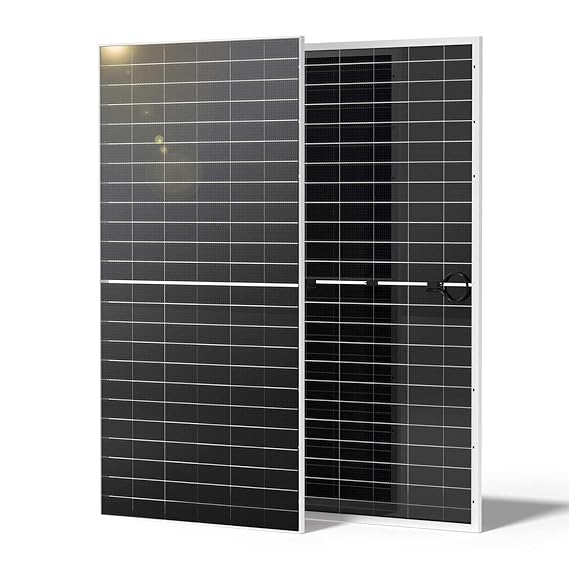
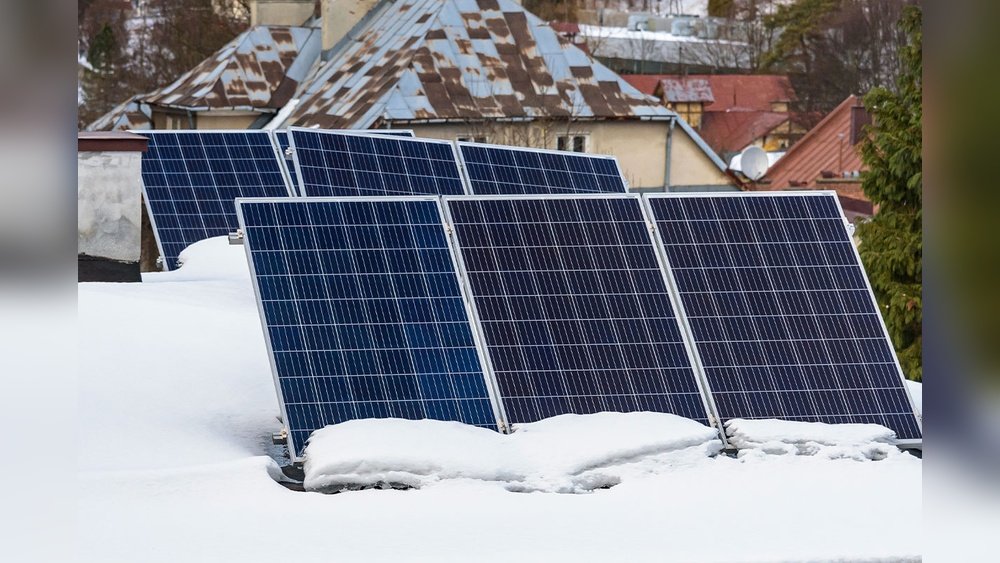
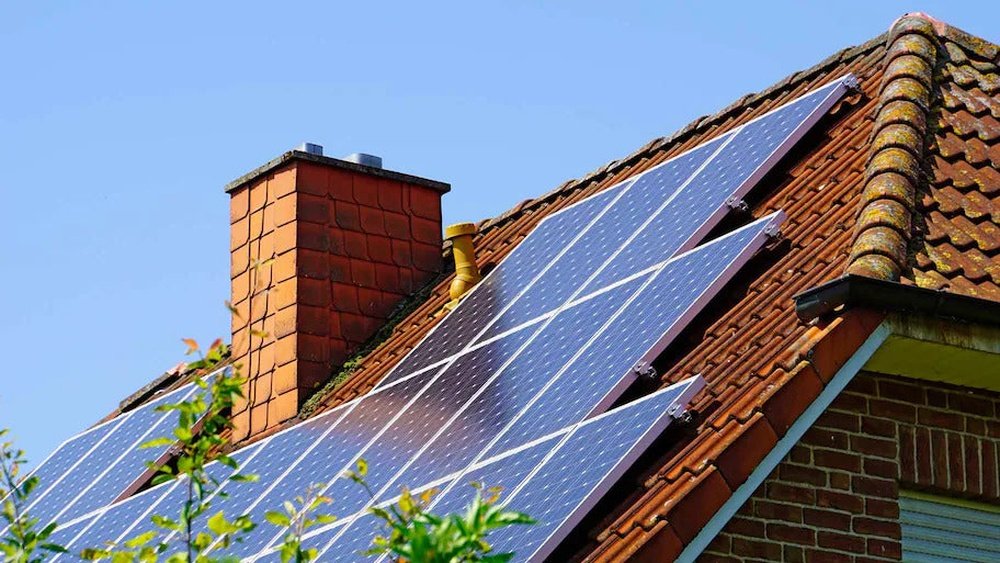
These are roof panels — the kind homeowners picture when they think about serious residential solar. The bifacial design helps squeeze extra output from reflected light, which is useful on flat roofs or light-colored shingles common in urban areas. This setup works best for homeowners who already plan to connect to a grid-tied inverter or a custom hybrid system.
The big upside is efficiency and long-term durability. The downside is obvious: panels alone don’t make a system. You’ll need an inverter, batteries, and professional planning.
Verdict: Best for homeowners building a custom solar setup or expanding an existing system.
ECO-WORTHY 10KW Off Grid Solar System Complete Kit
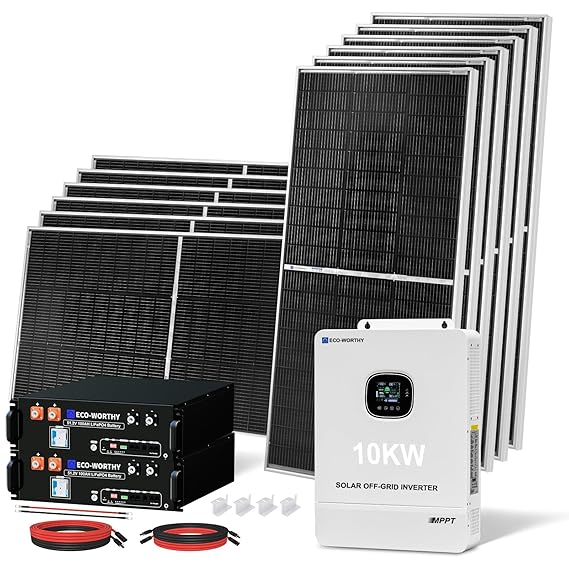
This is a true whole-house off-grid kit. It includes panels, a powerful inverter, and lithium batteries in one package. For homeowners who want independence from the utility company — or who deal with frequent outages — this setup delivers real capacity.
It’s large, heavy, and not subtle. You’ll need space for batteries and planning for installation. It’s also more system than many grid-connected homes actually need.
Verdict: Ideal for homeowners aiming for full off-grid living or reliable whole-home backup.
220W N-Type Solar Panel Kit

This kit feels more like a cabin or RV solar kit than a house system. It’s compact, efficient for its size, and easy to manage, but it simply doesn’t produce enough power for most homes.
Where it shines is powering a detached garage, shed, or emergency essentials like lights and device charging.
Verdict: Only suitable for very small home loads or secondary structures.
3000W 24V Solar Power System Complete Kit

This system sits in the middle ground. It’s enough to keep critical circuits running: fridge, lights, internet — during outages. Many homeowners use setups like this as a “partial backup system” rather than full-home solar.
The battery capacity limits long runtimes, especially in winter, but installation and maintenance are manageable.
Verdict: Good for homeowners who want backup power without committing to full off-grid living.
Renogy 200 Watt Starter Kit
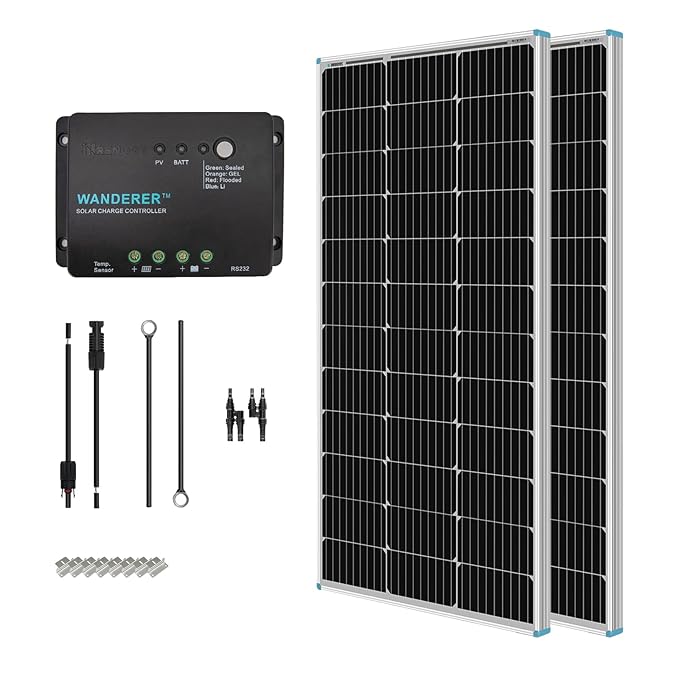
This is entry-level residential solar. It’s reliable, simple, and affordable, but output is minimal. Think trickle charging, lighting, or learning how solar works before upgrading.
Most homeowners outgrow this kit quickly once they see how much power a house really uses.
Verdict: Best for beginners testing solar on a small scale.
ExpertPower 30KWH 48V Solar Power System Kit

This is a serious residential solar power plant. With a massive battery bank and high-capacity inverter, it can realistically run an entire home — HVAC included, depending on usage.
It requires space, planning, and a homeowner comfortable managing a complex system. It’s not subtle, but it’s powerful.
Verdict: Best for large homes or households that want near-total energy independence.
How Homeowners Should Choose the Right System
Start by identifying what you actually want solar to do. If it’s bill reduction, panels paired with a grid-tied inverter make sense. If it’s outage protection, battery capacity matters more than panel count. Whole-home systems require space, permitting, and a long-term mindset. Smaller systems are easier to live with but won’t replace utility power.
Think about winter output, roof space, and whether you want simplicity or flexibility.
The best home solar panel system is the one that fits your house, lifestyle, and tolerance for complexity. Some homeowners want quiet savings over time. Others want the lights on no matter what. Once you’re clear on that goal, the right system becomes much easier to spot — and easier to live with for years to come.