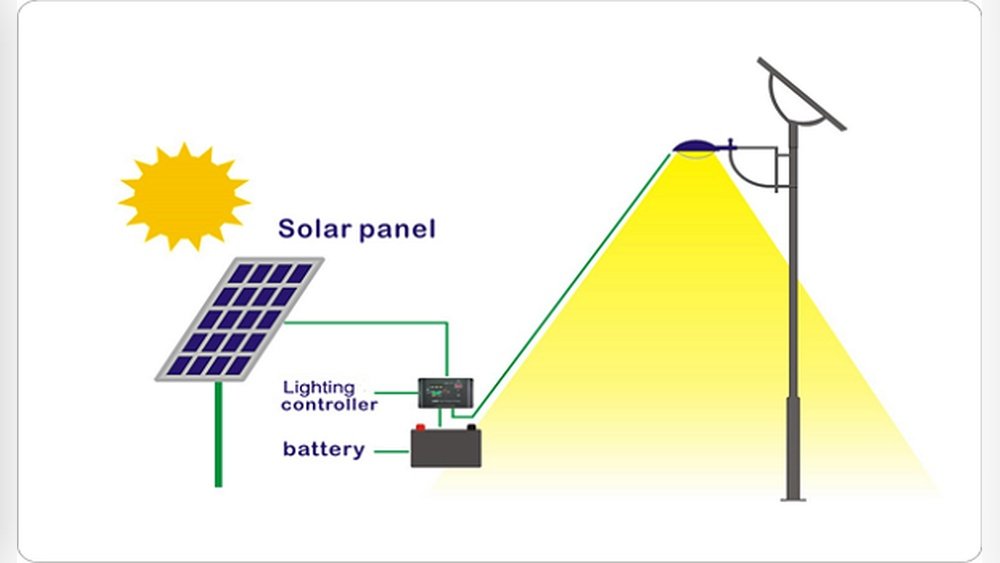

Stop fumbling for the porch light. These set-it-and-forget-it switches handle the heavy lifting of outdoor security. Whether you’re running a 12V solar rig or a standard 120V line, these beasts ensure your lights pop on the second the sun dips. Save cash and keep your home glowing without lifting a finger.
Best Smart Solar Light Switch Features
| Switch Brand | Best Use Case | Power Source | Special Sauce |
| BN-LINK Timer | Indoor In-Wall | 120V AC | Astronomical Tracking |
| DC 8-50V Sensor | Off-Grid Solar | 12V-48V DC | Wide Voltage Range |
| 12V 10A Photocell | RVs & Boats | 12V AC/DC | Compact Size |
| 120-277V Sensor | Commercial Gear | 120V-277V AC | High Compatibility |
| Auto Sensor 2pc | Weatherproof Areas | 110V-220V AC | Time Delay Tech |
| Hardwired Post Eye | Outdoor Posts | 120V-277V AC | UL Listed Safety |
Best Smart Solar Light Switch For Total Automation
Managing outdoor lighting shouldn’t be a chore. These switches use smart sensors and astronomical tracking to sync perfectly with the sun’s schedule. If you want a secure, bright home without the manual hassle, picking one of these winners is a total no-brainer.
BN-LINK 7 Day Astronomical Switch
Best for Indoor Control of Outdoor Lights
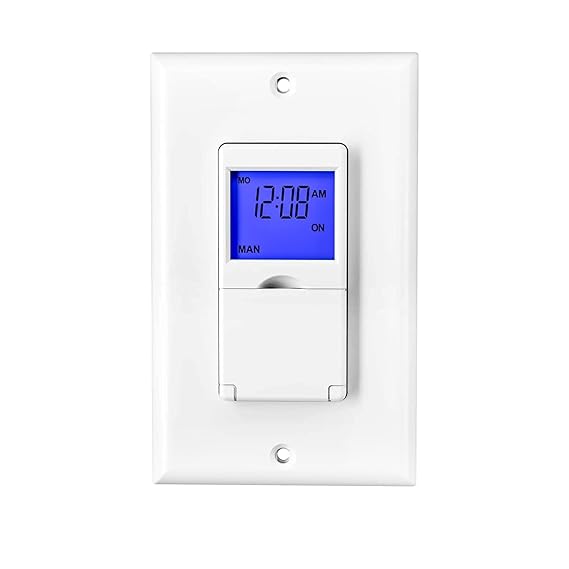
This wall switch is a total game changer for those who want a clean, indoor setup. It tracks the sunrise and sunset in your specific area, so you never have to adjust it as the seasons shift.
- Astronomical tracking automatically adjusts for daily seasonal changes.
- Large, backlit display makes programming a breeze even in the dark.
- Features a manual override button for when you need light right now.
- Includes a random “Vacation Mode” to trick burglars into thinking you’re home.
Why It Rocks & Why It Rolls
Pros:
- Set-it-and-forget-it seasonal automation.
- Saves energy by cutting power the second the sun rises.
- No external sensor eye needed.
Cons:
- Requires a neutral wire (DIYers, check your box first).
- Single-pole only; won’t work on 3-way setups.
DC 8-50V Dusk to Dawn Sensor
Best for Off-Grid Solar Power Systems

If you’re running a 12V or 24V solar setup, this 2-pack of sensors is your new best friend. It’s built to handle wide voltage swings, making it perfect for garden lights or remote sheds.
- Works with any system from 8V to 50V DC for ultimate flexibility.
- Tiny footprint allows for discreet installation anywhere.
- Built-in 5-10 second delay prevents “flickering” from passing car headlights.
- Heavy-duty build designed for long-term outdoor exposure.
The Highs & Lows
Pros:
- Massive voltage compatibility for solar batteries.
- Incredible value with a 2-pack bundle.
- Instant response to natural light levels.
Cons:
- DC only—do not hook this up to your house AC lines.
- Wires are a bit short for large junction boxes.
AC DC 12V 10A Photocell Switch
Best for Low-Voltage DIY Projects

This little pocket rocket is perfect for RVers or boaters. It handles 10 amps easily, meaning you can daisy-chain several LED strips or floodlights without frying the sensor.
- Dual compatibility works with both 12V AC and DC power sources.
- Simple 3-wire installation that any weekend warrior can handle.
- Robust plastic housing protects against the elements.
- Automatically turns off during the day to preserve battery life.
Winning Points & Trade-offs
Pros:
- Handles a beefy 10A load.
- Super cheap way to automate a camper or cabin.
- Small enough to hide inside a lamp post.
Cons:
- Plastic bracket can be a bit flimsy if over-tightened.
- Sensitive to light bounce-back (aim it away from the light source).
AC 120-277V Photoelectric Solar Light Switch
Best for Heavy-Duty Outdoor Fixtures
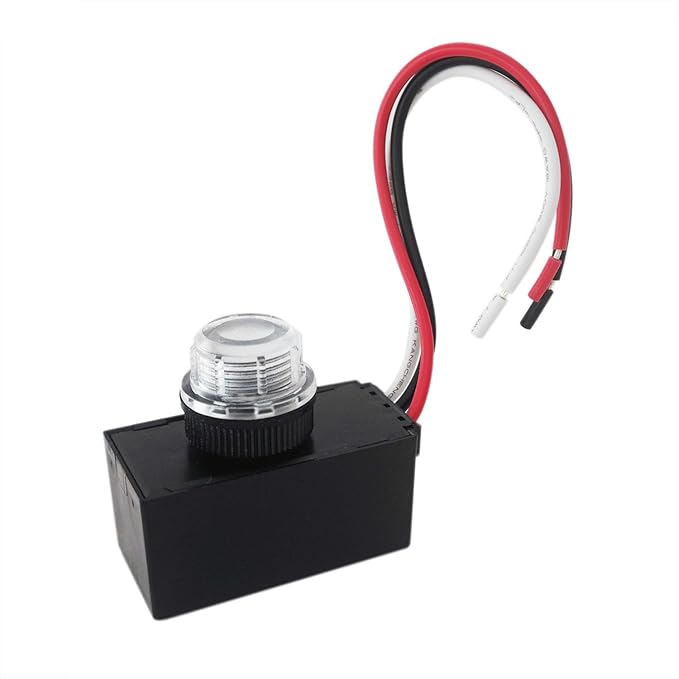
This is the heavy lifter for standard home or commercial lighting. It’s designed to screw right into a standard 1/2-inch knock-out hole, making it the go-to for porch lights and street lamps.
- Rated for up to 277V, so it laughs at standard 120V household power.
- Fast-acting sensor turns lights on exactly when you need them.
- Durable “post eye” design is built to withstand rain and snow.
- Works with LED, Incandescent, and Halogen bulbs.
The Good & The Bad
Pros:
- Industry-standard sizing for easy replacement.
- Very high voltage ceiling for commercial use.
- Reliable performance in extreme weather.
Cons:
- 6A limit is lower than some industrial models.
- Hardwired only; no “plug-and-play” option here.
Automatic Lighting Sensor Switch 2pcs
Best for Precision Light Control

These sensors feature temperature compensation, which is fancy talk for “they work even when it’s freezing or roasting outside.” They are great for areas with wild weather swings.
- Features a time delay to prevent accidental shut-offs from lightning.
- Temperature-compensated tech keeps the sensor accurate in all seasons.
- Water-resistant casing makes it a survivor in wet climates.
- Comes in a 2-pack so you can sync your front and back yards.
Top Tier & Weak Spots
Pros:
- Excellent stability in varying temperatures.
- Delay tech prevents annoying light flickering.
- Simple, clean look once mounted.
Cons:
- Instructions are a bit sparse for beginners.
- Housing is a bit bulky compared to slim models.
120V-277VAC Outdoor Photocell
Best for UL-Certified Security

When safety is the priority, go for the UL-Listed option. This hardwired post eye is a reliable workhorse for anyone wanting a professional-grade install that meets building codes.
- UL Listed for peace of mind and electrical safety compliance.
- Standard 1/2″ thread fits almost all outdoor light poles and boxes.
- High-quality photocell eye reduces false triggers from shadows.
- 5A rating is perfect for managing multiple LED floodlights.
Strengths & Shortcomings
Pros:
- UL Certification ensures top-tier safety standards.
- Tough, weather-resistant build quality.
- Consistent dusk-to-dawn performance.
Cons:
- Only rated for 5 amps.
- Wire leads are a bit thin; handle with care during install.
Pro Tip: Avoid buying “instant-on” sensors without a time delay. Without a 5-10 second delay, your lights will strobe like a disco every time a car drives by or a lightning bolt flashes. Always look for “Time Delay” or “Delay Action” in the specs!