
Thinking About Pressure Washing Your Solar Panels?
Let’s be honest—when you look up at your solar panels and see dust, bird droppings, or leaves, it’s tempting to grab a pressure washer. It feels like the fastest way to make them shine again. But before you aim that powerful spray, it’s smart to ask: is pressure washing really safe for solar panels? You’re not alone—many homeowners wonder about the risks and benefits. So, let’s clear up the confusion together and find out what’s best for your investment.
The Short Answer
Can you pressure wash solar panels? Technically, yes, you can—but you probably shouldn’t. While pressure washers clean fast, they can damage the delicate surfaces and electrical parts of solar panels. Instead, experts recommend gentler cleaning methods to protect your panels and keep them working efficiently.
Let’s dive deeper into why pressure washing isn’t ideal, what happens if you do it, and how to clean solar panels safely.
How Solar Panels Work And Why Cleanliness Matters
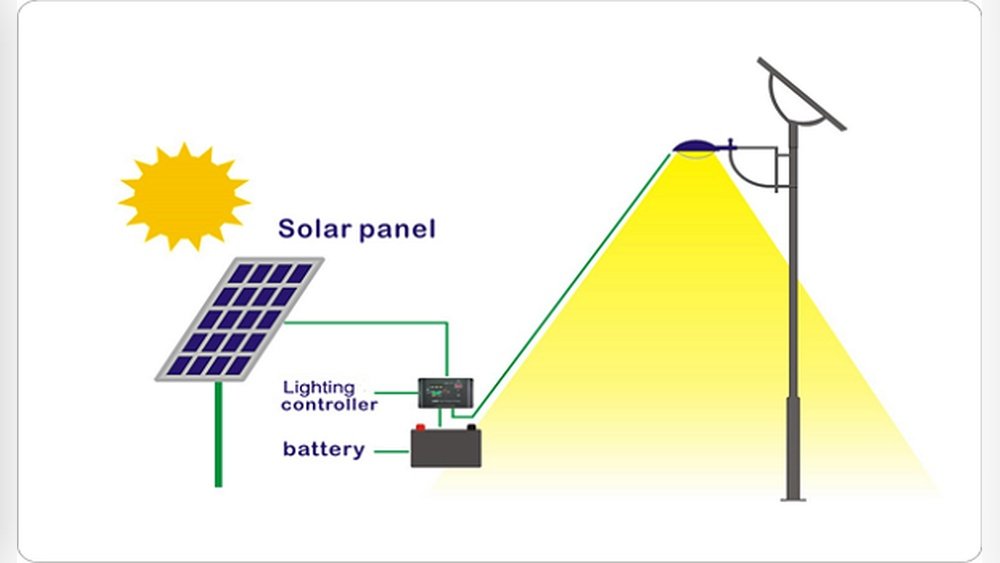
Solar panels use photovoltaic cells to turn sunlight into electricity. These cells are covered by a thin layer of glass or plastic, which protects the electronics inside. When dirt builds up, it blocks sunlight and lowers energy production.
Studies show that heavy dirt can cut panel efficiency by up to 25%. Even a light layer of dust can reduce output by 5–10%. For example, a 5 kW system in California could lose around $100–$150 per year just from dirt. So, cleaning is important—but the method matters even more.
What Happens If You Pressure Wash Solar Panels?
Pressure washers use strong streams of water, often at 1,500–3,000 psi (pounds per square inch). That’s enough to blast off grime, but also enough to cause serious harm.
Damage Risks
- Micro-cracks: The high force can create tiny cracks in the glass. These may not be visible at first but will worsen over time.
- Seal damage: Water can force its way into the seals, letting moisture reach the electrical parts.
- Frame bending: Older or cheaper panels can bend under pressure, leading to permanent damage.
- Warranty void: Most panel warranties forbid pressure washing. If you damage panels this way, you’ll likely lose your coverage.
Electrical Safety Concerns
Water and electricity do not mix well. Pressure washing can push water into places it shouldn’t go, risking short circuits or even electrical fires.
Comparison: Pressure Washing Vs. Manual Cleaning
Here’s how pressure washing stacks up against safer cleaning methods:
| Cleaning Method | Effectiveness | Risk of Damage | Time Needed |
|---|---|---|---|
| Pressure Washing | High | Very High | Low |
| Soft Brush & Water | Moderate | Low | Moderate |
| Professional Cleaning | High | Very Low | Low |
Why Panel Manufacturers Warn Against Pressure Washing
Most solar panel manufacturers are clear: don’t use high-pressure water. Let’s look at what top brands say:
- SunPower: Advises using a soft cloth and gentle water spray.
- LG Solar: Forbids pressure washing, warns of micro-cracks.
- Canadian Solar: Recommends only low-pressure cleaning.
If you ignore these instructions, you risk losing your warranty. Damage from improper cleaning is easy to spot, so manufacturers rarely cover repairs.
Real-world Examples: What Can Go Wrong
Homeowners sometimes share their stories online—some are cautionary tales. One California resident tried pressure washing his panels. He saw tiny cracks appear after just one cleaning. Two months later, his panel output dropped by 15%.
Another case involved a professional cleaner who used high-pressure jets. Water seeped into the panel’s junction box, causing a short circuit. The repair cost over $600.
These examples show the risks aren’t just theoretical—they happen in real life.

Credit: www.youtube.com
Safe Ways To Clean Solar Panels
It’s possible to keep your panels clean and efficient without pressure washing. Here’s how:
Step-by-step Manual Cleaning
- Turn off the system: Safety first—switch off your solar panel system.
- Check for debris: Remove leaves, twigs, and bird droppings by hand.
- Use soft tools: A soft brush or sponge works best.
- Add water: Spray panels gently with a garden hose.
- Mild soap if needed: For stubborn dirt, use a mild, non-abrasive soap.
- Rinse and dry: Finish with clean water and let panels air dry.
Most panels are cleaned in under 30 minutes. This method keeps your warranty safe and avoids damage.
Comparison: Garden Hose Vs. Pressure Washer
Here’s a quick look at water pressure levels:
| Cleaning Tool | Typical PSI | Safe for Solar Panels? |
|---|---|---|
| Garden Hose | 30–40 psi | Yes |
| Pressure Washer (Low) | 1,500 psi | No |
| Pressure Washer (High) | 3,000 psi | No |
Professional Solar Panel Cleaning
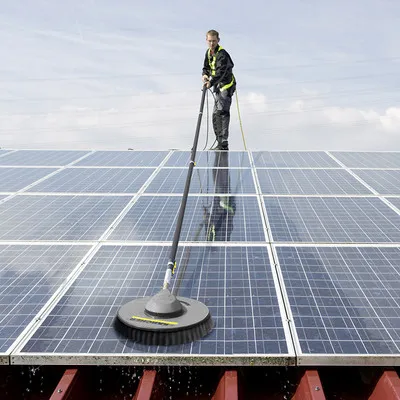
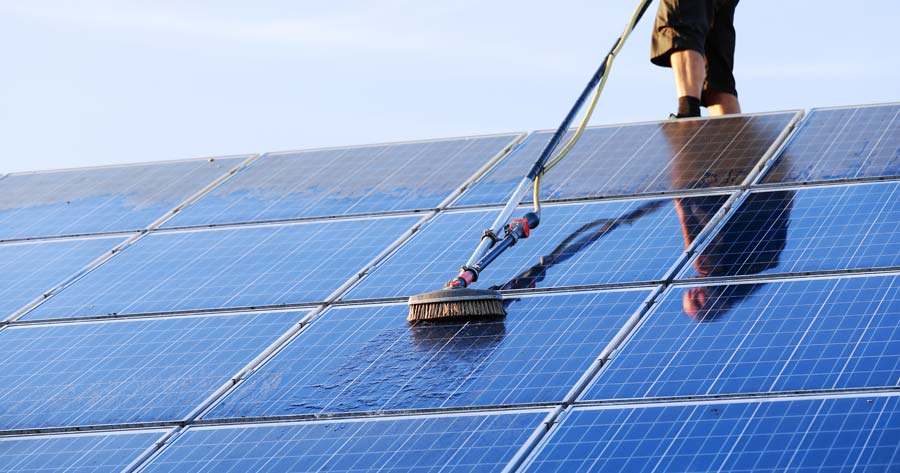
If your panels are hard to reach or you want a spotless finish, consider a professional cleaning service. They use purified water, soft brushes, and special tools. Prices range from $150–$350 for most homes, depending on the number of panels.
How Often Should You Clean Solar Panels?
Cleaning frequency depends on your location and environment:
- Dry, dusty areas: Every 2–3 months
- Rainy climates: Once or twice a year
- Near trees or birds: More often, as needed
Most experts suggest checking your panels every 3–4 months. If you notice drops in energy production, it’s time to clean.
Credit: www.kaercher.com
Common Mistakes When Cleaning Solar Panels
Avoid these errors to keep your panels safe:
- Using harsh chemicals: These can scratch or cloud the surface.
- Cleaning when hot: Sudden temperature changes can crack glass. Clean early morning or evening.
- Skipping safety steps: Always turn off the system and avoid walking on the panels.
- Ignoring manufacturer advice: Each brand may have specific instructions—follow them.
Non-obvious Tips For Solar Panel Care
Most beginners miss these two useful insights:
- Look at your energy output data: Many systems have apps or meters. If you see a sudden drop, cleaning is often the fix.
- Avoid hard water: Minerals in tap water can leave spots. If your water is “hard,” use distilled water for rinsing.
Weather And Environmental Factors
Your local climate affects how fast panels get dirty. For example, areas with frequent wildfires or sandstorms need more cleaning. In cities, air pollution can leave sticky grime that rain won’t wash away.
If you live near the ocean, salt spray is another problem. Salt deposits lower efficiency and speed up corrosion. Regular cleaning is key in these locations.
Should You Use Special Solar Panel Cleaning Products?
Some companies sell “solar panel cleaners” or sprays. In most cases, you don’t need them. Basic soap and water work well for home panels. Only use commercial products if your manufacturer recommends them.
What About Automated Cleaning Systems?
Large solar farms sometimes use robotic cleaners or automated wipers. These systems can clean hundreds of panels quickly and safely. For home panels, they’re usually too expensive and unnecessary.
Solar Panel Cleaning Myths
Let’s clear up some common myths:
- Rain cleans panels perfectly: Rain helps, but doesn’t remove sticky dirt or bird droppings.
- Pressure washing is the best way: It’s fast, but too risky for most panels.
- Panels don’t need cleaning: Even a thin layer of dust lowers output.
- Walking on panels is safe: It’s not—panels can crack easily.
Credit: dfisolutions.com
How To Choose A Solar Panel Cleaning Service
If you decide to hire a professional, here’s what to look for:
- Experience: Choose a company with solar panel cleaning experience.
- Insurance: Ask if they carry liability insurance.
- Eco-friendly methods: Prefer services using purified water and no harsh chemicals.
- References: Check reviews or ask for local references.
- Price transparency: Get a clear quote before booking.
Insurance And Warranty Considerations
Most solar panels come with 20–25 year warranties. If you damage panels with a pressure washer, you may lose warranty coverage. Home insurance rarely covers pressure-wash damage to solar panels.
Always read your warranty carefully. If you use a professional service, ask for written proof they follow manufacturer guidelines.
How Dirty Panels Impact Your Savings
Dirty panels lower your electricity production, which means higher utility bills. For example, a study by the National Renewable Energy Laboratory showed that regular cleaning improves output by 10–15%. Over a year, that can mean saving $100–$250 for a typical home.
Solar Panel Maintenance: Beyond Cleaning
Cleaning is only one part of maintenance. Check for:
- Loose wires
- Cracked glass
- Corroded frames
- Broken mounts
Inspect your panels every 6 months. If you see any issues, call a professional installer.
Can Pressure Washing Ever Be Safe?
There are rare cases where pressure washing is possible—if the panels are industrial-grade and installed on the ground (not rooftops). Even then, use the lowest pressure setting and a wide spray. Always check with the manufacturer first.
When Should You Avoid Cleaning Altogether?
If your panels are covered in snow, ice, or you’re facing severe storms, it’s better to wait. Cleaning during dangerous weather can risk injury and damage.
Comparing Diy And Professional Cleaning
Let’s compare the costs and results of both methods:
| Method | Average Cost | Result Quality | Time Needed |
|---|---|---|---|
| DIY Manual | $0–$30 | Good | 30–60 min |
| Professional | $150–$350 | Excellent | 15–30 min |
| Pressure Washer | $50–$100 rental | Poor (risk of damage) | 10–20 min |
What The Experts Say
Industry experts and solar installers agree: gentle cleaning is best. The Solar Energy Industries Association recommends soft brushes and water. Pressure washing is almost never advised for home panels.
How To Monitor Panel Performance After Cleaning
Once you’ve cleaned your panels, monitor their output. Most systems let you check daily production. If you see a clear jump after cleaning, you did it right. If output drops, inspect for cracks or water damage.
Should You Clean Panels Yourself Or Hire A Pro?
If your panels are easy to reach and you’re comfortable on ladders, DIY cleaning is safe. But for steep roofs or awkward placements, hire a pro. Never risk your safety for a cleaner panel.
Frequently Asked Questions
Can Rain Clean My Solar Panels Enough?
Rain helps remove loose dust, but it doesn’t clean sticky dirt or bird droppings. Manual cleaning is still needed for best efficiency.
Will Pressure Washing Void My Warranty?
Yes, most manufacturers clearly state that pressure washing will void the warranty. Always follow their cleaning guidelines.
Is It Safe To Use A Garden Hose On Solar Panels?
Yes, a garden hose is safe. The water pressure is low and won’t damage the panels.
How Often Should I Clean My Solar Panels?
Check your panels every 3–4 months. Clean as needed, depending on local dust, pollen, and weather.
Are There Special Soaps For Solar Panel Cleaning?
Most panels only need mild, non-abrasive soap. Avoid strong chemicals unless your manufacturer recommends them.
Final Thoughts
Solar panels work best when they’re clean, but the way you clean them matters a lot. Pressure washing is quick, but it brings big risks—cracks, electrical damage, and lost warranties. Instead, use soft brushes, gentle water, and follow manufacturer advice. If you’re unsure or your panels are hard to reach, a professional cleaning service is the safest bet. Keeping your panels clean protects your investment and helps you get the most energy for years to come. For more data on solar panel care, check resources like the U.S. Department of Energy.