
Have you ever wondered if your commercial solar panels will still be working when your business needs them most? Maybe you’ve heard stories about panels failing early, or you worry that after spending so much money, you might need a new system sooner than you think. You’re not alone—many business owners ask how long solar panels last, and what could affect their lifespan. It’s a smart question, because getting the most value from your investment depends on understanding this.
Let’s clear up the confusion, and give you real answers you can trust. We’ll start with a straight-to-the-point answer, then dig deeper with practical details, examples, and tips that most guides miss.
Short Answer: How Long Do Commercial Solar Panels Last?
Most commercial solar panels last 25 to 30 years before their efficiency drops below what’s useful for business operations. That means your panels will keep producing power for decades, but after about 25 years, they’ll make less electricity and may need replacement or upgrades.
But the story doesn’t end there. Panels don’t suddenly stop working after 30 years—they gradually lose power output, and many keep functioning far longer, just at lower efficiency. With proper care, your system can deliver reliable energy for much of its lifespan.
What Determines Solar Panel Lifespan?
Not all panels age the same. Several factors can affect how long your commercial solar panels last:
- Panel quality: Higher-quality panels from well-known brands usually last longer.
- Installation: Poor installation can cause early failures or reduce efficiency.
- Maintenance: Regular cleaning and inspection help prevent damage.
- Environmental conditions: Extreme weather, pollution, and shade can shorten panel life.
- Usage: Heavy or irregular use may stress the system.
Let’s break down how these factors play out in real-world situations.
Quality Matters More Than You Think
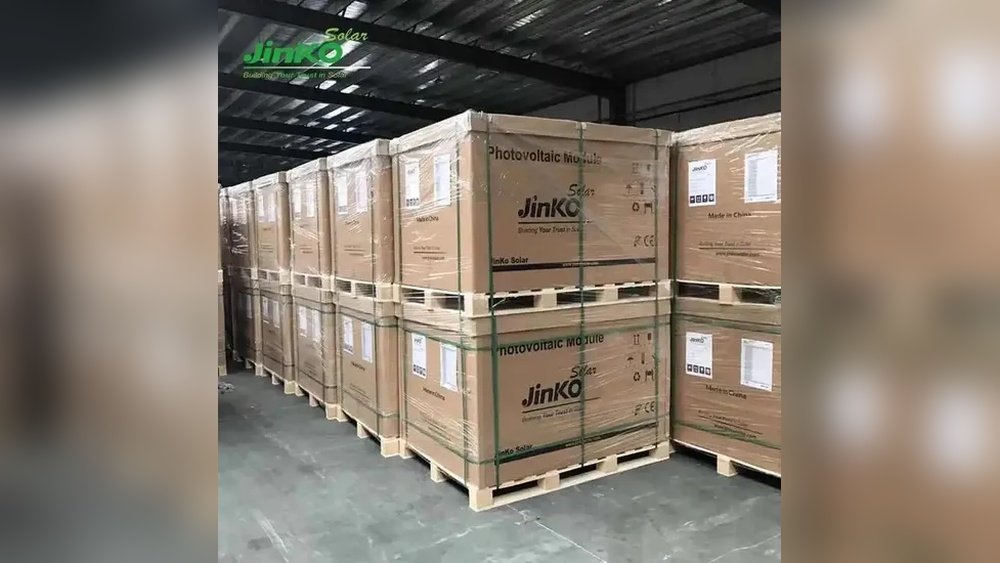
Many people assume all solar panels are equal, but quality is a big deal. Panels from Tier 1 manufacturers—like SunPower, LG, and Canadian Solar—use better materials and stricter manufacturing processes. Cheaper panels may save money upfront, but often degrade faster.
If you’re choosing panels for a large business, look for:
- Long-term warranties (usually 20–25 years)
- Proven track record with commercial installations
- High efficiency ratings (above 18% is good)
Why Installation Is Critical
Even the best panels can fail if not installed properly. Common installation mistakes include:
- Not securing panels against strong winds
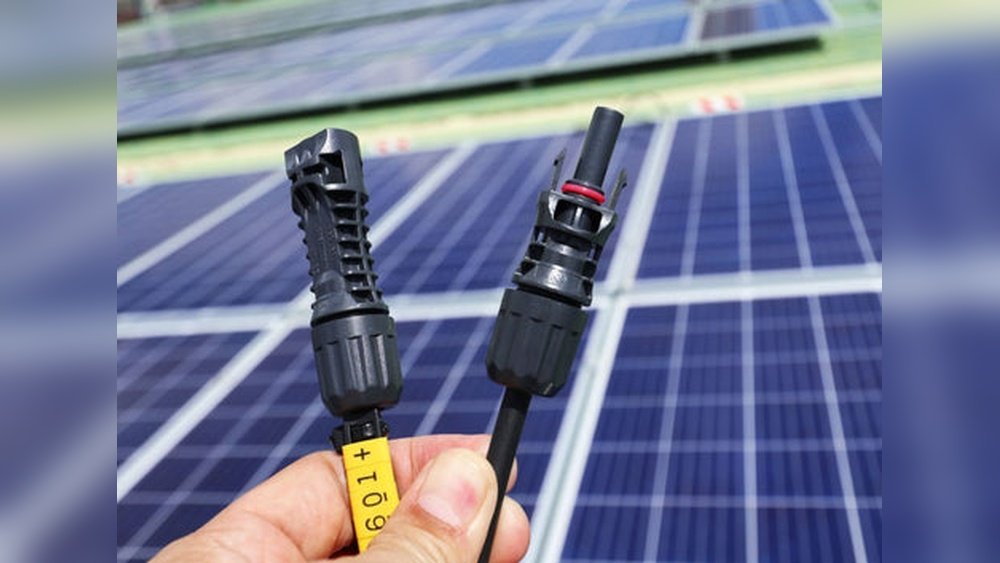
- Using poor-quality mounting hardware
- Ignoring manufacturer guidelines
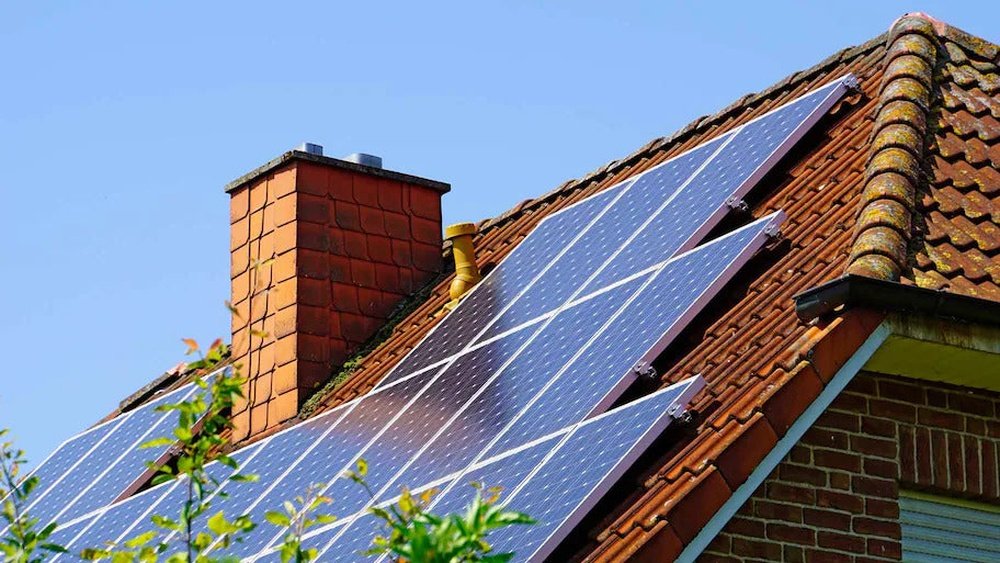
A professional installer will follow best practices, check for roof strength, and ensure panels are angled for maximum sunlight. This reduces risk and extends the system’s lifespan.
Maintenance: Simple Steps, Big Impact
Solar panels need little maintenance, but a few key actions can make a huge difference:
- Clean panels regularly: Dust, bird droppings, and leaves block sunlight.
- Check for damage: Cracks, loose wires, or broken mounts can cause problems.
- Monitor performance: Use software or apps to spot drops in output early.
Neglecting these steps can lead to faster degradation and costly repairs.
Environment And Usage
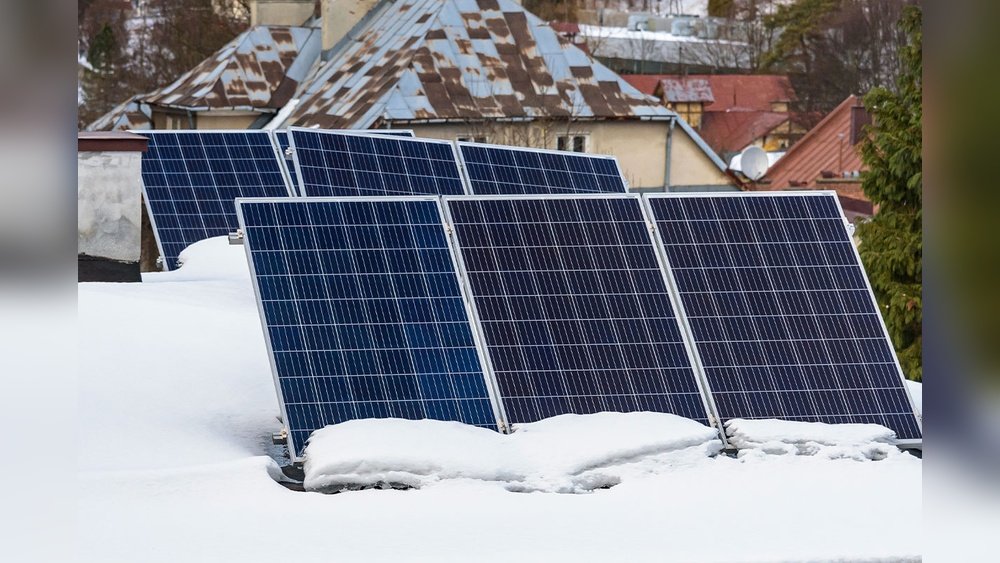
Panels installed in areas with heavy storms, hail, or extreme heat may wear out faster. Pollution, saltwater (near the ocean), and constant shade also lower panel lifespan. Usage matters too—systems running at max capacity every day may degrade quicker than those with moderate use.
Understanding Degradation: How Solar Panels Age
Solar panels don’t break down overnight. Instead, they degrade slowly, losing efficiency each year. Most commercial panels lose about 0.5%–0.8% efficiency per year.
Here’s a simple example:
- A new panel starts at 100% efficiency.
- After 10 years, at 0.7% loss per year, it’s at 93%.
- After 25 years, it’s at about 82%.
This gradual decline means your panels still work, but produce less power. Businesses usually decide to replace panels when output drops below their needs, not because the panels stop working completely.
Comparing Panel Types: Lifespan And Degradation
Different panel types age differently. Let’s compare the main types in a simple table.
| Panel Type | Typical Lifespan | Annual Degradation | Key Features |
|---|---|---|---|
| Monocrystalline | 25–30 years | ~0.5% per year | High efficiency, durable |
| Polycrystalline | 20–25 years | ~0.7% per year | Lower cost, slightly less efficient |
| Thin Film | 10–20 years | ~1% per year | Flexible, less efficient, faster degradation |
Most commercial systems use monocrystalline panels because they last longer and provide better performance.
Warranties: What They Really Cover
A solar panel warranty is more than just a promise—it’s your safety net. Most commercial panels come with:
- Product warranty: Covers manufacturing defects (usually 10–12 years)
- Performance warranty: Guarantees a minimum output (often 25 years)
But here’s something many miss: warranties only cover panels, not the whole system. Inverters, batteries, and other components may have shorter warranties. Always read the fine print, and ask your installer about full system coverage.
Typical Warranty Comparison
Let’s look at how warranties stack up from leading brands.
| Brand | Product Warranty | Performance Warranty | Notes |
|---|---|---|---|
| SunPower | 25 years | 25 years | Industry leader, high efficiency |
| LG | 25 years | 25 years | Premium quality, strong reputation |
| Canadian Solar | 12 years | 25 years | Good value, slightly shorter product warranty |
| Trina Solar | 10 years | 25 years | Reliable, cost-effective |
If you want peace of mind, choose brands with longer warranties and proven reliability.
Real-world Examples: How Long Panels Actually Last
It’s one thing to read specs, but what about real businesses? Many commercial installations from the early 2000s are still running today. For example:
- A shopping mall in California installed panels in 2002. After 21 years, they still produce about 80% of their original power.
- A factory in Germany saw only a 15% drop in output after 18 years of operation.
- Some panels on older university campuses have lasted well over 30 years, with minimal maintenance.
These examples show that well-maintained, high-quality panels can easily reach—or exceed—their expected lifespan.
How To Maximize Solar Panel Lifespan
You don’t have to be an expert to keep your panels working longer. Here are practical tips:
- Schedule regular inspections every 6–12 months.
- Clean panels with water and a soft brush—avoid harsh chemicals.
- Monitor system performance with online tools or apps.
- Protect against pests (birds, squirrels) that can damage wiring.
- Check mounting hardware after storms or strong winds.
- Trim nearby trees to reduce shade and debris.
Common Mistakes To Avoid
Even experienced facility managers make errors that shorten panel life. Watch out for these:
- Ignoring warning signs (like sudden drops in power)
- Using pressure washers (can crack panel glass)
- Neglecting inverter maintenance
- Letting leaves and dirt build up
Staying proactive saves money and prevents early failures.
Credit: www.bostonsolar.us
The Role Of Inverters And Other System Parts
Panels aren’t the only part that matters. Inverters—which convert solar DC power to usable AC—usually last 10–15 years. Batteries and wiring may also need replacement during the panel’s lifetime.
If your inverter fails, your panels can’t supply power, even if they’re still working. That’s why regular system checks and upgrades are key.
Quick Comparison: Panel Vs. Inverter Lifespan
| Component | Typical Lifespan | Replacement Cost |
|---|---|---|
| Solar Panels | 25–30 years | High (full system) |
| Inverters | 10–15 years | Moderate |
| Batteries | 5–15 years | Moderate to high |
| Wiring | 30+ years | Low |
Budget for replacements, especially for inverters and batteries, to avoid surprises.
Signs It’s Time To Replace Commercial Solar Panels
How do you know when it’s time for a new system? Watch for these signs:
- Power output has dropped more than 20% from the original rate
- Frequent repairs or recurring faults
- Visible physical damage (cracks, corrosion)
- Outdated technology (new panels may be much more efficient)
- Warranty period has ended, and maintenance costs are rising
If your panels are still performing well, you can keep using them—but if you see these issues, replacement is often the smarter choice.
Cost Vs. Value: Is Long Lifespan Always Better?
It’s tempting to focus only on lifespan, but value matters too. Sometimes, replacing panels before they fully wear out can boost savings, especially if new technology offers much higher efficiency.
Here’s how to think about the trade-off:
- Older panels may still work, but need more maintenance
- New panels often produce more power from the same space
- Upgrading can lower energy bills and increase reliability
Don’t just chase the longest lifespan—consider the total cost, including maintenance, energy savings, and upgrades.
What Happens After 30 Years?
Panels don’t just disappear after 30 years. Many businesses recycle old panels, reuse parts, or install new systems. Panel recycling is growing fast, with companies offering safe, eco-friendly disposal.
If your panels are still working, you can:
- Keep using them as backup power
- Donate them to schools or charities
- Sell them to smaller businesses
If not, recycle responsibly to reduce environmental impact. For more on recycling options, check resources like the EPA Solar Panel Recycling Guide.
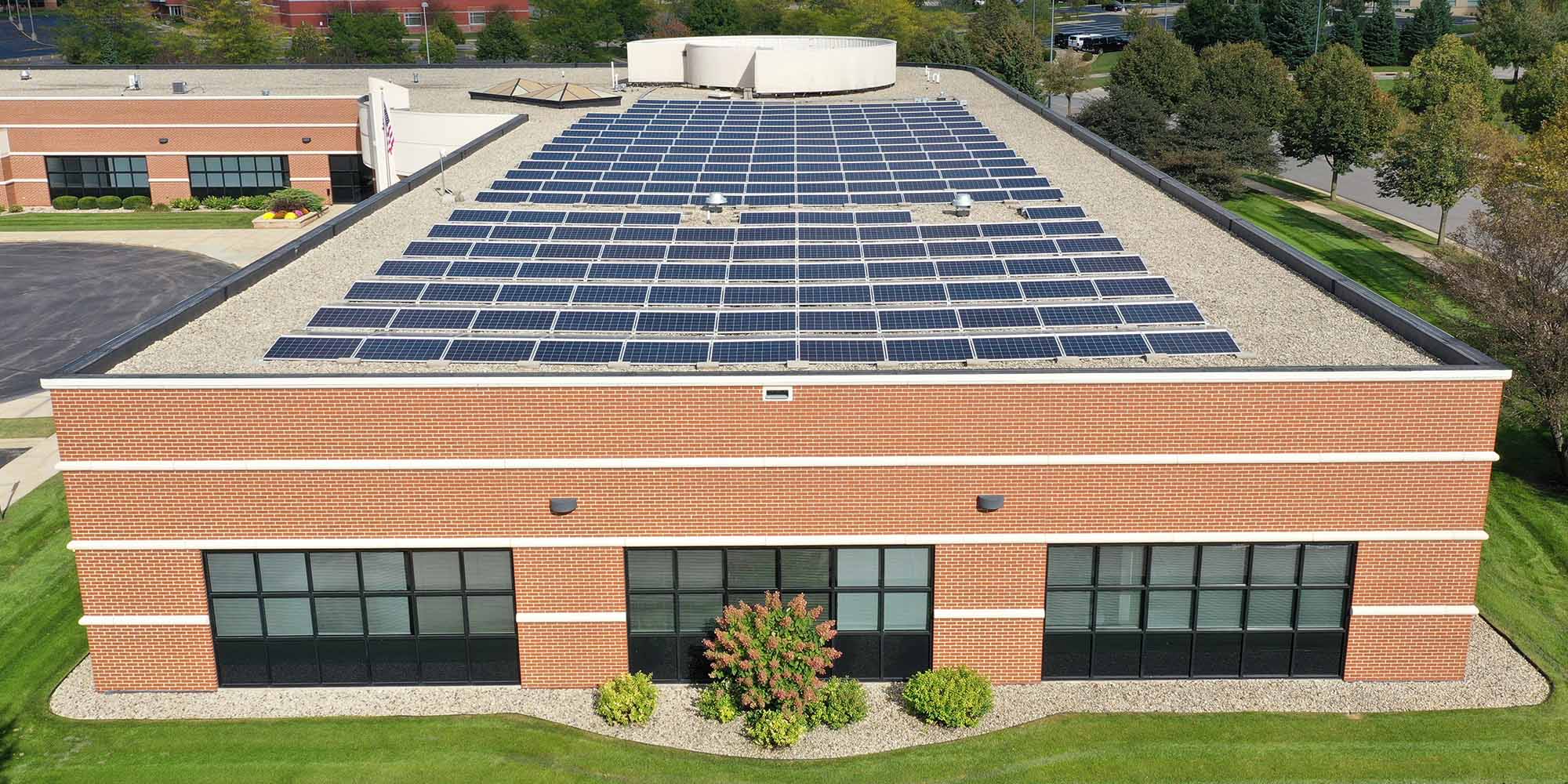
Credit: www.sunpeakpower.com
Non-obvious Insights: What Most Guides Don’t Tell You
- Degradation rates can vary by location. Panels in colder climates often degrade slower than those in hot, sunny regions. If your business is in a cooler area, your panels may last longer than average.
- Panel orientation matters. Panels facing the optimal direction (usually south in the US) receive more sunlight and degrade less quickly. Poor orientation can speed up aging.
- Microcracks are invisible but harmful. Panels can develop tiny cracks from hail or temperature changes. These aren’t always visible, but can slowly reduce efficiency. Regular thermal imaging checks can spot them early.
- Rooftop vs. ground-mounted systems: Rooftop panels may face harsher conditions (wind, heat), while ground-mounted panels are easier to maintain and often last longer.
- Smart monitoring prevents bigger problems. Using modern monitoring tools lets you spot issues before they become expensive. Don’t rely only on annual checks—real-time data saves money.
Frequently Asked Questions
How Long Do Commercial Solar Panels Actually Last?
Most commercial solar panels last 25–30 years with regular maintenance. Some keep working beyond 30 years, but at lower efficiency.
Do Solar Panels Stop Working After Their Lifespan?
No, panels don’t stop completely—they just produce less electricity. You can keep using them if output meets your needs, or replace them for better performance.
What Is The Main Reason Commercial Solar Panels Fail Early?
Poor installation and lack of maintenance are top causes. Cheap panels and harsh weather can also lead to early failure.
How Often Should Commercial Solar Panels Be Maintained?
Panels should be inspected and cleaned at least once or twice a year. More frequent checks may be needed in dusty or polluted areas.
Can Old Panels Be Recycled?
Yes, most panels can be recycled. Specialized companies safely recover glass, metal, and silicon. Recycling reduces waste and supports sustainability.

Credit: coldwellenergy.com
Wrapping Up: Making Your Investment Last
Choosing commercial solar panels is a big decision, but knowing how long they last gives you confidence. Most panels will serve your business for 25–30 years, especially if you invest in quality, proper installation, and regular care. Remember, the real value comes from keeping your system efficient—not just making it last. Stay proactive, monitor your panels, and plan for upgrades when needed. With the right approach, your solar investment will pay off for decades, helping your business save money and support the environment.