
Have you ever wondered why your solar panels produce so much power during the day, but your house still goes dark at night? Or maybe you feel frustrated seeing all that energy go to waste when the sun is shining, but you can’t use it later. You’re not alone. Many people love the idea of solar energy, but get stuck on one big question: *How do you actually store power from solar panels so you can use it whenever you want?*
Maybe you’ve heard about batteries, or you’ve seen complicated diagrams online. Some people even try to live “off the grid” but end up running out of power after sunset. If you’re curious about how to keep your lights on, your fridge running, or maybe even your electric car charged using solar power, you’re in the right place.
Let’s break down the basics, clear up the confusion, and give you practical ways to store solar power without feeling overwhelmed.
Short Answer: How Do You Store Solar Power?
The most common way to store power from solar panels is using batteries—especially lithium-ion batteries. Solar panels make electricity during the day. Batteries save this energy so you can use it at night or during cloudy weather. Some people also use other methods, like storing energy in water tanks (for heating), or even sending extra power back to the grid for credits.
But for most homes, a solar battery system is the easiest and most reliable solution. It works like a big rechargeable battery for your house.
Now, let’s go deeper. How does it work? What are your options? What mistakes should you avoid? And how do you choose the right setup for your needs?
Why Storage Matters For Solar Power
Imagine spending thousands on solar panels, but your lights go out at sunset. That’s because solar panels only produce power when the sun is shining. If you don’t store it, you lose it. This is called intermittency—the sun isn’t always available.
Some days are cloudy. Sometimes you need more power at night. Maybe you have a power outage. Solar storage fixes these problems:
- You get power even when the sun is not shining.
- You use more of your own energy, instead of buying it from the grid.
- You can keep appliances running during blackouts.
- You save money by using stored energy during expensive “peak hours.”
For many, storage is the missing piece that makes solar panels truly useful.

Credit: www.pbs.org
The Basics: How Solar Power Gets Stored
Here’s a simple overview:
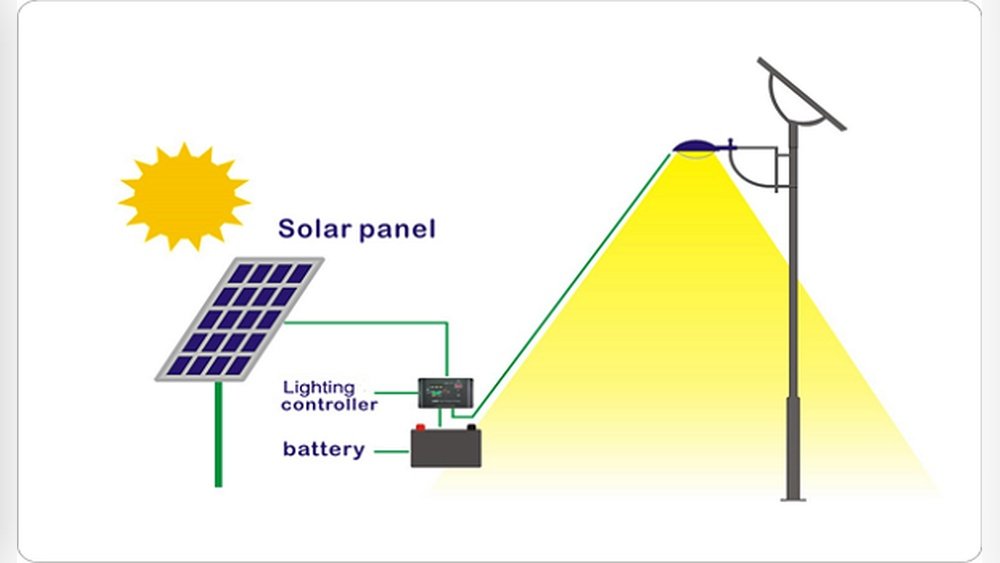
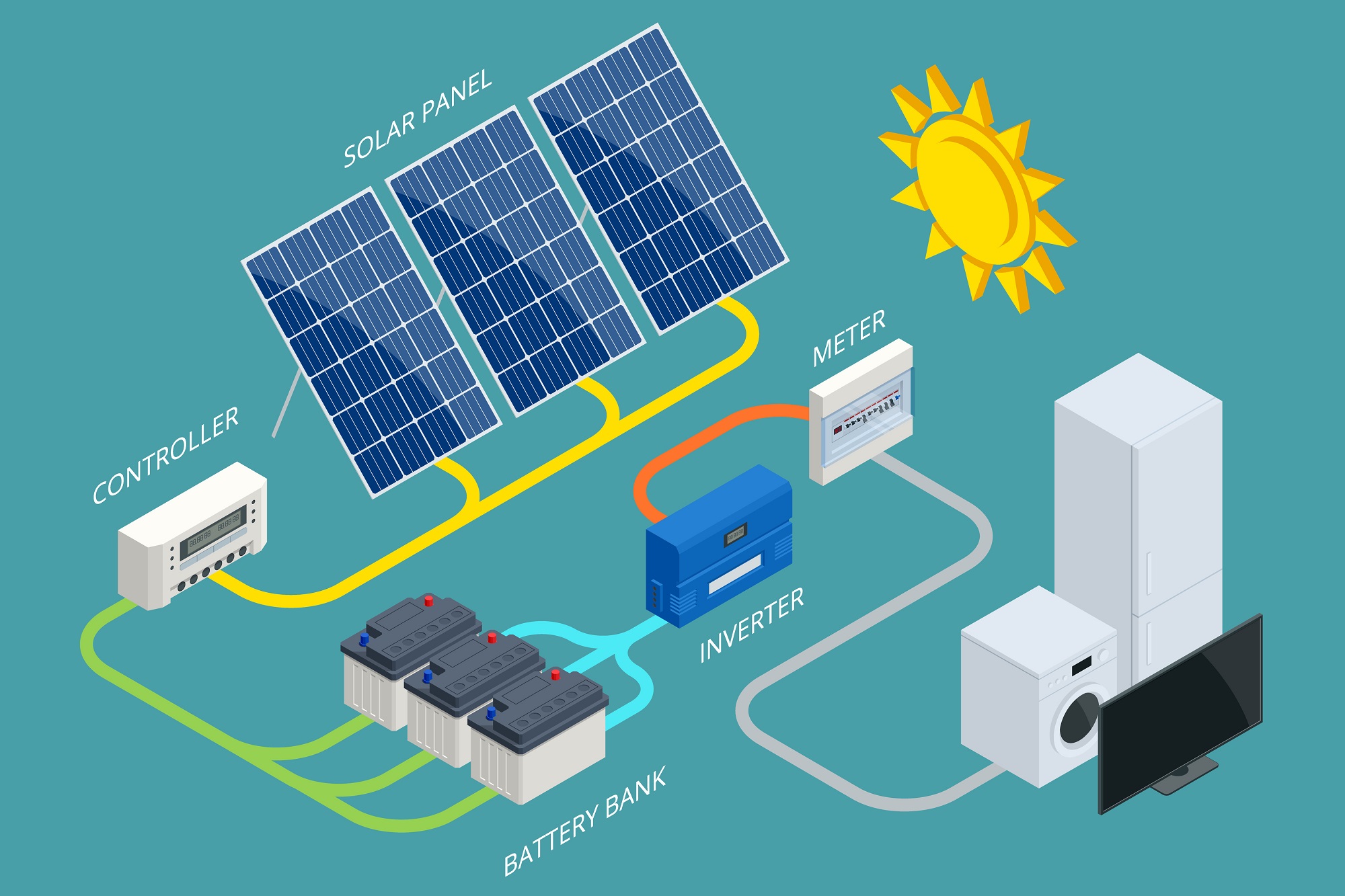
- Solar panels create DC (direct current) electricity when sunlight hits them.
- An inverter changes this DC into AC (alternating current), which your house uses.
- A solar battery stores extra energy as DC (before or after the inverter, depending on the setup).
- When you need power, the battery sends energy back through the inverter to your home.
This cycle repeats every day. The goal is to store enough energy to cover your needs when the sun isn’t shining.
Types Of Solar Storage Solutions
There isn’t just one way to store solar power. Here are the main options, each with its own pros and cons.
1. Battery Storage
This is the most popular and practical choice for homes.
Lithium-ion batteries are the industry standard. They’re safe, compact, and efficient. Some well-known brands are Tesla Powerwall, LG Chem, and Sonnen.
Other types include:
- Lead-acid batteries: Cheaper but bulkier, shorter lifespan.
- Saltwater batteries: Eco-friendly, but less common.
- Flow batteries: Used for bigger projects, not homes.
2. Thermal Storage
Instead of storing electricity, you can store heat. Solar panels can heat water, which you keep in tanks. Later, you use this hot water for showers or heating.
3. Mechanical Storage
Rare for homes, but interesting. Some systems use extra solar power to lift weights or pump water uphill. When you need energy, the system releases the weight or water, turning a generator.
4. Grid-tied Storage (net Metering)
If you’re connected to the power grid, you can send extra solar energy back. The grid acts like a “virtual battery. ” You get credits for what you send, and use them to buy power later.
But, during blackouts, you won’t have power unless you have a real battery.
Comparing Solar Batteries: What Really Matters
Not all batteries are equal. Here’s what to look for:
| Feature | Lithium-Ion | Lead-Acid | Saltwater |
|---|---|---|---|
| Cycle Life | 3000–6000 | 500–1500 | 3000+ |
| Efficiency (%) | 90–95 | 70–85 | 85–90 |
| Maintenance | Low | Medium | Low |
| Cost (per kWh) | $400–$900 | $200–$400 | $800–$1200 |
| Safety | High | Medium | High |
Cycle life means how many times you can charge/discharge the battery before it wears out. Efficiency means how much energy you get back compared to what you put in.
For most people, lithium-ion batteries are best. They last longer, need less care, and are safer. Lead-acid is cheaper upfront, but can cost more over time.
How Much Storage Do You Need?
This is where many beginners get confused. Let’s make it simple.
First, think about your daily energy use. Most homes use 20–30 kWh per day. One Tesla Powerwall stores about 13.5 kWh.
So, if you want to cover your whole house for one night, you need at least two Powerwalls. But you don’t have to cover everything. You can choose to back up just your most important appliances.
Here’s a practical example:
- Fridge: 1.5 kWh/day
- Lights: 1 kWh/day
- Wi-Fi/TV: 0.5 kWh/day
- Laptop/Phones: 0.5 kWh/day
Total: 3.5 Kwh/day
If you only want backup for these items, one small battery is enough.
Sizing Your System
- Check your electric bill for daily usage.
- Decide what you want to back up.
- Multiply your backup needs by the number of hours/days you want to last.
Many installers help with this calculation, but knowing your own numbers gives you more control.

Credit: www.youtube.com
Steps To Store Solar Power At Home
Ready to set up your system? Here’s a step-by-step guide:
- Assess your needs. List your important appliances and daily energy use.
- Choose your battery type. Most go with lithium-ion.
- Select battery size. Find out how much storage you need (see above).
- Pick a compatible inverter. It should work with your battery and solar panels.
- Find a trusted installer. Look for certified professionals.
- Install and connect. The installer sets up panels, inverter, and batteries.
- Monitor your system. Most batteries offer apps to check status and usage.
Common Mistakes To Avoid
- Choosing too small a battery—running out of power too quickly.
- Forgetting to check compatibility between batteries and inverters.
- Not planning for future needs (like buying an electric car later).
- Ignoring maintenance—especially for lead-acid batteries.
Real-life Example: Storing Solar Power For A Home
Let’s look at a simple case.
Sarah lives in Arizona. She installed a 6 kW solar system and one Tesla Powerwall.
- Her panels make about 24 kWh/day.
- Her house uses 20 kWh/day.
- The Powerwall covers her evening and night needs (13.5 kWh).
- She uses solar during the day, battery at night.
- On cloudy days, she draws a little extra from the grid.
Her setup cost about $12,000 for panels, $7,500 for the battery, and $2,000 for installation. She saves about $1,800 per year on electric bills and never worries about blackouts.
How Solar Batteries Work: Simple Explanation
Solar batteries are like big phone batteries, but for your house. During the day, they charge up with energy from the panels. At night, they discharge to power your home.
Most modern batteries are lithium-ion, just like in smartphones and laptops. They charge quickly, hold energy well, and last several years.
Some systems let you set “priority”—for example, always keep enough power for emergencies, or discharge only during expensive electricity hours.
Battery Lifespan And Maintenance
Batteries don’t last forever. Lithium-ion batteries typically last 10–15 years. Lead-acid batteries last 3–5 years.
You don’t need much maintenance for lithium-ion. Lead-acid needs regular checks, topping up fluid, and cleaning.
Some tips for longer battery life:
- Don’t fully discharge batteries every day.
- Keep batteries cool, dry, and out of direct sunlight.
- Check for software updates if your battery is “smart.”
Comparing Cost: Solar Storage Vs. Grid Power
Here’s a sample cost comparison for a typical home:
| Option | Upfront Cost | Monthly Bill | Backup Power |
|---|---|---|---|
| Solar + Battery | $15,000–$30,000 | $0–$30 | Yes |
| Solar Only | $10,000–$22,000 | $40–$90 | No |
| Grid Power | $0 | $80–$200 | No |
Solar storage costs more upfront, but saves you money over time and gives you backup power. Many people combine solar panels, batteries, and the grid for maximum flexibility.
Solar Storage For Business And Large Projects
Businesses and farms use bigger batteries or special storage systems. They often use flow batteries, which can handle large amounts of energy and last for decades.
These setups can cost hundreds of thousands of dollars but pay off by keeping operations running during outages or saving on high electric rates.
Smart Solar Storage: Using Apps And Automation
Modern batteries come with apps. You can track how much energy you have, set charging priorities, and even sell extra power back to the grid.
Some systems use smart automation—they charge when solar is strong, discharge when rates are high, and always keep a reserve for emergencies.
This makes managing your energy simple and efficient.
Environmental Impact: Is Battery Storage Green?
Storing solar power is good for the planet, but batteries have their own footprint.
Lithium-ion batteries use metals like cobalt and lithium. Mining and manufacturing these can impact the environment. However, newer batteries use less harmful materials and are more recyclable.
Saltwater batteries are eco-friendly, but less common.
It’s important to recycle old batteries and choose brands with good environmental practices.
How To Make The Most Of Your Stored Solar Power
Storing power is only half the story. The other half is using it wisely.
- Run appliances during the day when panels are active.
- Use stored power during expensive “peak hours.”
- Set up “critical loads” so only important devices use battery power during outages.
- Monitor your system with apps to spot problems early.
These habits help you get more from your investment.
What About Electric Cars And Solar Storage?
Many people ask if they can charge their electric car with stored solar power. The answer is yes, but you need a bigger battery system.
A typical electric car needs 30–70 kWh for a full charge. That’s more than most home batteries. You can charge during the day, or use multiple batteries. Some cars (like the Ford F-150 Lightning) can even send power back to your house in emergencies.
Is Storing Solar Power Worth It?
For most homes, storing solar power with batteries is worth it if you:
- Want backup power during blackouts.
- Want to use more of your own energy.
- Live in areas with expensive peak rates.
- Want to lower your carbon footprint.
If your area offers net metering and you don’t have many outages, you might skip the battery and just send power to the grid.
Future Trends: What’s Next For Solar Storage?
Solar storage is getting cheaper and smarter every year. New battery types, like solid-state and flow batteries, promise longer life and safer operation.
More homes are adding batteries as prices drop. Governments offer rebates and incentives to help cover costs.
Smart grids, community batteries, and electric cars will play a bigger role in how we store and use solar energy.
Frequently Asked Questions
How Long Can Solar Batteries Power A Home?
It depends on your battery size and energy use. A typical Tesla Powerwall can power essential appliances for about 12–24 hours. If you add more batteries or use less energy, you can last longer.
Can I Use Solar Batteries During A Blackout?
Yes, if you have batteries and a backup inverter. Solar panels alone won’t work during blackouts unless they’re connected to a battery system.
What’s The Best Battery Type For Home Solar Storage?
Lithium-ion batteries are best for most homes. They last longer, need little maintenance, and are safe. Lead-acid is cheaper, but wears out faster.
Do Batteries Save Me Money If I Already Have Net Metering?
Batteries help most if you want backup power or want to avoid expensive peak rates. If you only care about saving money and your area offers good net metering, you might not need a battery.
Where Can I Learn More About Solar Battery Technology?
You can read more at Wikipedia for detailed explanations and history.
Wrapping Up: Bringing Solar Power Home
Storing power from solar panels is the key to making your investment pay off. Batteries let you use the sun’s energy day and night, protect you from outages, and give you more control over your electric bills. Whether you want backup power, lower costs, or a greener lifestyle, there’s a storage solution for every need.
Remember to size your system carefully, pick the right battery type, and work with trusted installers. With the right setup, you’ll never waste another ray of sunshine. And as technology improves, storing solar power will get easier and cheaper for everyone.
So, if you’re ready to take the next step, start by checking your energy use, exploring battery options, and planning your solar storage system. Your future self—and the planet—will thank you.
Credit: sunlightsolar.com