
Have you ever wondered if a single solar panel could run your entire house? Maybe you’ve seen solar panels on roofs and thought, “How many do I really need?” Or maybe you’re worried about spending too much money, buying too many panels, or making a mistake. If you’re feeling confused, you’re definitely not alone. Most people think solar panels are magical, but they’re not. They have limits. The truth is, one solar panel won’t power a whole house—but the real answer is more interesting than you might think.
Let’s clear things up. I’ll give you a quick, honest answer first, then break down the facts in simple steps. By the end, you’ll know exactly how many houses a solar panel can power, and why.
Short Answer: How Many Houses Can A Solar Panel Power?
A single solar panel cannot power a whole house by itself. Most homes need 20 to 30 panels to cover their energy needs. One solar panel can only provide enough electricity for a few lights or small appliances—not an entire home’s energy.
Now, let’s dig deeper and see why this is true, how solar panels work, and what really matters when planning a solar setup.
What Does A Solar Panel Actually Do?
Solar panels take sunlight and turn it into electricity. The amount of power they make depends on three main things:
- Panel size and efficiency
- Amount of sunlight
- Your local weather
Most solar panels for homes are about 250 to 400 watts each. This means, in perfect sunlight, one panel can deliver 250–400 watts per hour.
But what does “watts per hour” mean for your house? Let’s break it down with real-life examples.
Example: How Much Power Does A House Use?
In the US, the average home uses about 900 kWh (kilowatt-hours) per month. That’s about 30 kWh per day. Here’s what that looks like:
- Running lights, fridge, TV, computers, and other appliances every day
- Heating and cooling (AC or heater)
- Charging phones and other devices
Now, let’s see how much a single solar panel can produce.
Example: Single Panel Output
If you have a 350-watt solar panel, and you get 5 hours of strong sunlight per day:
- 350 watts x 5 hours = 1,750 watt-hours (or 1.75 kWh) per day
That’s only about 6% of what an average home needs daily.
Why One Solar Panel Isn’t Enough
Let’s make it simple: a single panel gives you enough power for a few small things. Here are examples:
- Lights in one room
- Charging a phone or laptop
- Running a small fan
But not for:
- Fridge
- AC unit
- Oven or microwave
Homes have many appliances and devices. Most need much more power than one panel can deliver.
How Many Panels Does A House Actually Need?
The real answer depends on your energy use, where you live, and how much sunlight you get. Most homes need 20–30 panels to meet their energy needs.
Here’s a quick way to estimate:
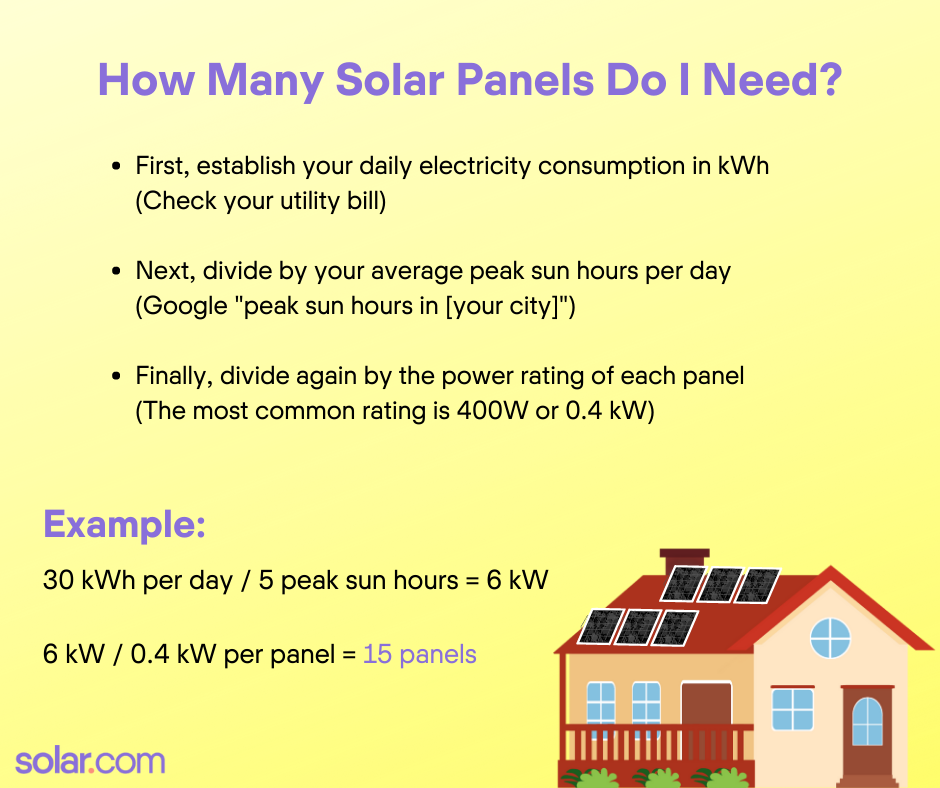
- Find your monthly energy use (check your electricity bill).
- Figure out how much sunlight you get (hours per day).
- Divide your total daily use by the panel output.
Let’s use a simple example.
Step-by-step Example
Let’s say your home uses 900 kWh per month (about 30 kWh per day).
- Each panel produces 1.75 kWh per day (from the earlier example).
- 30 kWh ÷ 1.75 kWh = about 17 panels
But this is just a starting point. Here are things that affect your actual number:
- Your roof size
- Panel efficiency
- Shading from trees or buildings
- Weather changes (cloudy days = less power)
Solar Panel Power: Real-life Data
Let’s compare solar panel output with household energy needs in a simple table.
| Panel Type | Output (Watts) | Daily Energy (kWh) | Homes Powered |
|---|---|---|---|
| Standard Home Panel | 350 | 1.75 | 0.06 |
| High-Efficiency Panel | 400 | 2.0 | 0.07 |
| Commercial Panel | 500 | 2.5 | 0.08 |
As you can see, even the best panels only power a small fraction of a home’s daily needs.
Factors That Change How Many Panels You Need
Energy needs are different for every home. Here are the top things that change the number of panels:
- Daily energy use: Bigger homes need more power.
- Sunlight hours: More sun means more power.
- Panel efficiency: Better panels produce more energy.
- Roof direction and angle: South-facing roofs get more sun.
- Shade and obstacles: Trees or buildings block sunlight.
Common Mistakes When Planning Solar
Many people think:
- “I only need a few panels.” (Wrong! You need many.)
- “Cloudy days don’t matter.” (Wrong! Less sun = less power.)
- “All panels are the same.” (Wrong! Efficiency and size matter.)
If you avoid these mistakes, you’ll get better results and save money.
How Solar Panels Power Appliances
One panel can power one small appliance at a time (if the sun is shining). For example:
- A 350-watt panel can run a small TV (about 50 watts)
- Or a laptop (about 60 watts)
- Or several LED lights (about 10 watts each)
But not all at once, and not for a whole house.
Here’s a simple table showing what one panel can run:
| Appliance | Power Needed (Watts) | Can One Panel Run It? |
|---|---|---|
| LED Light Bulb | 10 | Yes |
| WiFi Router | 15 | Yes |
| Laptop | 60 | Yes |
| Refrigerator | 150 | No |
| Microwave Oven | 1200 | No |
| Air Conditioner | 2000 | No |
Solar Panel System: How It All Works Together
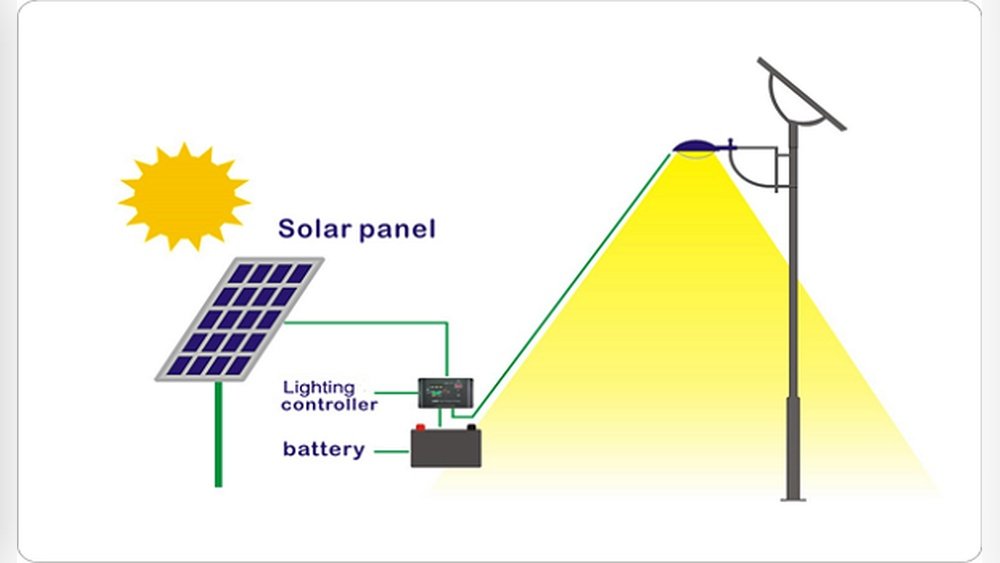
A solar system is more than just panels. It includes:
- Inverter: Changes solar power from DC to AC for your home
- Battery storage (optional): Stores extra power for nighttime
- Wiring and mounting: Connects everything safely
When you install panels, you usually get a system designed for your home’s needs. The installer will check your roof, your energy use, and local weather to plan the right number of panels.
Practical Example: Typical Us Home
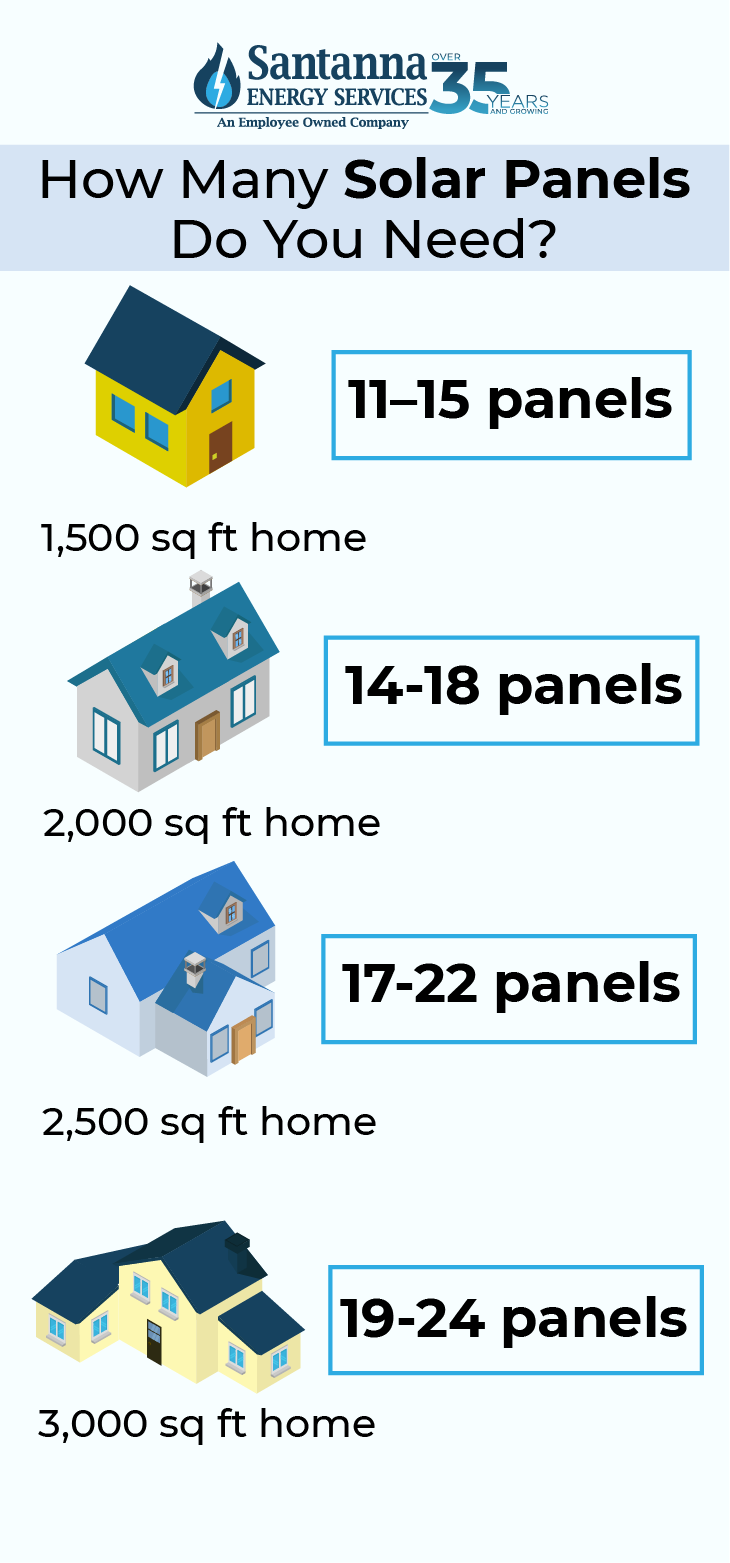
Let’s say you have a 2,000 sq ft house. Your monthly bill shows 1,000 kWh used.
- Each panel produces 1.75 kWh per day (52.5 kWh per month).
- 1,000 kWh ÷ 52.5 kWh = about 19 panels needed.
If your roof is small, you might need higher-efficiency panels or a mix of rooftop and ground panels.
Credit: www.solar.com
Can You Power More Than One House With A Panel?
Some people ask, “Can a super-sized panel power multiple homes? ” The answer is still no. Even commercial panels (used in solar farms) don’t make enough for a whole house.
Solar farms use hundreds or thousands of panels to power many homes. Here’s a comparison:
| System Type | Number of Panels | Homes Powered |
|---|---|---|
| Single Home Roof | 20–30 | 1 |
| Small Solar Farm | 1000+ | 50–100 |
| Large Solar Farm | 10,000+ | 1000+ |
Two Insights Most Beginners Miss
- Panel placement matters as much as panel count. If your roof faces north, or is shaded, you need more panels (or better placement). Many people think only the number matters, but how you install them is just as important.
- Efficiency differences can be huge. Newer panels can produce up to 25% more power than older ones. If you buy cheap panels, you might need more to get the same result. Always check the efficiency rating.
Saving Money With The Right Solar Setup
Buying the right number of panels saves money. Too few panels mean you’ll still pay for electricity. Too many panels means you spend extra, and may not use all the power.
Here’s how to save:
- Check your exact energy use before buying
- Ask for a solar site survey (most installers do this for free)
- Choose panels with high efficiency (even if they cost more)
- Plan for future needs (charging an electric car, growing family)
Common Buyer Mistakes
- Ignoring local weather: If you live in a cloudy area, you’ll need more panels.
- Buying cheap panels: Low-quality panels are less efficient and don’t last as long.
- Not planning for future appliances: If you add AC or electric cars, your needs go up.
- Skipping battery storage: Without batteries, you can’t use solar power at night.
Solar Panel Lifespan And Performance
Solar panels last a long time—20 to 30 years is normal. But their power goes down slowly over time (about 0.5% per year).
- In year one, they make full power.
- In year ten, they make about 95% of their original power.
- After 25 years, they may make 80–85% of their original power.
If you plan for this drop, you won’t be surprised later.
Credit: santannaenergyservices.com
Solar Panel Costs: What To Expect
The cost for a full home solar system (20–30 panels) is about $15,000 to $30,000 in the US after tax credits. One panel costs about $250 to $400, not including installation.
But you get savings over time:
- Lower electric bills
- Government incentives and tax credits
- Higher home value
If you’re curious about incentives, check this official US government guide.
Real-world Example: Solar Panel Setup
Let’s look at a real case. A family in Arizona uses 1,200 kWh per month. Their home gets 6 hours of strong sun daily. Their installer recommends 22 panels, each 400 watts.
- Each panel produces 2.4 kWh per day (400 watts x 6 hours).
- 22 panels x 2.4 kWh = 52.8 kWh per day (about 1,584 kWh per month).
- This covers their needs, plus a little extra for cloudy days.
If they had only one panel, they’d get just 2. 4 kWh per day—enough for some lights and a few devices, but not much else.
 "How Many Houses Can a Solar Panel Power? Surprising Facts 3")
Credit: www.energysage.com
Can You Power A Tiny House With One Panel?
Some tiny homes use less energy. Let’s say a small cabin uses 5 kWh per day.
- One panel gives 1.75 kWh per day.
- 5 kWh ÷ 1.75 kWh = about 3 panels needed.
Even the smallest homes need more than one panel.
What About Portable Solar Panels?
Portable panels are popular for camping and emergencies. These are usually 50–200 watts.
- They can charge phones, run lights, or power a small fan.
- Not enough for a fridge, oven, or big appliances.
If you want backup power for your home, you’ll need a bigger system.
Should You Go Completely Off-grid?
Some people want to disconnect from the electric grid. To do this, you’ll need:
- Enough panels for all your daily use
- Battery storage for nighttime or cloudy days
- Backup generator for emergencies
For most homes, this means 30–40 panels and several batteries. It’s possible, but costs more upfront.
How To Calculate Your Own Needs
If you want to know exactly how many panels you need, follow these steps:
- Check your monthly kWh usage (from your bill).
- Divide by 30 to get daily use.
- Find your average sunlight hours per day.
- Choose a panel size (watts).
- Calculate:
- Panel output per day = Panel watts x sunlight hours / 1000
- Panels needed = Daily kWh use ÷ Panel output per day
Example Calculation
- Monthly use: 900 kWh
- Daily use: 30 kWh
- Sunlight: 5 hours
- Panel: 350 watts
- Panel output: 350 x 5 / 1000 = 1.75 kWh per day
- Panels needed: 30 ÷ 1.75 = 17 panels
This formula works for most homes.
Frequently Asked Questions
How Much Energy Does One Solar Panel Produce?
Most home panels produce 1.5–2.5 kWh per day, depending on size and sunlight. This is enough for a few lights or small devices, but not a whole house.
What Appliances Can One Solar Panel Run?
One panel can run LED lights, a laptop, or a small TV. It cannot run big appliances like a fridge, oven, or air conditioner.
How Long Do Solar Panels Last?
Solar panels last 20–30 years. Their power drops slowly over time—about 0.5% per year—so you still get most of their output after 25 years.
Is It Possible To Power A Whole House With Just One Panel?
No, you need many panels (usually 20–30) to power a full house. One panel is only enough for small devices or emergency backup.
How Do I Figure Out How Many Panels I Need?
Check your monthly energy use, find your average sunlight hours, pick a panel size, and use the formula:
Panels needed = Daily kWh use ÷ Panel output per day
If you’re planning a solar system, always get a professional site survey to check your roof, shading, and local conditions.
Final Thoughts
Solar panels are a smart investment, but one panel alone can’t power a house. The real answer depends on your energy use, sunlight, and panel efficiency. Most homes need 20–30 panels to go fully solar. If you plan carefully, avoid common mistakes, and get the right setup, you’ll save money and enjoy clean energy for years. Solar is powerful, but it’s not magic—knowing the facts helps you make the best choice for your home and your wallet.