
Have you ever wondered if your solar panels could keep working on cloudy days or even indoors with lamps on? Maybe you’re setting up a solar-powered gadget inside, or you just want to know if your phone’s solar charger works under a bright office light. These questions are common, and you’re definitely not alone in being curious. Many people expect solar panels to work with any kind of light, but is it really that simple? Let’s clear up the confusion and find out if solar panels actually charge from artificial light.
Short Answer
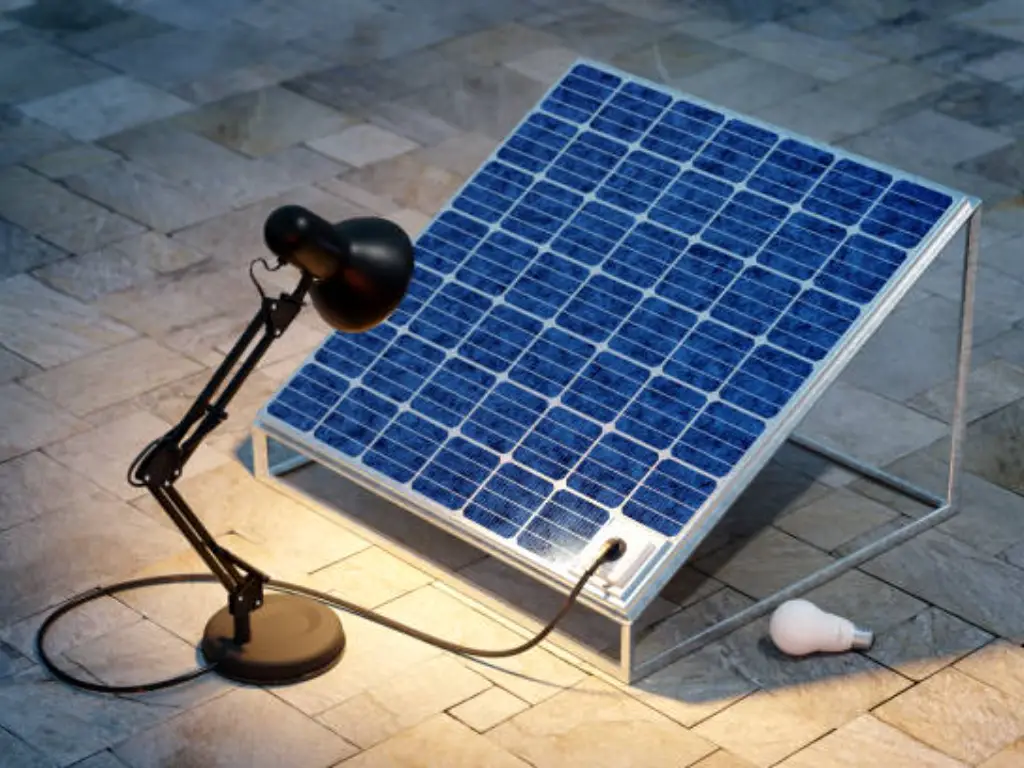
Solar panels can generate some electricity from artificial light, but the amount is usually very small compared to sunlight. Most artificial lights are not strong enough or the right type to power solar panels efficiently. You might get a little charge, but don’t expect your solar-powered devices to work well indoors.
Now, let’s explore why this happens, what affects solar panel charging, and what you can actually expect in real life.
How Solar Panels Work
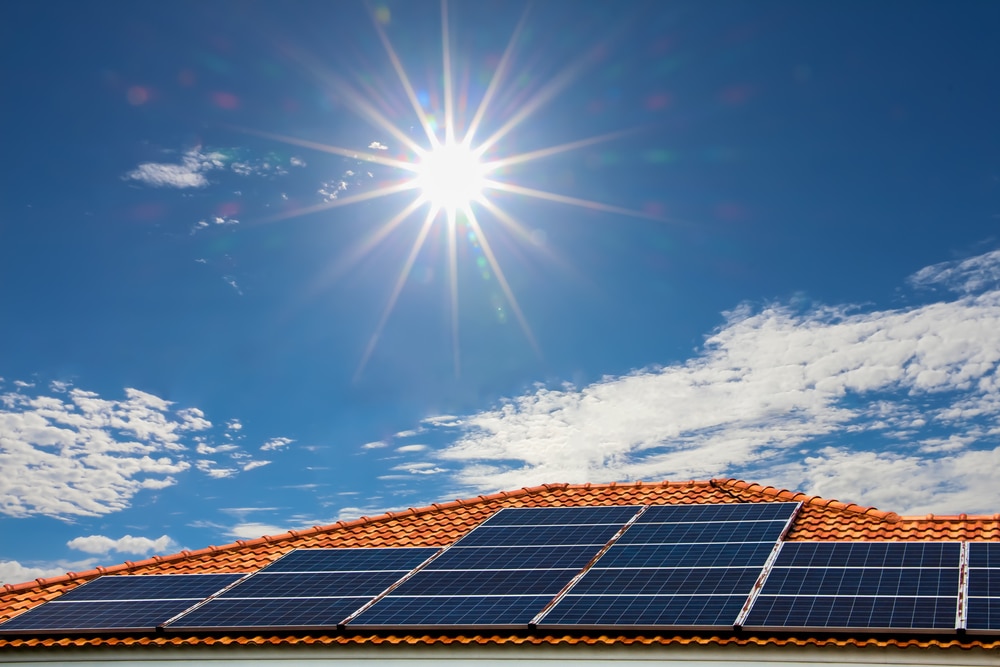
Solar panels use photovoltaic cells to turn light into electricity. These cells are made from materials like silicon. When light hits the panel, it knocks electrons loose, which creates an electric current.
- Sunlight has a lot of energy and covers a wide range of light wavelengths. This makes it ideal for solar panels.
- Artificial light (like LEDs, fluorescent bulbs, or incandescent lamps) is usually weaker and may not give the right mix of wavelengths for efficient energy conversion.
Here’s a quick comparison of sunlight and common artificial light:
| Light Source | Typical Intensity (lux) | Spectrum Match to Solar Panels |
|---|---|---|
| Direct Sunlight | 100,000 | Excellent |
| Office Fluorescent | 500 | Moderate |
| LED Room Light | 300 | Poor to Moderate |
| Incandescent Bulb | 250 | Poor |
As you can see, sunlight is much stronger than indoor lighting. This difference is a big reason why solar panels charge slowly or not at all with regular room lights.
How Much Power Can You Get From Artificial Light?
Let’s break down what actually happens when you put a solar panel under artificial light.
- Standard indoor lights are 100-300 times less powerful than the sun.
- A small solar garden light might need 1-2 watts to run. Under a lamp, it might only get 0.01-0.1 watts.
- Small devices (like calculators) can sometimes work indoors because they use very little power.
Here’s a practical example:
Imagine you have a small solar panel rated for 5 watts under full sun. If you put it under a typical LED bulb, it might only give you 0. 05 watts. That’s only 1% of its outdoor potential!
| Solar Panel Watt Rating | Expected Output in Sunlight | Expected Output under LED Light |
|---|---|---|
| 5 W | 4.5 W | 0.05 W |
| 1 W | 0.9 W | 0.01 W |
This means charging something like a phone or power bank indoors with a regular solar panel will take a very long time—sometimes days or weeks.
The Role Of Light Spectrum
Solar panels are designed to use light from the sun, which has a special mix of colors and energy. Most artificial lights:
- Miss some of the colors that solar panels need
- Are weaker in the blue and ultraviolet parts of the spectrum
LEDs and fluorescent bulbs are better than incandescent bulbs but still not as good as sunlight. Some laboratory lamps (like halogen or specialty grow lights) come closer to sunlight, but you won’t find these in most homes.
Example: Why Calculators Work Indoors
You might have seen solar-powered calculators that work fine under office lights. This is because:
- They use amorphous silicon solar cells, which work better with indoor light.
- Their power needs are extremely low.
But for bigger devices, the story is very different.
Credit: www.wosenled.com
Types Of Solar Panels And Indoor Performance
Not all solar panels are the same. Some work better with artificial light than others.
| Solar Panel Type | Works Well with Sunlight | Works Well with Artificial Light | Common Use |
|---|---|---|---|
| Monocrystalline | Yes | Poor | Home & Outdoor Panels |
| Polycrystalline | Yes | Poor | Budget Panels |
| Amorphous Silicon | Good | Better | Calculators, Sensors |
Non-obvious insight: If you need a solar device to work indoors, look for amorphous silicon panels. They’re less efficient in full sun, but better under artificial light.
Common Myths And Misunderstandings
Many people believe any light will charge a solar panel well. That’s not true. Here are some common mistakes:
- Thinking a bright lamp equals sunlight.
- Even a 100-watt bulb is much weaker than the sun.
- Assuming all solar panels perform the same.
- See the table above—panel type matters.
- Expecting fast charging indoors.
- Indoor charging is always much slower, unless you use very strong, special lights.
- Using colored or tinted bulbs.
- Solar panels need a broad spectrum, not just red or blue light.
If you want the best results, always place panels in direct sunlight.

Credit: charge-solar-panel-with-a-battery.hashnode.dev
Can You Use Artificial Light To Charge Solar Panels On Purpose?
Some people try to use grow lights or high-power lamps to charge panels indoors. Is this a good idea?
- Specialty grow lights can sometimes work because they are made to mimic sunlight.
- These lights use a lot of electricity. It’s usually less efficient to power a lamp just to charge a solar panel.
- It only makes sense in labs, for product testing, or if sunlight is not available for days.
Real-world example: Some emergency radios have small solar panels and can be topped up with a strong desk lamp, but it’s slow and not practical for large devices.
Practical Tips For Indoor Solar Charging
If you still want to try charging with artificial light, here are some useful tips:
- Use the strongest, broadest spectrum light you have (like a halogen or high-lumen LED).
- Place the panel as close as possible to the bulb (without overheating).
- Keep the panel clean—dust and fingerprints block light.
- Monitor charging time—expect it to be much longer than outdoors.
Non-obvious insight: If you have a choice, position the panel under a lamp with a white lampshade. This spreads light more evenly, helping a little.
When Does Indoor Charging Make Sense?
- For very low-power devices (calculators, some sensors, watches)
- In offices where sunlight is not available
- For demonstration or educational purposes
For charging phones, power banks, or running home systems, indoor charging is not practical with regular lights.
Case Study: Solar Charger In An Office
Let’s say you bring a portable solar charger to your office. You place it under your desk lamp and hope to charge your phone.
- Your lamp is 10 watts, one foot away from the panel.
- The charger is rated for 5 watts in sunlight.
What happens?
- You might get 0.01-0.05 watts of power.
- Charging your phone (which usually needs 5-10 watt-hours) could take days.
Tip: Open the blinds and put the panel near a window. Even cloudy sunlight is better than a lamp.
Credit: www.energymatters.com.au
Environmental Impact Of Artificial Light Charging
Charging solar panels with artificial light is not “green. ” The electricity for the lamp comes from the grid, which is often powered by fossil fuels. You lose energy in the process.
- Using sunlight is always more efficient and eco-friendly.
- If you must use artificial light, check if your electricity comes from renewable sources.
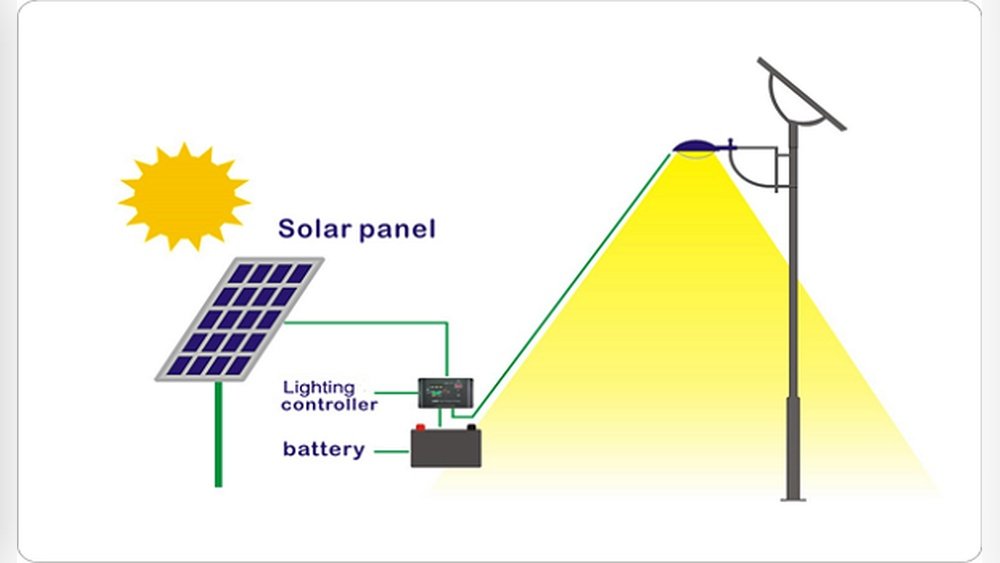
What About Streetlights Or Public Lighting?
Some people wonder if solar panels placed under streetlights or public lamps will charge at night.
- Most streetlights use LEDs or sodium lamps. Their light is weak compared to sunlight.
- A solar panel under a streetlight will get almost no useful charge.
- It’s not a reliable way to power devices.
Key Takeaways
- Solar panels can charge from artificial light, but very slowly.
- Sunlight is 100–300 times stronger than indoor lighting.
- Only small, low-power devices can run on indoor solar power.
- The type of solar panel matters—a lot.
- For most people, placing panels in real sunlight is the best choice.
If you’re planning a solar project, always consider where the light will come from.
Frequently Asked Questions
Can Solar Panels Charge With Led Or Fluorescent Lights?
Yes, but the charge is very small. You may get some power, but it’s much less than from sunlight. Only small devices will work well.
Do Solar Panels Work At Night With Streetlights?
Not really. Streetlights are too weak to give useful charging. Solar panels need strong, broad-spectrum light, which streetlights do not provide.
Which Type Of Solar Panel Works Best Indoors?
Amorphous silicon panels are better for indoor or low-light use. Monocrystalline and polycrystalline panels need more light to work well.
Is It Efficient To Use Artificial Light To Charge Solar Panels?
No. Using electricity to power a lamp just to charge a panel wastes energy. It’s better to plug devices into the wall if sunlight is not available.
Why Do Solar Calculators Work Indoors But Not Solar Phone Chargers?
Calculators use very little power and have special solar cells that work well with indoor light. Phone chargers need much more power, which indoor light cannot provide.
For more information on how solar panels work and their efficiency, you can check this Wikipedia article on solar cells.
If you need reliable charging, always choose real sunlight. Indoor solar charging is a fun experiment, but not a good long-term solution for most devices.