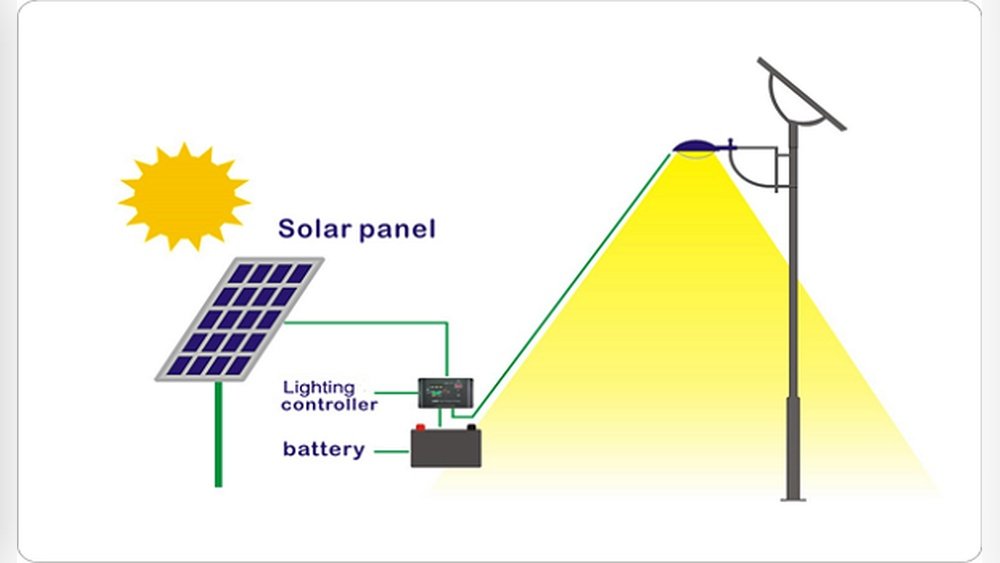

Have you ever looked at a solar panel and wondered if you could use it to charge your phone, car battery, or even run your lights during a power outage? Maybe you bought a solar panel kit but felt lost when you saw wires and connectors.
Many people want to use solar energy but get confused about where to start. The process seems technical, and mistakes can damage your battery or waste money. Let’s clear up the confusion together. I’ll show you exactly how to charge a battery with a solar panel, step by step, so you feel confident from the start.
Short Answer
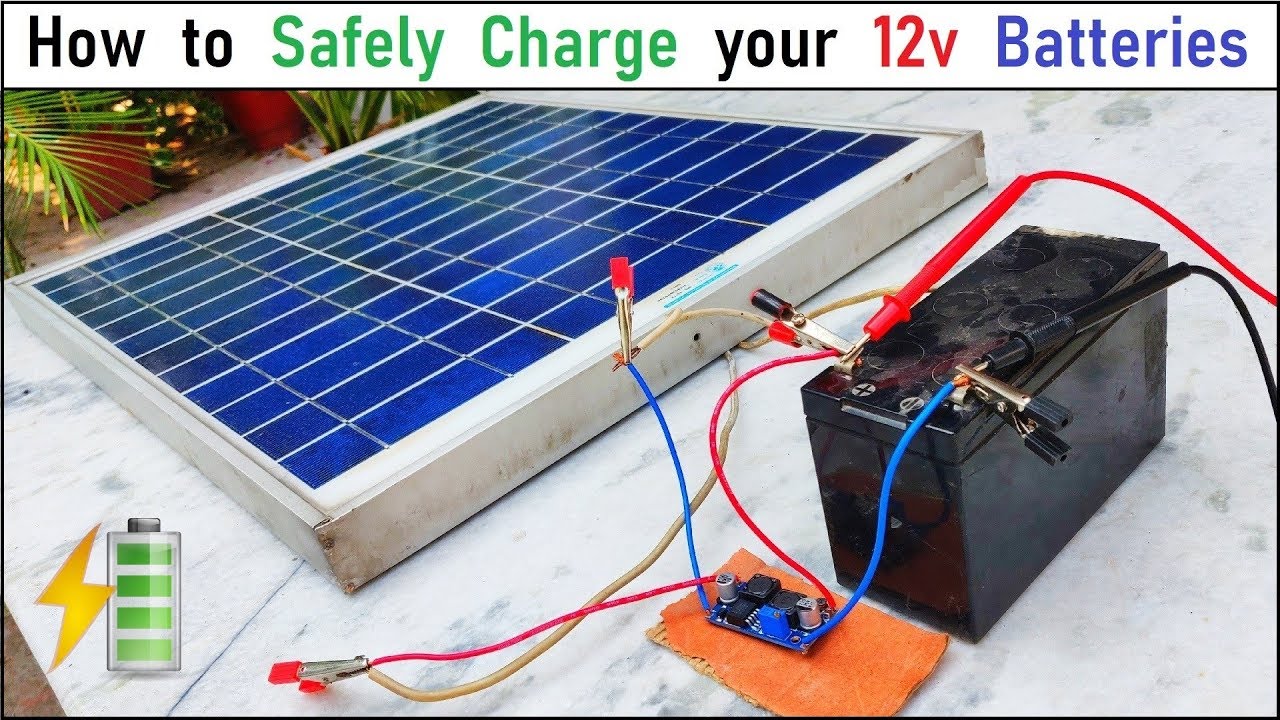
To charge a battery with a solar panel, connect the panel to a charge controller, then connect the controller to your battery. The controller protects your battery from overcharging or draining. Use the right solar panel size for your battery. Make sure the connections are secure and follow the correct voltage and polarity.
Understanding The Basics
Before you begin, it’s important to understand a few key terms:
- Solar panel: Converts sunlight into electricity.
- Battery: Stores the electricity for later use.
- Charge controller: Regulates the flow of electricity from the panel to the battery.
- Watt-hour (Wh): Measures energy storage and use.
- Voltage (V): The electrical potential difference.
How Solar Panels Work
Solar panels use sunlight to create direct current (DC) electricity. This is the same type of power used in batteries. Panels come in different wattages, like 10W, 50W, or 100W, depending on your needs.
Battery Types
Most people use lead-acid or lithium-ion batteries. Lead-acid is common in cars and backup systems. Lithium-ion batteries are used in phones and solar home systems.
Why You Need A Charge Controller
A charge controller is essential. It prevents the battery from being overcharged, which can damage it. It also stops the battery from discharging back into the panel at night.

Credit: www.youtube.com
Step-by-step Guide To Charging A Battery With A Solar Panel
Let’s break down the process so you can follow along easily.
1. Choose The Right Solar Panel
The panel size depends on your battery. Here’s a quick example:
| Battery Size | Panel Wattage Needed | Charge Time (Full Sun) |
|---|---|---|
| 12V, 50Ah (600Wh) | 100W | 6-7 hours |
| 12V, 100Ah (1200Wh) | 200W | 6-7 hours |
| 24V, 50Ah (1200Wh) | 200W | 6-7 hours |
If you want to charge faster or on cloudy days, use a bigger panel.
2. Get A Suitable Charge Controller
The controller must match your battery voltage (12V or 24V) and handle the panel’s max current. For example, a 100W panel (at 12V) produces about 8 amps, so a 10A charge controller is enough.
3. Connect The Solar Panel To The Charge Controller
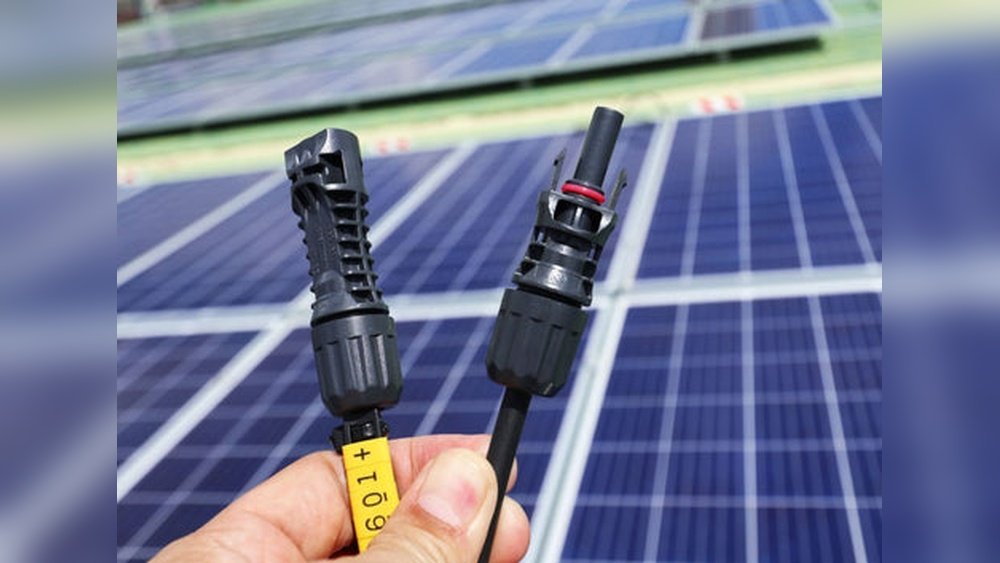
- Use the panel’s positive (+) and negative (-) wires.
- Connect them to the input terminals on the controller.
- Double-check the polarity.
4. Connect The Charge Controller To The Battery
- Match the battery voltage to the controller.
- Connect the controller’s battery output to the battery’s terminals.
- Always connect the battery before the panel.
5. Monitor Charging
Most controllers have LED indicators. Green means charging. Red usually means error. Some controllers have a display showing voltage and current.
6. Disconnect Safely
When the battery is full, disconnect the panel or let the controller stop charging automatically. Never let the battery overcharge.
Practical Example: Charging A 12v Car Battery
Let’s say you want to charge a 12V, 50Ah car battery using a 100W solar panel.
- The battery holds about 600 watt-hours.
- The 100W panel gives about 100 watts per hour in full sun.
- It will take about 6 hours of good sunlight to fully charge.
Steps:
- Place the panel in direct sunlight.
- Connect the panel to a 10A charge controller.
- Connect the controller to the car battery.
- Monitor the controller. When the battery reaches 12.6–13.8V, charging is complete.

Credit: electronics.stackexchange.com
Common Mistakes And How To Avoid Them
Many beginners make simple errors that can cause problems. Here’s what to watch for:
- Wrong polarity: If you connect positive to negative, you can damage the controller or battery.
- No charge controller: Direct connection can overcharge and ruin the battery.
- Wrong panel size: Using a small panel means very slow charging; too big can stress the controller.
- Loose connections: Poor contacts lead to low charging or sparks.
- Ignoring battery voltage: Using a 24V panel for a 12V battery without the right controller can overheat the battery.
How To Size Your System
Sizing your solar panel and controller is key. Here’s a simple way to calculate:
- Find your battery’s Amp-hour (Ah) rating.
- Multiply by voltage for watt-hours (Wh).
- Divide by panel wattage to estimate charge time.
For example, a 12V, 100Ah battery:
- 12 x 100 = 1200Wh
- Using a 200W panel: 1200 / 200 = 6 hours
Add 20% extra for cloudy days or losses.
Solar Panel Types And Performance
There are three main types of panels:
| Type | Efficiency | Cost | Durability |
|---|---|---|---|
| Monocrystalline | 15-22% | High | Long |
| Polycrystalline | 13-17% | Medium | Medium |
| Thin Film | 10-12% | Low | Short |
Monocrystalline is best if you have limited space. Polycrystalline is cheaper but less efficient. Thin film works for portable or flexible setups.
How Weather And Sunlight Affect Charging
Solar panels work best in direct sunlight. Clouds, shade, or dirty panels reduce power.
- Full sun: 100% power
- Cloudy: 50-70% power
- Shade: 10-30% power
Clean panels regularly. Place them facing south (in the US) for maximum sunlight.
Safety Tips
Charging batteries involves electricity. Always follow safety tips:
- Wear gloves when connecting wires.
- Avoid charging damaged batteries.
- Keep water away from electrical parts.
- Don’t leave batteries unattended while charging.
If you’re unsure, ask an expert or check the manual.
How To Use Solar-charged Batteries
Once your battery is charged, you can use it for:
- Powering lights during outages
- Running small appliances
- Charging phones or laptops
- Running a portable fridge
Always check the battery’s capacity before connecting devices. Overloading can damage the battery.
Real-life Examples And Insights
Many people use solar panels for camping or backup power. For example, John uses a 100W panel and a 12V battery to run lights and charge his phone during fishing trips. He learned that placing the panel at a 30-degree angle increases power by 15%.
A common mistake is leaving the panel outside during rain. Moisture can cause shorts. Always use waterproof connectors.
Some beginners forget to check the battery’s voltage before charging. If the voltage is below 11V, the battery may be damaged and not charge properly.
Solar Charging Vs. Traditional Charging
Let’s compare solar charging with plugging your battery into the wall:
| Charging Method | Cost | Portability | Environment Impact |
|---|---|---|---|
| Solar Panel | Low (after purchase) | High | Eco-friendly |
| Wall Charger | Ongoing (electric bill) | Low | Some pollution |
Solar charging saves money and helps the environment. Wall charging is faster but less portable.
Credit: www.youtube.com
Extra Tips For Efficient Charging
Here are two insights many beginners miss:
- Panels lose power if they are dirty. Clean them once a week.
- Batteries charge slower in cold weather. Try to keep batteries warm, but never in direct sunlight.
Also, check your charge controller’s settings. Some controllers let you set the maximum charging voltage. Adjusting this can extend battery life.
Troubleshooting Common Problems
If your battery is not charging:
- Check all connections.
- Make sure the panel is in sunlight.
- Test the charge controller with a multimeter.
- Replace damaged wires.
If the battery is hot, disconnect immediately. A hot battery can be dangerous.
If your panel is not producing power, try cleaning it or moving it to a sunnier spot.
Where To Find Reliable Equipment
Choose trusted brands for panels and controllers. Look for UL or CE certifications. Check reviews on sites like EnergySage before buying. Cheap panels often don’t last long.
Frequently Asked Questions
How Long Does It Take To Charge A Battery With A Solar Panel?
It depends on the battery size and panel wattage. For example, a 100W panel can fully charge a 12V, 50Ah battery in about 6–7 hours of full sunlight.
Can I Charge My Phone Directly From A Solar Panel?
No, you should not connect a phone directly to a solar panel. Use a charge controller and a battery. Then use the battery to charge your phone safely.
Do I Need A Charge Controller For Small Panels?
If your panel is under 5W and only used for trickle charging, you may skip the controller. For anything larger, always use a charge controller.
Is Solar Charging Safe For All Batteries?
Most lead-acid and lithium-ion batteries can be solar charged. Always check the battery’s voltage and use the correct controller. Never charge damaged batteries.
What Happens If I Connect The Panel Directly To The Battery?
You risk overcharging, which can damage the battery and create safety hazards. Always use a charge controller to protect your battery.
Charging a battery with a solar panel is simple once you know the right steps. Start small, follow the guide, and you’ll enjoy free, clean energy—without confusion or mistakes. If you ever feel unsure, ask for help or check reliable sources.
Solar energy can change the way you power your life.