
You wake up to another high electricity bill, and your friend just bragged about paying almost nothing since installing solar panels. You start thinking, “Should I finally go solar?” But then, confusion hits. Is there a perfect season to install? Will waiting save money? Or does acting now make more sense? Many homeowners get stuck here, worried about making a wrong move or missing out on savings.
The truth is, timing your solar panel installation can impact your costs, energy savings, and even how quickly you get connected. Let’s clear up the confusion, so you can make a smart choice—without regrets.
Short Answer: When Is The Best Time To Install Solar Panels?
The best time to install solar panels is usually late winter to early spring. This window lets you finish installation before the sunniest months, so you enjoy maximum savings through summer and fall. But there are exceptions. Factors like local climate, installer schedules, and new incentive programs also play a role.
Let’s dig deeper into why this timing works, and what you should consider for your own home.
Why Timing Matters For Solar Panel Installation
Many people think solar panels can go up any time. That’s partly true. But your installation date affects:
- How soon you start saving on power bills
- How much of the high-sun season you capture
- Possible wait times for installers
- Eligibility for tax credits and rebates
If you install at the wrong time, you might wait longer or miss out on peak solar months.

Credit: www.solarbycir.com
Seasonal Breakdown: Pros And Cons
Let’s look at each season, so you can pick the best fit for your needs.
Winter
In winter, solar installers are often less busy. You might get faster service and more attention to detail. Prices may be lower due to off-peak demand. But bad weather—like heavy snow or freezing rain—can cause delays.
Spring
Spring is the sweet spot. Days start to get longer, and installers ramp up their schedules. You get panels ready before the sunniest months, maximizing your annual energy production.
Summer
Many people rush to install in summer, hoping to cash in on the sunlight. But this is the busiest period for solar companies. You could face long wait times or pay a premium for urgent jobs.
Fall
Fall can be a good choice, especially early in the season. Installers are wrapping up jobs, and the weather is still mild in many places. But waiting too late risks missing incentives or ending up on a long waiting list.
Here’s a quick comparison:
| Season | Pros | Cons |
|---|---|---|
| Winter | Faster scheduling, possible discounts | Weather delays, less sunlight |
| Spring | Panels ready for peak sun, mild weather | Installers get busy toward late spring |
| Summer | Immediate savings in high-sun months | High demand, higher costs, wait times |
| Fall | Mild weather, installer availability | Possible rush, risk missing incentives |
Factors That Affect The Best Timing For You
Not every home or family is the same. Consider these factors before deciding.
Your Location And Climate
If you live in the Southwest US, sunny all year, timing is less critical. But in the Northeast, long winters mean you want your system ready before spring.
Examples:
- Florida: Install almost any time—sun is strong year-round.
- Minnesota: Finish installation before April to catch the best sun.
Installer Availability
Installers can be booked for months during peak season. Scheduling in the off-season can reduce wait times and even lead to better service.
Incentives And Tax Credits
Some states or local programs run out of funds or change rules by year’s end. Federal tax credits also have yearly deadlines. Installing before the cut-off helps you qualify for the best deals.
Your Budget And Energy Needs
If your power bills skyrocket in summer, installing in spring helps you lower costs during the hottest months. If you want to spread out payments, some installers offer winter discounts.
Credit: www.sempersolaris.com
Common Myths About Solar Panel Timing
Let’s clear up a few misunderstandings that cause delays or mistakes.
1. “you Should Only Install In Summer.”
Reality: Summer is busy and expensive for installers. You’ll get more value by being ready before summer starts.
2. “solar Panels Don’t Work In Winter.”
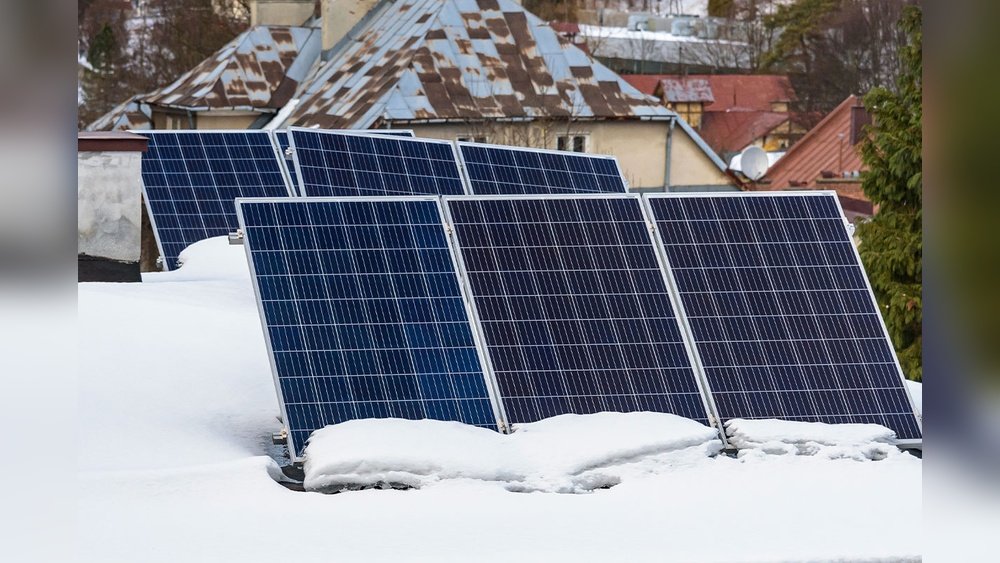
Reality: Panels still produce energy on cold, sunny days. Snow can reduce output, but most systems are built to handle winter weather.
3. “waiting Means Better Technology.”
Reality: Solar tech improves slowly. Waiting a year rarely means cheaper or much better panels. The savings you lose by waiting often outweighs any small gains.
How Long Does Installation Take?
A common mistake is assuming solar panels go up in a week. The full process usually takes 1 to 3 months from the first call to switching on your system.
Steps:
- Site visit and design (1–2 weeks)
- Permitting and paperwork (2–6 weeks)
- Installation (1–3 days)
- Inspection and utility connection (1–4 weeks)
This means if you want panels ready for summer, start the process by late winter or early spring.
Weather And Solar Panel Performance
Some people worry about cloudy days or cold weather. Here’s what really matters:
- Solar panels work in all seasons. They need sunlight, not heat.
- Snow can block panels, but most snow slides off angled panels quickly.
- Rain actually helps by cleaning dust and debris.
Here’s a quick look at seasonal performance:
| Season | Average Daily Sun Hours (US) | Performance Notes |
|---|---|---|
| Winter | 2–4 hours | Short days, some snow cover |
| Spring | 4–6 hours | Increasing sun, mild weather |
| Summer | 6–8 hours | Longest days, top output |
| Fall | 3–5 hours | Days get shorter, less sun |
Not-so-obvious Insights Most Homeowners Miss
Installer experience matters more than the season. A skilled team avoids delays and maximizes your panel output, even in shoulder seasons (late fall or early spring).
Permitting can be the biggest delay. Many cities take weeks or months to approve solar plans. Starting early avoids last-minute headaches.
Solar Incentives: Don’t Miss The Window
Federal and state incentives can save you thousands. But these programs often have strict deadlines. The federal solar tax credit, for example, drops in value over time.
Example:
The US federal tax credit was 30% in 2024, but it’s set to decrease in coming years. Many states also have “first come, first served” rebates that run out quickly.
Tip: If you install early in the year, you usually have time to fix paperwork issues before deadlines.
Comparing Costs By Season
You might wonder if prices really change based on timing. Here’s what many homeowners don’t know: some installers offer discounts in the off-season, hoping to keep crews busy.
Let’s compare rough installation costs:
| Season | Average Cost per Watt (USD) | Notes |
|---|---|---|
| Winter | $2.75–$3.15 | Potential discounts, weather risk |
| Spring | $2.85–$3.25 | Standard pricing, high demand starts |
| Summer | $3.00–$3.50 | Peak pricing, demand surge |
| Fall | $2.85–$3.25 | Variable pricing, depends on location |
*Source: National Renewable Energy Laboratory, 2024 data*
Steps To Take Before Installing Solar Panels
Here’s what you should do before calling an installer:
- Check your roof. Make sure it’s in good shape and won’t need repairs soon.
- Review your power bills. Know your yearly usage to size your system right.
- Get at least three quotes. This helps you compare prices, warranties, and company experience.
- Ask about incentives. Your installer should explain all local, state, and federal programs.
- Check installer reviews. Past customer feedback reveals a lot about quality and delays.
Mistakes To Avoid
Even smart buyers can trip up. Watch out for these common errors:
- Waiting until summer to start the process—this often means missing out on the sunniest months.
- Ignoring your roof’s condition. Old roofs may need work before panels go up.
- Not asking about local permitting times—these can add unexpected delays.
- Over-focusing on panel brand and ignoring installer reputation.
Real-world Example
Sarah, a homeowner in Colorado, wanted solar for summer. She waited until May to start. By the time permits and installation finished, it was September. She missed most of the high-sun season—and paid higher prices due to peak demand. If she had started in February, she would have saved money and enjoyed months of free energy.
Should You Wait For New Technology?
It’s tempting to wait for better panels. But solar improvements are usually small—maybe 1–2% more efficient each year. Most savings come from using solar sooner, not waiting.
If a big breakthrough happens, installers and media will share it widely. For now, today’s panels are reliable, affordable, and work well for most homes.
How To Decide: A Simple Guide
Here’s a quick summary to help you choose your best timing:
- If you want maximum yearly savings, start the process in late winter.
- If you’re flexible and want possible discounts, ask installers about winter pricing.
- Check for expiring incentives or deadlines in your state.
- Always factor in 1–3 months for the whole process—don’t wait until the last minute.
And remember: the sooner you go solar, the sooner you start saving.
For further guidance and up-to-date incentive info, visit the U.S. Department of Energy’s Solar Guide.
Frequently Asked Questions
What If My Roof Needs Repairs Before Installing Solar Panels?
If your roof is old or damaged, fix it before installation. Most panels last 25+ years, so you don’t want to remove them for repairs later. Some companies offer roof and solar bundles for convenience.
Can I Install Solar Panels In Winter?
Yes, you can. Cold weather does not hurt solar panels. In fact, panels work more efficiently in cooler temperatures. Just watch for possible weather delays.
How Long Does It Take To Get Solar Panels Working?
From first call to final connection, expect 1–3 months. Permitting and inspection are often the slowest parts. Starting early helps you finish before peak months.
Will I Save More Money If I Wait For Newer Panels?
Usually, no. Technology improves slowly. The lost savings from delaying can outweigh tiny gains in panel efficiency.
Do Solar Panels Work On Cloudy Or Snowy Days?
Yes, but with lower output. Panels still generate power from daylight, not just direct sun. Snow melts and slides off quickly, especially on tilted roofs.
—
Choosing the right time to install solar panels doesn’t have to be a guessing game. Start early, consider your local weather and incentives, and work with a trusted installer. That way, you’ll enjoy low bills and clean energy for years to come—without the stress of missed opportunities or expensive delays.

Credit: www.solaroptimum.com