
Have you thought about removing your solar panels but worry about your roof? Maybe you’re selling your house, upgrading your system, or facing repairs. Many homeowners feel this stress. You want to protect your investment, but you also want to avoid hidden costs and headaches.
Will your roof look like Swiss cheese after the panels come off? Can you trust installers to do it right? These questions are real for anyone with solar panels.
Let’s clear up the confusion. In this article, you’ll find out if removing solar panels damages your roof—and what you can do to keep your home safe and sound.
Short Answer: Does Removing Solar Panels Damage Roof?
Removing solar panels can damage your roof, but it doesn’t have to. If the panels were installed correctly and taken off by skilled professionals, most roofs stay in good shape. Problems usually happen from poor installation, old roofing materials, or DIY removal. The key is knowing what risks exist and how to avoid them.
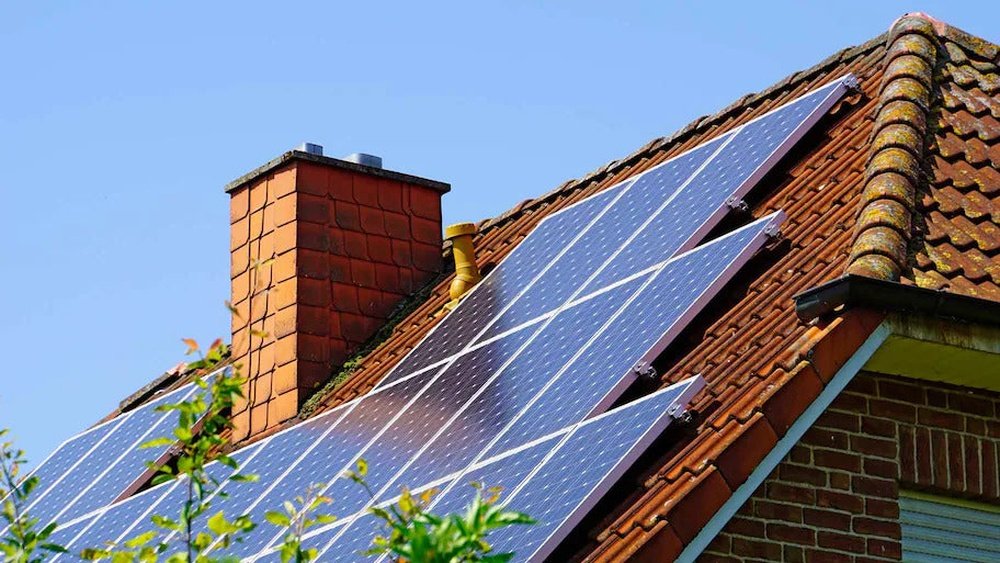
How Solar Panels Attach To Your Roof
Understanding how panels are fixed to your roof helps explain why damage might happen.
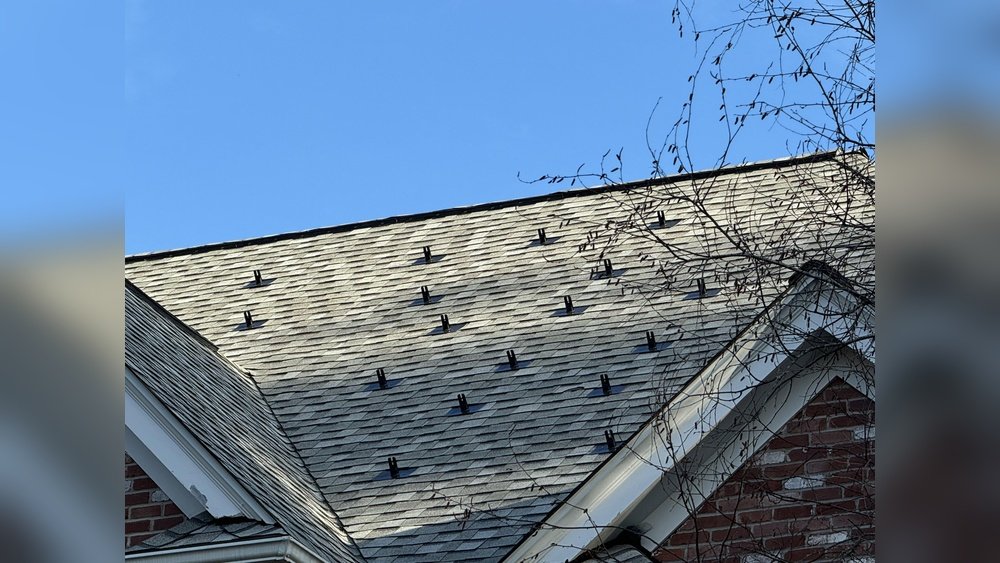
- Mounting brackets are bolted through your roofing material into the rafters or trusses.
- Flashing (thin metal sheets) is used around the brackets to keep water out.
- Sealants are applied to stop leaks.
Most homes use one of these methods:
- Shingle roofs: Brackets go under the shingles, and flashing is added.
- Tile roofs: Installers may cut or lift tiles, then seal the gaps.
- Metal roofs: Mounts are screwed directly into the metal or use clamps.
Each method creates holes or changes to your roof. That’s why careful removal is so important.
Common Reasons For Removing Solar Panels
People remove panels for several reasons:
- Roof repairs or replacement: The roof under your panels wears out, or there’s a leak.
- Upgrading solar system: You want newer, more efficient panels.
- Moving home: Some take their panels to a new house.
- End of panel life: Most panels last 25–30 years. After that, you might remove them for recycling.
No matter the reason, the process is similar and carries the same risks.
What Can Go Wrong During Removal?
Let’s look at the main risks when taking solar panels off:
- Broken shingles or tiles: Removing brackets can crack or break roofing material.
- Holes left behind: If holes are not sealed, water can leak in.
- Flashing damage: Removing flashing can expose your roof to rain.
- Old sealant issues: Sealant might peel off, leaving gaps.
- Hidden damage: Sometimes, you only see rot or mold after panels are gone.
Here are some real-world examples:
- A roof with old, brittle shingles often loses pieces during removal.
- On tile roofs, installers may break tiles when trying to lift mounts.
- If someone removes panels in a rush, they may not seal holes well.
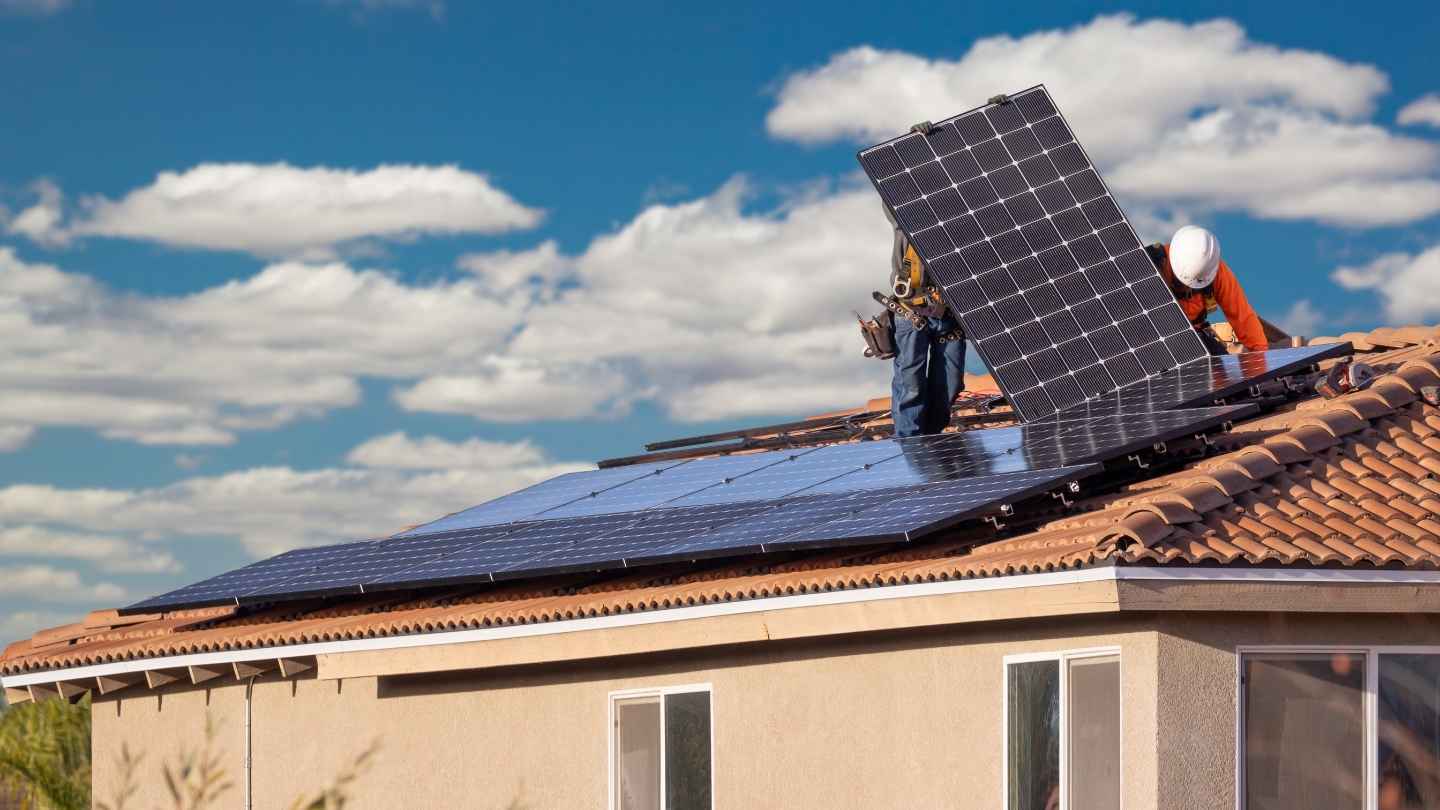
Credit: swiftsolardr.com
Factors That Affect The Risk Of Roof Damage
Not all roofs are the same. Some are at higher risk than others. What should you look for?
Age And Condition Of Your Roof
- Newer roofs (under 10 years): Usually strong enough to handle removal.
- Older roofs (over 15 years): Shingles or tiles may be brittle and easy to damage.
Type Of Roofing Material
Some materials are tougher than others.
| Roof Type | Risk Level | Notes |
|---|---|---|
| Asphalt Shingles | Medium | Most common; can tear if old |
| Clay/Concrete Tile | High | Tiles crack easily during removal |
| Metal | Low | Fewest problems; usually easier |
| Wood Shake | High | Can split or rot under mounts |
Quality Of Original Installation
Did you use a licensed installer? Were the brackets flashed and sealed well? Poor installation often leads to leaks or damage when removing panels.
Weather And Timing
Removing panels in wet or freezing weather can make materials brittle or slippery. It’s best to do this work in dry, mild conditions.
Steps Professionals Take To Remove Solar Panels Safely
A good installer follows these steps:
- Power down the system safely.
- Remove the panels one at a time, taking care not to drop or drag them.
- Take off the mounting hardware carefully, using the right tools.
- Check the roof for damage or wear under the mounts.
- Seal all holes with roof-friendly sealant.
- Replace broken shingles or tiles as needed.
- Test the area to make sure it’s watertight.
This process might sound simple, but each step needs skill. Rushing or skipping steps can lead to trouble later.

Credit: homeguide.com
How To Minimize The Risk Of Damage
You can take action to protect your roof. Here’s how:
- Hire a licensed, insured contractor with solar experience.
- Ask if they have worked with your type of roof before.
- Request photos of previous removal jobs.
- Make sure they plan to replace any broken shingles, tiles, or flashing.
- Ask for a written warranty on their work.
- If your roof is old, consider replacing it before reinstalling panels.
A common mistake is trying to remove panels yourself. Even if you’re handy, the risks are higher than you might think. Professionals have the right tools and know what to look for.
What Happens To The Holes After Removal?
The most common worry is what happens to all the holes left behind. Here’s what you need to know:
- Small holes (from lag bolts) can be filled with roofing sealant and covered with new shingles or tiles.
- Large holes may need a patch of plywood and a new piece of roofing material.
- On metal roofs, installers usually use rubber gaskets and sealant.
If done right, these repairs are almost invisible. The repaired spots should last as long as the rest of your roof. But if not sealed well, water can get in and cause rot or mold.
Here’s a quick view of hole repair methods:
| Type of Hole | Repair Method | Best For |
|---|---|---|
| Small (<1/4 inch) | Roofing sealant and shingle/tile patch | Asphalt, tile, wood |
| Medium (1/4–1 inch) | Plywood patch, new shingle/tile, sealant | Asphalt, wood |
| Large (>1 inch) | Cut and replace roof section | All types, especially after major damage |
Costs Involved: What To Expect
Removing and reinstalling solar panels is not cheap. Costs depend on your roof type, system size, and local labor rates. Here’s a rough breakdown:
- Removal only: $300–$1,000 for a small system (10–20 panels)
- Removal + reinstallation: $1,500–$6,000
- Roof repairs: $200–$2,000+, depending on damage
If you need a full roof replacement, the cost is higher. Most solar companies will give you an estimate before starting.
Signs Of Damage To Watch For
After removal, keep an eye on your roof for these issues:
- Water stains on ceilings (may signal leaks)
- Missing or cracked shingles/tiles
- Sagging areas on the roof
- Moldy smells in the attic
If you spot any of these, call a roofer right away.

Credit: www.reddit.com
The Importance Of Proper Roof Inspection
Never skip a roof inspection after panel removal. This step helps catch small problems before they get big. A good inspector will:
- Check for loose or missing shingles/tiles
- Look for soft spots or rot under old mounts
- Test for leaks with water
In some cases, you may find that the panels actually protected your roof from sun and rain. But always check for hidden damage.
Solar Panel Leasing Vs. Ownership: Who Pays For Damage?
If you own your system, you are usually responsible for repairs. If you lease or have a solar power purchase agreement (PPA), the company may handle removal and repairs. Always read your contract. Some agreements cover roof leaks or damage caused by the system, while others don’t.
Here’s a quick comparison:
| Who Owns Panels? | Who Pays for Removal? | Who Pays for Roof Damage? |
|---|---|---|
| Homeowner | Homeowner | Homeowner (unless under warranty) |
| Leasing Company | Leasing Company | Usually Leasing Company, check contract |
Two Insights Most Homeowners Miss
First, many people think solar panels always protect the roof. While panels do shield some areas from sun and rain, leaks can still start around mounts if not sealed well. Second, a lot of homeowners wait until there’s a problem to check under the panels.
It’s smart to inspect your roof every few years, even if you don’t see leaks.
When Should You Replace The Roof Instead Of Repairing?
If your roof is over 15 years old, or you see widespread wear, replacing it is often smarter than repairing. Why? Because you don’t want to remove and reinstall panels again in a few years. It’s more cost-effective to do both jobs at once.
How To Find The Right Contractor
Look for these qualities:
- Licensing and insurance
- Experience with your roof type
- Positive reviews
- Clear written warranty
Ask for references and examples of past work. If a company won’t provide these, look elsewhere.
For more on solar panel installation and removal standards, you can check the U.S. Department of Energy.
Frequently Asked Questions
Do Solar Panels Always Leave Holes In The Roof?
Yes, most solar panel systems use bolts that go into the roof. These leave holes when removed. But a skilled installer can seal them so leaks aren’t a problem.
Can I Remove Solar Panels Myself?
It’s possible, but not recommended. You could break tiles, miss leaks, or fail to seal holes properly. It’s safer and often cheaper in the long run to hire a pro.
How Long Does It Take To Remove Solar Panels?
Most small systems can be removed in half a day to one day. Larger or more complex roofs might take longer.
Is It Better To Remove Panels Before Replacing My Roof?
Yes, always remove panels before roof replacement. Trying to work around panels can lead to more damage and poor results.
Will My Roof Warranty Cover Damage From Solar Panels?
Not always. Some roof warranties are voided if panels are installed or removed. Check your warranty terms and talk to your roofing contractor before starting.
Thinking about removing your solar panels doesn’t have to be stressful. With the right help and a little planning, you can keep your roof in great shape for years to come.