
Have you ever wondered why your solar panel sometimes gives odd readings, or why installers always talk about “grounding”? Maybe you’ve seen sparks, felt a shock, or worried about safety. You’re not alone. Many people get confused when setting up their solar panels.
They hear terms like grounding, bonding, or earthing, but nobody explains what they really mean. You want your solar system to run safely and last long, but the details feel overwhelming.
Let’s break down how to ground a solar panel in plain, simple steps. With a bit of guidance, you can avoid mistakes, protect your home, and make your solar investment shine.
Short Answer
To ground a solar panel, connect a wire from the panel’s metal frame to a ground rod driven into the earth. Use the right wire size, secure all connections, and make sure the rod is deep enough. This helps prevent electrical shocks, system damage, and fire risks.
Why Grounding Matters
Grounding is about safety. It sends any stray electricity into the earth, not into you or your devices. Without grounding, a lightning strike or short circuit can cause fire, destroy electronics, or even hurt people.
Some common reasons for grounding:
- Protect against electric shock
- Prevent fire hazards
- Safeguard your solar equipment
- Meet local regulations
Even a small mistake can cause big problems. For example, a loose wire can leave the whole system unprotected.
Understanding Solar Panel Grounding
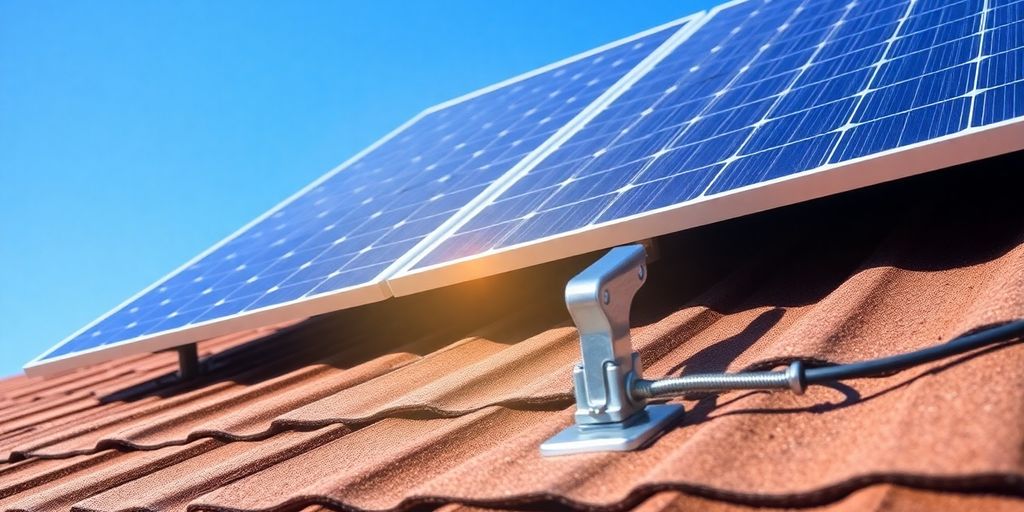
Solar panels have metal frames. If these frames are not grounded, they can build up voltage from lightning or system faults. The built-up charge needs a safe path to escape—this is where grounding comes in.
Let’s look at two types of grounding:
- Equipment grounding: Connects metal parts to earth.
- System grounding: Connects one side of the electrical system (like negative DC) to earth.
Most home solar setups need equipment grounding. System grounding is more advanced and often used in large installations.
Tools And Materials Needed
Before starting, gather these items:
- Copper wire (usually 10 AWG or thicker)
- Ground rod (8 feet copper or galvanized steel)
- Grounding clamp
- Wire cutter and stripper
- Wrench or screwdriver
- Multimeter (for testing)
- Safety gloves
Check local codes—some areas require thicker wire or special rods.
Step-by-step Guide: Grounding A Solar Panel
Let’s walk through the steps. Keep each step clear and simple.
1. Choose The Right Ground Rod
Pick a solid rod, at least 8 feet long. Copper is best, but galvanized steel works too. The rod should be clean and free of rust.
2. Find The Best Location
Place the rod near your solar panels, away from water pipes or gas lines. The spot should be easy to reach and not block footpaths.
3. Drive The Ground Rod Into The Earth
Use a hammer or sledgehammer. Drive the rod until only a few inches are above ground. If the soil is hard, water it first or use a ground rod driver.
4. Cut And Prepare The Ground Wire
Measure the distance from your panel frame to the rod. Cut the wire with some extra length. Strip about an inch of insulation from each end.
5. Connect The Wire To The Panel Frame
Find the grounding lug or hole on the panel frame. Attach the wire using a clamp or screw. Make sure the connection is tight and metal-to-metal.
6. Attach The Wire To The Ground Rod
Use a grounding clamp. Fasten the wire securely. The connection should not wiggle or loosen if pulled.
7. Test The Ground Connection
With your multimeter, check for continuity between the panel frame and the ground rod. You should get a low resistance reading (less than 1 ohm).
8. Secure And Protect The Wire
Run the wire along a safe path. Use clips or zip ties to keep it neat. Avoid sharp bends or places where it could get cut.
Common Mistakes And How To Avoid Them
Many beginners make errors. Here are some to watch out for:
- Using thin wire (too small can overheat)
- Leaving loose connections
- Forgetting to test the ground
- Placing the rod in rocky or dry soil (bad contact)
- Not following local codes
If you’re not sure, ask a local electrician or check your city’s regulations.

Credit: www.youtube.com
How Grounding Protects Your Solar System
Grounding is more than just a safety rule. It protects your investment in real ways:
- Stops lightning damage: Electricity goes into the earth, not your panels.
- Prevents fire: Faults don’t turn into sparks.
- Guards inverters and batteries: Reduces risk of expensive repairs.
- Helps meet insurance and code requirements: Some companies won’t cover ungrounded setups.
Here’s a simple example:
Imagine a storm hits and lightning strikes nearby. Without grounding, your panel frame could carry high voltage. This might damage your inverter, burn wires, or shock anyone who touches the panel. With grounding, that energy flows safely into the earth.
Comparing Grounding Methods
You might wonder: is there more than one way to ground a solar panel? Yes. Let’s compare the two main methods.
| Method | Best For | Cost | Ease | Protection |
|---|---|---|---|---|
| Ground Rod | Home systems | Low | Easy | High |
| Ground Grid | Large/Commercial | High | Medium | Very High |
For most homes, a single ground rod is enough. Large commercial setups use a ground grid—a mesh of rods and wires.

Credit: www.youtube.com
Choosing The Right Wire Size
Wire size matters. Too thin, and it can break or overheat. Too thick, and it’s hard to work with. Here’s a quick guide:
| Wire Size (AWG) | Max Current (Amps) | Typical Use |
|---|---|---|
| 10 | 30 | Small panels |
| 8 | 40 | Medium setups |
| 6 | 55 | Large systems |
Always check your panel’s specs and local codes.
Grounding Solar Panel Arrays
If you have more than one panel, here’s how to ground the whole array:
- Connect each panel’s frame with a wire.
- Link all wires to a main ground wire.
- Attach the main wire to the ground rod.
This forms a “daisy chain. ” Every panel is protected.
Mini Example
Suppose you have four panels. Run a wire from panel 1 to panel 2, then to 3 and 4. Connect the last wire to the ground rod.
Bonding Vs Grounding
Many people confuse bonding with grounding. They sound similar, but are different:
- Grounding: Connects to the earth.
- Bonding: Joins metal parts to each other.
Bonding keeps all metal parts at the same voltage. Grounding sends stray electricity away.
Both are needed for full safety. For solar panels, ground the frame and bond it to other metal parts.
Checking And Maintaining Your Ground
Grounding isn’t “set and forget. ” It needs checks.
- Inspect connections yearly.
- Look for corrosion or loose clamps.
- Test with a multimeter.
- After storms, check for damage.
A bad ground can fail when you need it most.
Credit: www.solarnplus.com
Real-world Data: Grounding Failures
In the US, fire departments report over 1,000 electrical fires yearly from faulty solar setups. Studies show that ungrounded panels can cause shock hazards even at low voltage.
A survey in California found that 15% of home solar systems had grounding problems—mostly loose wires or wrong rod placement.
Proper grounding reduces these risks by over 90%.
Local Codes And Regulations
Every area has its own rules. Some require special rods, deeper placement, or thicker wires. Always check:
- National Electrical Code (NEC)
- Local city or county rules
Failing to follow codes can void your insurance or cause fines.
Extra Tips For Safe Grounding
- Use anti-corrosion paste on connections
- Label ground wires for easy checks
- Keep wires away from sharp edges
- Wear gloves and eye protection
If you’re unsure, call a licensed electrician.
How Grounding Works With Inverters
Solar inverters change DC from panels to AC for your home. The inverter also needs grounding.
- Connect the inverter’s ground terminal to the same ground rod.
- Check the manual for wire size.
Some inverters have built-in ground fault protection, but you still need a ground rod.
Comparing Solar Panel Brands: Grounding Features
Some brands make grounding easier. Here’s a quick comparison:
| Brand | Grounding Lug | Frame Material | Ease of Grounding |
|---|---|---|---|
| SunPower | Yes | Aluminum | Easy |
| Renogy | Yes | Aluminum | Easy |
| LG | No | Steel | Medium |
Look for panels with built-in grounding lugs for less hassle.
Non-obvious Insights For Beginners
- Ground rods must touch moist soil. Dry or sandy spots don’t work well. If your yard is dry, pour water or pick a shaded area.
- Check ground connection after storms. Lightning or heavy rain can loosen clamps or shift rods.
- Panel frames must be metal-to-metal. Paint or coatings block the ground path. Scrape paint off at the connection point.
Frequently Asked Questions
What Happens If I Don’t Ground My Solar Panels?
Without grounding, panels can become dangerous. You risk shock, fire, and equipment damage. Insurance may not cover losses.
Can I Use Rebar In Concrete As A Ground?
Yes, some codes allow Ufer grounds (rebar in concrete). It must meet local rules and be connected properly.
How Often Should I Check My Ground?
Check at least once a year, after storms, or if you notice odd readings. Look for corrosion, loose wires, and bad connections.
Do All Panels Need Grounding?
Yes, every panel’s frame should be grounded. Even small panels can build up dangerous voltages.
Who Should Install The Ground Rod?
If you’re confident and follow codes, you can do it yourself. For complex or large systems, hire a licensed electrician.
Grounding your solar panel isn’t just about following rules—it’s about safety, reliability, and peace of mind. Take the time to set up your ground right. You’ll protect your home, your family, and your solar investment for years to come. For more details on electrical safety, visit NFPA Electrical Safety.