
Have you ever noticed your outdoor solar lights getting dimmer, even though the weather’s been sunny? Maybe you walked outside at night and wondered why your garden path isn’t as bright as last month. It’s a common problem, and many people assume the solar panel or battery is broken. The truth is, dirty solar panels are often the real reason your outdoor lights aren’t shining bright.
Most people forget that dust, pollen, bird droppings, and even leaves can block sunlight from reaching the solar cells. Sometimes, a simple cleaning can bring your lights back to life. But how do you clean solar panels safely, without damaging them?
And how often should you do it? Let’s clear up these questions so your outdoor lights stay bright and reliable.
Short Answer: How To Clean Solar Panels On Outdoor Lights
Wipe the solar panel with a soft, damp cloth and mild soap. Rinse with clean water and let it dry. Avoid harsh cleaners, rough sponges, and high-pressure sprays. Clean every 1-2 months, or more often if you see dirt.
Now, let’s dive into the details so you get the best results without mistakes.
Why Clean Solar Panels Matter
Solar panels on your outdoor lights work by collecting sunlight and turning it into energy. Even a thin layer of dirt can block sunlight, making your lights weaker or turning them off early. Clean panels often give you:
- Brighter light output
- Longer lighting time
- Longer battery life
- Lower chance of repairs
A study from the National Renewable Energy Laboratory found that dust and dirt can reduce solar panel efficiency by up to 25%. That means cleaning really does pay off.
What You Need Before Cleaning
Before you start, gather these simple items:
- Soft microfiber cloth (or a clean, soft sponge)
- Mild dish soap (no bleach or harsh chemicals)
- Bucket of warm water
- Soft brush (optional, for stubborn spots)
- Dry towel
- Gloves (optional, if you have sensitive skin)
Never use steel wool, rough pads, or high-pressure water sprayers. These can scratch or damage the panel’s surface.
Step-by-step: How To Clean Solar Panels On Outdoor Lights
Let’s walk through the best way to clean your solar panels safely.
1. Turn Off And Remove The Light (if Possible)
For most outdoor lights, it’s best to:
- Turn off the light using the switch (usually under the panel)
- Remove the light from its stake or mount, if it’s easy to do
This makes cleaning easier and avoids water getting inside the electronics.
2. Gently Remove Loose Dirt
Use a dry microfiber cloth to wipe away loose dust and leaves. This prevents scratching when you use water.
3. Wash With Soap And Water
Mix a small amount of mild dish soap in warm water. Dip your cloth or sponge in the soapy water, then gently wipe the solar panel surface. Use small, circular motions. If you see sticky spots (like bird droppings or tree sap), let the cloth rest on the spot for a few seconds, then wipe again.
4. Rinse With Clean Water
Use another cloth dampened with plain water to remove soap residue. Don’t pour water directly onto the panel. Just wipe gently until all soap is gone.
5. Dry The Panel
Use a soft, dry towel to pat the panel dry. This helps prevent water spots.
6. Reinstall And Turn On
Once the panel is completely dry, reattach the light to its stake or mount. Turn it back on and let it charge in the sun.

Credit: www.youtube.com
How Often Should You Clean Solar Panels?
Most people only need to clean their outdoor solar lights every 1-2 months. But you might need to clean more often if:
- You live in a dusty or sandy area
- There are many trees or birds nearby
- You notice the light is dimmer than usual
A quick visual check every few weeks is a good habit.
Common Mistakes To Avoid
Even experienced gardeners can make mistakes when cleaning solar panels. Here are some errors to avoid:
- Using harsh chemicals (like bleach or alcohol): These can damage the panel’s coating.
- Scrubbing too hard: This can scratch the surface, making it harder for sunlight to reach the cells.
- Skipping the rinse: Soap residue can block sunlight just like dirt does.
- Cleaning in direct sunlight: Hot panels can dry soap or water too quickly, leaving spots.
- Forgetting to turn off the light: This can cause short circuits if water gets inside.
What If The Panel Is Still Cloudy After Cleaning?
Sometimes, your solar panel looks cloudy or scratched even after a good cleaning. This often means the plastic cover has aged or been damaged by the sun (UV light). Here’s what you can try:
- Use a plastic polish (like car headlight restorer) to gently buff the panel. Test on a small area first.
- If the light still doesn’t charge well, it may be time for a replacement panel or light.
Quick Comparison: Soap Types For Solar Panel Cleaning
Here’s a simple guide to help you choose the right cleaning solution:
| Soap Type | Safe for Solar Panels? | Notes |
|---|---|---|
| Mild dish soap | Yes | Best choice, gentle on panels |
| Glass cleaner | Yes (if ammonia-free) | Use only if mild soap is not enough |
| Bleach or strong chemicals | No | Can damage plastic or coating |
| Vinegar | Rarely | Okay for mineral spots, use diluted |

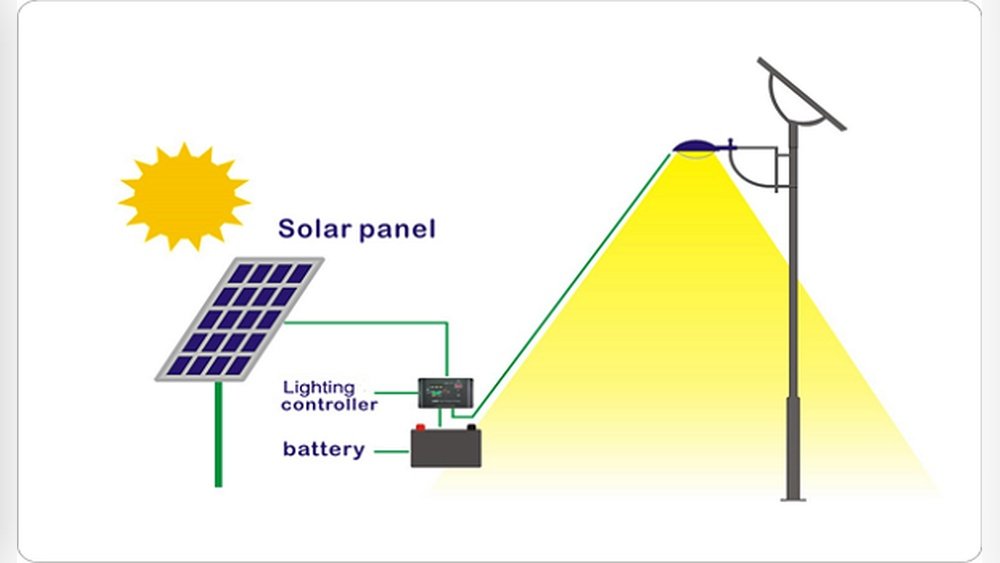
Credit: adnsolarstreetlight.com
When To Replace Rather Than Clean
Cleaning helps most solar lights, but sometimes cleaning isn’t enough. You might need to replace the panel or the whole light if:
- The panel is cracked or badly scratched
- The light doesn’t charge, even after cleaning and replacing the battery
- The plastic looks yellowed or cloudy and won’t clear up with polish
Solar lights are affordable, and sometimes a new one saves you time and hassle.
Solar Panel Cleaning And Seasonal Changes
You may notice your lights fading more quickly in certain seasons. Here’s why:
- Spring/Summer: More pollen, bird activity, and insects can dirty panels fast.
- Fall: Falling leaves and rain splashes can coat panels.
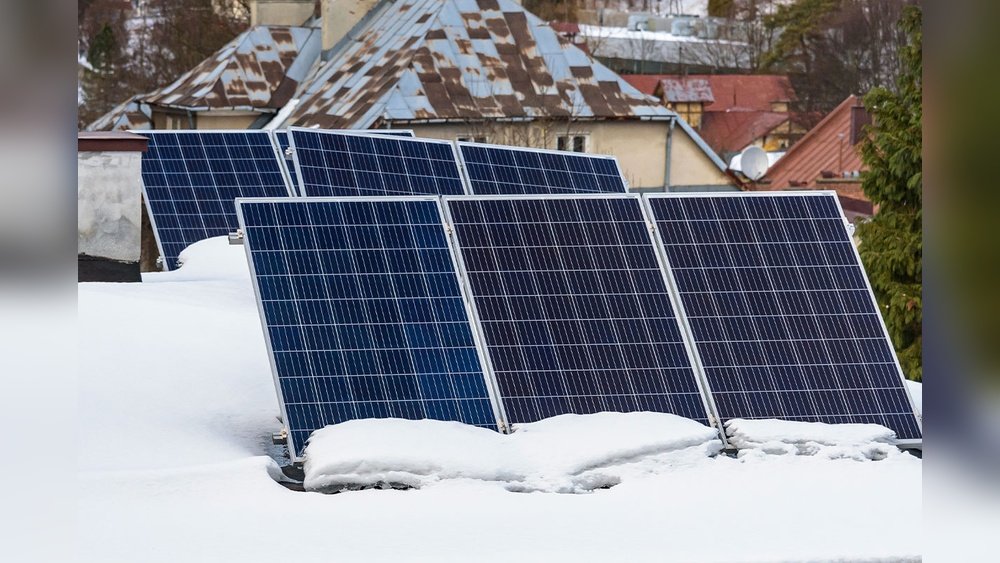
- Winter: Snow, frost, and road salt can block sunlight and cause buildup.
A simple cleaning at the start of each season can prevent surprises.
Weather And Location: How They Affect Cleaning Needs
Where you live matters. For example, if you’re in a coastal area, salty air can leave a film on panels. In a dry climate, dust can build up quickly. Here’s a comparison of cleaning needs by location:
| Location Type | Common Debris | Cleaning Frequency |
|---|---|---|
| Urban (city) | Dust, pollution | Every 1-2 months |
| Coastal | Salt, sand | Monthly or after storms |
| Forest/trees | Pollen, leaves, sap | Monthly, sometimes more |
| Desert/rural | Dust, insects | Every few weeks |
How To Tell If Cleaning Made A Difference
After cleaning, check your lights that night. Are they brighter? Do they stay on longer? Most people see a clear difference within a day or two. If not, check the battery or move the light to a sunnier spot.
Extra Tips For Longer-lasting Outdoor Solar Lights
- Place lights away from heavy tree cover or gutters
- Trim plants or branches that may shade the panels
- Store lights indoors during extreme weather (like snowstorms)
- Replace rechargeable batteries every 1-2 years for best results
Cleaning is just one part of good solar light care.
Mini Case Example: Cleaning Makes A Difference
Sarah, a homeowner, noticed her pathway lights were dim even in summer. She used a soft cloth with mild soap and water to clean each panel. That night, her lights stayed on two hours longer than before. Regular cleaning saved her from buying new lights and made her garden safer at night.
What About Hard Water Spots?
If you live in an area with hard water, you might see white spots after rinsing. These are mineral deposits. They can block sunlight too. To fix this:
- Wipe the panel with a cloth dampened in a 50/50 mix of white vinegar and water
- Rinse with clean water
- Dry with a towel right away
This removes most mineral spots without harming the panel.
Solar Panel Cleaning Myths
1. “rain Cleans My Panels For Me.”
Rain helps, but it often leaves behind dust and spots. Manual cleaning is still needed.
2. “you Need Special Cleaners.”
Most outdoor solar panels just need mild soap and water.
3. “cleaning Isn’t Worth The Effort.”
Even a light wipe every month or two can double your light’s brightness and runtime.
Solar Panel Materials: Why Care Is Important
Most solar panels on garden lights are made of plastic, not glass. Plastic scratches more easily and can turn yellow over time. That’s why gentle cleaning is key. Some high-end models use glass, which is tougher but still benefits from soft cleaning.
Quick Data: How Much Can Dirt Reduce Solar Power?
According to the International Energy Agency, dirty solar panels can lose 15–25% of their energy collection ability. For small outdoor lights, this means your path may be dark much sooner than you expect. Clean panels are a simple way to get more light every night.
For deeper solar science, you can check the NREL’s solar panel cleaning guidance.
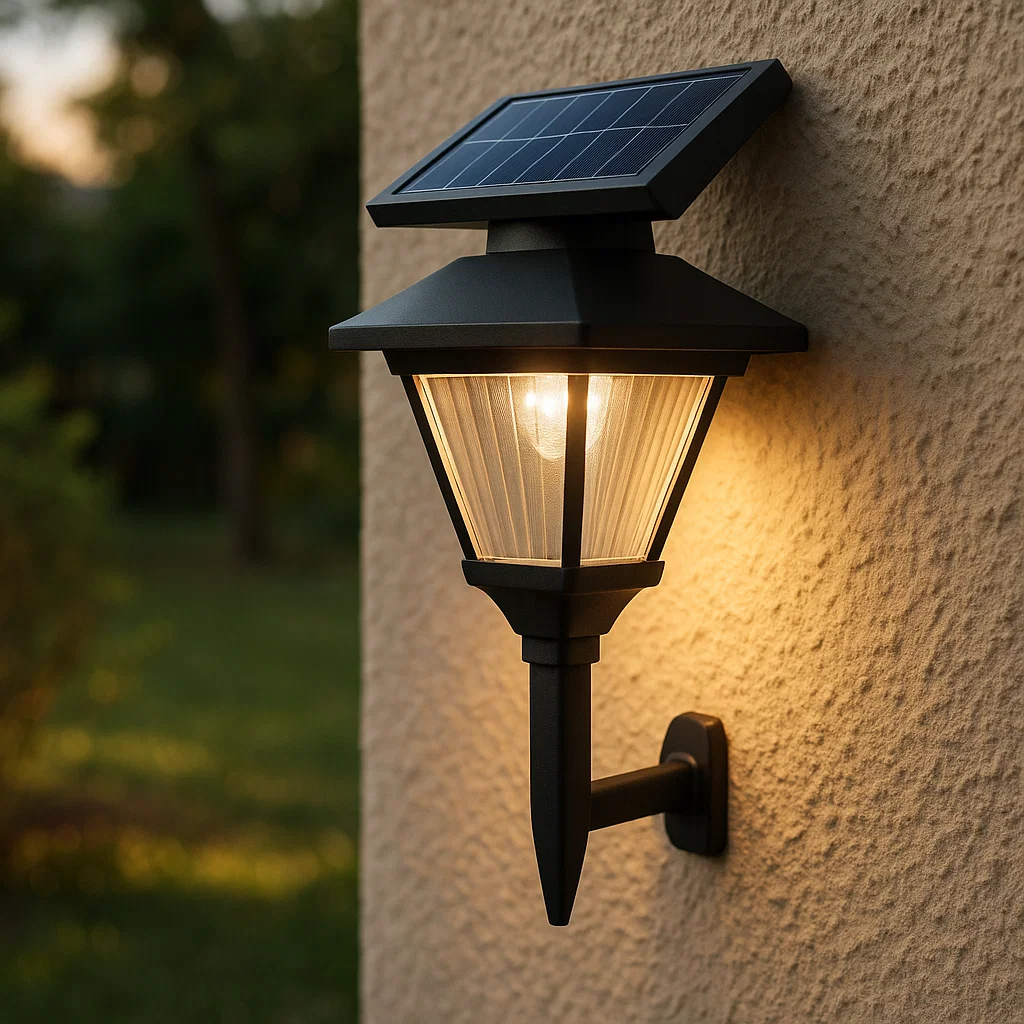
Credit: www.aosom.com
Frequently Asked Questions
How Often Should I Clean My Outdoor Solar Light Panels?
Most people should clean them every 1-2 months. In dusty, salty, or tree-filled areas, check monthly or after big storms.
Can I Use Windex Or Glass Cleaner?
You can use an ammonia-free glass cleaner if mild soap isn’t enough. Always test on a small spot first, as some panels are plastic and may react.
Is It Okay To Use A Hose Or Pressure Washer?
No. High-pressure water can force moisture inside the light, damaging electronics. Always use a damp cloth instead.
What If My Solar Panel Looks Yellow Or Cloudy?
This usually means the plastic has aged. Try a plastic polish or car headlight restorer. If that doesn’t work, consider replacing the panel or light.
Do I Need To Remove The Light From The Ground To Clean The Panel?
It’s best if you can, but not required. Removing the light makes cleaning easier and safer, but you can wipe panels in place if you’re careful not to get water inside.
Keeping your outdoor solar lights bright is easier than you think. A few minutes every month can make a big difference. With these tips, you’ll enjoy a well-lit garden and save money on replacements. Clean panels, bright nights—simple as that!