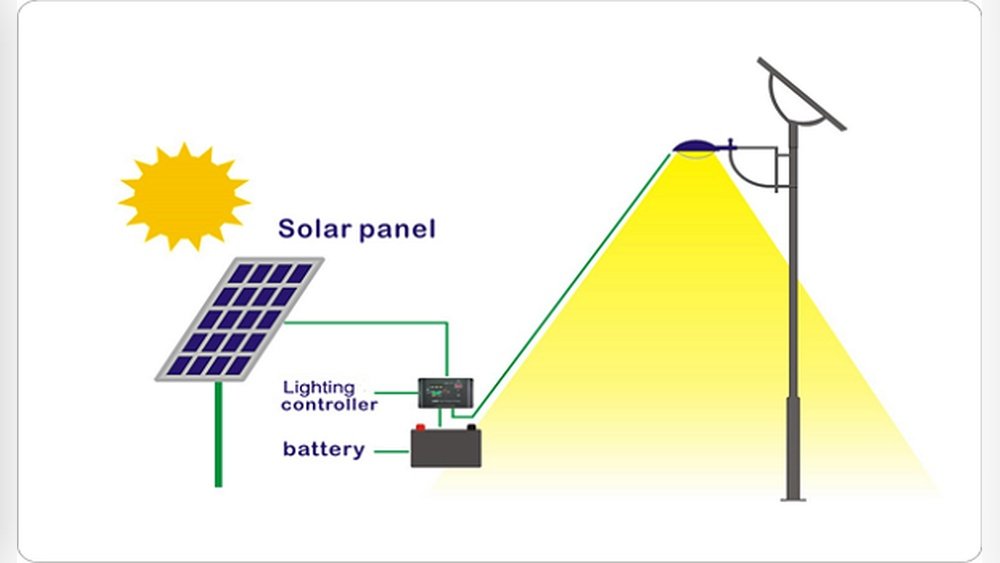

Ever stared at your solar panel setup, wondering why your battery still isn’t full after a day in the sun? Maybe you’ve just bought a 100Ah battery and a 200W solar panel, and now you’re asking: “How long will it take to charge this thing?” You’re not alone. Lots of people get confused by the math, the terms like “amp-hours,” and what actually happens when the clouds roll in. The truth is, charging a battery with solar isn’t as simple as plugging it in and waiting. Weather, panel angle, and even the type of battery all change the answer.
Let’s clear up the confusion. I’ll show you exactly how long it takes to charge a 100Ah battery with a 200W solar panel, what can speed things up (or slow them down), and the little mistakes that can leave you frustrated.
No jargon, just easy explanations and useful tips. But first, let’s get you the answer you came for.
Short Answer: Charging Time For 100ah Battery With 200w Solar Panel
On average, a 200W solar panel can charge a 100Ah 12V battery from empty to full in about 6–8 hours of direct sunlight.
But, this is the best-case scenario, with perfect weather and an efficient setup. In real-world conditions, it usually takes 8–12 hours (sometimes more) to fully charge, especially if you use some power while charging or if sunlight is less than perfect.
Now, let’s dig deeper so you can understand what affects that time, how to get the most from your setup, and what beginner mistakes to avoid.
Breaking Down The Basics: Battery And Solar Panel Math
Before jumping into the detailed answer, let’s make sure you understand what “100Ah” and “200W” really mean. This will help you avoid common misunderstandings.
Amp-hours (Ah) tell you how much energy a battery can store. A 100Ah battery at 12 volts can, in theory, deliver 1 amp for 100 hours, or 10 amps for 10 hours.
Watts (W) are a measure of power — how fast energy is produced or used. Your 200W panel, in perfect sunlight, can deliver up to 200 watts per hour.
So, if you want to know how long it takes to charge a battery, you need to know:
- How much energy your battery holds (in watt-hours)
- How much energy your solar panel can provide (per hour)
- Real-world factors that slow down charging
Let’s walk through each one.
Calculating Battery Capacity In Watt-hours
Solar panels are rated in watts, but batteries are usually rated in amp-hours. To compare them, you need to convert amp-hours to watt-hours.
The formula is simple:
Watt-hours (Wh) = Amp-hours (Ah) x Voltage (V)
So, for your battery:
100ah X 12v = 1200wh
This means your battery stores about 1200 watt-hours of energy when fully charged.
How Much Power Does A 200w Solar Panel Provide?
A 200W solar panel produces up to 200 watts per hour in strong, direct sunlight. But real-life conditions are rarely perfect. Clouds, panel angle, temperature, and dirt can reduce output.
On average, you can expect about 70–80% of the rated power over a full day, unless you live somewhere with intense, all-day sun.
If you get 5 hours of good sunlight per day, your panel might provide:
200W x 5 hours x 0.75 (efficiency) = 750Wh per day
If you get more sun, or your setup is more efficient, you might get closer to 1000Wh per day.
The Reality: Solar Charging Is Rarely 100% Efficient
You don’t get every watt from your panel into your battery. Some energy is lost as heat, in wires, and especially inside your charge controller (the device that manages charging).
Most systems are about 70–85% efficient. So if your panel can make 1000Wh in a day, only about 700–850Wh will actually charge your battery.
Step-by-step: How Long Will It Take?
Let’s put the math together with some common scenarios.
Example 1: Perfect Conditions
- 200W panel in direct, midday sun
- 6 hours of strong sunlight per day
- 85% system efficiency
Energy produced:
200w X 6 Hours = 1200wh
Actual energy into battery:
1200wh X 0.85 = 1020wh
Charging a 100Ah (1200Wh) battery from empty would take:
1200wh / 1020wh ≈ 1.2 Days
So, in about 1–1.5 days of good sun, your battery is full.
Example 2: Real-world, Less-than-perfect
- 5 hours of sun per day
- 75% efficiency
200w X 5 = 1000wh
1000wh X 0.75 = 750wh
1200wh / 750wh = 1.6 Days
So, 1.5–2 days for a full charge if the battery was empty.
Example 3: Fastest Possible (rare)
- Near equator, 7 hours of sun, 90% efficiency
200w X 7 = 1400wh
1400wh X 0.9 = 1260wh
1200wh / 1260wh ≈ 0.95 Days
A bit less than a day — but this is very rare.
What Changes Charging Time? 7 Key Factors
It’s tempting to think charging is just about panel size and battery size. In reality, many things can speed up or slow down the process.
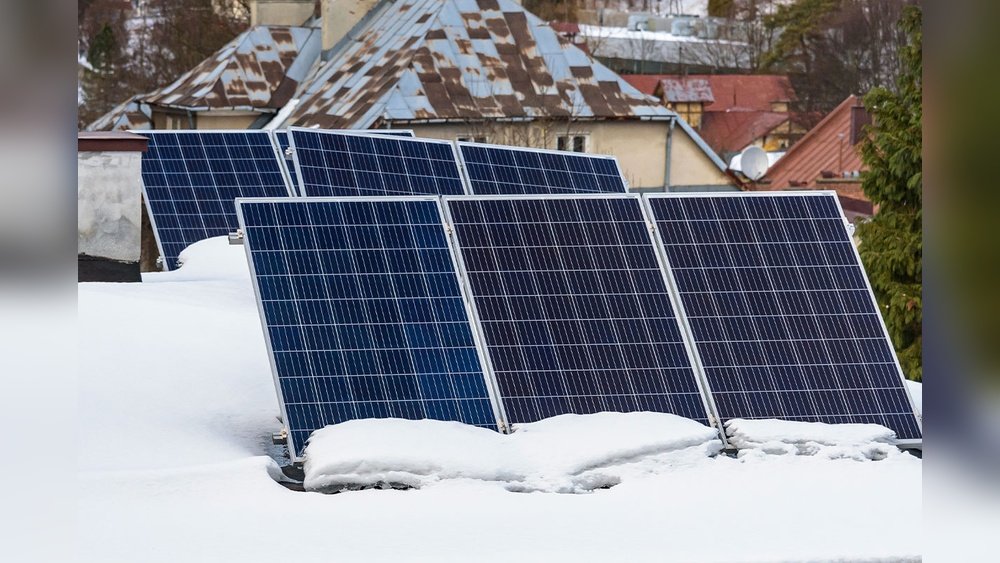
- Sunlight Strength: Cloudy or shady days reduce panel output, sometimes by 50% or more.
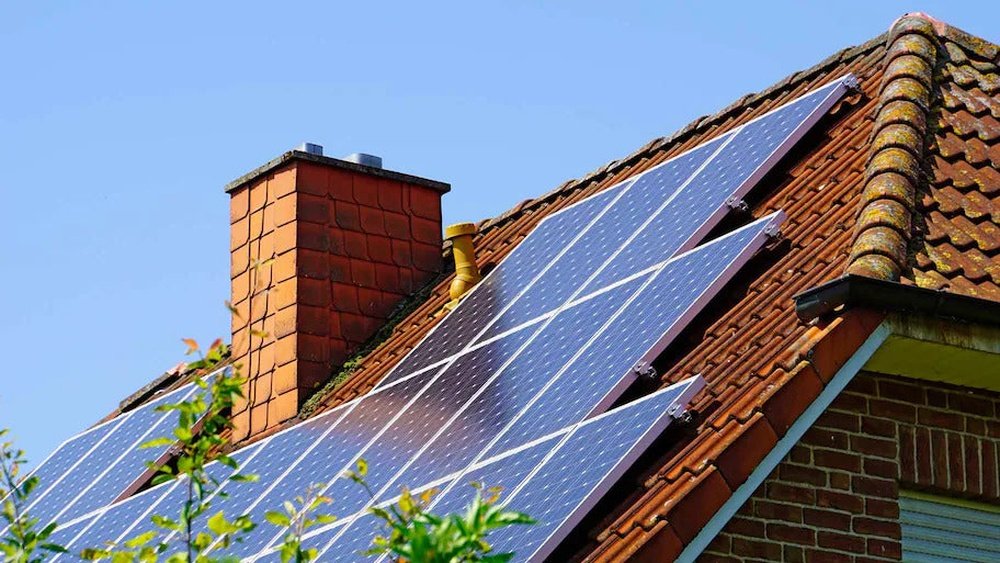
- Panel Angle: Panels pointed directly at the sun produce more power. Even a 10-degree tilt off can cut output.
- Temperature: Very hot panels are actually less efficient.
- Charge Controller Type: MPPT (Maximum Power Point Tracking) controllers are more efficient than PWM (Pulse Width Modulation).
- Battery Chemistry: AGM, Gel, and Lithium batteries accept charge at different rates.
- State of Charge: Batteries charge faster when empty, and slow down near full.
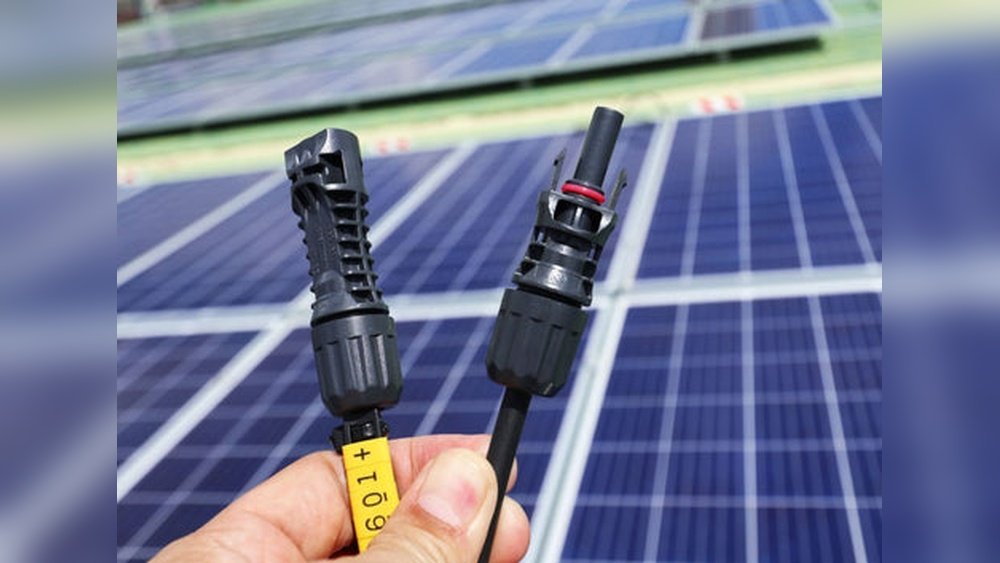
- Wiring and Connections: Thin or long wires waste power as heat.
Non-obvious Insight 1: Partial Shade Hurts More Than You Think
Even if just a small part of your solar panel is shaded (like by a tree branch), output can drop by 30–50%. It’s not just “a little less” — it can be a lot less.
Non-obvious Insight 2: Batteries Don’t Charge At A Constant Rate
When you charge a battery, the first 80% fills up quickly. The last 20% takes much longer. This is why “almost full” batteries can take hours to top off.

Credit: mwel.ie
Real-world Examples: How Long It Might Take In Different Locations
Where you live changes everything. Here’s a quick look at charging times in different US cities. These estimates are for a 100Ah battery, 200W panel, and typical efficiency.
| City | Average Sun Hours/Day | Estimated Charging Time (Hours) |
|---|---|---|
| Phoenix, AZ | 6.5 | 8–10 |
| Miami, FL | 5.5 | 10–12 |
| Seattle, WA | 3.8 | 16–20 |
| Denver, CO | 5.7 | 9–11 |
| New York, NY | 4.2 | 14–17 |
If you’re in a cloudy place, expect to wait longer, especially in winter.
How To Get The Most From Your 200w Solar Panel
Want to speed up charging or get more power from your setup? Here are some practical tips:
- Use an MPPT charge controller. It can boost efficiency by 10–20% over a PWM controller.
- Clean your panels every few weeks. Dust can cut output by 10% or more.
- Adjust the panel angle throughout the year. Aim for perpendicular to the sun’s rays.
- Keep batteries cool but not freezing. Extreme heat or cold reduces charging efficiency.
- Check your wiring. Use thick wires and short runs to reduce power loss.
- Don’t let batteries drop below 50% if you want them to last longer (for lead-acid types).
Example: Mppt Vs Pwm Controller
Let’s see how a better charge controller changes charging time:
| Controller Type | System Efficiency (%) | Time to Charge 100Ah Battery (Hours) |
|---|---|---|
| PWM | 75% | 10–12 |
| MPPT | 85% | 8–10 |
Switching to MPPT can save a few hours for every full charge.
How To Calculate Charging Time For Any Battery And Panel
Once you understand the basic formula, you can estimate charging time for any size battery or panel.
- Convert battery capacity to watt-hours (Ah x V)
- Estimate panel output per day (W x sunlight hours x efficiency)
- Charging time = Battery Wh / (Panel Wh per day)
Let’s try it with a 150Ah battery and 300W panel:
- Battery: 150Ah x 12V = 1800Wh
- Panel: 300W x 5 hours x 0.8 (efficiency) = 1200Wh/day
- Charging time: 1800Wh / 1200Wh = 1.5 days
You can use this process for any setup, as long as you know the real sunlight hours and panel size.
Sample Calculation Table
Here’s a quick reference for different panel and battery sizes:
| Battery Size (Ah) | Panel Size (W) | Sunlight Hours | Efficiency (%) | Estimated Charging Time (Hours) |
|---|---|---|---|---|
| 100 | 200 | 5 | 80 | 10–12 |
| 150 | 300 | 5 | 80 | 12–14 |
| 200 | 400 | 6 | 85 | 11–13 |
| 50 | 100 | 5 | 75 | 6–7 |
This makes it easy to estimate at a glance.
Common Beginner Mistakes That Slow Down Charging
Even with a good setup, it’s easy to make small mistakes that cost you hours or even days of charging time.
- Ignoring cable thickness: Thin wires get hot and waste energy.
- Mounting panels flat: They work best when tilted toward the sun.
- Letting batteries freeze or overheat: Reduces how much charge they can hold.
- Forgetting to clean panels: Dust and bird droppings block sunlight.
- Using the wrong charge controller: PWM controllers waste more energy, especially with larger panels.
Non-obvious Insight 3: Mixing Old And New Batteries
If you connect an old, partly worn-out battery with a new one, charging takes longer and you’ll lose capacity. Always use batteries of the same age and type in one system.
Should You Oversize Your Solar Panel?
Many people wonder: “If I get a bigger panel, will my battery charge faster?” The answer is usually yes, up to a point. But after your panel matches your battery’s maximum safe charging current, more panel power won’t help. For most 100Ah lead-acid batteries, you shouldn’t charge faster than about 20 amps (which is around 240W at 12V).
If you go much higher, you risk overheating or damaging the battery. Always check your battery’s specs for the recommended charging rate.
What Happens If You Use Power While Charging?
If you run appliances while charging (like a fridge or lights), some of the solar power goes straight to those, not the battery. This slows down charging.
For example:
If your appliances use 50W, and your panel makes 200W, only 150W goes to the battery. Charging will take longer.
Do You Need A Bigger Battery Or More Panels?
If you often run out of power, you might need to expand your system. Here’s a quick guide:
- Add more battery if you want to store energy for cloudy days or longer nights.
- Add more panel if you want to charge faster or have more power for daytime use.
Balance is key. Too much battery and too little panel means slow charging. Too much panel and too little battery means wasted potential on sunny days.
Battery Chemistry: Does It Make A Difference?
Yes, the type of battery changes charging times and efficiency.
- Lead-acid (AGM, Gel): Slower to charge, especially last 20%. Shouldn’t be discharged below 50% for long life.
- Lithium (LiFePO4): Faster charging, can be drained deeper, last longer but cost more.
If you upgrade to lithium, you might cut charging time by 20–30% — and the battery will last through more cycles.
Real-world Advice: What Experienced Users Do
People who live off-grid or use solar for RVs learn a few lessons the hard way:
- Always have a little more panel than you think you need.
- Monitor your battery’s voltage to know when it’s actually full.
- Don’t expect full panel output all year — winter is always weaker.
- Keep a backup charging method for cloudy weeks.
If you’re new, start with your 200W panel and 100Ah battery, but plan to adjust as you gain experience.
Further Reading And Resources
Want to get deeper into solar charging? The US Department of Energy has a helpful beginner’s guide:
Homeowner’s Guide to Going Solar.
Credit: allsolarguide.com
Frequently Asked Questions
How Long Does It Take To Charge A 100ah Battery With A 200w Solar Panel On A Cloudy Day?
Cloudy days can cut your panel output by half or more. It might take 2–3 times longer to fully charge your 100Ah battery. So instead of 8–10 hours, expect 16–24 hours of charging, spread over a few days.
Can I Use My Battery While It’s Charging From Solar Panels?
Yes, but charging will be slower. Any power you use comes straight from what the solar panel makes, so the rest goes into the battery. If you use a lot of power during the day, charging may take much longer.
What Size Charge Controller Do I Need For A 200w Solar Panel?
For a 200W panel at 12V, you’ll need a charge controller rated for at least 20 amps. An MPPT controller is more efficient, but a PWM controller will work if you’re on a budget.

Credit: www.youtube.com
How Do I Know When My Battery Is Fully Charged?
Most modern charge controllers have an indicator or display. You can also check battery voltage:
- For lead-acid: Full is around 12.6–12.8V (resting)
- For lithium: Full is usually 13.6–14.4V, depending on type
Always follow your battery manual for exact numbers.
Is It Better To Add More Panels Or A Bigger Battery?
Add more panel if you want to charge faster or use more power during the day. Add more battery if you want to store more energy for nights or cloudy days. For most setups, having slightly more panel than battery gives the best results.
Feeling confident about charging your 100Ah battery with a 200W solar panel? With the right info and a few tweaks, you can keep your system running smoothly — and skip the guesswork for good.