
You’ve probably looked at your roof or office window and wondered: Can solar panels work through glass? Maybe you want to place panels inside your house, or you’re curious if they’ll still produce energy behind a skylight. This question pops up for many people, especially when space or sunlight is limited. The idea sounds simple, but the answer is not always clear. Many beginners imagine that sunlight travels right through glass without much change. The reality is more complicated—and sometimes surprising.
Let’s clear up the confusion and give you practical answers. Whether you’re planning a small DIY project or thinking about solar for your business, you’ll find the facts and examples you need here.
Short Answer
Solar panels do work through glass, but with much lower efficiency. In most cases, the energy output drops by 30–70% compared to panels in direct sunlight. Some types of glass block more light than others, and even the cleanest window reduces the power. If you want maximum energy, always place solar panels outside, facing the sun.
How Solar Panels Work
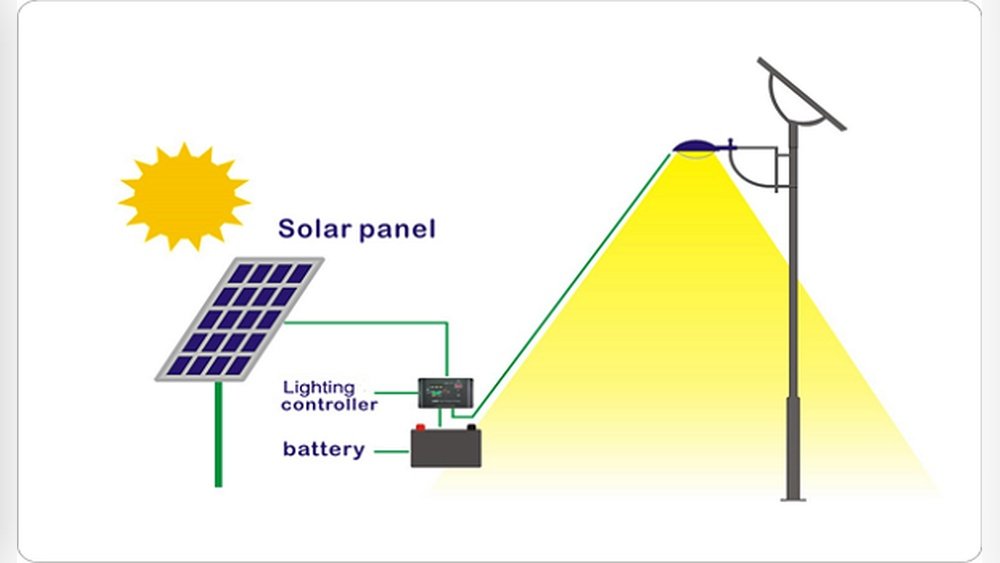
Solar panels use photovoltaic cells to turn sunlight into electricity. Each cell needs direct sunlight to work best. When sunlight hits the cell, it releases electrons and creates a flow of electricity.
Here’s the basic process:
- Sunlight hits the solar cell.
- The cell converts light into electrical energy.
- The energy flows to your home or device.
When anything blocks the sunlight—even clear glass—the process becomes less efficient.
What Happens When Glass Covers Solar Panels
Glass seems transparent, but it changes sunlight in several ways. It can:
- Reflect some light away.
- Absorb a small part of the sunlight.
- Scatter the light, making it weaker.
These effects mean less energy reaches the solar cells. Even high-quality glass reduces performance.
Example: Window Glass
Imagine putting a solar panel behind a normal house window. You’ll notice:
- The panel still works, but gives less power.
- Energy output drops by 35–60% for most panels.
- If the glass is dirty, tinted, or double-glazed, the drop is even bigger.
Types Of Glass And Their Effects
Not all glass is the same. The type you use affects how much energy your panel can create.
| Glass Type | Light Transmission (%) | Estimated Power Loss (%) |
|---|---|---|
| Clear Single Pane | 85–90 | 30–35 |
| Double Glazed | 75–80 | 40–50 |
| Tinted Glass | 60–75 | 50–60 |
| Low-E Glass | 50–65 | 60–70 |
Clear glass lets more light through, but still cuts power. Tinted and Low-E glass are worse, blocking more sunlight.
Real-life Examples
Let’s see some situations where people tried solar panels behind glass.
- Indoor Panel Charging Phones: Many users put small solar panels behind windows to charge devices. They often see charging times double or triple compared to outdoor use.
- Car Dashboard Solar: Solar panels behind a car windshield help charge batteries, but they work slowly. The windshield blocks part of the sunlight and adds glare.
- Greenhouse Solar Panels: In greenhouses, panels under glass roof work, but with less output. Some greenhouse owners place panels outside instead.
Comparing Indoor Vs Outdoor Solar Panel Performance
A quick comparison shows the difference between placing panels inside, behind glass, versus outside in full sun.
| Location | Average Output (W) | Efficiency (%) |
|---|---|---|
| Outside, Direct Sun | 100 | 100 |
| Behind Clear Window | 65 | 65 |
| Behind Tinted Window | 45 | 45 |
| Behind Double Glazing | 55 | 55 |
As you can see, power drops sharply behind glass. This matters if you need reliable energy.
Why Efficiency Drops
The main reasons are:
- Reflection: Glass reflects some sunlight, so less reaches the panel.
- Absorption: Glass absorbs some light, especially in certain wavelengths.
- Scattering: Light scatters inside glass, making it weaker.
Even clean glass causes these losses. Dirt and dust make it worse.
Non-obvious Insight
Most people forget that glass blocks UV light, which is important for some panels. So, even if a panel works well outside, it may lose extra power indoors.
Types Of Solar Panels And Glass Performance
Some panels handle glass better than others. Let’s compare the main types.
| Panel Type | Glass Performance | Notes |
|---|---|---|
| Monocrystalline | Moderate | Best outdoors, but decent behind clear glass. |
| Polycrystalline | Poor | Lower efficiency, loses more power behind glass. |
| Thin-Film | Good | Handles scattered light better, works okay behind glass. |
| Amorphous Silicon | Good | Best for low-light and indoor use. |
If you must use solar panels indoors, try thin-film or amorphous types. They work better with scattered light.
Credit: blog.powerfilmsolar.com
Can You Use Solar Panels Behind Glass For Home Power?
Many people want to use solar panels indoors to avoid weather damage or for convenience. But the reality is:
- Most home solar systems need high output.
- Panels behind glass will rarely meet your power needs.
- Outdoor installation is always better.
If you live in a place with harsh weather, choose panels with strong frames and coatings. Don’t sacrifice energy by placing them behind glass.
Special Solar Glass Technology
Some new products use solar glass—glass with built-in solar cells. This is different from putting normal panels behind glass.
Solar glass windows can:
- Generate power while staying transparent.
- Work as windows and energy sources.
But these are less efficient than standard panels. They’re good for small loads or decorative purposes, not for full home power.
Common Mistakes People Make
- Thinking all glass is the same: Different glass types affect performance.
- Not cleaning windows: Dirt lowers light even more.
- Using wrong panel types: Some panels lose more power behind glass.
- Ignoring tilt and angle: Panels need to face the sun, even indoors.
Tips To Get The Best Performance
If you must use solar panels behind glass, follow these steps:
- Use clear, single-pane glass.
- Clean the glass often.
- Place panels as close to glass as possible.
- Use thin-film or amorphous panels.
- Tilt panels toward the sun.
These tips help you get the most power, but you’ll still lose some efficiency.
Credit: igrowattinverter.com
When Does Using Solar Panels Behind Glass Make Sense?
There are a few situations where it’s practical:
- Charging small devices: Like calculators, phones, or small lights.
- Indoor experiments: For learning or testing solar technology.
- Temporary setups: If you can’t install panels outside.
But for home energy, outdoor placement is always better.
Does Glass Protect Solar Panels?
Some people believe glass protects panels from weather. While glass can shield panels, it also lowers efficiency. Most outdoor panels have tough glass coverings already. They’re designed for rain, snow, and wind.
If you want long-lasting panels, buy ones with strong warranties and weatherproof designs. Putting them behind extra glass isn’t needed.

Credit: www.susenergy.co.uk
Solar Panel Safety And Glass
Safety matters too. If you put panels behind glass, always check:
- Ventilation: Panels can get hot. Poor airflow may damage them.
- Wiring: Keep wires safe and away from pets or children.
- Mounting: Make sure panels are secure and won’t fall.
Panels behind glass sometimes overheat, especially indoors.
How To Test Solar Panels Behind Glass
You can test panel performance yourself. Here’s a simple way:
- Place a panel outside in direct sun.
- Measure its output (voltage and current).
- Move it behind a window. Measure again.
- Compare the numbers.
You’ll see the drop in power. Try different glass types for better understanding.
Environmental Impact
Solar panels are eco-friendly, but using them behind glass is less efficient. You need more panels and more space to get the same energy. This means more materials and waste. Always try to use panels in direct sunlight for best results.
Frequently Asked Questions
Can Solar Panels Charge Through Car Windows?
Yes, but the output is much lower. Car windows block some light and add glare, so charging takes longer.
Do Solar Panels Work Behind Tinted Glass?
They work, but efficiency drops sharply. Tinted glass blocks more light, so panels produce less energy.
Is It Safe To Use Solar Panels Indoors?
It’s safe if you follow basic safety steps. Keep panels cool, secure, and check wiring often.
Can I Use Solar Panels To Power My Home From Inside?
No. Indoor panels won’t create enough power for home needs. Outdoor panels work best.
Are There Solar Panels Made For Indoor Use?
Yes. Some panels, like amorphous silicon or thin-film, are designed for low-light and indoor use. They still work better outside.
If you’ve wondered about using solar panels through glass, now you know the facts. While panels will still produce some energy, the loss is big. For serious power, always go for outdoor installation. Indoor setups work for small devices or experiments, but not for home energy. For more on solar panel technology, see Wikipedia. The best solar results always come from direct sunlight, clear skies, and well-placed panels.