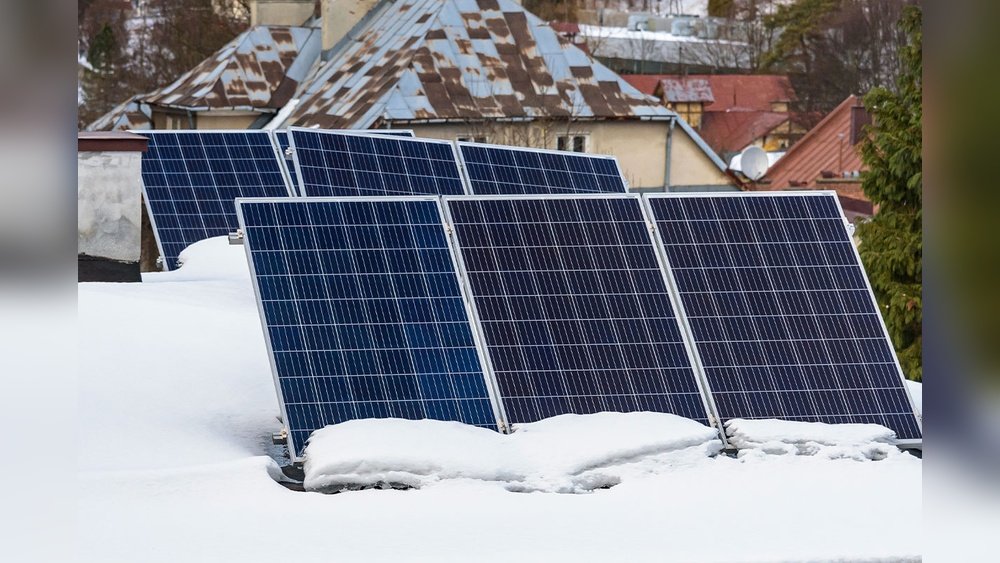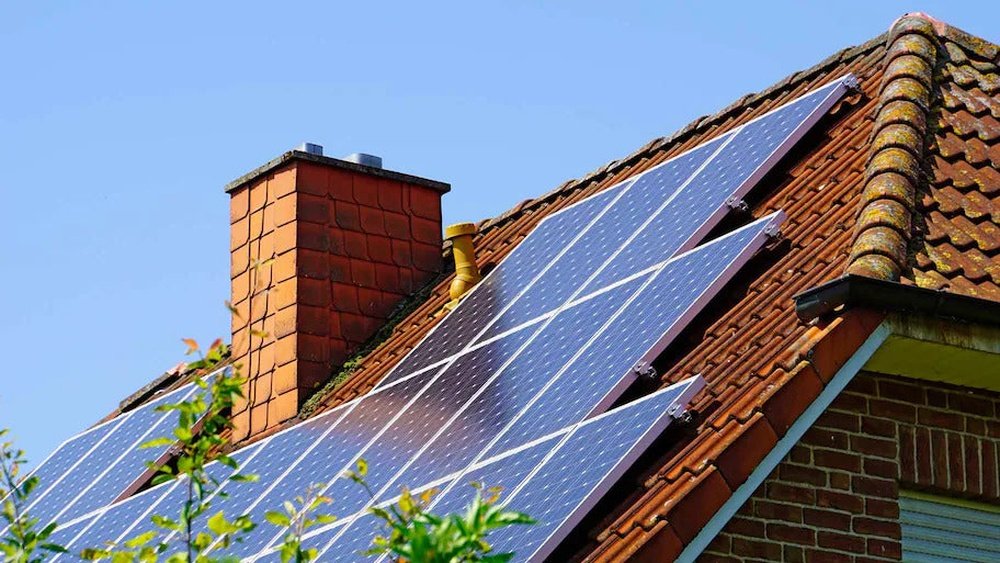

Many people install solar panels to save money and help the environment. But after a few months, you might notice dust, leaves, or bird droppings on your panels. You wonder: “Does this dirt actually make my solar panels weaker? Am I losing energy and money because I don’t clean them often?” It’s a common worry, especially if you live in a city, near trees, or in places with lots of wind and pollution.
Imagine walking outside and seeing your panels looking dull and dirty. Maybe your electric bill has gone up, or your solar app shows lower numbers. Is it just the weather, or is the dirt hurting your power? Many owners feel confused or guilty, unsure if cleaning is worth the effort or if it even matters at all.
If you’re curious, frustrated, or just want to get the most from your solar investment, this guide will help. We’ll look at real facts, simple advice, and step-by-step tips. You’ll finally know what to do about dirty panels—and how much it truly affects your energy.
Short Answer: Do Dirty Solar Panels Produce Less Energy?
Yes. Dirty solar panels produce less energy than clean ones. Dust, pollen, leaves, and bird droppings block sunlight. When sunlight cannot reach the panels, they make less electricity. Studies show dirty panels can lose between 5% and 25% efficiency, depending on how dirty they are and local conditions.
Even a thin layer of dirt can lower your solar output. The more dirt, the bigger the loss. For most homes, cleaning panels once or twice a year can prevent this problem.
Why Dirt Blocks Solar Power
Solar panels work by absorbing sunlight. When light hits the panel, it turns into electricity. Anything blocking the light—like dust or grime—makes the panel less effective.
Let’s see how this works:
- Light travels through the air and hits the panel.
- Dirt blocks some of the light.
- Less light means less energy is made.
Here’s a simple example. If you put your hand over part of a flashlight, the light gets dimmer. Solar panels are similar. Dirt acts like a barrier, reducing the sunlight that reaches the cells.
How Much Energy Can You Lose?
The amount of energy lost depends on several factors:
- Type of dirt: Thick bird droppings block more light than fine dust.
- Location: Panels near trees, highways, or factories get dirtier faster.
- Weather: Rain can wash panels, but dry climates see more buildup.
A research study from the National Renewable Energy Laboratory found:
- Average loss in the US: 5–10% for light dirt, up to 25% for heavy grime.
- In desert areas: Loss can reach 30% if panels are not cleaned for months.
Here’s a quick comparison:
| Condition | Energy Loss | Typical Cause |
|---|---|---|
| Light dust | 5–10% | Urban, pollen, traffic |
| Heavy dirt | 15–25% | Bird droppings, leaves |
| Extreme buildup | 25–35% | Dry, dusty climates |
Real-life Example: Homeowners In Different Environments
Let’s look at two neighbors:
- Sarah lives in a clean suburb. She gets light dust, mostly pollen.
- Mike lives beside a highway and under trees. He gets heavy dirt and bird droppings.
Sarah’s panels lose about 5% energy each year if she doesn’t clean them. Mike’s panels can lose 20% or more. For Mike, cleaning makes a big difference.
Why Some Panels Self-clean (but Not Always Enough)
Modern solar panels are slightly tilted. Rain usually washes away some dust. But this “self-cleaning” is not perfect.
- Rain removes light dust, not sticky dirt.
- Flat panels collect water spots and grime.
- Bird droppings and leaves stay stuck.
After heavy rain, you may still see stains or sticky marks. These block sunlight much more than dust.
How Often Should You Clean Solar Panels?
Most experts suggest cleaning solar panels 1–2 times per year. If you live in a dusty area or near trees, you may need to clean more often.
Here’s a simple schedule:
- Dry, windy areas: Every 3–4 months
- Urban/suburban: Twice a year
- Near trees or birds: Check every 2–3 months
Check your panels after storms, pollen season, or if you notice a drop in power output.

Credit: www.youtube.com
Cleaning Methods: What Works And What To Avoid
Solar panels are strong but can be damaged by harsh cleaning.
Safe ways to clean:
- Soft brush or sponge
- Hose with gentle water spray
- Mild soap (if needed)
Avoid:
- Pressure washers (can crack panels)
- Abrasive pads (scratch glass)
- Strong chemicals (damage surface)
Here’s a quick comparison:
| Method | Effectiveness | Risk |
|---|---|---|
| Soft brush + water | High | Low |
| Pressure washer | Medium | High |
| Soap + sponge | Good | Low |
| Strong chemicals | Varies | High |
Cost Of Not Cleaning: Real Numbers
Let’s say your panels make 5,000 kWh a year. If dirt causes a 10% loss, you miss out on 500 kWh. That’s about $60–$100 per year, depending on your local rates.
For larger losses (20%), you could lose 1,000 kWh—worth $120–$200 per year. Over 10 years, that adds up to a big amount.
Is Professional Cleaning Worth It?
Some companies offer solar panel cleaning. Prices range from $100–$300 per visit.
Worth it if:
- You have a large rooftop system
- Panels are hard to reach
- Dirt is heavy or sticky
For small systems, or easy access, DIY cleaning is usually enough. Always check your warranty. Some warranties require professional cleaning.
Common Mistakes When Cleaning Panels
Many beginners make mistakes that hurt their panels or lower efficiency.
Watch out for these errors:
- Cleaning in strong sunlight: Water dries fast and leaves spots.
- Using rough tools: Scratches block sunlight.
- Neglecting edges: Dirt builds up at the sides.
- Skipping safety: Roof work is dangerous—use a harness or ladder.
- Ignoring warning signs: If your power drops suddenly, check for dirt first.
Non-obvious Tips For Maximizing Solar Output
Most guides tell you to clean panels, but here are some lesser-known tricks:
- Check panel tilt: Panels angled at 10–20 degrees clean better with rain.
- Trim branches nearby: Less shade and fewer leaves.
- Install bird deterrents: Reduce droppings and nesting.
- Monitor with apps: Many solar apps show output drops—set alerts for sudden changes.
Small changes can prevent dirt buildup and boost your energy.
How Dirt Compares To Other Losses
Dirt is a big factor, but not the only one. Shade, poor wiring, or old panels also reduce output.
Here’s a quick data table:
| Issue | Typical Energy Loss | How Often? |
|---|---|---|
| Dirt buildup | 5–25% | Yearly |
| Shade | 10–40% | Daily/seasonal |
| Aging panels | 1–2% per year | Yearly |
| Wiring faults | Up to 15% | Rare |
Cleaning is one of the easiest ways to fix energy loss.
How To Check If Your Panels Need Cleaning
Don’t guess—use these signs:
- Visible dirt or stains
- Bird droppings or leaves
- Lower power output on sunny days
- Neighbor’s panels look cleaner and produce more
Some apps and smart inverters show daily output. If you see a steady drop, check for dirt.
Can “anti-dust” Panels Solve The Problem?
Newer panels claim to resist dust. They use special coatings or designs.
- Coatings help but don’t eliminate dirt.
- Sticky substances (like sap or droppings) still block sunlight.
- Even “anti-dust” panels need cleaning, just less often.
If you’re buying new panels, ask about their cleaning needs. But remember: no panel is truly maintenance-free.
Credit: www.youtube.com
The Science: How Dirt Changes Energy Production
Solar panels use photovoltaic cells. These cells need direct sunlight. Dirt scatters or blocks light, so less energy is made.
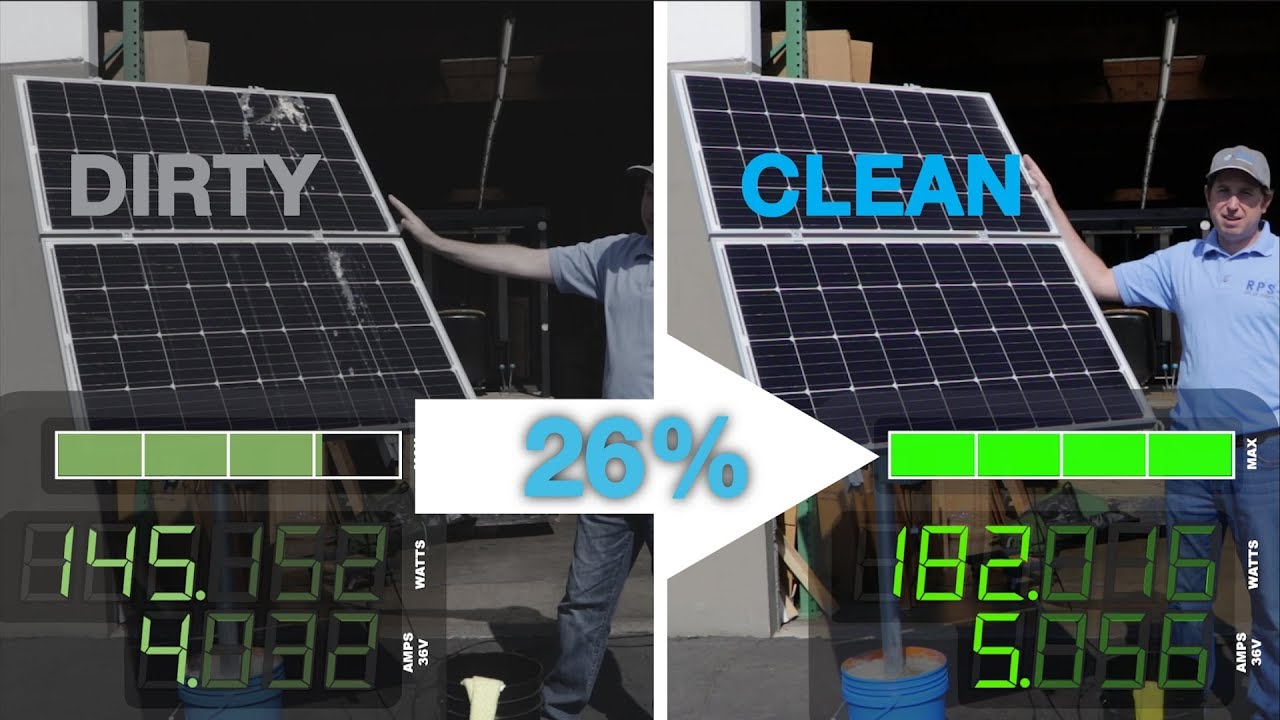
Researchers use “before and after” tests. They measure energy with dirty panels, then clean them and measure again. Results show a clear increase after cleaning.
For example, a test in California found a 15% rise in power after washing panels once a year.
Should You Clean Panels Yourself Or Hire Help?
If your panels are easy to reach, cleaning is simple. For steep roofs or tall buildings, hire a pro.
DIY cleaning steps:
- Check safety first.
- Use a soft brush and water.
- Clean early morning or evening (avoid strong sun).
- Rinse well, avoid soap buildup.
Professional cleaners use special tools and water. They finish quickly and spot problems you might miss.
Credit: simplejoys.info
How Weather And Environment Affect Dirt Buildup
Different climates have different challenges.
- Desert: Sand and dust build up fast.
- Urban: Pollution, soot, and pollen.
- Coastal: Salt spray and bird droppings.
Local weather can change how often you need to clean. Rain helps, but only for light dirt.
What If You Never Clean Your Panels?
If you never clean, your panels can lose up to 30% output over time. That’s like wasting a third of your solar investment.
Over years, dirt can harden and become harder to remove. Sticky stains may need special cleaners.
Ignoring cleaning also risks panel damage. Dirt traps moisture, which can cause corrosion.
How To Track The Value Of Cleaning
To see if cleaning helps, compare your panel output before and after cleaning. Use your inverter’s app or online dashboard.
- Record daily power for a week (before cleaning).
- Clean the panels.
- Record daily power for a week (after cleaning).
- See if your energy went up.
Many owners notice a jump in output right after cleaning.
Is There A “perfect” Cleaning Schedule?
No single schedule works for everyone. Adjust based on your climate, panel location, and output.
- If you see dirt, clean sooner.
- If output drops, check for dirt.
- If you live in a dusty area, clean more often.
Some people use the seasons—clean in spring and fall. Others check after pollen or leaf drops.
Key Takeaways For Solar Owners
- Dirty solar panels lose power.
- Most owners can prevent losses with simple cleaning.
- Check your panels regularly, especially after storms or pollen seasons.
- Use safe cleaning methods to avoid damage.
- Track your power output to spot dirt problems early.
If you want to learn more about solar panel maintenance, visit the US Department of Energy.
Frequently Asked Questions
How Much Energy Do Dirty Solar Panels Lose?
Dirty panels can lose 5–25% of their power, depending on the type and amount of dirt.
Can Rain Clean My Solar Panels?
Rain helps remove light dust. But sticky dirt, bird droppings, and leaves often stay after rain. Panels need manual cleaning for tough grime.
Is It Safe To Clean Solar Panels Myself?
Yes, if your panels are easy to reach and you use safe tools. Avoid climbing steep roofs without proper safety gear. Never use harsh chemicals or rough pads.
How Often Should I Clean My Solar Panels?
Most homes need cleaning once or twice a year. In dusty, polluted, or tree-filled areas, clean every 3–4 months.
Do Anti-dust Or Self-cleaning Panels Solve The Problem?
They reduce dirt buildup, but do not eliminate it. Even self-cleaning panels need some maintenance, especially for sticky stains or heavy dirt.
—
Keeping your panels clean is simple and pays off. With a little effort, you can avoid energy loss and make the most of your solar investment. Use these tips to boost your power and protect your panels for years to come.