
Thinking About Solar Panels On Your Mobile Home?
Imagine lowering your power bills and using clean energy, all from your mobile home. Sounds exciting, right? But if you’re wondering if solar panels are a good fit for mobile homes—or even possible—you’re not alone. Let’s dive in together and clear up the confusion, just like friends chatting over coffee.
The Short Answer
Yes, you can put solar panels on a mobile home, but it’s not as simple as sticking them on the roof and calling it a day. There are some important details to consider—like the strength of your roof, local regulations, and how much power you need. While many people do it successfully, not every mobile home is ready for solar right away. Let’s go deeper and look at what’s involved, so you can make a smart choice.
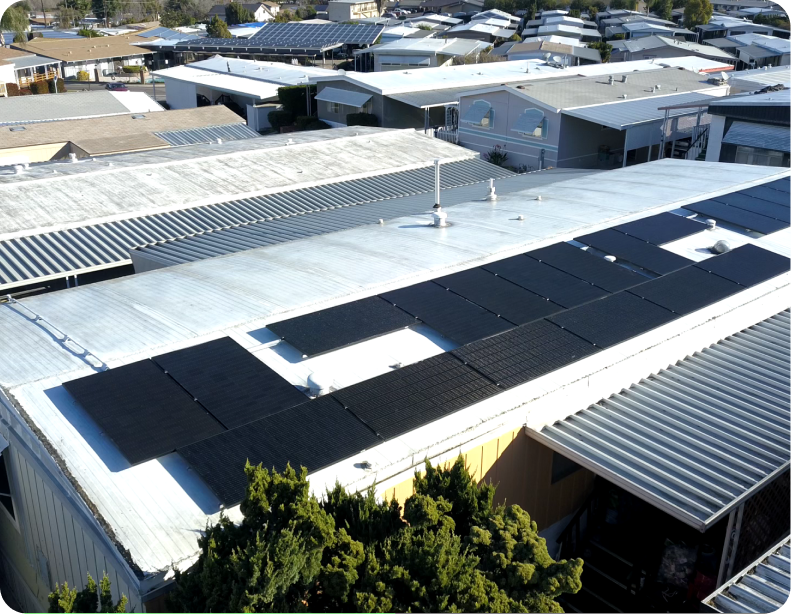
Credit: mobilehomeenergy.com
What Makes Mobile Homes Different?
Mobile homes aren’t built like regular houses. Their roofs are usually lighter and sometimes smaller. Many have flat or gently sloped roofs, which can affect how well solar panels work. Plus, the materials and structure of the roof are not always strong enough to hold the weight of panels and mounting hardware.
It’s important to remember that mobile homes are often moved, which can impact the solar system’s setup. If you plan to move your home, you’ll need a system that is easy to remove and reinstall.
Roof Materials And Load
Most mobile homes have roofs made of metal, asphalt shingles, or rubber. Metal roofs are common and can be good for mounting panels, but only if the structure can support the extra weight. Many roofs are designed to hold up against wind and rain, not heavy equipment. On average, a solar panel weighs about 40 pounds, and a typical system might need 10–20 panels. That’s 400–800 pounds, plus the mounting gear.
Space Limitations
Mobile homes are usually narrower and shorter than traditional houses. The available roof area may limit how many panels you can install. A standard solar panel is about 65 inches x 39 inches. If your roof is small, you may only fit a few panels, which means less power generation.
Steps To Install Solar Panels On A Mobile Home
If you’re ready to try solar power, here’s how the process usually goes. It’s not just a one-step job—you need to plan carefully.
- Check Roof Strength
- Ask a professional to inspect your roof. Can it hold the weight of solar panels? If not, you might need reinforcement, which can add costs.
- Measure Available Space
- Find out how many panels will fit. This helps you estimate how much energy you can get.
- Calculate Power Needs
- Look at your monthly electricity use. Make sure the panels can provide enough power for your appliances and lifestyle.
- Get Local Permits
- Some areas have rules about solar systems on mobile homes. You may need approval from your city or county.
- Choose Mounting Style
- Decide between roof-mounted or ground-mounted panels. If your roof isn’t strong, ground mounts are a good option.
- Hire a Qualified Installer
- Find someone experienced with mobile homes. They’ll know the best way to set up your system safely.
- Connect to the Grid (Optional)
- You can connect your system to the local power grid or go fully off-grid. Each option has pros and cons.
Roof-mounted Vs Ground-mounted Solar Panels
For many mobile homes, the roof isn’t ideal for solar panels. Ground-mounting is a popular solution, especially if you have space around your home.
| Mount Type | Pros | Cons |
|---|---|---|
| Roof-Mounted | Uses existing space, no land needed, cleaner look | May need roof reinforcement, limited by roof size, harder to clean/maintain |
| Ground-Mounted | Flexible size, easy to access, can use optimal angle | Needs extra land, more visible, may need fencing |
Ground-mounted systems can be set at the perfect angle for the sun, increasing efficiency. But if you don’t have yard space, roof mounting may be your only option.
Key Factors To Consider Before Installing
Before you jump in, think about these important points. They can help you avoid costly mistakes.
Structural Safety
If your roof isn’t strong enough, adding panels can lead to damage or leaks. Some mobile homes need extra support beams or a full roof replacement.
Local Codes And Rules
Many cities have regulations for mobile homes and solar panels. Some parks and communities have their own rules, too. Always check before buying anything.
Sun Exposure
Solar panels need sunlight. If your roof is shaded by trees or buildings, your system won’t produce much energy. Make sure your site gets at least 4–5 hours of direct sun each day.
Budget
Installing solar on a mobile home can cost $6,000–$20,000 for a full system, depending on size and type. Roof reinforcement and permits can add to the cost.
Panel Efficiency
With limited space, choose high-efficiency panels. They cost more but produce more energy per square foot. This is important if your roof area is small.
Maintenance
Solar panels need cleaning and checks. Ground-mounted panels are easier to maintain, but roof-mounted panels can be harder to reach.
Common Mistakes To Avoid
Lots of first-timers make simple mistakes. Here’s what to watch out for:
- Skipping the Roof Inspection
- Don’t assume your roof can handle the weight. Always get it checked.
- Ignoring Local Regulations
- Some areas don’t allow roof-mounted panels on mobile homes. Always ask.
- Underestimating Power Needs
- If you install too few panels, you won’t get enough energy.
- Choosing Low-Efficiency Panels
- Cheap panels might need more space than you have.
- Not Planning for Moves
- If you plan to move your home, choose panels and mounts that are easy to remove.
How Much Power Can You Expect?
A typical mobile home uses 500–800 kWh per month. If you install 10 panels with average efficiency, you might cover 50–70% of your needs, depending on sun exposure.
Here’s a quick look at how different system sizes compare:
| System Size (kW) | Panels Needed | Monthly Energy (kWh) | Approximate Coverage |
|---|---|---|---|
| 2 kW | 5–6 | 250–300 | ~40% |
| 4 kW | 10–12 | 500–600 | ~75% |
| 6 kW | 15–18 | 750–900 | 100%+ |
If your roof only fits 6 panels, you might need to supplement with grid power or add ground-mounted panels.
Costs, Incentives, And Payback Time
Solar isn’t cheap, but incentives can help. Here’s what you need to know about pricing and savings.
Upfront Costs
- Panels and equipment: $4,000–$10,000
- Installation: $2,000–$7,000
- Roof reinforcement: $1,000–$5,000 (if needed)
- Permits: $200–$1,000
Total costs range from $6,000–$20,000. High-efficiency panels cost more but can pay off faster.
Incentives
You might qualify for a federal tax credit of up to 30% of the system cost. Some states offer extra rebates or low-interest loans. Check your local utility for more options.
Payback Period
Most systems pay for themselves in 7–15 years, depending on your energy use and local rates. If you get incentives, your payback time can be much shorter.
Example Calculation
Let’s say your system costs $12,000 and you get a 30% tax credit ($3,600). Your net cost is $8,400. If you save $70 a month on power, your payback time is about 10 years.
Choosing The Right Solar Panels
Not all panels are equal. Here’s what matters most:
- Efficiency: Higher is better for small roofs. Look for panels above 18% efficiency.
- Durability: Choose panels rated for wind, hail, and snow.
- Warranty: Good panels come with 25-year warranties.
- Brand reputation: Stick with known brands like SunPower, LG, or Panasonic.
Comparing Panel Types
| Panel Type | Efficiency | Cost per Watt | Durability |
|---|---|---|---|
| Monocrystalline | 18–22% | $0.80–$1.20 | High |
| Polycrystalline | 15–18% | $0.60–$0.90 | Medium |
| Thin-Film | 10–13% | $0.50–$0.80 | Low |
Monocrystalline panels are best for mobile homes because they pack more power into less space.
Off-grid Vs Grid-tied Systems
You can choose to connect your solar system to the local power grid, or go off-grid with batteries. Each option has benefits.
Grid-tied
- Easier installation
- Lower cost
- Can sell extra power to the utility
- Backup from the grid
Off-grid
- No monthly bills
- Works in remote areas
- Needs batteries for storage
- Higher upfront cost
Most mobile home owners choose grid-tied systems unless they live far from utilities.
Practical Tips For Success
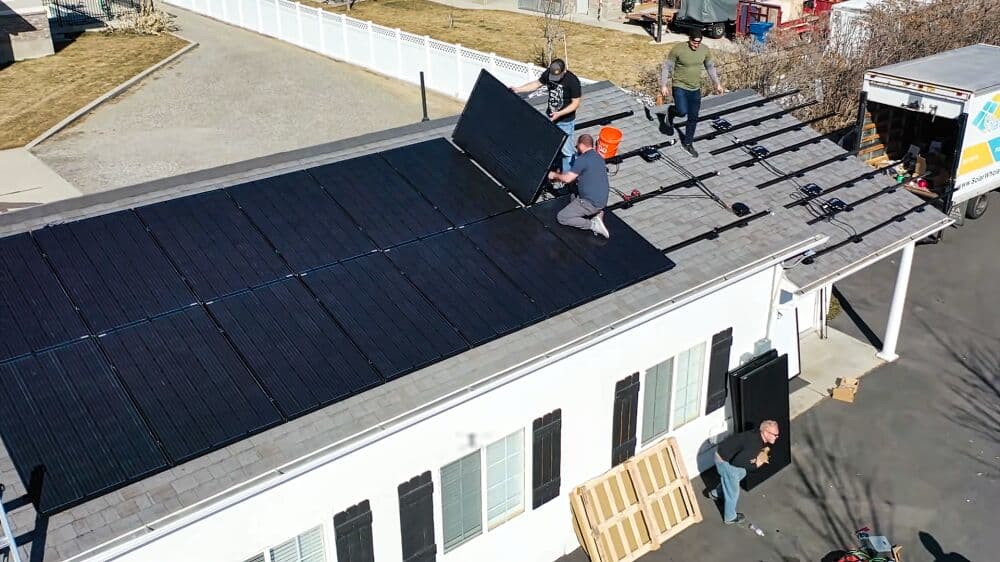
Solar panels on a mobile home can be a great investment, but only if you plan carefully. Here are some smart tips:
- Use high-efficiency panels to maximize limited roof space.
- Install monitoring equipment so you can track energy production.
- Clean panels regularly for best results—dirt can cut efficiency by 10–20%.
- Ask about moving options if you plan to relocate your home.
- Check insurance policies—some companies require extra coverage for solar systems.
Many beginners forget about insurance and monitoring. These help protect your investment and make sure your system works well.
Credit: qoraxenergy.com
Real-life Examples
Let’s look at how some mobile home owners have used solar successfully.
Case 1: Sarah from Arizona installed a 3 kW system with 9 panels on her metal roof. She hired a solar installer who reinforced her roof. She now covers about 65% of her power needs and saves $60 a month. Her payback time is about 11 years.
Case 2: John from Florida had a small roof, so he chose ground-mounted panels. His 5 kW system covers 100% of his needs. He received a state rebate and federal tax credit, cutting his net cost to $10,000.
Case 3: Maria in California wanted to go off-grid. She installed a 4 kW system with batteries. Her upfront cost was $18,000, but she pays nothing for power now. The batteries let her run air conditioning and appliances even during outages.
These examples show you can make solar work, even with different setups.
Environmental Impact
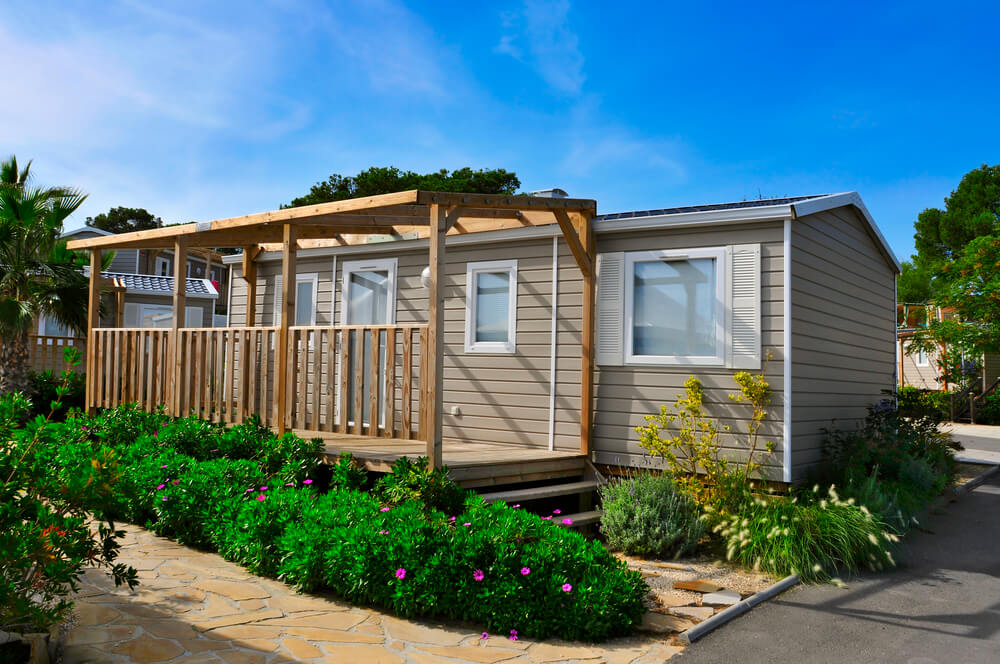
Solar panels don’t just save money—they help the planet. A typical system on a mobile home can cut carbon emissions by 3–5 tons a year. If you switch from grid power to solar, you’re helping reduce pollution and protect the environment.
Solar panels also add value to your home. Studies show they can increase property values by 4–6%.
Credit: www.intermtnwindandsolar.com
Is Solar Right For Your Mobile Home?
Solar power isn’t for everyone. If your roof is small, shaded, or weak, you might need extra work to get started. But if you have enough space, sun, and budget, solar panels are a smart investment. They save money, help the environment, and can even increase your home’s value.
Before you decide, talk to a professional installer and check your local rules. Get a quote and compare options. Remember, high-efficiency panels and good planning make all the difference.
For more technical details, see this US Department of Energy guide.
Frequently Asked Questions
Can I Install Solar Panels Myself On A Mobile Home?
You can install solar panels yourself, but it’s risky. Roofs need to be strong enough, and wiring must follow safety codes. Professional installers ensure your system is safe and meets local rules. DIY can save money, but mistakes can lead to leaks, fire, or poor performance.
What Happens If I Move My Mobile Home?
If you plan to move, choose panels and mounts that are easy to remove. Ground-mounted systems are simpler to relocate. Some installers offer portable solutions. Always check with your installer before moving.
How Long Do Solar Panels Last On Mobile Homes?
Most solar panels last 25–30 years. Good quality panels come with long warranties. Inverters and batteries may need replacement after 10–15 years. Regular cleaning and checks help panels last longer.
Will Solar Panels Damage My Roof?
If installed correctly, solar panels won’t damage your roof. But weak roofs or poor installation can cause leaks or structural issues. Always get your roof checked first, and use a qualified installer.
Are There Any Special Incentives For Mobile Home Owners?
Mobile home owners qualify for the same federal tax credit as traditional homes. Some states offer extra rebates or programs. Check your local utility and state energy office for details.
Solar panels on mobile homes are possible, practical, and increasingly popular. With the right planning and equipment, you can enjoy clean energy and lower bills—no matter where you live.