
Have you ever thought about lowering your electric bills by using solar panels on your mobile home? Maybe you’ve seen neighbors with rooftop panels and wondered, “Can I do that too?” Or you worry about the roof strength, moving your home, or if it’s even worth it. These doubts are common. Many people living in mobile homes are curious but unsure where to begin. I’ve met folks who tried and made mistakes, and others who saved money and gained energy freedom. Let’s break down the real facts, clear up confusion, and help you decide if solar panels fit your mobile home.
Short Answer
Yes, you can put solar panels on a mobile home, but there are a few important things to check first. The roof must be strong enough, you’ll need the right permits, and it often works better if you use a ground-mounted system. With proper planning, solar panels can save money and power your home.
Understanding Mobile Home Roofs
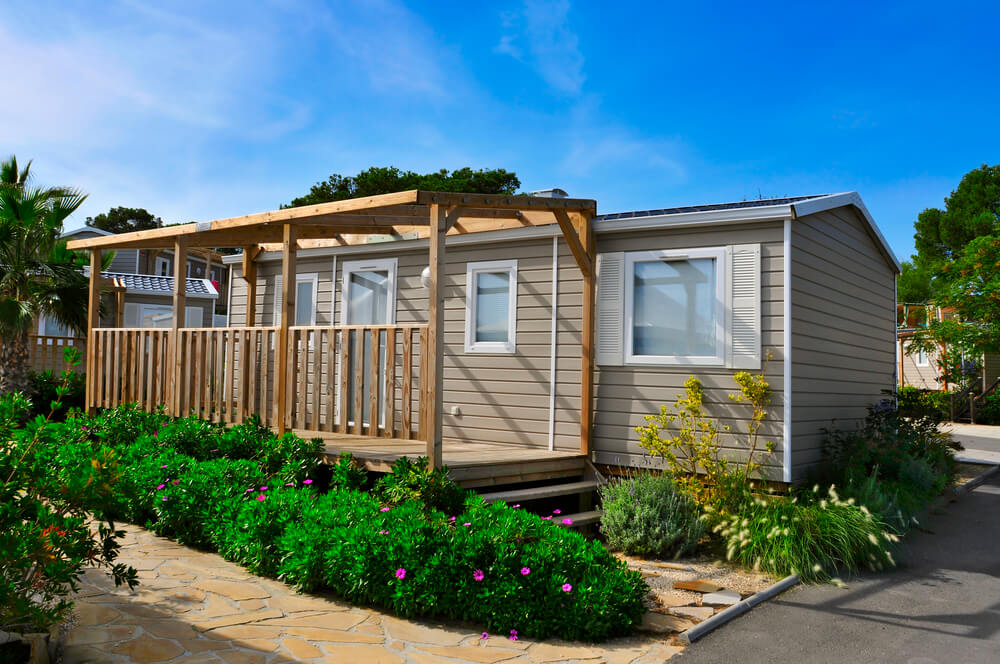
Mobile homes usually have flat or slightly sloped roofs. These are different from traditional houses. Most mobile homes use lightweight materials like aluminum or thin shingles. Some roofs can’t handle the extra weight of solar panels.
Roof Strength And Panel Weight
A typical solar panel weighs about 40 pounds. If you need 10 panels, that’s 400 pounds. The roof must hold this weight safely.
Here’s a comparison:
| Roof Type | Weight Capacity (per sq. ft.) | Solar Panel Weight (per panel) |
|---|---|---|
| Mobile Home (older) | 10-15 lbs | 40 lbs |
| Mobile Home (newer) | 20-30 lbs | 40 lbs |
| Traditional House | 30-50 lbs | 40 lbs |
If your roof is older or weak, mounting panels can cause damage. It’s smart to check with a professional installer before making decisions.
Credit: www.intermtnwindandsolar.com
Roof-mounted Vs. Ground-mounted Solar
You have two main choices:
- Roof-mounted panels: Installed directly on your mobile home roof.
- Ground-mounted panels: Placed on a frame in your yard or nearby ground.
Benefits And Drawbacks
| Mount Type | Advantages | Disadvantages |
|---|---|---|
| Roof-mounted | Saves space; easy wiring | Roof may be too weak; harder to access |
| Ground-mounted | Better angle; easier maintenance; no roof stress | Needs extra space; more work for wiring |
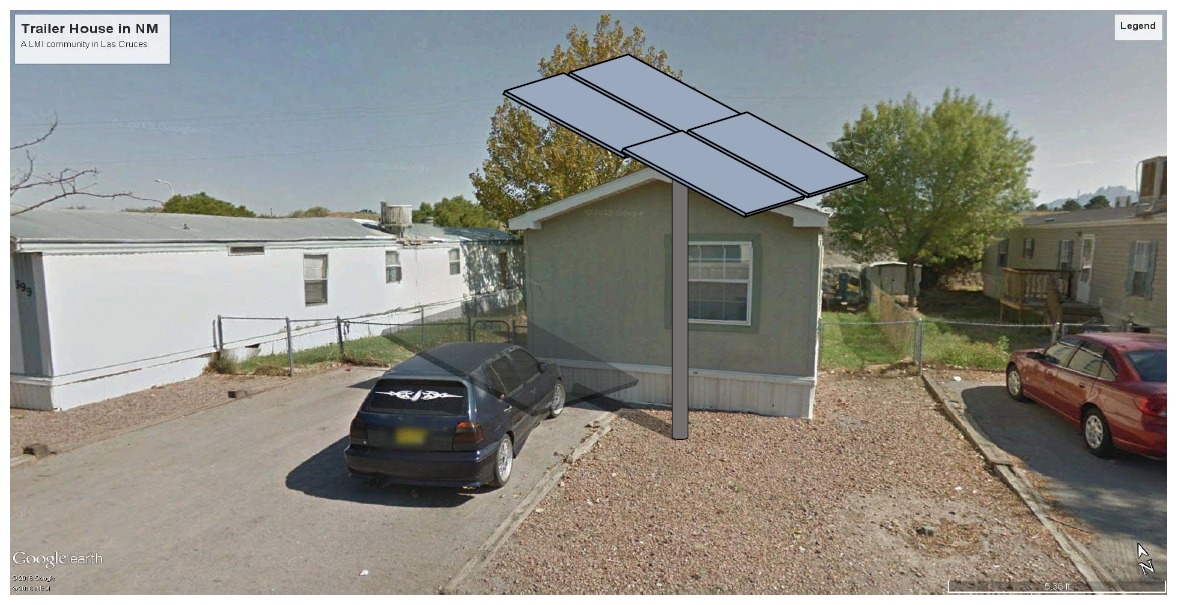
If your roof can’t handle the panels, ground-mounting is often safer. It also lets you adjust the angle for more sunlight.
How Much Solar Power Do You Need?
Every mobile home is different. Let’s estimate your needs.
Most mobile homes use 500 to 1000 kWh per month. If you want to cover all your electricity, you need a solar system sized for that.
- Each panel makes about 300-350 watts
- You may need 10-15 panels for full coverage
Here’s a quick example:
- You use 800 kWh/month
- Each panel gives 30 kWh/month
- You need about 27 panels (800 ÷ 30)
But most mobile homes have less roof space, so you may only fit 8–12 panels on the roof.
Credit: shopsolarkits.com
Installation Steps For Mobile Homes
Let’s break down the main steps:
- Check roof strength: Get your roof inspected.
- Choose panel type: Pick lightweight panels if needed.
- Pick mount location: Decide between roof or ground.
- Get permits: Ask your local building office about permits.
- Hire a certified installer: Avoid mistakes and ensure safety.
- Connect to the grid or battery: Decide if you’ll store power or sell it back.
Don’t skip the inspection. Some people rush and end up with leaks or roof damage.
Cost Of Solar Panels For Mobile Homes
Solar panels cost between $2.50 and $3.50 per watt installed. For a 4 kW system:
- 4,000 watts × $3.00 = $12,000
Mobile homes often need smaller systems, so you may pay less. Incentives and tax credits can cut costs by 20–30%.
Here’s a quick price comparison:
| System Size | Panels Needed | Estimated Cost | Monthly Savings |
|---|---|---|---|
| 2 kW | 7 | $5,500 | $40 |
| 4 kW | 14 | $12,000 | $80 |
| 6 kW | 20 | $17,500 | $120 |
Check for federal and local rebates. These can make your system much more affordable.
Common Mistakes And How To Avoid Them
Many people make mistakes when adding solar panels to mobile homes. Here are some to watch out for:
- Skipping roof inspection: Always check roof strength first.
- Choosing the wrong panels: Lightweight panels work best.
- Ignoring permits: Without permits, you can face fines or removal.
- Poor wiring: Mobile homes often have older wiring. Upgrade if needed.
- Wrong angle: Panels work best when facing south with a tilt.
Ask your installer about these points. Don’t try to do everything yourself if you aren’t sure.
Real-life Example: Sarah’s Success Story
Sarah lives in a double-wide mobile home in Texas. Her roof was strong enough for eight panels. She wanted to power her home office and reduce bills.
She chose high-efficiency panels and had her roof inspected. After installation, her electric bill dropped by 60%. She also got a $2,000 tax credit. Sarah said the process was easier than expected because she asked lots of questions and worked with a certified installer.
Can You Move Solar Panels With Your Mobile Home?
If you ever move your mobile home, you can take your panels with you, but it takes planning.
- Roof-mounted panels must be removed before moving
- Ground-mounted panels are easier to relocate
- You’ll need a new inspection at the new site
Some people prefer ground-mounted systems for this reason. It makes moving simpler.
Solar Battery Storage For Mobile Homes
Adding a solar battery lets you store power for nighttime or outages. Batteries cost extra but can give you energy independence.
Most batteries cost $5,000 to $8,000. They last 5–10 years. If your mobile home is off-grid or in a remote area, batteries are a smart choice.
Are Solar Panels Worth It For Mobile Homes?
If your roof is strong and you get good sunlight, solar panels are a smart investment. You can:
- Cut electric bills by up to 70%
- Increase your home’s value
- Reduce your carbon footprint
- Gain energy independence
But if your roof is weak or shaded, you may not get much benefit. Ground-mounting can help, but you need space.
Quick Checklist Before You Start
- Roof inspected for weight
- Permits researched and secured
- Local incentives checked
- Installer chosen
- System size calculated
- Wiring checked
Extra Insights Most Beginners Miss
- Insurance: Adding panels may change your home insurance. Tell your provider to avoid issues.
- Mobile home parks: If you live in a park, you may need permission from managers or owners.
- Wind and weather: Mobile homes can shake in storms. Make sure panels are secured for high wind.
Getting Professional Help
Always work with a certified solar installer. They know local codes and can inspect your roof. They’ll help you choose the right panels and design a safe system.
You can find certified installers through the North American Board of Certified Energy Practitioners (NABCEP) or your local energy office.
For more details on mobile home solar options, visit the official U.S. Department of Energy.
Credit: energytransition.org
Frequently Asked Questions
Can I Install Solar Panels Myself On My Mobile Home?
It’s possible, but not recommended. Mobile homes have unique wiring and roof issues. A certified installer can avoid mistakes and ensure safety.
Do Mobile Home Solar Panels Work During Cloudy Days?
Yes, but they make less power. On cloudy days, panels can produce 10–25% of their normal output. Battery storage helps during these times.
What Happens If My Roof Isn’t Strong Enough?
You can use ground-mounted panels. They work just as well, and are often easier to access and move.
How Long Do Solar Panels Last On A Mobile Home?
Solar panels last 20–25 years. Maintenance is simple: clean them a few times a year and check for loose parts after storms.
Are There Tax Credits For Mobile Home Solar Panels?
Yes. The Federal Solar Tax Credit gives you 30% back on system costs. Some states offer extra rebates. Always check local rules before buying.
Putting solar panels on a mobile home is a smart way to save money and help the environment, but it takes careful planning. Check your roof, ask questions, and work with experts. With the right steps, you can enjoy clean energy and lower bills for years to come.