
Many people feel excited about solar panels. They save money, help the environment, and make homes look modern. But there is also worry. Some people ask, “Do solar panels produce radiation? Is it safe for my family?” Maybe you have seen rumors online or heard friends talk about health risks. It is easy to feel confused. You want to be sure before installing panels on your roof.
You are not alone. Many homeowners and business owners ask the same question. There is a lot of information out there, but much of it is unclear or even wrong. Let’s clear things up, step by step, so you can feel confident and make smart decisions.
Short Answer
No, solar panels do not produce dangerous radiation. They do not emit harmful rays like X-rays or radioactive materials. The main type of energy from solar panels is electricity, which is safe for humans. The panels themselves do not generate radiation that can hurt people or animals.
What Is Radiation?
Before we go deeper, let’s explain radiation. Many people mix up different types. Not all radiation is bad.
- Ionizing radiation: This is strong. It can harm living cells. X-rays, gamma rays, and nuclear materials produce this kind.
- Non-ionizing radiation: This is weak. It does not damage cells. Light from the sun, radio waves, and microwaves are examples.
Most radiation in daily life is non-ionizing. Your phone, Wi-Fi, and TV use it. Solar panels do not produce ionizing radiation.

Credit: www.tatapower.com
How Solar Panels Work
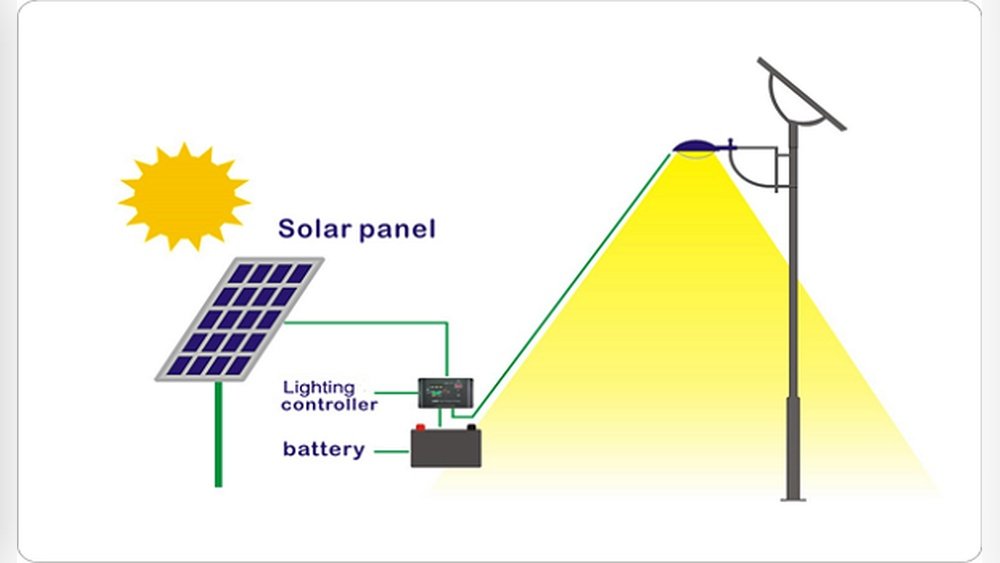
Let’s break it down simply. Solar panels use sunlight to make electricity. They have special cells called photovoltaic (PV) cells.
Here’s how it works:
- Sunlight hits the PV cells.
- The cells turn light into direct current (DC) electricity.
- An inverter changes DC into alternating current (AC), which powers your home.
This process does not create dangerous radiation. It just uses the natural energy from the sun.
Types Of Radiation Around Solar Panels
Solar panels do not make harmful radiation. But there are some types of energy involved:
- Light radiation: Panels absorb sunlight. They do not release extra light or UV rays.
- Electromagnetic fields (EMF): The wires and inverter make small EMF, like other electric devices.
- Heat: Panels get warm in the sun, but not enough to cause harm.
Let’s look at these in detail.
Light Radiation
Solar panels do not emit light or UV rays. They absorb sunlight and turn it into electricity. The panels do not shine or glow.
Electromagnetic Fields (emf)
Every electric device, like your fridge, TV, or phone, makes EMF. Solar panels and their systems do too. But the levels are very low.
Example: A typical solar inverter produces EMF much lower than a microwave oven. Here is a comparison:
| Device | EMF Level (mG) |
|---|---|
| Solar Inverter | 0.5–2 |
| Microwave Oven | 100–300 |
| Wi-Fi Router | 2–4 |
| Hair Dryer | 10–70 |
The EMF from solar panels is much less than common household items.
Heat
Solar panels get warm under the sun, but they do not get hot enough to cause burns or fires. The heat is similar to what you feel from a car parked outside.
Comparing Solar Panels To Other Sources
You may wonder, “Are solar panels safer than other energy sources? ” Let’s see a simple comparison.
| Energy Source | Produces Ionizing Radiation? | Produces EMF? | Health Risk |
|---|---|---|---|
| Solar Panels | No | Low | None |
| Nuclear Power | Yes | Medium | High (if leaks) |
| Coal Power | No | Low | Medium (air pollution) |
| Household Electronics | No | Low–Medium | None |
Solar panels are safer than nuclear or coal power. Their EMF is very low.
Studies And Safety Standards
Many studies have tested solar panels for safety. The World Health Organization (WHO) and other groups say that EMF from solar panels is not dangerous.
- EMF from solar panels is much less than safety limits.
- No harmful radiation has been found in homes with solar panels.
- Panels do not leak radioactive materials.
Many countries have safety rules for solar installations. Installers follow these to keep your home safe.
Credit: vocal.media
Common Misunderstandings
Some people confuse solar panels with nuclear energy. Solar panels do not use radioactive materials. They only use sunlight.
Another mistake: Some think solar panels can cause cancer. There is no proof of this. The panels do not emit cancer-causing rays.
Non-obvious insight: Some older solar panels had tiny amounts of metals, but not radioactive. Modern panels are even safer and are built to strict standards.
Real-life Examples
Let’s look at some real stories.
Example 1: Maria installed solar panels on her house in California. She was worried about radiation. She asked her installer, who showed her EMF readings. They were lower than her kitchen appliances. Maria felt safe and happy.
Example 2: In Germany, a school put solar panels on the roof. Parents worried about radiation. The school invited experts to test the panels. Results showed no harmful radiation. The panels were safe for children.
Solar Panel Materials
Solar panels are made from silicon, glass, metal, and plastic. None of these materials are radioactive. Some panels use cadmium telluride, but it is sealed and does not release anything dangerous.
Non-obvious insight: Even if a panel breaks, the materials inside do not leak radiation. They are safe to touch, but you should avoid sharp glass.
Emf Measurement: How To Check
If you want to check EMF yourself, you can use a small device called an EMF meter. Here’s what to do:
- Stand near your solar inverter.
- Turn on the EMF meter.
- Read the number. Compare it to everyday devices.
Most readings will be very low. For example, less than 2 milligauss (mG), which is safe.
Solar Panel Placement And Safety
Where you put your panels matters for best safety and performance.
- Roof installation: Most common. Keeps panels away from people.
- Ground installation: Used for big systems. Panels are fenced off.
- Portable panels: Used for camping. Safe to touch.
Installers follow safety steps to keep panels secure and wires protected.
What If There Is A Problem?
Solar panels rarely break. If they do, you should:
- Stay away from broken glass.
- Call a professional to fix it.
- Do not worry about radiation.
Broken panels do not release dangerous rays. They may have sharp edges, but no harmful energy.
Solar Panel Recycling
Old panels are recycled. The process is safe. Workers wear gloves and masks to protect from dust, not radiation.
Interesting fact: Over 95% of the materials in a solar panel can be recycled.
Solar Power And Health
Solar panels help health in other ways. They reduce air pollution. Cleaner air means fewer breathing problems.
Data: Studies show that solar power can reduce respiratory illness by lowering pollution from coal and gas.

Credit: www.brsolarsystem.com
Solar Panels And Animals
Some people ask if panels affect pets or wildlife. No evidence shows harm. Animals can live near panels with no problem.
Mini example: Solar farms often have sheep grazing under the panels. No health issues have been reported.
Key Takeaways
- Solar panels do not produce dangerous radiation.
- EMF levels are much lower than household electronics.
- Panels are safer than nuclear or coal energy.
- Solar panels help reduce air pollution.
Frequently Asked Questions
Are Solar Panels Radioactive?
No, solar panels are not radioactive. They do not contain or release radioactive materials.
Can Solar Panels Cause Cancer?
There is no evidence that solar panels cause cancer. They do not emit cancer-causing rays or chemicals.
Do Solar Panels Create Harmful Emf?
Solar panels produce EMF like any electric device, but the levels are very low and safe for humans.
Is It Safe To Touch Or Stand Near Solar Panels?
Yes, it is safe to touch and stand near solar panels. They do not release harmful energy or radiation.
Where Can I Find More Information About Solar Panel Safety?
You can read more on the Wikipedia Solar Panel page for detailed information.
Solar panels are a smart, safe choice for homes and businesses. They do not produce dangerous radiation. With clear facts, you can feel confident about using solar energy. Remember, clean power means healthier air and a better future. If you still have questions, talk to your installer or check trusted sources.