
You open your electric bill and notice it’s still high, even with your new solar panels. Or maybe you’re thinking about installing solar but worry if it’s worth the cost. Many in the UK feel confused about how solar panels actually affect their bills. Some hope for free energy, others fear hidden fees, and almost everyone asks, “Will my bill really drop?” If you’re scratching your head, you’re not alone.
As someone who’s helped friends and neighbors with solar decisions, I understand the mix of excitement and uncertainty. The good news? Solar panels can reduce your bills—but not always in the way people expect. Let’s clear up the mystery and show you exactly how solar panels work with your electric bill in the UK.
Short Answer: How Solar Panels Affect Your Uk Electric Bill
Solar panels reduce your electricity bill by generating your own power during the day. You use less electricity from the grid, so you pay for less. If you make extra electricity, you can sell it back to the grid with the Smart Export Guarantee (SEG). But you’ll still pay for any electricity you use when your panels aren’t making enough—like at night or on cloudy days.
In simple terms:
- Lower bills: You buy less electricity from your supplier.
- Extra earnings: You can get paid for sending unused energy back.
- Still pay some bills: Standing charges and night use remain.
Now, let’s break down each step so you can see how this works in real life.
How Solar Panels Generate Power
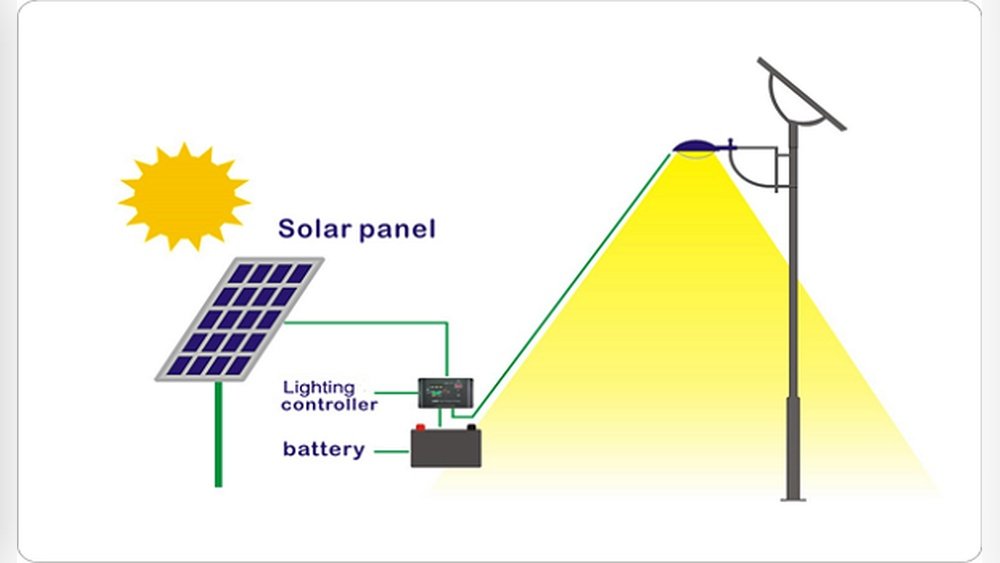
Solar panels use sunlight to make electricity. Here’s what happens:
- Sunlight hits panels: Solar panels on your roof capture sunlight.
- Direct current (DC) created: The panels turn sunlight into DC electricity.
- Inverter converts power: An inverter changes DC to alternating current (AC), which your home uses.
This means when the sun shines, your panels are making power for your lights, TV, and appliances.
Example
Let’s say your home uses 10 kilowatt-hours (kWh) each day. On a sunny day, your panels might generate 6 kWh. That’s 6 kWh you don’t have to buy from your electric company.
Using Your Own Solar Power First
Your home uses the solar electricity as soon as it’s made. This is called self-consumption. You only buy extra power from the grid if your panels aren’t making enough.
Here’s a simple way to think about it:
- Daytime: Solar panels cover part or all of your needs.
- Night: You buy power from your supplier, unless you have a battery.
Mini Example
If you run your washing machine at noon, it uses solar power if there’s enough sun. Run it at 8 pm, and you’ll use grid electricity.
What Happens To Extra Solar Power?
Sometimes your panels make more electricity than you need. This extra power doesn’t get stored (unless you have a battery). Instead, it goes back to the grid.
In the UK, you can earn money for this with the Smart Export Guarantee (SEG). Your supplier pays you for every kWh you export. Not all energy companies offer the same rates, so it’s worth shopping around.
How The Seg Works
- You export power: Extra energy from your panels goes to the grid.
- Smart meter tracks it: Your meter records the exported amount.
- Supplier pays you: You get paid, usually a few pence per kWh.
How Your Electric Bill Is Calculated
Your monthly bill changes once you have solar panels. But some charges remain. Here’s a breakdown:
| Bill Part | Before Solar | With Solar Panels |
|---|---|---|
| Electricity Used | 100% from grid | Only what panels don’t cover |
| Standing Charge | Always paid | Still paid |
| Export Earnings | None | Possible (SEG) |
- Electricity used: Only pay for what you use from the grid.
- Standing charge: A daily fee, even if you use no grid power.
- Export earnings: Appear as a credit, not a bill reduction.
Example: Typical Savings
Imagine your yearly electricity use is 4,000 kWh. After installing solar panels, you self-consume 1,600 kWh (40%). The panels export another 800 kWh (20%) to the grid. Here’s how your bill might look:
| Before Solar | With Solar Panels |
|---|---|
| 4,000 kWh x 30p = £1,200 | 2,400 kWh x 30p = £720 |
| Standing charge: £150 | Standing charge: £150 |
| No export credit | Export credit: 800 kWh x 5p = £40 |
| Total: £1,350 | Total: £830 |
Savings: About £520 per year in this example. Your results depend on your home, usage, and local rates.
Common Questions And Confusions
Many people expect zero bills, but that’s rare. Here’s why:
- Standing charges are fixed fees—solar can’t remove them.
- UK weather means you won’t always cover 100% of your needs.
- Most homes use more power in the evening, when the sun is low.
- Export payments are usually lower than what you pay to buy electricity.
Knowing these facts helps you set the right expectations.
How To Get The Most Savings
If you want to cut your bill as much as possible, try these tips:
- Use power during the day. Run washing machines, dishwashers, and other big appliances when the sun shines.
- Consider a battery. Batteries store extra solar energy for evening use. They add cost, but can boost savings.
- Compare SEG tariffs. Different companies pay different rates for exported power.
- Monitor your usage. Smart meters and apps help you see when you use the most power.
- Keep panels clean and clear. Dirt and shade reduce output.
These small changes can add up to bigger savings on your bill.

Credit: homenergyguide.co.uk
The Role Of Smart Meters
A smart meter is not required for solar panels, but it makes things easier. It tracks both your usage and exports, so your SEG payments are accurate. Most suppliers prefer smart meters for SEG. If you still have an old-style meter, you might get a flat export rate based on an estimate, not your real data.
How Solar Panels Work With Different Tariffs
Your energy tariff matters. Here’s how solar panels interact with the main types:
Standard Tariffs
You pay a flat rate for electricity. Solar reduces your usage, so you pay less.
Economy 7 Or 10
These tariffs offer cheaper night rates. Solar panels help most in the daytime, but less at night. If you have storage heaters, it’s important to balance your use.
Time-of-use Tariffs
Some suppliers offer rates that change by the hour. With a battery, you can store solar or cheap grid electricity for expensive times.
Solar Panels, Batteries, And Your Bill
Adding a battery changes the game. It stores extra power made during the day, so you can use it later. This means:
- More self-consumption.
- Less need to buy from the grid at night.
- Higher savings, but extra upfront cost.
Mini Example
With no battery: Panels cover 40% of your needs.
With a battery: Panels might cover 60–70%.
But batteries cost from £3,000 to £6,000, so check if the extra savings make sense for you.
Mistakes People Make With Solar And Electric Bills
It’s easy to misunderstand how solar affects your bill. Here are mistakes to avoid:
- Ignoring the standing charge: This fee doesn’t go away.
- Overestimating export earnings: SEG rates are usually much lower than what you pay for electricity.
- Not shifting daytime use: Running appliances at night misses solar savings.
- Thinking solar means “off grid”: Most homes stay connected to the grid.
Understand these points, and you’ll avoid disappointment later.
Solar Panels And Rising Uk Energy Prices
UK energy prices have risen in recent years. Solar panels protect you from some price hikes, since every kWh you make is one you don’t have to buy. If rates go up, your savings from solar usually grow, too.
But remember, standing charges and some grid use remain. So, the panels help, but don’t make you immune to all price increases.
Comparing Solar Panel Systems: What Matters For Your Bill
Not all solar systems are the same. Here’s what affects your bill the most:
| System Factor | Effect on Bill | Tip |
|---|---|---|
| Panel size (kW) | Bigger = more savings | Choose what fits your roof and budget |
| Roof direction | South = best output | Avoid heavy shade |
| Battery included | Higher self-use, lower bills | Check payback period |
| SEG rate | Higher rate = more export earnings | Shop around suppliers |
Talk to a trusted installer for tailored advice.

Credit: uk.jackery.com
Two Insights Most People Miss
- Your habits matter more than you think. If you’re home during the day, you’ll save more. If you’re out all day and only use power at night, solar savings are smaller.
- SEG payments are a bonus, not the main savings. The biggest bill reduction comes from using your own solar power, not selling it back.
What To Do Next
If you want to cut your electric bill with solar panels, start by checking:
- Your daytime electricity use.
- Your roof’s size and direction.
- Local SEG rates.
- If a battery makes sense for you.
Get quotes from installers and ask them to show your likely savings and export earnings. Don’t forget to include the standing charge in your calculations.
For more on solar panel basics and current UK schemes, check the official guide at UK Government Solar Guide.
Thinking about solar is a smart move. With the right plan, you can cut your bills, earn a bit extra, and help the planet at the same time.

Credit: boxergy.co.uk
Frequently Asked Questions
How Much Can I Save On My Electric Bill With Solar Panels?
Savings depend on your home, usage, and system size. Many UK homes cut bills by 30–50%. If you use more power during the day, you’ll save more. Most people save between £200–£600 per year.
Will I Still Get An Electric Bill With Solar Panels?
Yes. You’ll still pay the standing charge and for any electricity you use when your panels aren’t making enough. Only “off-grid” homes with large batteries can avoid bills, but this is rare.
What Is The Smart Export Guarantee (seg) And How Does It Work?
The SEG pays you for extra solar power you send to the grid. You need a smart meter or approved export meter. Suppliers pay different rates, so compare offers. SEG credits are paid separately from your main bill.
Do I Need A Battery To Benefit From Solar Panels?
No, but a battery helps. Without one, you use solar power only when it’s made. With a battery, you store extra energy for evening use, boosting savings. Batteries cost more upfront, so calculate if it’s worth it for your home.
What Happens To My Solar Panels On Cloudy Days Or In Winter?
Solar panels still work on cloudy days, but make less power. In winter, output drops, so you use more grid electricity. Solar panels save most in spring and summer, but still help year-round.