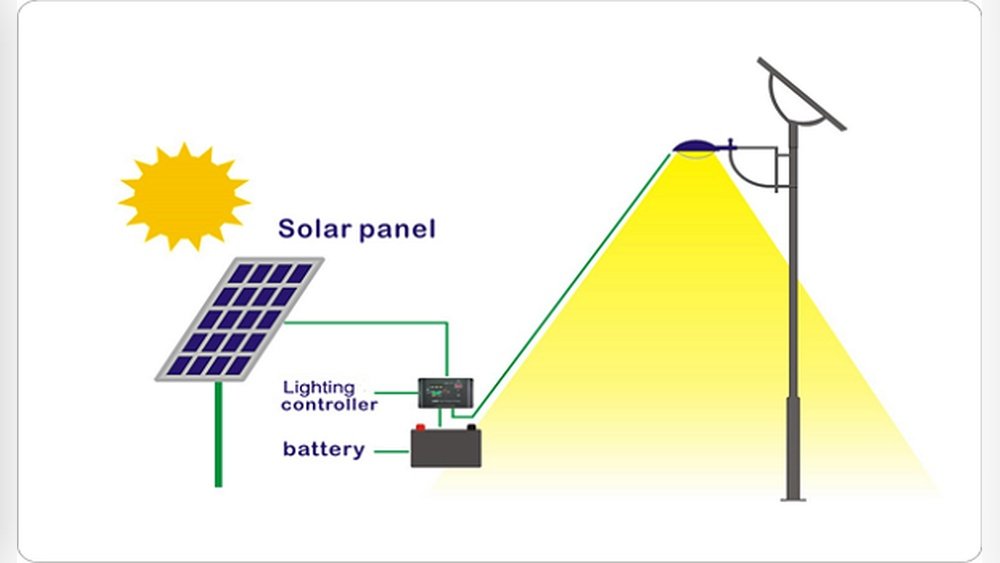

Ever stared at your electricity bill and wondered, “How many solar panels do I actually need to cover all this power?” You’re not alone. Many people want to go solar but get stuck on this exact question. Maybe you’ve read confusing articles or seen big numbers thrown around. Maybe you’ve tried calculators, but the answers don’t feel clear or personal. You just want to know: How many solar panels will make 1000 kWh per month? Let’s break it down, step by step, in plain English—no jargon, no guesswork.
Short Answer: How Many Solar Panels For 1000 Kwh Per Month?
If you live in the US, you’ll generally need 25 to 30 solar panels to produce 1000 kWh per month. This is based on panels that make about 400 watts each and average sunlight (about 4 hours per day). But your exact number depends on where you live, your roof, panel type, and real sun exposure.
Now, let’s dig deeper so you can understand how this number is calculated, what affects it, and how to make the smartest solar decisions for your home.
What Is 1000 Kwh And Why Does It Matter?
1000 kWh per month means you use about 33 kWh every day. That’s a typical amount for a medium-sized US home with air conditioning, refrigerator, lights, and some electronics. Here’s what 1000 kWh might cover:
- Running central air conditioning for 8 hours daily
- Powering a refrigerator, washer, dryer, and dishwasher
- Using computers, TVs, and kitchen appliances
- Charging phones and small devices
If your bill says you use around 1000 kWh, you’re probably in the average range. But some homes use more or less—so always check your own bill.
Solar Panel Basics: Power, Efficiency, And Sunlight
Solar panels don’t work like magic. They need sunlight, and their power depends on their size and technology. Let’s look at the basics:
- Wattage: Most residential panels are 350–450 watts.
- Efficiency: High-efficiency panels (20–22%) make more power in less space.
- Sun Hours: This means the average hours per day your panels get full sun. Most US homes get 3.5 to 5 hours.
Example: A 400-watt panel with 4 sun hours makes about 1.6 kWh per day.
Calculating Your Solar Needs
Here’s how to figure out how many panels you need:
- Check your daily usage: Divide 1000 kWh by 30 days. That’s about 33 kWh per day.
- Estimate panel output: A 400-watt panel makes about 1.6 kWh per day (if you get 4 hours of good sun).
- Divide your need by panel output: 33 kWh / 1.6 kWh = about 21 panels.
- Add a safety margin for cloudy days, losses, and less-than-perfect conditions. Most experts recommend 25–30 panels for 1000 kWh/month.
What Changes The Number Of Panels?
Your exact number may be higher or lower. Here’s what affects it:
- Location: More sun means fewer panels. Arizona needs fewer panels than Seattle.
- Roof direction: South-facing roofs are best. East or west need more panels.
- Shading: Trees, chimneys, or neighbors’ houses block sun and reduce output.
- Panel type: High-efficiency panels need less space.
- System losses: Wiring, inverter, and dirt can cut output by 10–20%.
How Sun Hours Affect Your Calculation
Sun hours are crucial. Here’s a simple table showing how many panels you need in different US regions:
| Region | Avg Sun Hours | Panels Needed (400W) |
|---|---|---|
| Arizona | 6 | 18 |
| California | 5 | 21 |
| Texas | 4.5 | 24 |
| New York | 3.5 | 29 |
| Seattle | 3 | 33 |
If you live in a cloudy area, you’ll need more panels. If you’re in the sunny Southwest, you need fewer.
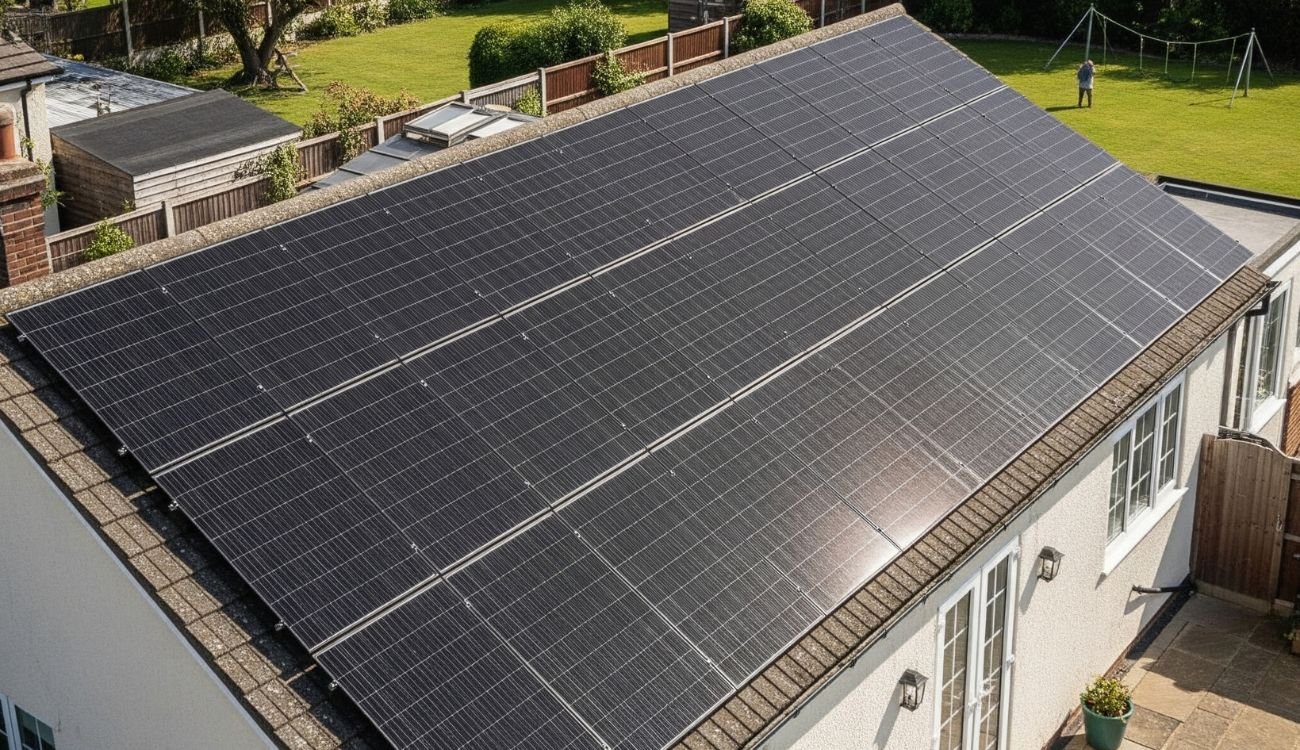
Credit: futureheatltd.co.uk
Real-life Example: Family Home In California
Let’s say you have a medium-sized home in California:
- You use 1000 kWh per month.
- Your roof faces south with little shade.
- You pick 400-watt panels.
- You get about 5 sun hours per day.
Here’s the math:
- 400-watt panel × 5 hours = 2 kWh per day per panel
- 33 kWh per day / 2 kWh = 16.5 panels
- Round up for safety: 18–20 panels
But if your roof faces east/west or you get shade, add more panels to cover the loss.
Panel Efficiency: Does It Matter?
Yes! High-efficiency panels produce more power in less space. If your roof is small, use panels with 21–22% efficiency. Cheaper, low-efficiency panels (16–18%) need more space. Here’s a quick comparison:
| Panel Efficiency | Panels Needed | Roof Area Needed (sq ft) |
|---|---|---|
| 16% | 30 | 650 |
| 20% | 25 | 525 |
| 22% | 22 | 480 |
If you want fewer panels, go for higher efficiency—but expect to pay more.
Common Mistakes When Choosing Panel Number
Many people make simple mistakes. Here’s what to watch for:
- Ignoring sun hours: Don’t use the same number everywhere. Sunlight matters.
- Forgetting losses: Panels lose power from dirt, wiring, and inverters. Always add extra.
- Wrong panel size: Don’t assume all panels are 400 watts. Check your model.
- Counting roof space only: Just because you have room doesn’t mean you’ll get enough power.
- Not planning for growth: If you’ll add electric cars or appliances, leave space for more panels.
How To Pick The Right Panels
When shopping, focus on:
- Wattage: Higher wattage means fewer panels.
- Efficiency: More power per square foot.
- Warranty: Look for 20–25 years.
- Brand reliability: Some brands perform better over time.
Avoid buying only by price. Cheap panels may need replacing sooner, costing more in the long run.
What If Your Roof Is Too Small?
Not every roof fits 25–30 panels. If yours is small or shaded:
- Use high-efficiency panels.
- Install panels on a garage or ground mount.
- Combine with batteries to store extra power.
- Reduce your energy use (LED lights, efficient appliances).
Understanding Your Solar System Size
A system that makes 1000 kWh per month is about 8.5 kW in size. Here’s why:
- 1000 kWh / 30 days = 33 kWh/day
- 33 kWh / 4 sun hours = 8.25 kW
If you buy panels rated at 400 watts each:
- 8.5 kW / 0.4 kW = 21 panels
But always add extra for losses and cloudy days.

Credit: www.eerenewables.co.uk
Cost Estimate For 1000 Kwh Per Month
Costs vary by location and system:
- Typical US install: $2.50–$3.50 per watt
- 8.5 kW × $3 = $25,500
- Incentives, tax credits, and rebates can cut this by 25–30%
If you use high-efficiency panels, the price goes up, but you need fewer panels.
Solar Panel Brands And Choices
Some trusted brands for US homes are:
- SunPower: High efficiency, strong warranty
- LG: Reliable, good power output
- Q Cells: Affordable, solid performance
- Canadian Solar: Good value, popular worldwide
Check reviews, warranties, and performance before buying.

Credit: jmhpower.com
How Weather Affects Output
Clouds, rain, snow, and dust all reduce panel output. Panels still work on cloudy days, but at lower power. Here’s a quick summary:
- Cloudy: Panels make 10–25% of their rated power.
- Rainy: Similar to cloudy. Rain helps clean panels.
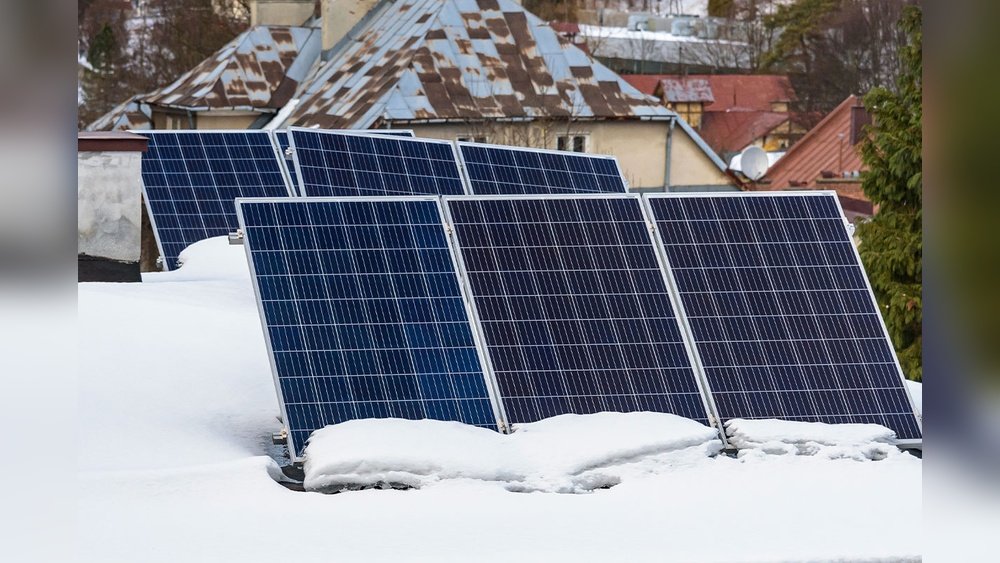
- Snowy: Panels stop working if covered. Tilted roofs help snow slide off.
- Dusty: Clean panels every few months for best results.
Solar Panel Placement Tips
To get the most power:
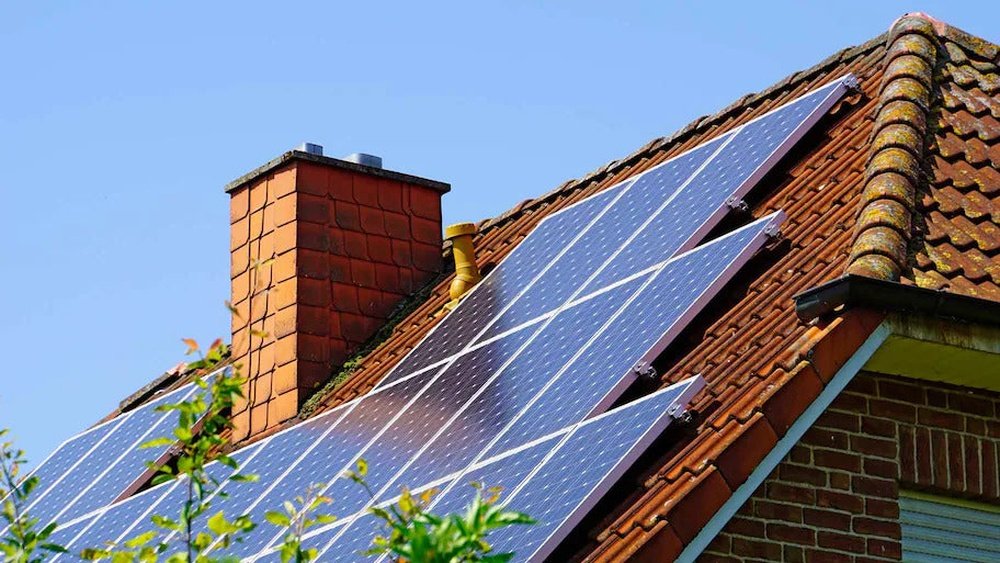
- Face panels south if possible.
- Tilt panels to match your latitude (usually 25–35 degrees).
- Avoid shade from trees, buildings, or chimneys.
- Clean panels twice a year.
If your roof isn’t ideal, consider ground-mounted panels.
Battery Storage: Is It Needed?
Batteries store extra power for nighttime or cloudy days. For most homes, batteries are optional unless you want backup during outages. But they add cost—about $8,000–$12,000 per 10 kWh battery.
What To Expect After Installation
Once your panels are installed:
- Your electric bill drops or disappears.
- You can sell extra power back to the grid (net metering).
- Panels last 25–30 years with minimal maintenance.
- Watch for inverter replacement after 10–15 years.
How To Get The Most From Your Solar Panels
Follow these tips:
- Clean panels regularly.
- Monitor performance with apps.
- Use energy during sunny hours.
- Upgrade appliances to be efficient.
- Avoid letting trees grow and shade panels.
Comparing Solar Panels: Wattage, Efficiency, Price
Here’s a quick look at popular panels:
| Brand | Watts | Efficiency | Price per Panel |
|---|---|---|---|
| SunPower | 420 | 22% | $400 |
| LG | 400 | 21% | $370 |
| Q Cells | 350 | 19% | $280 |
| Canadian Solar | 370 | 18% | $300 |
Choose the best fit for your budget and roof size.
Non-obvious Insights
- Panel orientation matters more than you think. Even small shifts (like southeast vs true south) can cut output by 10–15%. Always check your roof’s angle before buying.
- Local weather history is key. If your area has long rainy seasons, use local solar maps or ask neighbors for real data. Online calculators often miss these details.
Steps To Plan Your Solar System
- Check your last year’s electric bills for average monthly kWh.
- Use your zip code to estimate average sun hours.
- Pick your panel type and wattage.
- Calculate the needed number of panels: Monthly kWh ÷ (Panel wattage × sun hours × 30 days).
- Add 10–20% extra for losses.
- Get quotes from local installers.
- Check for tax credits and incentives.
- Plan for future needs (cars, new appliances).
Real Us Example: How The Numbers Add Up
Suppose you live in Houston, Texas:
- Average sun hours: 4.5/day
- Roof faces south, little shade
- 400-watt panels
Calculation:
- 400 watts × 4.5 hours = 1.8 kWh/day per panel
- 33 kWh/day ÷ 1.8 = 18.3 panels
- Add 20% margin: 18.3 × 1.2 = 22 panels
So you’ll need 22 panels for 1000 kWh/month in Houston.
How Solar Panels Work All Year
Panels make more power in summer, less in winter. But your electric bill is based on total yearly production. Installers balance your system so you make enough across the whole year.
- Summer: More sun, more power
- Winter: Less sun, less power
Some months you’ll make extra, some less. Net metering helps balance things out.
How To Check Your Roof Space
Typical panels are 65×39 inches. They need about 20 square feet each. For 25 panels, you need 500 square feet. Measure your roof and check for clear, sunny spots.
Getting Professional Help
Solar installers use software to estimate your real output. They check your roof, local weather, and shading. Always get at least 3 quotes before installing.
How To Save More With Solar
- Use energy-saving appliances
- Change habits: Run dishwasher, laundry during sunny hours
- Upgrade insulation and windows
- Combine solar with smart thermostats
What If You Move Or Change Appliances?
If you move, your solar system stays. If you add new appliances (like electric cars), you might need to expand your system. Always plan ahead.
Frequently Asked Questions
How Long Do Solar Panels Last?
Most panels last 25–30 years. After this, they still work but may produce less power (down to 80% of original output). Inverters usually need replacing after 10–15 years.
What If My Roof Isn’t Facing South?
Panels facing east or west make 10–20% less power. You’ll need more panels or higher efficiency models. North-facing roofs don’t work well for solar.
Do I Need Batteries For My Solar System?
No, batteries are optional. They help during outages and store extra power, but most homes just use the grid for backup. Batteries add cost and complexity.
Can I Sell Extra Power Back To The Grid?
Yes, if your local utility offers net metering. You get credit for extra power sent to the grid, lowering your electric bill. Check local rules before installing.
Is Solar Still Worth It If I Live In A Cloudy Area?
Yes, but you’ll need more panels. Panels still work in clouds, just at lower output. Incentives and lower electric bills help make solar worthwhile even in less sunny regions.
Ready to make the switch? Getting your solar system right means lower bills, more clean energy, and peace of mind. If you plan carefully, talk to local experts, and pick the right panels, you’ll enjoy reliable power for decades—rain or shine. For more technical details and solar maps, check out the National Renewable Energy Laboratory.