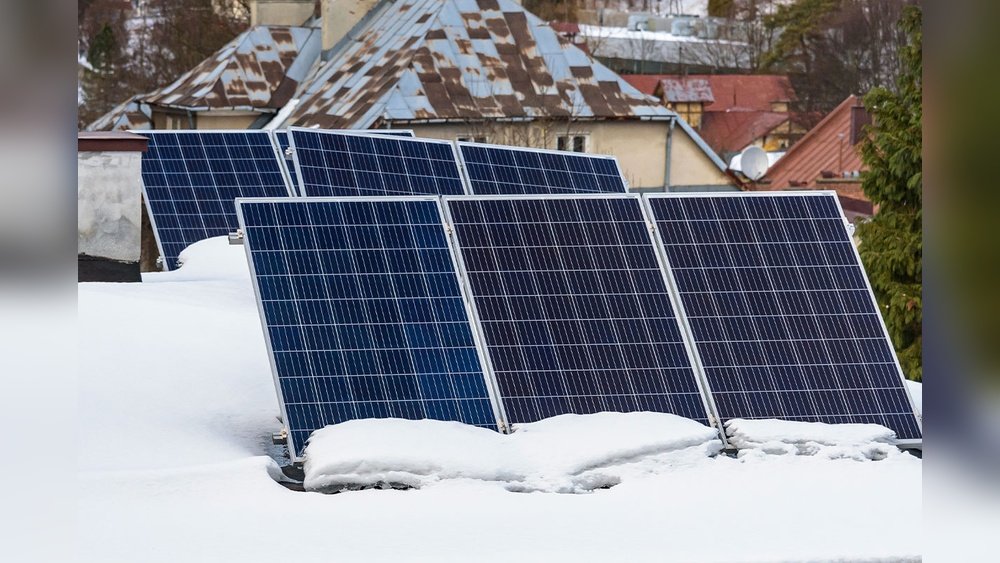

Heavy snow and cold winters can make keeping your solar panels running feel like a hassle. Maybe you’ve seen panels covered after a storm and wondered if they’re even worth it in snowy climates. It’s not always clear which models handle snow best—or if you need to spend extra for something durable.
Choosing solar panels for snow is trickier than it seems. There are trade-offs between weight, flexibility, strength, and installation style. Some panels are easier to set up but might not handle snow loads. Others are tough but bulky or less efficient.
It’s hard to tell what actually matters until you’re scraping off ice in January.
This guide will help you sort through the confusion. You’ll see what to look for if you want solar that works through winter, and what features matter most for snowy conditions.
What Actually Matters For Solar Panels In Snow?
It’s not just about the power rating. For snow, panel strength and how easily snow slides off are key. Frame design, waterproofing, and mounting all affect winter performance. Lightweight panels can be easier to clear but may flex more. Rigid ones take more weight but need solid installation.
Think about where the panels will go and how much hands-on care you want to give.
Mistakes People Often Make
A lot of buyers focus only on efficiency numbers. But in snowy areas, weather resistance and durability can matter more than a few extra watts. Overlooking mounting options or ignoring local snow loads can lead to frustration later. It’s worth thinking about your climate and how much attention you want to give your setup when snow falls.
Below are a few panels chosen for their balance of durability, installation ease, and real-world performance in snowy conditions. Each suits a slightly different situation—so you can find the right match for your needs.
Lvyxon 200w Portable Solar Panel Kit
As one of the Best Solar Panels for Snow, this LVYXON kit stands out for its durable build and reliable winter performance.

The LVYXON 200W Portable Solar Panel Kit is designed to keep your batteries charged in tough winter conditions, making it a practical solution for cars, campers, boats, and even snowmobiles. Its multilevel composite panel construction helps protect against heavy snow and extreme temperatures, so you can rely on it even when the weather turns harsh.
In real-world use, it feels reassuring to have a panel that’s easy to set up and doesn’t require constant attention. The compact size means you can move it around or store it easily, and protective mechanisms guard against overcharging and reverse drain, giving you one less thing to worry about when you’re on the go.
Why It Stands Out In Winter
- Handles heavy snow and cold without loss of performance
- Integrated safety features prevent battery issues
- Compact and portable for quick deployment
- Works across vehicles—car, camper, boat, or snowmobile
- Optimized for varying light conditions
- Waterproof design (IP65) for extra peace of mind
Potential Limitations
- Not sized for large off-grid power needs
- Requires checking battery compatibility for best fit
- No built-in display for output monitoring
Where This Shines
This kit is best for people who need reliable battery maintenance through the winter, whether for a camper parked in the snow or a snowmobile that sits outside. It takes the worry out of battery drain, so you don’t return to a dead engine after a cold spell. My tip: check your battery’s specs before buying to ensure a perfect match.
You’ll get consistent charging with minimal effort, and the rugged build means fewer surprises when the weather turns. If you want straightforward protection for your batteries and less time spent troubleshooting in the cold, this kit delivers.
| Best for | Why |
|---|---|
| Winter campers and RV owners | Reliable charging through snow and cold |
| Snowmobile or boat users | Prevents battery drain during off-season storage |
| Anyone with vehicle battery maintenance needs | Compact, portable, and easy to set up |
| Outdoor enthusiasts in harsh climates | Durable against heavy snow and extreme temperatures |
Dokio Flexible 100w Etfe Solar Panel
Best Solar Panels for Snow thanks to its advanced ETFE coating and weatherproof build, ideal for those needing reliable off-grid power in tough winter conditions.

The DOKIO Flexible 100W ETFE Solar Panel is designed for mobile and outdoor power needs, especially where snow and weather are factors. Its flexible, lightweight design makes it easy to install on campers, boats, or off-grid setups, solving the hassle of heavy, rigid panels.
The ETFE lamination ensures durability and high light transmission, supporting dependable charging even in challenging conditions.
Using this panel feels simple and safe, as it can be quickly secured with mounting holes, adhesive, or velcro. You can trust it outdoors thanks to its waterproof construction and long-lasting materials. The panel’s high efficiency means you get consistent energy, even on cloudy days, reducing stress about winter performance.
It’s easy to move, making it a practical option for anyone on the go.
Outdoor Reliability Highlights
- Flexible and lightweight for easy transport
- ETFE lamination offers high durability and light transmission
- Weatherproof for all conditions, including snow and rain
- High-efficiency monocrystalline cells
- Quick setup with multiple mounting options
- Minimized power loss from shadowing
What To Consider Before Buying
- Requires careful installation for cooling and safety
- Not suitable for direct mounting on flammable surfaces
- No integrated stand or frame for easy angling
Who This Fits Best
This panel is a solid fit for travelers, campers, and anyone needing off-grid power in snowy or variable weather. It removes the stress of heavy lifting and complicated installs, letting you focus on adventure rather than setup. For winter use, leaving ventilation space is key—this keeps the panel performing safely and reliably.
With its sturdy ETFE surface and waterproof build, you can count on consistent power even when snow and moisture are common. A quick tip: avoid installing directly onto flammable materials, and check for clear airflow underneath. I appreciate how this panel simplifies outdoor power and brings peace of mind for cold-weather trips.
| Best for | Why |
|---|---|
| Winter camping and snow conditions | ETFE coating and waterproofing resist harsh weather |
| Mobile setups (campers, boats, RVs) | Lightweight and flexible for easy relocation |
| Off-grid power in changing climates | High efficiency cells maintain output even on cloudy days |
| Quick outdoor installations | Multiple mounting options simplify setup |
Dokio 100w Portable Foldable Solar Panel
A top pick among the Best Solar Panels for Snow thanks to its lightweight, durable design and reliable performance in challenging winter conditions.

The DOKIO 100W Portable Foldable Solar Panel offers a simple way to generate power even during snowy months. Its compact, lightweight design makes it easy to carry and set up anywhere, solving the hassle of powering devices or charging batteries when sunlight is limited or conditions are tough.
Using this panel feels straightforward and stress-free, especially in winter when portability and durability matter most. The sturdy, water-resistant construction means less worry about snow, scratches, or rough handling. Most users will appreciate the quick setup and reliable efficiency, letting you focus on your tasks instead of panel maintenance.
Winter-friendly Advantages
- Folds down small for easy storage and transport
- Lightweight (2.4 kg) for effortless setup, even in snow
- High conversion efficiency with quality monocrystalline cells
- Durable ETFE material resists scratches and moisture
- Compatible with most 12V batteries and power stations
- Simple “plug and play” operation with multiple adapter options
Points To Consider
- 100W output may not suit high-demand applications
- Manual snow removal may be needed to maintain efficiency
- No built-in stand, so angling may require extra support
Where This Shines
The DOKIO 100W Portable Foldable Solar Panel is best for campers, off-grid users, or anyone who needs reliable backup power through snowy winters. Its lightweight build removes the hassle of hauling heavy gear, while the durable, waterproof surface means less stress about weather or rough handling.
If you want a solar panel that stays effective and simple to use despite snow or freezing temperatures, this model brings peace of mind. A quick tip: keep the panel clear of snow for the best results, and use the included adapters to match your battery setup. For those who value dependability and minimal fuss, this panel lets you focus on your plans, not your gear.
| Best for | Why |
|---|---|
| Winter camping and RV trips | Lightweight and easy to transport through snow |
| Emergency backup during snowstorms | Compact, quick to deploy, and reliable in wet conditions |
| Charging 12V batteries off-grid | Multiple adapters and high efficiency for consistent output |
| Space-limited situations | Folds small, fits in tight storage spots |
Eco-worthy 170w Solar Panel Kit
The ECO-WORTHY 170W Solar Panel Kit stands out among the Best Solar Panels for Snow thanks to its strong snow load resistance and long-lasting design.

This kit provides a reliable off-grid solar solution for RVs, boats, and home balconies. The sturdy aluminum frame is built to handle heavy snow and strong winds, making it a practical choice for winter or mountain climates. Included mounting hardware and cables make installation more straightforward for those new to solar setups.
In daily use, the ECO-WORTHY 170W Solar Panel Kit delivers consistent energy even when conditions are challenging. Its charge controller helps protect your battery and keeps things running safely with minimal fuss. You can set it up and count on it to keep your essentials charged, which means less worry about power interruptions when snow is in the forecast.
Designed For Harsh Conditions
- Withstands snow loads up to 5400Pa
- Aluminum frame resists rust and weathering
- Easy to install with pre-drilled holes and included mounts
- Protects batteries from overcharging
- Suitable for a range of vehicles and off-grid locations
- 24/7 technical support included
Consider Before Buying
- Heavier than some portable panels (10 kg)
- Not the smallest size for tight spaces
- 1-year warranty may be short for some users
Where This Shines
This kit is best for people who need a rugged solar solution that will stand up to snowy winters—think RV owners, tiny home dwellers, or anyone setting up off-grid in a colder region. It removes a lot of the stress that comes with unreliable winter power and guessing if your panel will survive the next snowstorm. A simple tip: angle your panel for better snow slide-off and check connections after big storms for peak performance.
You get peace of mind knowing your system is built for harsh conditions and backed by around-the-clock support. It’s a solid pick if you don’t want to constantly check on your setup or worry about battery health. I find having a kit like this makes winter travel or remote living a lot less stressful.
| Best for | Why |
|---|---|
| Snowy climates and mountain cabins | Handles heavy snow loads and keeps working in tough weather |
| Off-grid RVs and boats | Reliable energy for 12V systems, even in winter months |
| DIY solar beginners | Comes with mounts, cables, and a charge controller—easy to set up |
| Battery protection needs | Controller helps avoid overcharging for safer operation |
Eco-worthy 100w N-type Monocrystalline Panel
As one of the Best Solar Panels for Snow, this panel stands out for its high snow load rating and efficient winter energy production.

This ECO-WORTHY 100W N-type monocrystalline solar panel is designed for reliable off-grid power in challenging climates. Its robust construction and advanced cell design help reduce energy loss and increase overall efficiency, making it a strong pick for winter conditions or areas with heavy snow.
Using this panel feels secure, especially during harsh weather. Its easy installation and lightweight frame allow for quick setup on rooftops or mobile setups like campers. The peace of mind comes from knowing it can withstand significant snow loads, minimizing worries about panel damage or power drops when you need energy most.
Winter-ready Advantages
- Withstands snow loads up to 5400 Pa for increased durability
- N-type cells minimize power loss at low temperatures
- High 25% conversion efficiency for better winter output
- Integrated bypass diode reduces hot-spot and shading issues
- Lightweight with pre-drilled holes for easy installation
- Stable performance in off-grid and mobile environments
Consider Before Buying
- 100W output may be too low for large energy needs
- Not designed for permanent building integration
- No built-in mounting hardware included
Why This Makes Sense
This panel is best for those who need reliable solar performance through snowy winters—whether for a camper, garden shed, or boat. It helps remove the stress of winter outages, since its snow load rating and efficient cells keep power flowing even in harsh conditions.
If you want hands-off energy without constant maintenance, this panel fits the bill.
For best results, install the panel at a slight tilt to help snow slide off naturally. This simple adjustment means less time clearing panels and more consistent energy. You gain peace of mind knowing your setup is built to last, reducing unexpected downtime.
Personally, I appreciate how quickly it can be mounted and trusted for year-round use.
| Best for | Why |
|---|---|
| Snowy climates | High snow load resistance prevents damage and energy loss |
| Off-grid cabins or campers | Efficient power generation in variable weather |
| Boats and mobile setups | Lightweight and easy to mount, even in small spaces |
| Rooftop winter installations | Stable, safe performance with minimal maintenance |
What To Consider Before Choosing A Solar Panel Kit
- Intended Use: Think about where and how you plan to use the panel. Some panels are better suited for permanent installations on rooftops, while others are designed for portability in camping or boating.
- Panel Type: Monocrystalline panels are generally more efficient and compact. Polycrystalline panels can be more affordable but are less efficient per area.
- Power Needs: Estimate your daily energy consumption. Consider both the wattage of the panel and the sunlight hours you can expect in your location.
- Installation and Space: Check the panel dimensions and flexibility. Some are rigid and heavy; others are lightweight or foldable. Confirm you have enough space where you want to mount or place the panel.
- Weather Resistance: If you plan on outdoor or mobile use, ensure the panel is rated for water and dust resistance.
Common Mistakes When Buying Or Using Portable Solar Panels
- Overestimating Output: Actual power delivered depends on sunlight and conditions. Do not expect full rated output all day.
- Ignoring Compatibility: Not all kits include controllers or cables for your battery type. Double-check compatibility with your devices and batteries.
- Poor Mounting Choices: Failing to allow for ventilation or mounting panels at the wrong angle can reduce efficiency and lifespan.
- Neglecting Maintenance: Dirt, snow, or shade can impact performance. Panels need occasional cleaning and inspection.
Care And Maintenance Tips
- Wipe panels regularly with a soft cloth to remove dust and debris.
- Inspect connectors and cables for wear or corrosion, especially after outdoor use.
- If using a foldable or flexible panel, avoid bending sharply or placing heavy objects on it.
- Store portable panels in a dry place when not in use to prolong their lifespan.
Faqs
How Do I Know What Size Panel I Need?
Calculate your daily power usage in watt-hours. Choose a panel that can provide this amount, considering local sunlight hours and panel efficiency.
Are All Portable Solar Panels Waterproof?
Not all panels are fully waterproof. Check the product’s IP rating for water and dust resistance, especially for outdoor use.
Can I Connect Multiple Panels Together?
Many panels can be connected in series or parallel, but ensure your controller and battery can handle the increased voltage or current.
Do I Need A Charge Controller?
Most 12V battery setups require a charge controller to prevent overcharging and damage. Some kits include one; others do not.
Will These Panels Work On Cloudy Days?
Output will be lower on cloudy days, but panels still generate some power. Expect reduced charging times in poor weather.
How Do I Mount Or Secure A Portable Panel?
Follow the manufacturer’s instructions. Use pre-drilled holes, mounting brackets, or straps as recommended. Ensure good airflow underneath.
Summary For Deciding
Choosing the right solar panel kit depends on your specific needs and how you intend to use it. Balance efficiency, durability, and portability. Check compatibility with your equipment and consider the environment where the panel will be used. With careful selection and basic care, a suitable kit can provide reliable off-grid power for years.