
Most people get excited about solar panels when they see the sun shining bright. But what happens when the sky turns gray, and rain starts falling? Maybe you’re thinking about installing solar panels, but you’re worried about the weather. Or maybe you already have them and wonder if you’re losing money every time it rains.
You’re not alone—almost everyone asks this question. Even some installers give confusing answers, making it hard to know what’s true.
Let’s clear up the confusion about solar panels and rain. You’ll learn exactly what happens during bad weather, how much power you can expect, and a few surprises that might change your mind about rainy days.
Short Answer: Do Solar Panels Work In The Rain?
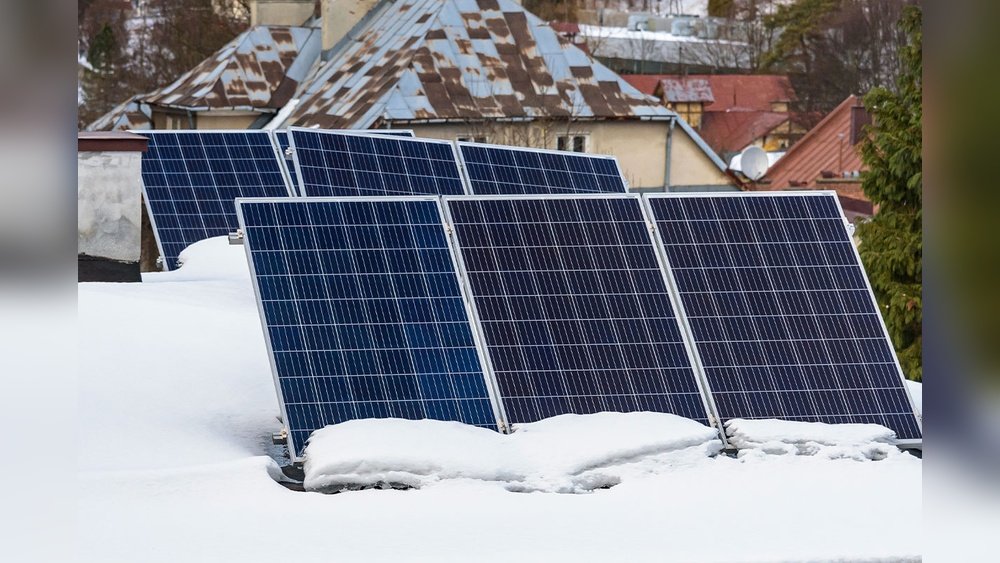
Yes, solar panels do work in the rain, but not at their full power. They still produce electricity, just less than on sunny days. The amount of energy depends on how thick the clouds are and how heavy the rain is. On a rainy day, you might get 10% to 25% of your usual solar output. It’s not zero, but it’s not full power either.
But there’s more to the story. Rain can actually help your panels work better over time by keeping them clean. Let’s break it down.
Why Solar Panels Still Work When It Rains
Solar panels use light—not heat—to make electricity. Even when it’s raining, some sunlight gets through the clouds. This is called diffused light. It’s weaker than direct sunlight, but it’s enough for your panels to keep generating power.
Here’s how it works:
- Sunlight passes through clouds, but it’s spread out and softer.
- Panels catch this light and turn it into electricity, just like on sunny days.
- The output drops, but it doesn’t stop.
Example
If your system produces 1000 watts on a sunny day, you might see only 100 to 250 watts during heavy rain. It’s similar to wearing sunglasses—light is dimmer, but you can still see.
How Much Power Do You Lose During Rain?
The drop in power depends on several factors:
- Cloud thickness: Thick, dark clouds block more sunlight.
- Rain intensity: Heavy rain means less light reaches the panels.
- Panel angle: Tilted panels may catch more light than flat ones.
- Time of day: Noon is still brighter than early morning or late afternoon.
Here’s a simple comparison:
| Weather | Estimated Output | Notes |
|---|---|---|
| Clear, Sunny | 100% | Maximum production |
| Partly Cloudy | 60%-80% | Some clouds reduce sunlight |
| Light Rain | 20%-40% | More diffused light |
| Heavy Rain/Storm | 10%-25% | Lowest output |
Tip: The numbers above are averages. Your results may be higher or lower based on your location and panel quality.
Are Solar Panels Damaged By Rain?
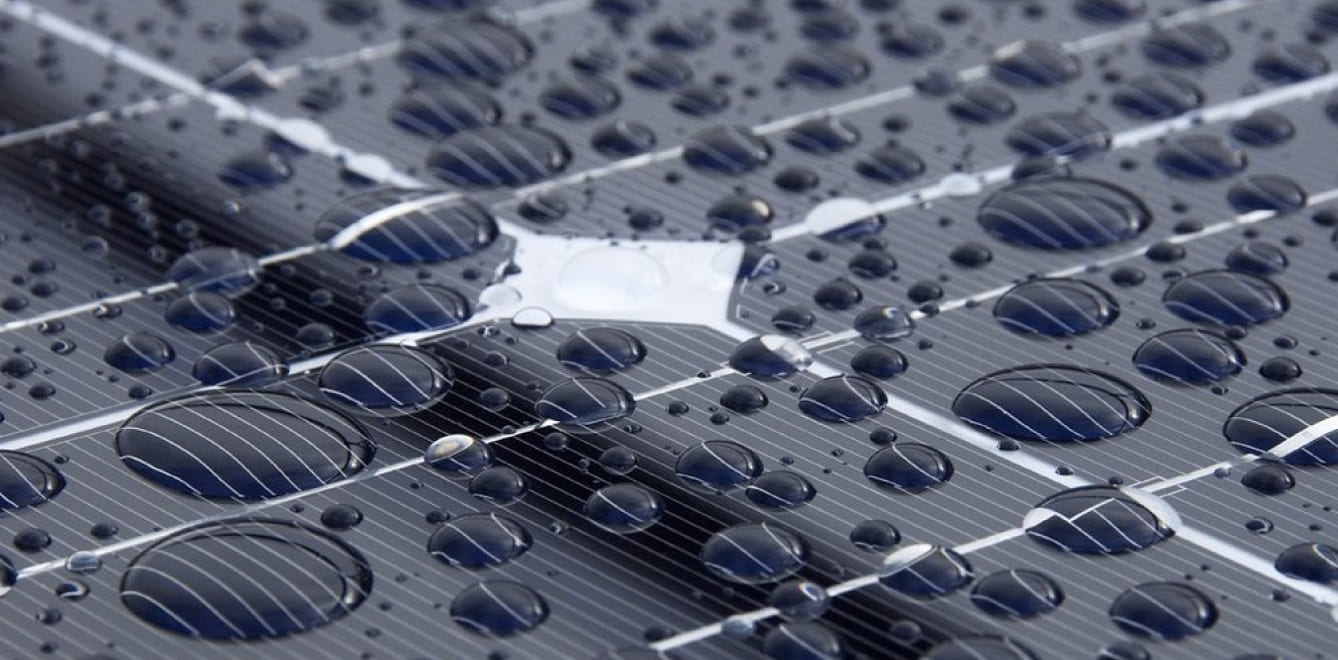
This is a common worry, but you can relax. Quality solar panels are built to handle rain, wind, and even hail. They are sealed and waterproof. In fact, most solar panels are tested for storms and harsh weather.
What To Watch For
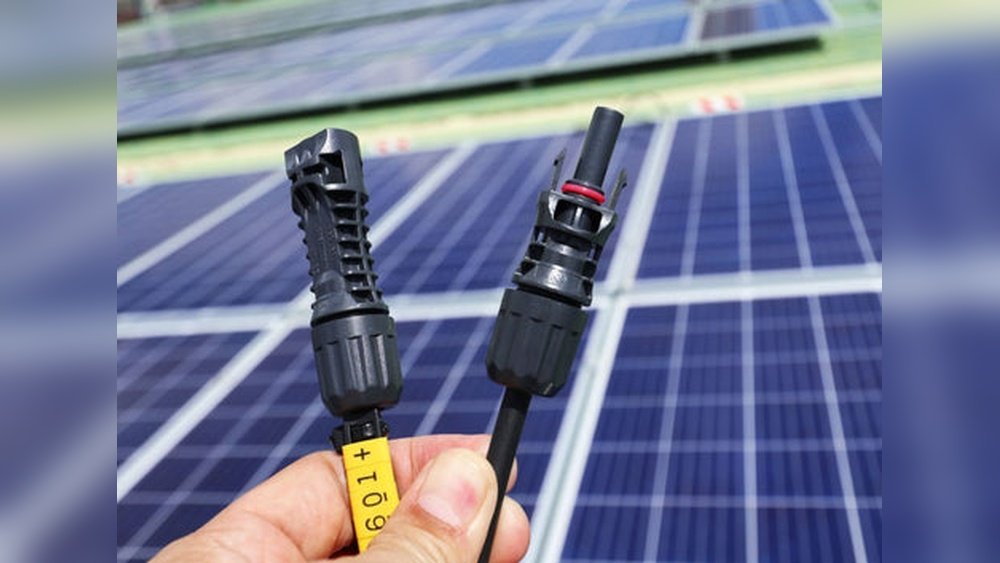
- Wiring and connectors: These should also be waterproof. Poor installation can cause leaks or short circuits.
- Mounting: Make sure the panels are mounted securely. Strong winds during storms can be a problem if they’re loose.
Non-obvious insight: Rain can actually extend the life of your solar panels by washing away dust, bird droppings, and leaves. Dirty panels can lose up to 20% of their output—so rain is like a free cleaning service.
How Rain Affects Your Energy Bills
If you live in a place with long rainy seasons, you might worry about high power bills. Here’s what usually happens:
- Most solar systems are connected to the grid. On rainy days, you use more grid power and less solar power.
- Net metering can help. Extra energy made on sunny days can be “banked” and used as credits during rainy periods.
- Off-grid systems need batteries. If you don’t have enough stored energy, you might run out during long storms.
Here’s how a grid-tied system typically works:
| Situation | What Happens |
|---|---|
| Sunny Days | Panels make extra power. Surplus goes to grid as credits. |
| Rainy Days | Panels make less. You use credits or buy from grid. |
| Yearly Bill | Credits and power used balance out. Rainy days alone don’t cause huge bills if your system is sized right. |
Non-obvious insight: Many people focus on daily ups and downs. But solar power is all about the yearly average. Even if you have many rainy days, a well-planned system can still cover most of your needs.
Surprising Benefits Of Rain For Solar Panels
Rain isn’t all bad news for solar power. In fact, it helps your panels in ways you might not expect.
Natural Cleaning
Rain washes away dirt and debris that can block sunlight. Clean panels make more power. In dry areas, people sometimes pay for professional cleaning. If you get regular rain, nature does the work for free.
Cooler Temperatures
Solar panels work better when they’re cool. Rain lowers the temperature of the panels, which can increase their efficiency. On a hot sunny day, panels can lose some output because they get too warm.
Less Maintenance
Because rain cleans your panels, you need less manual cleaning. This saves time and money.
How To Maximize Solar Power In Rainy Climates
If you live in a place with many rainy days, you can still get good results from solar—if you plan well.
Tips For Better Performance
- Choose high-efficiency panels. They make more power even in low light.
- Install at the right angle. A tilt helps water run off and gives you more sunlight.
- Keep trees trimmed. Shade plus clouds means very low output.
- Consider a battery backup. This helps during storms or at night.
- Check local solar maps. Some places with lots of rain still get enough yearly sun.
Example: Seattle Vs. Los Angeles
Seattle is famous for its rain, but many homes there use solar panels. Why? Because even with many rainy days, the total yearly sunlight is enough to make solar worth it.
Here’s a quick comparison:
| City | Rainy Days/Year | Annual Sunlight (kWh/m2) |
|---|---|---|
| Seattle | 150 | 950 |
| Los Angeles | 35 | 1800 |
Seattle gets less sunlight, but solar panels still work. The key is proper system sizing and realistic expectations.
Common Myths About Solar Panels And Rain
Let’s clear up some common mistakes and myths:
- Myth 1: Solar panels stop working in the rain.
- Truth: They keep working, just at lower output.
- Myth 2: Rain will damage my panels.
- Truth: Good panels are waterproof and tested for storms.
- Myth 3: Rainy places can’t use solar.
- Truth: Even rainy cities can benefit from solar energy.
- Myth 4: You need to clean panels after every rain.
- Truth: Most of the time, rain does the cleaning for you.
- Myth 5: Solar isn’t worth it if it rains sometimes.
- Truth: It’s the yearly average that matters, not just rainy days.

Credit: blog.solarclue.com
What About Extreme Weather?
Heavy rain with wind and hail can be worrying. Here’s what you need to know:
- Hail: Most panels are tested to survive hail up to 1 inch (about 2.5 cm) at high speed.
- Wind: Panels are rated for strong wind if installed well.
- Floods: Panels on roofs are safe from floods, but check the wiring.
If you live in an area with hurricanes or severe storms, talk to your installer about extra safety steps.
Real-world Examples
Many countries with lots of rain use solar power with good results.
- Germany: Cloudy and rainy, yet a world leader in solar energy.
- United Kingdom: Not famous for sun, but solar panels are common.
- Japan: Many regions get heavy rain, but solar is growing fast.
These examples show that solar panels work in the rain, as long as you plan for local weather.
Credit: ppm.solar
How To Check Your Solar Output On Rainy Days
Most modern solar systems have a monitoring app or display. You can check daily, weekly, and yearly power output. Watching the numbers on rainy days can help you understand your system better.
Tip: Compare your output on sunny, cloudy, and rainy days. Over a year, you’ll see that rainy days are just a small part of the story.
Should You Worry About Rain If You Want Solar Panels?
For most people, rain isn’t a big problem. The key is to look at the big picture—how much sun your roof gets over a year, not just on the rainiest days. A good installer can show you data for your area and help size your system correctly.
If you’re still unsure, look at how many homes in your city already use solar. If they’re happy with the results, you probably will be too.

Credit: infranergy.us
Frequently Asked Questions
Do Solar Panels Work At Night Or Only During The Day?
Solar panels only make power during the day. At night, there is no sunlight, so they don’t work. You use grid electricity or stored battery power at night.
Will Rain Make My Solar Panels Dirty Or Clean?
Rain usually cleans your panels by washing away dust and dirt. But if you live near factories or in a polluted area, sometimes rain can leave spots. A quick rinse now and then is enough.
How Much Less Power Do I Get On A Rainy Day?
You might get 10% to 25% of your usual power on a rainy day. The exact number depends on cloud cover, time of year, and your location.
Can Solar Panels Be Damaged By Storms?
Quality panels are built for rain, wind, and hail. Make sure your installer uses certified panels and proper mounting. Ask about warranties for peace of mind.
Is Solar Power Still Worth It If I Live Somewhere Rainy?
Yes, solar can still be a smart choice in rainy places. What matters is your yearly sunlight average. Even in cloudy countries like Germany or the UK, solar is popular and cost-effective. Check local data or ask your installer for advice.
If you want more technical details, you can read about solar panels and weather from the U.S. Department of Energy.
—
Rain doesn’t ruin solar panels—in fact, it sometimes helps. Whether you live in a sunny or rainy place, understanding how your solar system works lets you get the most value. With the right setup and expectations, solar power can brighten even the rainiest day.