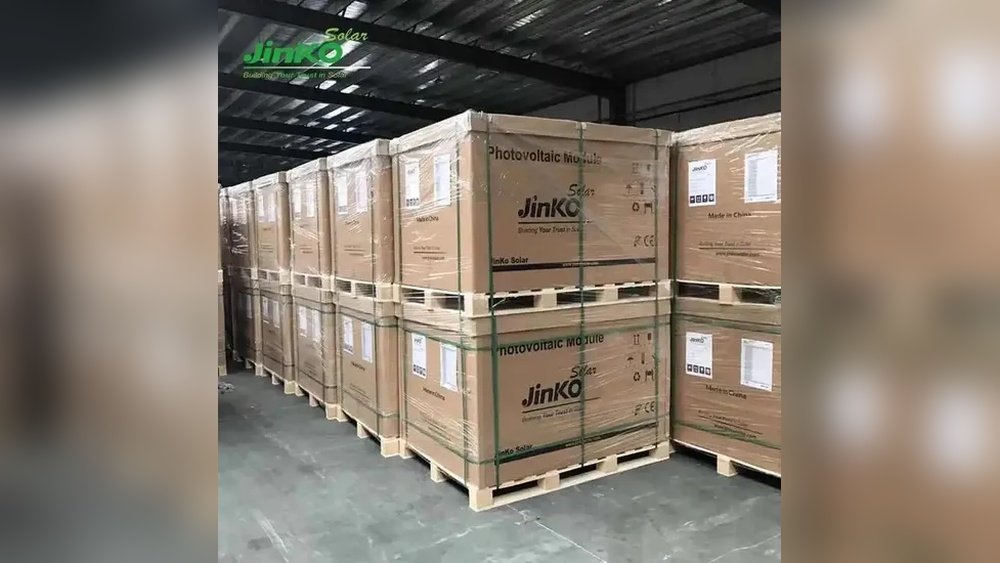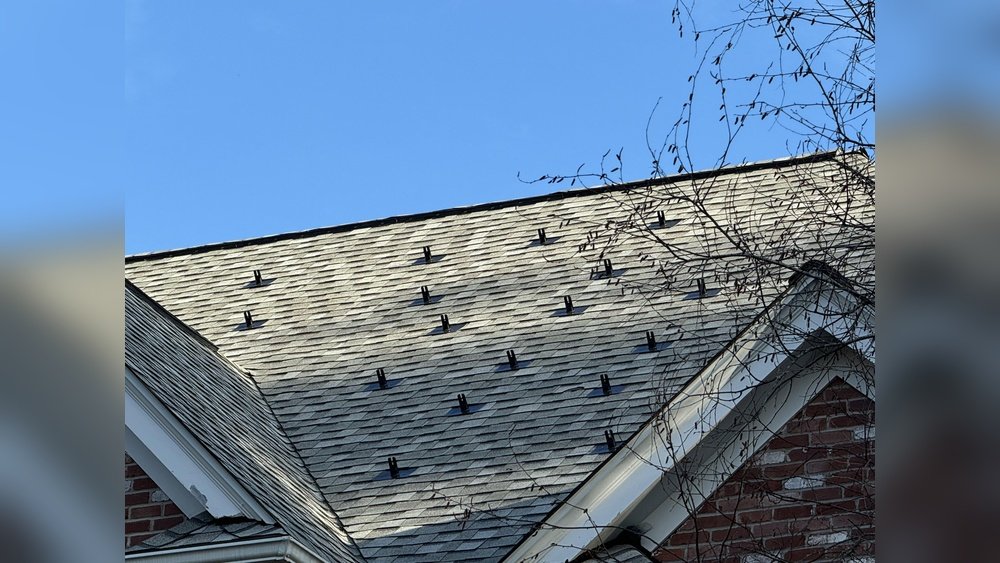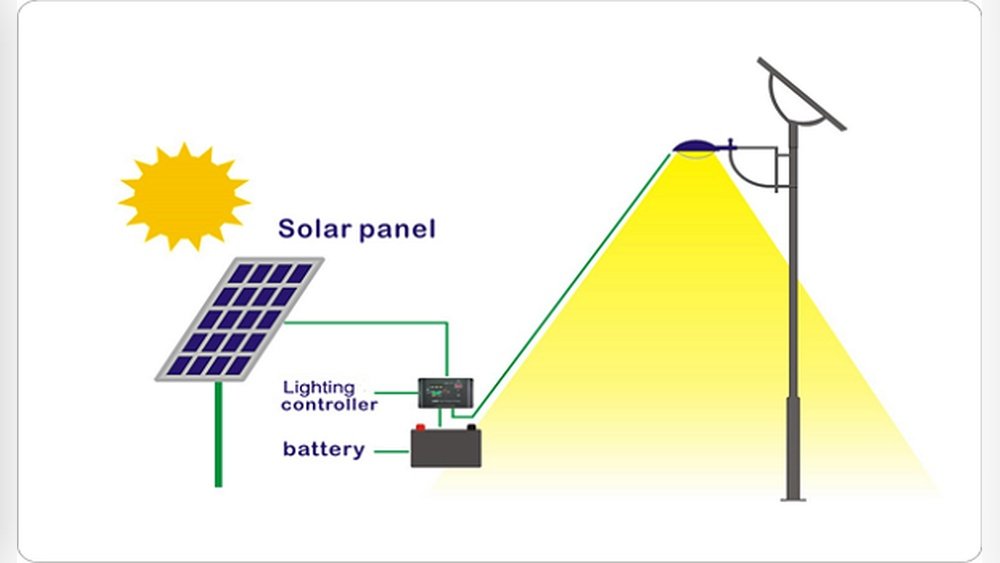

Ever wondered if your solar panels are still working when the sky is cloudy, or after days of rain? Maybe you’re worried your investment will go to waste during a long winter, or you just want to know if you can rely on solar power when the sun disappears. You’re not alone. Many people think solar panels stop working the moment the sun hides, or that they might get damaged if left unused. Let’s clear up these doubts so you can feel confident about your solar setup—no matter what the weather throws at you.
Short Answer: How Long Can Solar Panels Last Without Sun?
Solar panels can last for decades without direct sunlight, but they won’t produce power during those periods. Their lifespan isn’t affected by temporary lack of sun; instead, it depends on the quality of the panels, environment, and maintenance. Even if your panels sit in the shade for months, they’ll still be ready to generate electricity as soon as sunlight returns.
Now, let’s explore why this is the case, how solar panels behave in low-light or no-light conditions, and what you really need to know for long-term reliability.
What Happens To Solar Panels When There’s No Sun?
When there’s no sunlight—at night, during storms, or on cloudy days—solar panels stop producing electricity. They don’t store power themselves; instead, their job is to convert sunlight into energy. If sunlight is missing, the panels simply wait.
But here’s the important part: solar panels aren’t harmed by lack of sun. They’re designed to handle all kinds of weather, including darkness. Your panels can sit unused for weeks or months and still work perfectly when the sun comes back.
Common Misunderstandings
- Solar panels need daily sun to survive.
- Not true. Panels don’t “wear out” if they don’t get sunlight.
- Panels break down in long periods of shade.
- Also false. The main risks are weather, not the absence of light.
Real-life Example
In places like Seattle, winter brings weeks of clouds and rain. Panels may barely produce energy, but they don’t degrade faster. When summer arrives, they work just as well as before.
How Solar Panels Generate And Store Power
Solar panels only generate power from direct sunlight or indirect light (like cloudy days). They don’t have batteries built in. If you want to use solar power at night, you’ll need a separate battery system.
Day Vs Night: What’s The Difference?
During the day, panels create electricity. At night, they’re inactive.
Here’s a quick comparison:
| Condition | Solar Panel Activity | Energy Produced |
|---|---|---|
| Sunny Day | Active | High |
| Cloudy Day | Active (less efficient) | Low to Moderate |
| Night | Inactive | None |
| Extended Shade | Inactive or low output | Minimal to None |
Storing Solar Energy
If you want to keep using solar energy when there’s no sun, you need solar batteries. These batteries store extra power produced during sunny hours and release it at night or on cloudy days.
How Long Can Panels Go Without Sun Before Losing Efficiency?
Solar panels are not like batteries—they don’t “drain” over time if unused. The materials inside are stable and durable. Here’s what really matters:
- Quality panels (like monocrystalline or polycrystalline types) last 25–30 years.
- No sunlight won’t shorten their life.
- Weather exposure (hail, snow, heat) can affect durability, but not darkness.
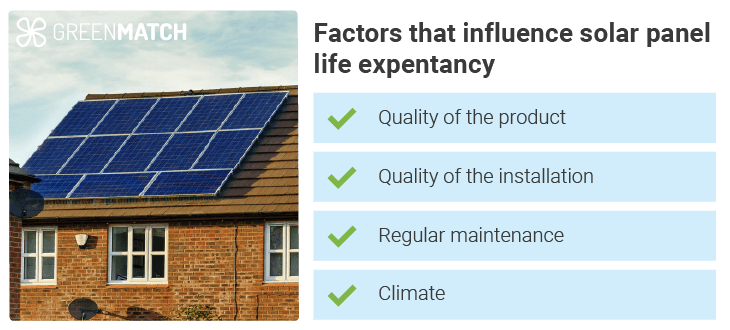
Key Factors Affecting Panel Longevity
- Panel Quality
- High-quality panels resist wear and tear.
- Installation Environment
- Panels on rooftops face harsh weather; ground-mounted ones may be safer.
- Maintenance
- Clean panels last longer, even if unused.
Data: Typical Solar Panel Lifespan
| Panel Type | Expected Lifespan (Years) | Effect of No Sunlight |
|---|---|---|
| Monocrystalline | 25–30 | No impact |
| Polycrystalline | 20–25 | No impact |
| Thin Film | 10–20 | No impact |
What Happens During Extended Periods Without Sun?
If your area has weeks or months of darkness (like polar winters in Alaska), your panels simply “pause.” When the sun returns, they start producing power again. There are a few things to watch for:
- Dust and debris can build up when panels are idle.
- Moisture may collect, especially in humid places.
- Animals or insects might nest under panels if left alone.
But none of these problems are caused by the lack of sunlight itself.
Example: Solar Panels In Northern Norway
Parts of Norway have months without sun during winter. Residents rely on other power sources or stored solar energy. When spring comes, solar panels work just as well as before, with no loss in efficiency.
Can Solar Panels Survive In Total Darkness?
Solar panels are built to last in harsh conditions. Even if they’re covered, shaded, or unused, they don’t lose their ability to generate power.
What About Indoor Storage?
Some people store unused panels indoors. As long as the panels are protected from physical damage, they can sit for years and still work when installed outside.
Real-world Use Cases
- Remote cabins may use solar panels only during summer months.
- Disaster relief kits often contain panels that sit unused for long periods.
- Vacation homes with solar setups may only use them part of the year.
Credit: www.solarreviews.com
Common Mistakes And Misconceptions
Many beginners make these mistakes when thinking about solar panels without sun:
- Assuming panels degrade in darkness.
- Not cleaning panels during idle months.
- Letting debris or snow sit for too long.
- Worrying about “restoring” panels after downtime.
Truth is, solar panels are passive devices. They don’t need sunlight to “stay alive,” and they don’t require special care during periods without sun, except for basic cleaning.
Maintenance Tips For Panels In Low-sun Conditions
Even when your panels aren’t producing power, maintenance matters.
- Clean panels regularly. Dust and leaves can collect, especially if there’s no rain to wash them off.
- Check for physical damage. Look for cracks, broken glass, or loose mounting hardware.
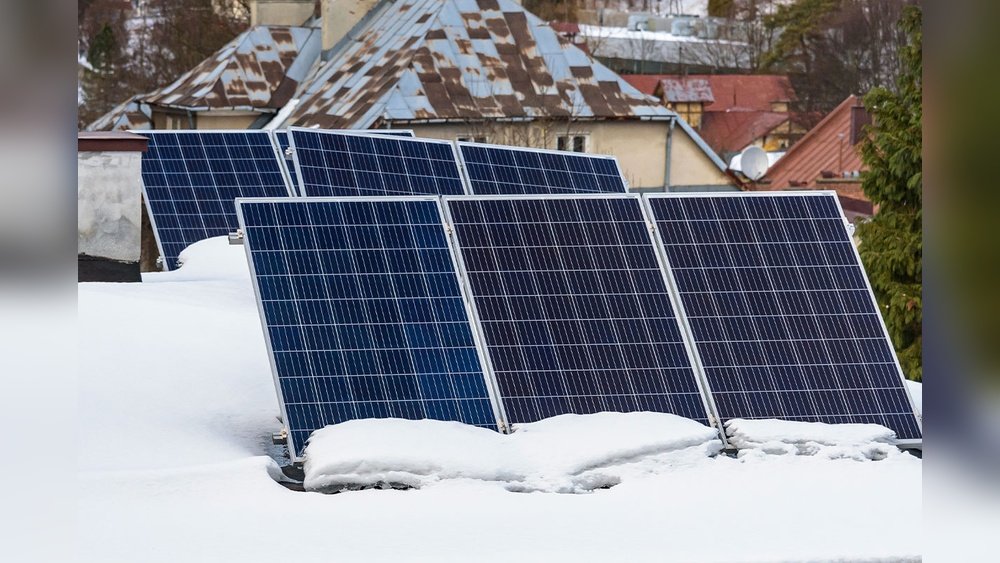
- Clear snow and ice. Heavy buildup can stress the panel structure.
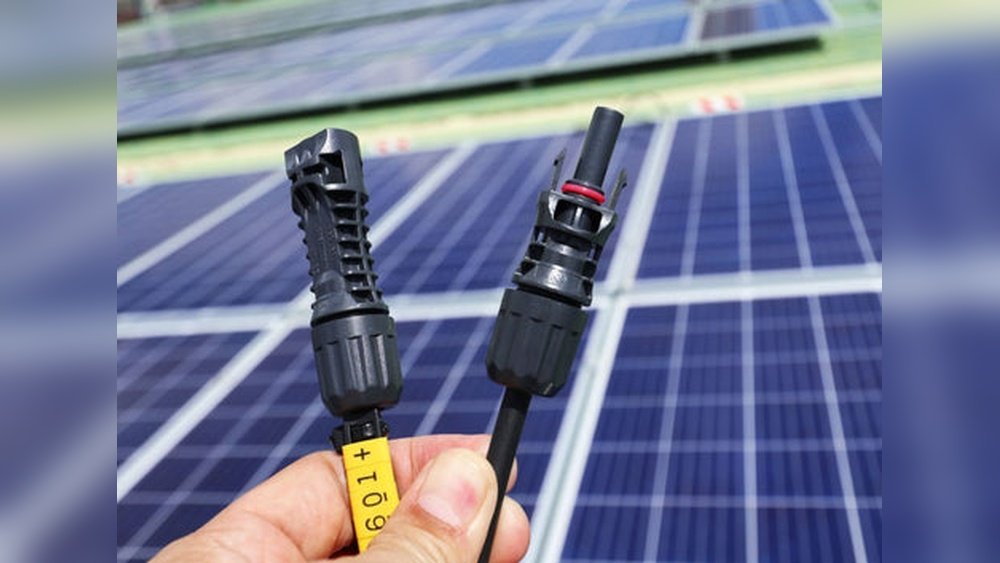
- Inspect wiring. Animals might chew through cables when panels aren’t active.
Practical Advice
If you know your panels will be unused for months:
- Cover them with protective sheets (not airtight—moisture needs to escape).
- Schedule a maintenance check before and after the idle period.
Solar Panel Degradation: The Real Story
Solar panels do slowly lose efficiency over time, but this is caused by exposure to UV light, weather, and temperature swings—not by darkness. Most panels lose about 0.5%–1% efficiency per year.
What Causes Degradation?
- Sunlight exposure: UV rays break down panel materials slowly.
- Weather: Rain, hail, heat, and snow are tougher on panels than darkness.
- Mechanical stress: Wind and vibration can affect mounting systems.
How To Minimize Degradation
- Choose panels rated for your climate.
- Use proper mounting and wiring.
- Clean and inspect regularly.
Solar Power Systems: Batteries And Inverters
Panels alone won’t keep your home running in the dark. You need a battery system and inverter to store and use energy when the sun isn’t shining.
Types Of Storage Systems
- Lead-acid batteries
- Cheap, but heavy and less efficient.
- Lithium-ion batteries
- Expensive, but lightweight and long-lasting.
- Flow batteries
- Good for large systems, very durable.
How Long Can Solar Batteries Last Without Sun?
Batteries are separate from panels. They can hold a charge for days or weeks, depending on:
- Battery size
- Usage
- Temperature
But without new solar energy, batteries eventually run out.
Data: Typical Battery Storage Time
| Battery Type | Max Storage Time (Days) | Ideal Use Case |
|---|---|---|
| Lead-acid | 2–5 | Small homes, backup |
| Lithium-ion | 7–14 | Large homes, long outages |
| Flow battery | 14+ | Commercial, off-grid |
Solar Panel Performance In Low-light Conditions
Panels don’t need full sun to work—they can generate electricity from diffuse light on cloudy days, though at lower efficiency.
- Cloudy days: Panels produce 10–25% of their rated power.
- Rainy days: Output drops even more.
- Shade: Almost zero output, unless panels are designed for partial shade.
Insight: Bifacial Solar Panels
Bifacial panels can capture light from both sides, making them more efficient in low-light or reflected light conditions.
Comparing Solar Panel Longevity: Sun Vs No Sun
Let’s compare how panels behave in sunny vs shady environments:
| Environment | Panel Lifespan | Efficiency | Degradation Rate |
|---|---|---|---|
| Sunny (direct light) | 25–30 years | High | 0.5–1%/year |
| Cloudy (diffuse light) | 25–30 years | Low to Moderate | 0.5–1%/year |
| No Sun (complete darkness) | 25–30 years | None | 0.5–1%/year (paused) |
Panels don’t “age” faster in darkness. Most degradation happens during sun exposure.
What To Expect After Long Periods Without Sun
After weeks or months in darkness, your panels will:
- Start producing power instantly when sunlight returns.
- Show no signs of reduced efficiency (unless physically damaged).
- Need a quick cleaning to remove dust or debris.
Insight: Seasonal Solar Use
In places with harsh winters, some people only use solar panels in summer. Panels can “rest” all winter, then work at full capacity when installed again.
How To Protect Your Panels During Idle Times
To keep panels safe and ready for action:
- Inspect mounts and wiring before and after the idle period.
- Clear away leaves, bird droppings, or snow regularly.
- Cover panels if there’s risk of physical damage (like hail).
Solar Panel Warranty And Guarantee
Most manufacturers offer 25-year warranties. These warranties cover defects, not loss of efficiency from darkness. If your panels stop working after a period without sun, check for physical damage—not sunlight absence.
Non-obvious Insights Most People Miss
- Panels degrade more from sun than from darkness. The sun’s UV rays are the main cause of wear, not shade or idle time.
- Long periods without sun can help panels “pause” degradation. While the panels aren’t producing, they aren’t exposed to damaging UV rays. This can slightly slow their aging compared to panels in constant sunlight.
Credit: www.greenmatch.co.uk
Practical Advice For Homeowners
If you live in a place with long winters or frequent storms:
- Don’t worry about your panels sitting idle. They’ll be fine.
- Clean and inspect after harsh weather or long periods without sun.
- Use batteries for backup if you need power during dark times.
If you travel often or have a vacation home:
- Panels can sit unused for months and still work well when you return.
- Cover or store them indoors if you’re worried about physical damage.
When Should You Replace Solar Panels?
Panels last 25–30 years. Replace them if:
- Efficiency drops below acceptable levels (usually after decades).
- Physical damage is severe.
- Manufacturer warranty expires and panels fail.

Credit: thegadgetflow.com
Environmental Impact Of Idle Panels
Panels that sit unused don’t cause harm. They don’t release chemicals or degrade faster in darkness. In fact, the environmental footprint is mainly during manufacturing, not during idle time.
Frequently Asked Questions
How Long Can Solar Panels Sit Unused And Still Work?
Solar panels can sit unused for years and still function when sunlight returns. As long as they’re not physically damaged, they’ll produce power again without any extra steps.
Do Solar Panels Get Damaged By Darkness Or Shade?
No, solar panels are not harmed by darkness. Their materials are stable, and only physical damage or extreme weather can affect them.
Will Panels Lose Efficiency If Not Used For Months?
Panels don’t lose efficiency from being idle. Their performance depends on age, quality, and physical condition—not periods without sun.
Can I Store Solar Panels Indoors For A Long Time?
Yes, you can store panels indoors for years. Make sure they’re kept dry, safe from impacts, and away from moisture or chemicals.
How Do I Restart My Solar Panels After Months Of Darkness?
Just clean the panels, check for visible damage, and reconnect them to your system. They’ll start producing power automatically when the sun returns.
Final Thoughts
If you’re worried your solar panels will break or lose value during cloudy seasons, long winters, or travel, relax. They’re built for decades of use and can sit in darkness without harm. The key is to keep them clean and check for damage—sunlight isn’t needed for their survival. When the sun comes back, your panels will deliver power as usual, making solar energy a reliable choice for any climate. For more technical details and industry standards, you can explore US Department of Energy. Solar panels are a long-term investment—don’t let myths about “no sun” periods stop you from enjoying their benefits.