
Ever wondered why your solar panels aren’t giving you the power you expected? Maybe you check your energy bill and see it’s higher than you hoped. Or you look at your panels and wonder, “Is something wrong?” This is a common frustration. You invest in solar energy to save money, but sometimes the results don’t match what you read online.
Here’s the good news: most people can increase their solar panel efficiency without buying new panels. Often, simple actions make a big difference. Whether you’re a homeowner, a business owner, or just curious, you’ll find practical steps here to boost your system’s output. Let’s cut through confusion and get straight to what works.
Short Answer: How To Increase Solar Panel Efficiency
To quickly improve your solar panel efficiency:
- Keep panels clean — dust and dirt block sunlight.
- Check for shade — even small shadows reduce output.
- Angle panels correctly — point them toward the sun.
- Inspect connections — loose wires waste energy.
- Use high-quality inverters — they turn more sunlight into usable power.
Now, let’s dive deeper. You’ll learn exactly how each step works, why it matters, and discover some overlooked tricks that most beginners miss.
Understanding Solar Panel Efficiency
Solar panel efficiency means how well panels turn sunlight into electricity. If a panel has 20% efficiency, only 20% of the sunlight hitting it becomes power. The rest is lost. Higher efficiency means more electricity from the same amount of sunlight.
Most panels today offer 15% to 22% efficiency. This might sound low, but it’s normal. Even small improvements can save you hundreds of dollars over time. Efficiency depends on:
- Panel quality
- Sunlight angle
- Weather
- Dirt or shade
- Electrical losses
Let’s explore the key factors affecting your setup.
The Most Common Efficiency Killers
Dirt And Debris
Dust, pollen, bird droppings, and leaves can cover your panels. Even a thin layer blocks sunlight. Studies show dirty panels lose up to 25% efficiency. Cleaning is the easiest fix.
Shade
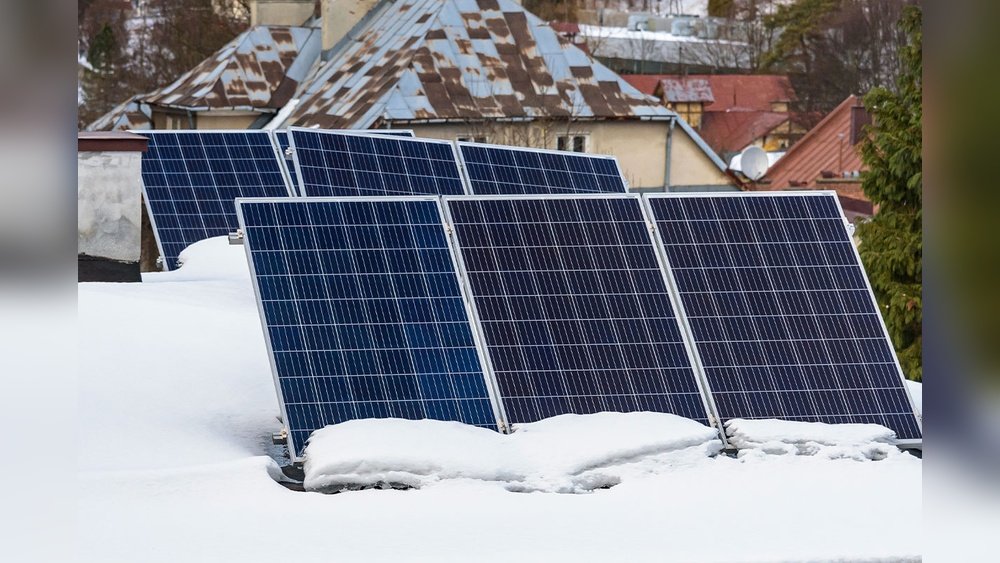
A single tree branch or antenna casting a shadow can drop output fast. Panels are wired in groups. If one panel is shaded, it can hurt the whole group. This is called the “Christmas light effect. ”
Wrong Angle
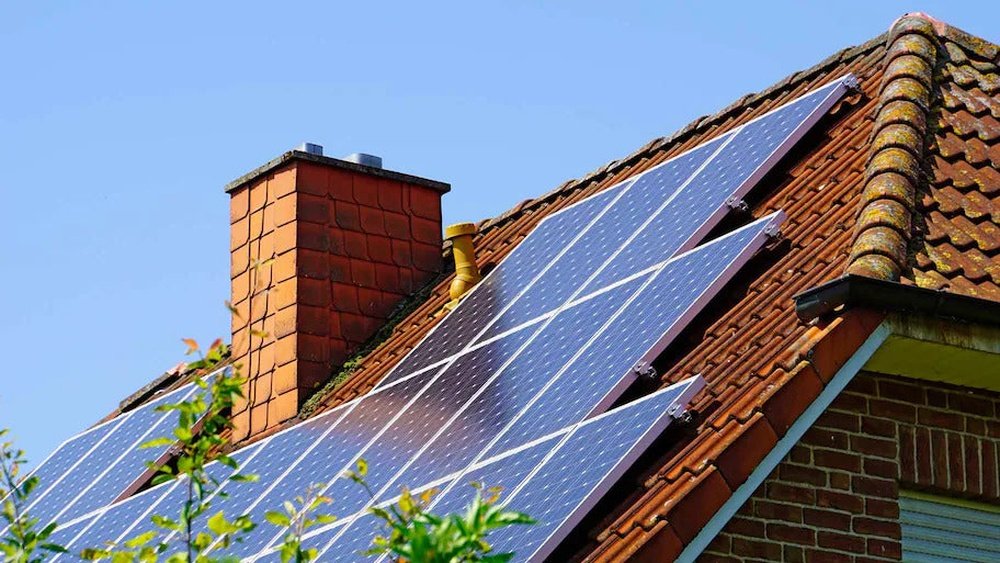
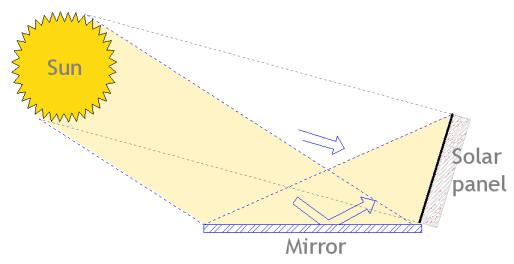
Panels work best when facing the sun directly. If they’re flat or tilted wrong, you lose power. The ideal tilt depends on your location.
Poor Wiring
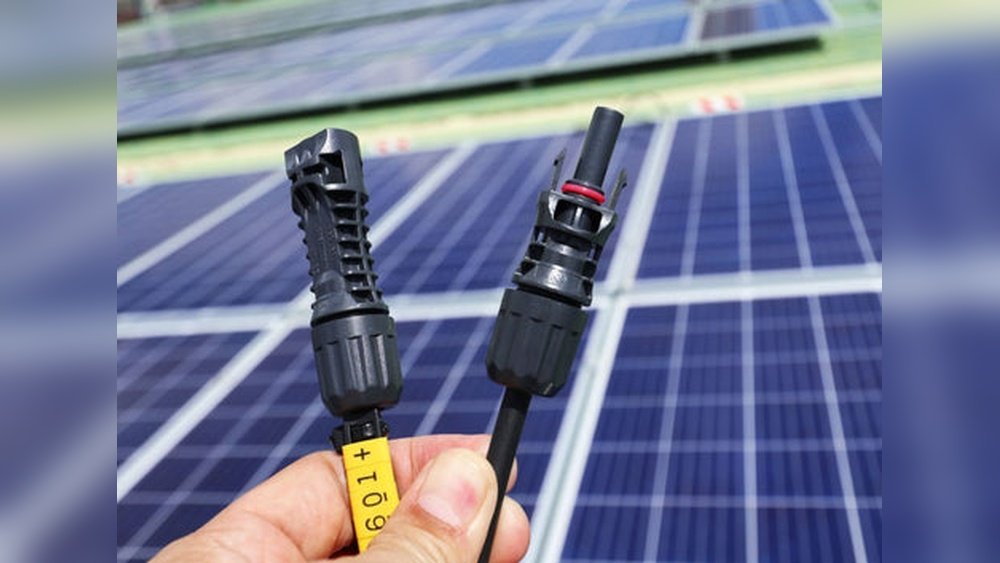
Loose wires, old connectors, or bad soldering waste energy. Electricity escapes as heat. Poor wiring is common, especially in older systems.
Bad Inverter
Solar panels produce DC power. Homes use AC power. Inverters change DC to AC. Cheap inverters waste energy. Good inverters can boost efficiency by 3–5%.
Temperature
Panels work better when cool. Hot panels lose efficiency. Every degree above 77°F (25°C) drops output a little.
Here’s a quick comparison of how these factors impact efficiency:
| Factor | Efficiency Loss | How to Fix |
|---|---|---|
| Dirt | 5–25% | Regular cleaning |
| Shade | 10–100% (per panel) | Remove obstacles |
| Wrong Angle | 5–20% | Adjust tilt |
| Poor Wiring | Up to 10% | Check connections |
| Bad Inverter | 3–5% | Upgrade inverter |
| High Temperature | 2–10% | Ventilation, spacing |
Cleaning Your Solar Panels: Simple But Powerful
Most people forget this step. But clean panels are efficient panels.
- Check panels every month. Look for dust, leaves, bird droppings.
- Use soft water and a sponge. Hard brushes scratch the glass.
- Clean early morning or evening. Avoid hot surfaces.
- Dry panels with a soft cloth to prevent water spots.
- Don’t use soap unless panels are greasy. Soap can leave residue.
If you live near a busy road, factories, or trees, clean more often. In dry areas, dust collects quickly. Rain helps, but doesn’t wash off sticky dirt.
Non-obvious tip: Don’t clean with pressure washers. High pressure can damage seals and frames.
Credit: geo-dome.co.uk
Avoiding Shade And Obstacles
Shade is a silent killer of efficiency. Even a small shadow can reduce the output of the whole panel string.
- Trim trees regularly.
- Move antennas, satellite dishes, or roof vents if possible.
- Watch out for new buildings or growing trees nearby.
Non-obvious insight: Panels wired in series (one after another) are more sensitive to shade than panels wired in parallel. If possible, ask your installer to wire panels in parallel for better performance.
Optimizing Panel Angle And Position
Panel angle matters more than most people think. The sun changes position through the year. If panels are fixed, they might be perfect in summer but wrong in winter.
How To Find The Best Angle
The best tilt angle is usually equal to your latitude. For example, in Los Angeles (34° latitude), tilt panels at 34°. If you want maximum winter output, add 10–15°. For summer, subtract 10–15°.
- Use adjustable mounting brackets if possible.
- If your roof is flat, consider angled racks.
- Point panels south in the Northern Hemisphere, north in the Southern Hemisphere.
Here’s a quick guide for US cities:
| City | Latitude | Recommended Tilt |
|---|---|---|
| Miami | 25° | 25° |
| Denver | 39° | 39° |
| Seattle | 47° | 47° |
| Phoenix | 33° | 33° |
Practical tip: If you can adjust the tilt twice a year, set for summer and winter. This boosts output by 5–10%.
Upgrading Inverters And Electrical Components
A solar inverter is like the heart of your system. It turns DC power from panels into AC power for your home. Old or cheap inverters waste energy. New microinverters or power optimizers increase efficiency, especially if some panels get shade.
- Replace old inverters every 10–15 years.
- Use microinverters for systems with partial shade.
- Check wiring for corrosion or loose connections.
Microinverters let each panel work independently. If one panel is shaded, the others don’t lose output.
Non-obvious insight: Even small wiring upgrades (like thicker cables) can reduce energy loss, especially for long cable runs.
Managing Temperature And Cooling
Solar panels like cool weather. Hot panels lose efficiency. The effect is called temperature coefficient. For most panels, every degree above 77°F (25°C) drops efficiency by 0.3–0.5%.
- Leave space under panels for airflow.
- Avoid installing panels directly on hot surfaces (like metal roofs).
- Consider lighter-colored roofs to reflect heat.
If you’re in a hot climate, choose panels with a low temperature coefficient.
Example: Panel A: -0.3% per °C, Panel B: -0.5% per °C. Panel A keeps more efficiency on hot days.
Choosing High-efficiency Panels
Not all panels are equal. Some brands and models offer higher efficiency.
Types Of Panels
- Monocrystalline: Highest efficiency (18–22%), best for small roofs.
- Polycrystalline: Medium efficiency (15–17%), cheaper.
- Thin-film: Lowest efficiency (10–12%), flexible but not as powerful.
If you have limited roof space, choose monocrystalline panels. They cost more but produce more power per square foot.
Here’s a comparison:
| Type | Efficiency | Cost (per watt) | Durability |
|---|---|---|---|
| Monocrystalline | 18–22% | $0.80–$1.00 | High |
| Polycrystalline | 15–17% | $0.70–$0.90 | Medium |
| Thin-film | 10–12% | $0.50–$0.70 | Low |
Practical tip: Don’t just look at efficiency numbers. Check warranty, certifications, and reviews. High-efficiency panels are best if you have limited space, but may not pay off if you have plenty of roof area.
Monitoring And Maintenance: The Secret Sauce
One of the biggest mistakes is “set it and forget it. ” Solar panels need regular checks.
- Monitor daily output. Many systems offer apps or web dashboards.
- Set alerts for sudden drops in power.
- Inspect panels every few months for cracks or discoloration.
- Check inverter display for errors.
If you notice a drop in performance, act fast. Sometimes, a small fix (like tightening a wire) restores full power.
Non-obvious insight: Monitoring systems help you spot problems quickly. If you don’t have one, consider installing a simple energy meter.

Credit: www.wikihow.life
Smart Technology For Higher Efficiency
Modern solar systems use smart technology to squeeze out more power.
- Power optimizers: Attach to each panel, boost output, reduce losses from shade.
- Microinverters: Convert power at panel level, improve performance in mixed conditions.
- Solar tracking mounts: Move panels to follow the sun, increase output by 15–25%. More expensive, but useful for ground-mounted arrays.
Smart tech is not always necessary for small home systems. But for larger setups or places with partial shade, it can make a big difference.
Using Batteries And Energy Storage Wisely
Adding batteries doesn’t directly increase panel efficiency, but it helps you use more of your generated power. If your panels produce extra power during the day, batteries store it for evening use.
- Choose batteries with high round-trip efficiency (90%+).
- Use a smart charge controller to avoid wasting energy.
- Check battery health regularly.
Practical tip: If your utility offers net metering, you may not need batteries. But in areas with frequent outages or high evening rates, batteries help maximize solar benefits.
Weather And Seasonal Adjustments
Sunlight changes with seasons. Panels produce more in summer, less in winter. Cloudy days and rain reduce output.
- Clean panels after storms (debris can block sunlight).
- Adjust tilt if possible for winter and summer.
- Track monthly output and compare year to year.
Example: A system in New York might produce 50% more power in July than in January. This is normal.
Reducing System Losses: Small Tweaks, Big Gains
Besides cleaning and wiring, other tweaks help:
- Use anti-reflective coatings on panels to capture more sunlight.
- Avoid mixing old and new panels in the same string.
- Check for “hot spots” (areas of panel overheating) with an infrared camera. Hot spots reduce lifespan and efficiency.
The Role Of Professional Maintenance
DIY is good for basic tasks. But every 2–3 years, hire a professional:
- Full system inspection
- Electrical tests
- Panel cleaning (including hard-to-reach spots)
- Warranty checks
Professionals spot hidden issues, like micro-cracks or faulty connectors, that you might miss.
Non-obvious tip: Ask for a performance report. It tells you if your panels are working as expected, and shows trends over time.
Quick Checklist: Boosting Your Solar Panel Efficiency
To summarize, here’s a simple checklist you can follow:
- Clean panels regularly (at least every 3 months)
- Remove shade or obstacles
- Adjust panel tilt for your location
- Upgrade inverter if it’s old or inefficient
- Check wiring for corrosion or looseness
- Monitor daily output, look for drops
- Use power optimizers or microinverters if needed
- Choose high-efficiency panels for small roofs
- Keep panels cool with proper ventilation
- Get professional maintenance every 2–3 years
What Beginners Often Miss
Many new users focus only on the panels themselves. But:
- Inverter quality and wiring make a big difference.
- Panels need cleaning even in “clean” areas; pollen and air pollution matter.
- Monitoring your system helps catch small problems before they become expensive.
Small changes add up. If you ignore these details, you might lose 20–30% of your potential power.
Real-world Example: How One Home Improved Efficiency
Let’s look at Jane’s situation. She installed 10 panels in Dallas. After one year, her output dropped by 18%. She tried cleaning, but saw little change. Then, she found:
- One panel was shaded by a new chimney.
- Her inverter was 12 years old.
- Several wires were loose.
After trimming the shade, upgrading her inverter, and fixing the wires, her output went up by 22%. The fixes cost less than $1,000 and paid off in two years.
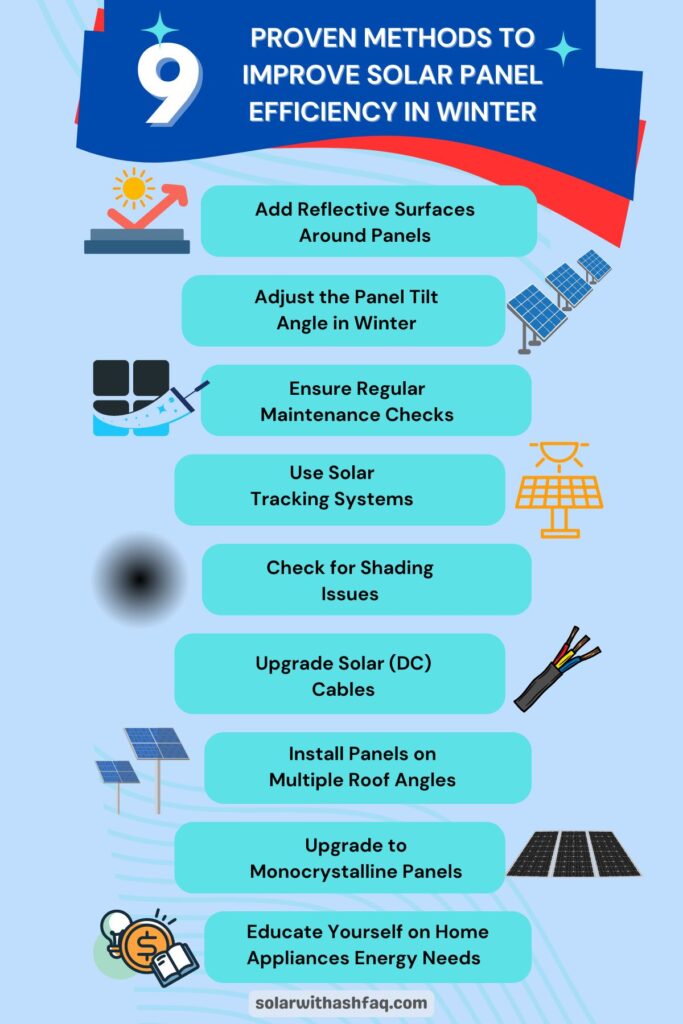
Credit: solarwithashfaq.com
Useful Resources
If you want deeper technical info or want to compare panel types, check this official guide from U.S. Department of Energy.
Frequently Asked Questions
How Often Should I Clean My Solar Panels?
Most panels need cleaning every 3–6 months. If you live near trees, factories, or dusty roads, clean more often. Rain helps, but does not remove sticky dirt or bird droppings.
Can I Increase Efficiency By Adding More Panels?
Adding panels increases total output, but not efficiency. To boost efficiency, improve cleaning, wiring, and inverter quality. More panels only help if you have enough space.
What’s The Best Angle For My Solar Panels?
The best tilt is usually equal to your location’s latitude. Adjust for summer or winter if you want to maximize output during those seasons. For fixed panels, choose the average latitude.
Does Temperature Affect Solar Panel Efficiency?
Yes, high temperatures reduce efficiency. Panels work best below 77°F (25°C). To help, leave space under panels for airflow and choose panels with a low temperature coefficient.
Are High-efficiency Panels Worth The Extra Cost?
If you have limited roof space, high-efficiency panels are a good choice. If you have plenty of space, standard panels may be more cost-effective. Compare price per watt and warranty before buying.
Solar panels are a smart investment, but they need care to reach their full potential. By following these practical steps, you can squeeze more power from your system and enjoy bigger savings year after year. Even small tweaks make a big difference.
Take action today, and your panels will reward you for years to come.