
If you’ve installed solar panels in your Florida home, you probably wondered, “Will my insurance cover them if something goes wrong?” Maybe you’ve heard stories about storms breaking panels, or seen your neighbors worry after a hurricane. The truth is, insurance for solar panels can be confusing. Some companies cover them, some don’t, and the details often feel hidden. Many people end up guessing or hoping their policy includes coverage, but that’s risky. Let’s clear up the confusion and help you make smart decisions—so you don’t get caught by surprise when you need protection.
Short Answer
Most home insurance companies in Florida cover solar panels as part of your dwelling if they are permanently attached to your home. This means damage from wind, fire, or hail is usually included. Some major insurers offering coverage are State Farm, Allstate, Progressive, USAA, and Florida Peninsula. However, coverage details, limits, and exclusions can vary. If your panels are leased or not attached, coverage may be different. Always check your policy and ask your agent directly.
How Solar Panels Are Covered In Florida
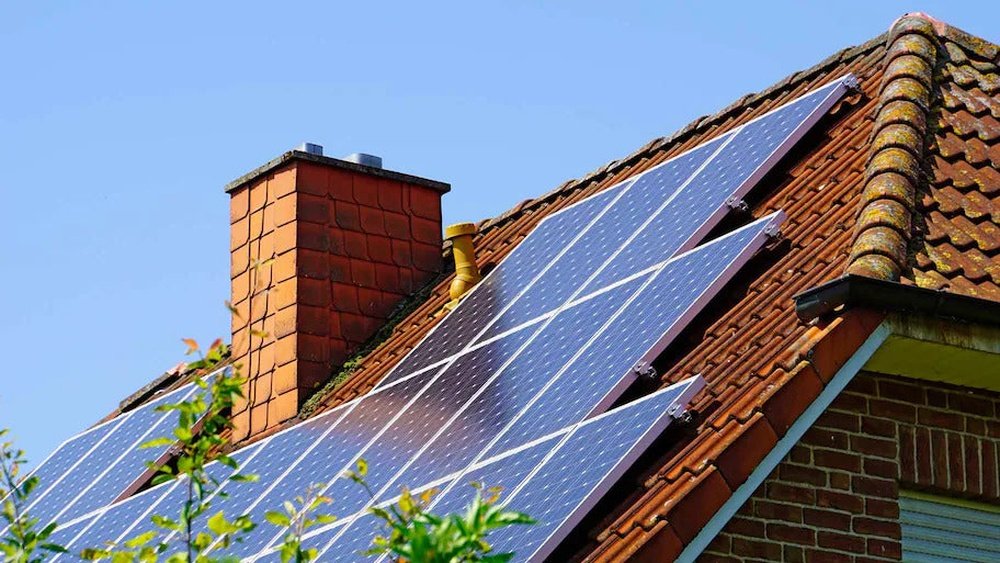
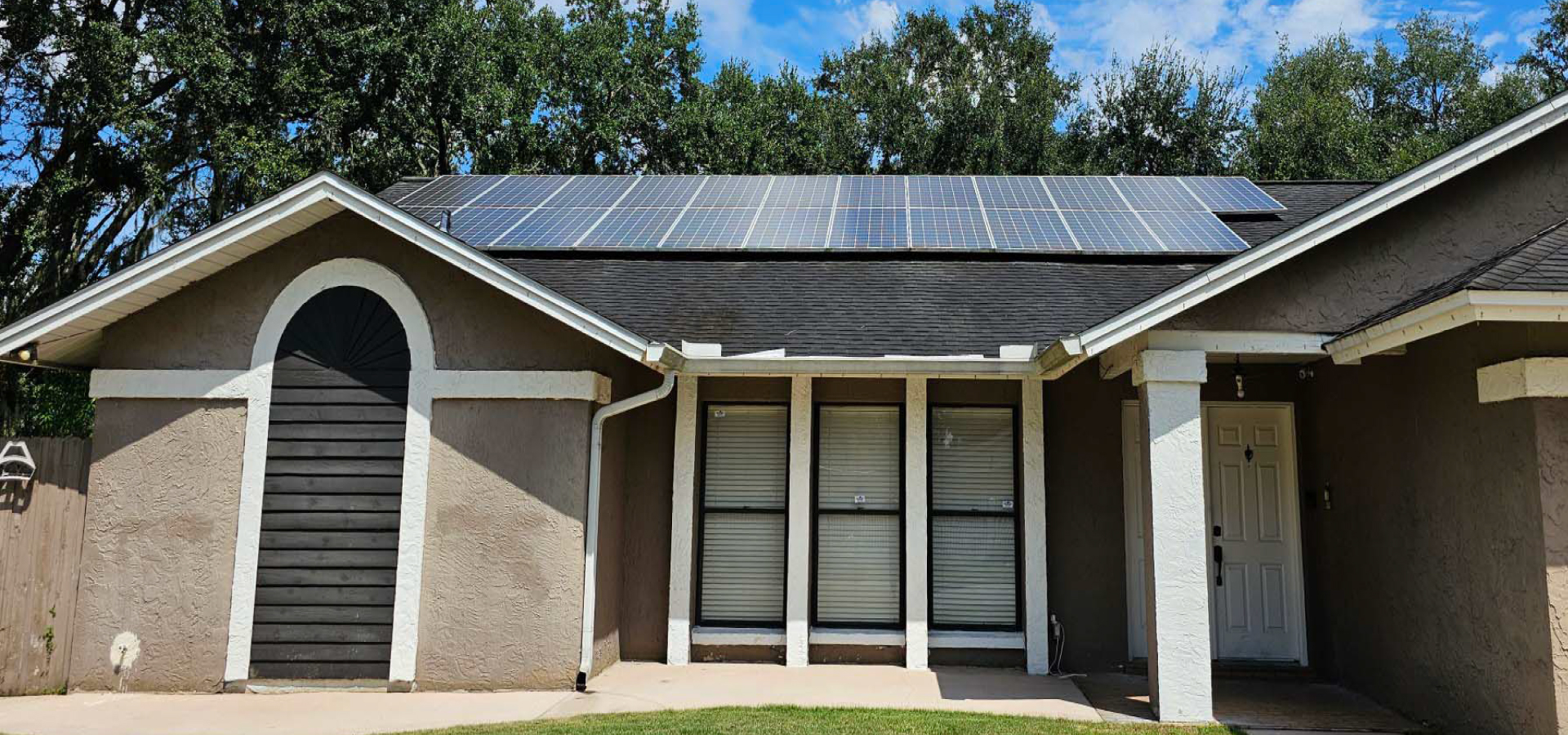
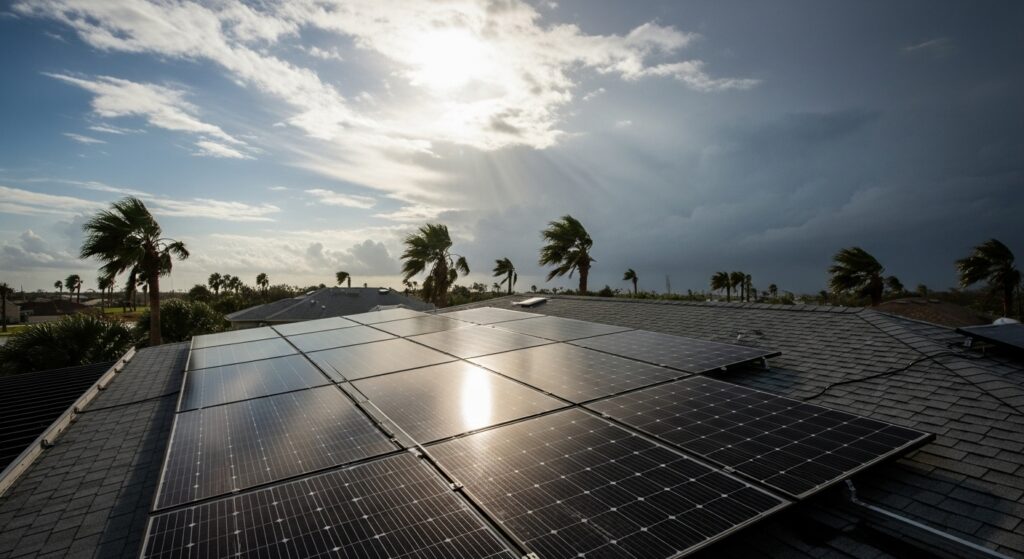
When you add solar panels, they often become part of your home’s structure. Most insurers treat them like a roof improvement. This is good news—if a storm damages your panels, your homeowners insurance might pay for repairs.
Common Coverage Types
- Dwelling Coverage: Protects the structure and attached solar panels.
- Personal Property: Not usually for solar panels unless they are portable.
- Other Structures: Covers panels installed on detached garages or sheds.
But, Florida has unique risks. Hurricanes, lightning, and even hail can threaten panels. Insurers may add exclusions or higher deductibles for wind damage.
Example
If a hurricane hits and damages your roof and panels, your insurer will likely cover them under dwelling coverage—if you have the right policy. But if your policy excludes wind or hurricane damage, you might not get paid.
Which Insurance Companies Cover Solar Panels In Florida?
Many major insurance providers in Florida cover solar panels. Here’s a comparison of popular companies and their coverage policies:
| Insurance Company | Covers Solar Panels? | Special Requirements |
|---|---|---|
| State Farm | Yes | Panels must be attached and owned |
| Allstate | Yes | Coverage as part of dwelling |
| Progressive | Yes | Check local agent for details |
| USAA | Yes | Homeowner must own panels |
| Florida Peninsula | Yes | Panels must be installed professionally |
| Citizens Property Insurance | Limited | May not cover wind/hurricane damage |
| Universal Property & Casualty | Yes | Check policy for exclusions |
Always ask your insurer about deductibles, exclusions, and any extra steps needed for coverage.
Key Factors That Affect Coverage
1. Ownership Status
You must own your solar panels for most insurers to cover them. If you lease them, the leasing company’s insurance may apply instead.
2. Attachment Type
Panels attached to your roof are usually covered. Panels on the ground or on a detached building may need extra coverage.
3. Installation Quality
Insurers often require panels to be professionally installed. DIY installations can lead to denied claims.
4. Policy Type
Standard homeowners insurance policies usually include coverage. But some “bare bones” policies or those from state-backed companies may exclude solar panels or limit coverage.
What’s Typically Covered And What’s Not
Solar panels are usually protected from:
- Fire
- Wind
- Hail
- Lightning
- Vandalism
- Theft
But most policies do not cover:
- Manufacturer defects
- Wear and tear
- Poor installation
- Flood damage (unless you have flood insurance)
Florida is prone to hurricanes, so wind and storm exclusions are common. Always check your policy’s special hurricane deductible.
Common Mistakes Homeowners Make
- Assuming all policies cover solar panels: Not true. Coverage depends on your insurer and policy type.
- Forgetting about leased panels: Leased panels are usually not covered by your homeowner’s insurance.
- Ignoring installation quality: Insurers may deny claims if panels are not installed by licensed professionals.
- Missing policy updates: Adding panels can change your home’s value. Not updating your policy can leave you underinsured.
- Not asking about exclusions: Some policies exclude wind or hurricane damage, which is crucial in Florida.
Comparing Coverage Limits And Deductibles
Insurance companies in Florida set different coverage limits and deductibles for solar panels. Here’s a quick comparison:
| Company | Coverage Limit | Wind/Hurricane Deductible |
|---|---|---|
| State Farm | Up to dwelling limit | 2%–5% of insured value |
| Allstate | Up to dwelling limit | 2%–10% of insured value |
| Florida Peninsula | Up to dwelling limit | 2%–5% of insured value |
| Citizens | Limited | High deductible |
Tip: Always ask your agent how much you’ll pay if a hurricane hits. Many homeowners are surprised by high deductibles.
How To Make Sure Your Panels Are Protected
Follow these steps to avoid gaps in your coverage:
- Contact your insurer before installation: Ask if solar panels are covered and if you need to update your policy.
- Update your dwelling limit: Solar panels increase your home’s value. Raise coverage if needed.
- Keep records: Save receipts, photos, and installation documents.
- Check for wind exclusions: Florida policies often exclude wind or hurricane damage unless you pay extra.
- Ask about flood coverage: Panels are not covered by standard flood insurance. If flooding is a risk, consider additional coverage.
Credit: tampabaysolar.com
Real-life Example
Anna in Tampa installed solar panels in 2023. She called her insurance agent, who confirmed coverage under her dwelling policy. After Hurricane Ian, her panels were damaged. Because she had updated her policy and used a licensed installer, her claim was approved.
Anna paid a hurricane deductible, but her insurer covered the rest.
Her neighbor, Mark, leased panels and never checked his policy. When his panels were damaged, his homeowner’s insurance denied the claim. The leasing company’s insurance handled repairs, but Mark had to wait weeks.
How Much Does Insurance Cost After Adding Solar Panels?
Adding solar panels can change your insurance premium. Most Florida homeowners see a small increase. The extra cost depends on:
- Value of panels
- Risk of hurricane or wind
- Coverage limit
- Deductible amount
Average increase: $50–$150 per year for a $15,000 solar system. Some companies may raise your premium more if your area has high storm risk.
Questions To Ask Your Insurance Agent
Before you install solar panels, ask your agent these questions:
- Will my policy cover solar panels?
- Do I need to update my coverage limits?
- Are there any exclusions for wind or hurricane damage?
- Will my deductible change?
- What documents do you need for proof of installation?
- Are panels on detached structures covered?
Asking these questions can prevent expensive mistakes.
Insuring Leased Solar Panels
If you lease your panels, your insurance situation is different. Most homeowners policies do not cover leased panels. The leasing company usually insures them. Still, you should ask:
- Who is responsible for repairs?
- What happens if a storm damages the panels?
- Will your insurance pay for damage to your roof from the panels?
Leased panels also make it harder to change insurers or sell your home.
Credit: www.greatflorida.com
Extra Tips For Florida Homeowners
- Choose a licensed installer: Most insurers require professional installation.
- Update your policy after installation: Don’t wait until damage happens.
- Check for wind and flood exclusions: Florida’s weather can be harsh.
- Take photos of your panels: Good records help with claims.
- Review your policy yearly: Insurance rules can change.
Why Some Companies Don’t Cover Solar Panels
Florida’s storms and hurricanes make solar panels risky. Some insurers limit coverage or raise premiums. Companies like Citizens Property Insurance often have stricter rules or higher deductibles. If your area is high-risk, coverage may be more expensive or limited.

Credit: www.edisoninsurance.com
What To Do If Your Insurer Doesn’t Cover Panels
If your insurer won’t cover solar panels, you have options:
- Shop around: Other companies may offer coverage.
- Buy extra coverage: Some insurers sell add-ons for solar panels.
- Consider specialized insurance: Some companies focus on solar energy coverage.
You can compare policies and prices online or with a local agent. For more details on solar panel insurance, check Energy.gov.
Frequently Asked Questions
Will My Insurance Cover Solar Panels In A Hurricane?
Usually yes, if your panels are attached and your policy includes wind coverage. But many Florida policies have high hurricane deductibles or exclusions. Always check your policy.
What If I Lease My Solar Panels?
Leased panels are not covered by most homeowners policies. The leasing company usually has its own insurance. Ask your installer for details.
How Much Will My Premium Increase After Adding Solar Panels?
Most homeowners see a small increase, usually $50–$150 per year. The exact amount depends on your panel value and risk area.
Are Solar Panels Covered If Installed On A Detached Garage?
Panels on detached structures may not be covered under your main dwelling policy. You may need extra coverage for “other structures. ” Ask your agent.
What Documents Should I Keep For Insurance Claims?
Keep installation receipts, warranty papers, photos, and proof of professional installation. These help if you need to make a claim.
Final Thoughts
Insurance for solar panels in Florida is not as simple as it seems. Most big companies cover them if you own the panels and update your policy. But Florida’s weather makes coverage tricky, and mistakes can cost you money. Take time to review your policy, ask your agent clear questions, and keep good records.
With a bit of planning, you can protect your solar investment—and avoid nasty surprises when storms hit.